
 Asro
Introduction: The Seasonal Shift to the Virtual Realm
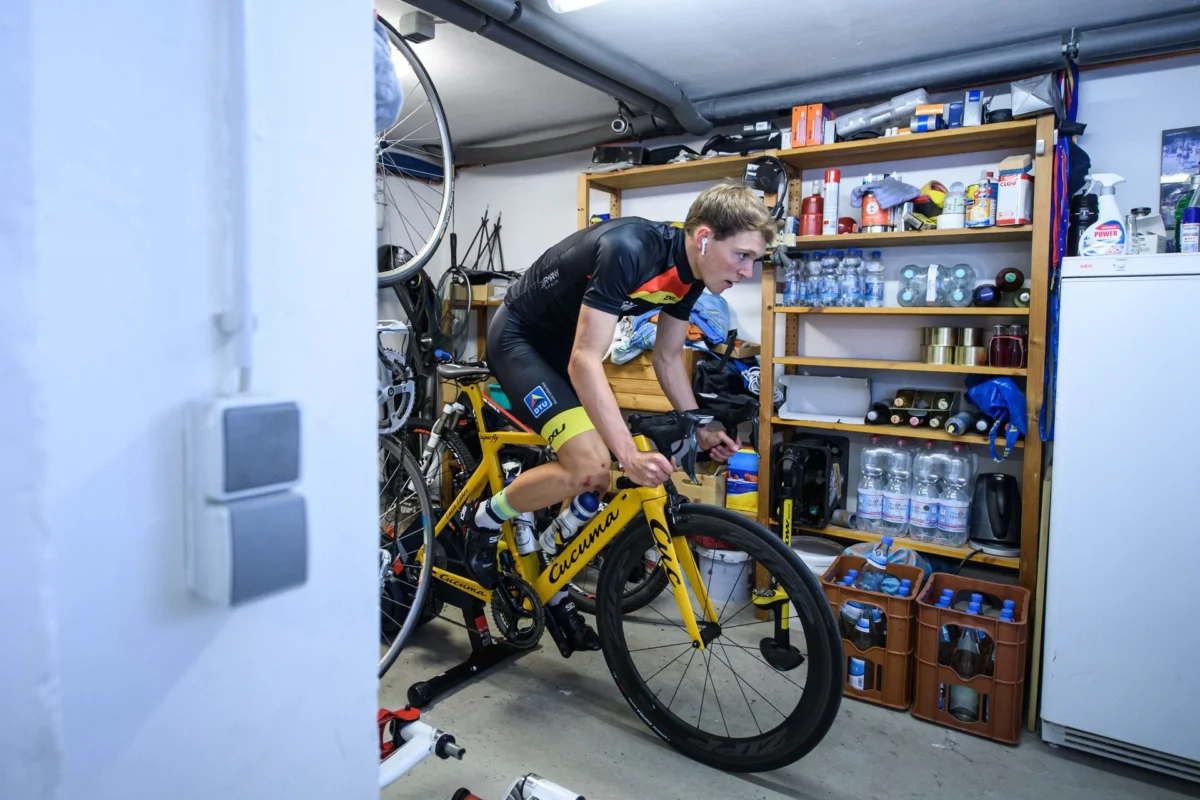
As the autumn leaves turn and the daylight hours inexorably shrink, cyclists across the Northern Hemisphere face an annual ritual of transition. The open roads, sun-drenched climbs, and breezy coastal descents that defined the summer months are gradually replaced by a different kind of cycling culture—one defined by the hum of direct-drive trainers, the whir of cooling fans, and the glow of screens displaying virtual avatars.
Welcome to Indoor Cycling Week at Cyclingnews.
Throughout this specialized feature week, our editorial focus shifts entirely toward the booming, highly technical world of indoor cycling. For many, the transition indoors is embraced as a necessary evil or an optimized training methodology. For others, it is greeted with a deep sense of dread. But regardless of where you fall on the spectrum—whether you are a Zwift-obsessed racer chasing digital KOMs (King of the Mountain) or a reluctant pedaller who views the indoor trainer as a glorified torture device—the reality is undeniable: indoor cycling has evolved from a bleak winter substitute into a vibrant, multi-billion-dollar global phenomenon in its own right.
In this comprehensive feature, we will explore the core themes of Indoor Cycling Week, examine the chronological evolution of training indoors, analyze the market data driving this technological boom, hear insights from industry insiders and seasoned riders, and evaluate the broader implications of how virtual riding is permanently changing the sport of cycling.
Main Facts: What is Indoor Cycling Week?
At its core, Indoor Cycling Week is designed to guide cyclists through the daunting preparation required for the winter training season. While virtual platforms like Zwift, TrainerRoad, Rouvy, and Wahoo RGT keep the wheels turning year-round, the onset of colder weather triggers a massive surge in indoor engagement.
However, Cyclingnews approaches this phenomenon with a balanced perspective. While the primary mission is to offer constructive, positive support—such as our comprehensive indoor cycling setup checklist and curated lists of the best indoor cycling accessories for under £/$50—we readily acknowledge a fundamental truth: riding inside is not everyone’s cup of tea.
Key Elements of the Indoor Shift:
- Technological Integration: Modern smart trainers communicate via Bluetooth and ANT+ to simulate gradients, road surfaces, and drafting dynamics in real-time.
- Accessibility and Convenience: Time-crunched athletes can complete a structured, highly efficient 60-minute workout without the hazards of traffic, bad weather, or cleaning a muddy bike afterward.
- The Psychological Hurdle: Pedalling nowhere while staring at a basement wall remains one of the toughest mental challenges in sport, necessitating entertainment, gamification, and supportive community networks.
Chronology: From Dumb Rollers to Immersive Virtual Worlds
To truly understand why indoor cycling commands such significant attention today, it is helpful to look back at how the sector has evolved over the past few decades.
Era 1: The Dark Ages of the "Dumb" Trainer (Pre-2010s)
For generations, indoor training was a brutally simple and profoundly boring affair. Cyclists clamped their rear axles into wind trainers, magnetic resistance units, or balanced on traditional rollers. Resistance was manually adjusted via a handlebar lever, and data was rudimentary—often limited to a wired cycle computer tracking cadence and heart rate if you were lucky. Training meant staring at a brick wall, listening to music on an iPod, or watching worn-out VHS tapes of the Tour de France. Dropouts were high, and motivation plummeted as soon as the frost set in.
Era 2: The Birth of Structured Power (2010–2015)
The democratization of power meters marked the first major paradigm shift. Suddenly, training became scientific. Platforms like TrainerRoad introduced structured, screen-based workouts that prescribed exact wattage targets based on a rider’s Functional Threshold Power (FTP). Trainers remained largely manual, but the focus shifted from mindless spinning to targeted physiological development.
Era 3: The Gamification Revolution and Smart Trainers (2015–Present)
The launch of platforms like Zwift in late 2014 changed everything. By combining video-game mechanics, massively multiplayer online (MMO) capabilities, and controllable smart trainers (which automatically adjust resistance based on virtual climbs), indoor cycling transformed into an immersive social space. Suddenly, you could ride up the virtual slopes of Alpe d’Huez with friends scattered across different continents, compete in high-intensity esports races, or complete structured workouts within a vibrant digital ecosystem.
Supporting Data: The Booming Indoor Cycling Market
The global indoor cycling market is no longer a niche corner of the fitness industry; it is a major economic driver backed by hard data.
According to recent market research reports, the global smart bicycle trainer market size has expanded exponentially, accelerated significantly by the COVID-19 pandemic and sustained by continuous technological advancements.
- Market Valuation: The smart trainer and virtual cycling platform market is valued in the billions, with a projected compound annual growth rate (CAGR) exceeding 8% through 2030.
- Demographics: While once dominated by competitive road racers looking to maintain winter fitness, the modern indoor demographic spans tech-savvy millennials, gravel adventurers, triathletes, and time-poor working professionals who prioritize efficiency.
- Engagement Metrics: Leading platforms report millions of active monthly users, with peak usage metrics shifting dramatically during winter months, showing multi-hour average weekly riding times per active subscriber.
Furthermore, the rise of specialized accessories—ranging from dedicated indoor rocker plates and smart fans that ramp up speed based on heart rate, to high-end indoor-specific bikes like the Wahoo KICKR BIKE and Tacx Neo Bike—demonstrates that consumers are willing to invest heavily in optimizing their home "pain caves."
Perspectives from the Pelotons: Expert Insights and Personal Journeys
Behind the gear reviews, buying guides, and breaking tech stories at Cyclingnews are real riders with complex relationships with indoor training.
Josh, Associate Editor at Cyclingnews and a seasoned racer with over 15 years of experience in the saddle, reflects on his own evolution as a cyclist:
"I started out racing cross country in my teens back when 26-inch wheels and triple chainsets were still mainstream, but I found favour in road racing in his early 20s, racing at a local and national level for Somerset-based Team Tor 2000. These days I rides indoors for convenience and fitness, and outdoors for fun on road, gravel, ‘cross and cross-country bikes, the latter usually with his two dogs in tow."
Josh’s experience mirrors that of countless cyclists globally. The indoor trainer has transitioned from a punishment tool into an instrument of ultimate convenience. When balancing a demanding editorial career, family life, and training goals, squeezing in a precision-targeted 45-minute sweet-spot session before breakfast is often the only viable option.
However, industry experts and coaches emphasize that balance is crucial. While indoor training offers unmatched efficiency and physiological gains—eliminating coasting, traffic lights, and descending recovery—it lacks the dynamic bike-handling skills, vitamin D exposure, and sheer exploratory joy of riding outdoors.
Implications: The Future of Virtual Cycling and Pro Racing
The growth of indoor cycling extends far beyond amateur fitness; it is fundamentally altering the broader ecosystem of professional and competitive cycling.
- The Rise of Esports Cycling: The UCI (Union Cycliste Internationale) has fully embraced cycling esports, hosting official World Championships on platforms like Zwift. Professional esports teams now exist, complete with dedicated contracts, specialized tactics, and high-stakes racing environments that rival traditional road racing in intensity.
- Talent Identification: Virtual platforms have democratized talent scouting. Programs like the Zwift Academy have proven that elite-level athletic talent can be discovered in a basement and successfully transitioned into WorldTour professional contracts.
- Equipment Evolution: Bike manufacturers are now designing frames, handlebars, and components with indoor durability in mind, considering issues like sweat corrosion, heavy lateral forces on carbon dropouts from stationary trainers, and integrated electronics.
Conclusion: Conquering the Winter Months
As Indoor Cycling Week rolls on at Cyclingnews, our mission remains clear: to equip our readers with the knowledge, tools, and tech insights needed to make the most of their training, no matter how cold or wet it is outside.
Whether you view the indoor trainer as a gateway to peak fitness or a monotonous necessity, one thing is certain—virtual cycling is here to stay. By optimizing your setup, investing in the right accessories, and maintaining a healthy balance between indoor efficiency and outdoor adventure, you can transform the winter months from a period of athletic stagnation into your greatest season of growth yet.


 Neng Nana

 Azzam Bilal Chamdy

 rifanmuazin

 Ammar Sabilarrohman

 Nila Kartika Wati

 Jia Lissa