
 Muslim
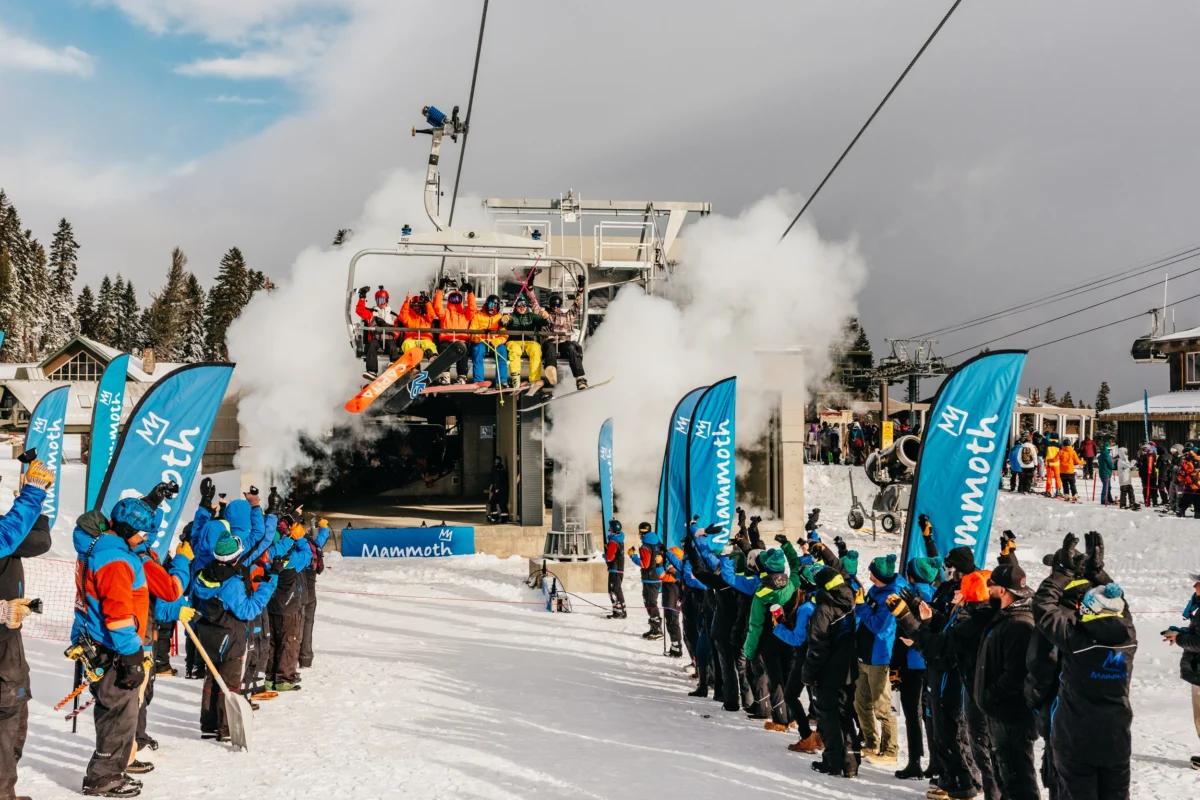
For many winter sports enthusiasts, November is a month of restless anticipation. The waxing chill in the air and the first dusting of white across high-altitude peaks signal the unofficial start of a cultural obsession: the hunt for early-season turns. Yet, seasoned skiers know that opening-day hype often masks harsh realities.
Early-season conditions are notoriously fickle. Thin snowpacks hide rocks and stumps, man-made snow can quickly turn to boilerplate ice, and the sheer volume of eager crowds frequently outstrips the limited terrain accessible via a handful of open lifts. For every magical powder day, there are a dozen afternoons spent dodging obstacles on a narrow, crowded "white ribbon of death."
Is November skiing really worth the effort, or is it merely an exercise in frustration for skiers desperate to click back into their bindings? According to top meteorologists and resort operators, the answer depends entirely on geography, timing, and Mother Nature’s willingness to cooperate. As the 2026–’27 ski season kicks into gear, regional forecasts reveal where winter is arriving in earnest—and where skiers would be wise to exercise patience.
Main Facts: The 2026–’27 Early-Season Landscape
The race to open North America’s ski slopes is officially underway, with a handful of high-elevation resorts already welcoming guests before Halloween. Arapahoe Basin secured the bragging rights for Colorado by opening its lifts on October 28, closely followed by Keystone on October 30 and Wolf Creek on October 31.
While these early openers rely heavily on aggressive snowmaking operations and their lofty elevations to preserve the base, natural weather patterns are finally shifting in favor of skiers. Major forecasting models indicate that a potent early-season storm cycle is targeting the Western United States, bringing much-needed relief to regions that have endured unseasonably warm autumns.
However, the disparity between regions is stark. While the Rocky Mountains are bracing for a high-impact opening blast of snow, parts of the Intermountain West and the East Coast are facing a slower, more cautious transition into winter, heavily dependent on cold nighttime temperatures for artificial snow production.
Chronology: A Timeline of Key Resort Openings
For skiers planning their early-season calendars, timing is everything. Here is how the November 2026 opening schedule shapes up across key regions:
Late October
- October 28: Arapahoe Basin (Colorado) officially opens for the season, winning the local race to welcome the first turns.
- October 30: Keystone Resort (Colorado) spins its lifts for the public.
- October 31: Wolf Creek Ski Area (Colorado) opens its doors just in time for Halloween.
Early November
- November 6: Breckenridge Ski Resort and Copper Mountain (Colorado) are scheduled to open, alongside Brian Head Resort in Southern Utah.
- Mid-November: Vail Mountain and Eldora Mountain (Colorado) eye mid-month openings, targeting November 13, provided cold temperatures hold to preserve natural and man-made snow.
Late November
- November 20: A massive wave of openings is planned across the continent. In Utah, heavyweights like Alta, Park City, and Solitude are slated to open. Out West, California’s Mammoth Mountain targets this date. In the East, Maine’s Sugarloaf aims to become the region’s first major resort to welcome back skiers.
- November 21: Sugarbush Resort in Vermont joins the early-season lineup, while other traditional East Coast powerhouses like Killington monitor conditions closely before committing to a date.
Supporting Data: Meteorological Outlooks by Region
Weather patterns dictate every early-season strategy. Leading forecasters from OpenSnow have provided detailed breakdowns of what skiers can expect across the continent’s premier mountain ranges this November.
Colorado: A November Starting with a "Bang"
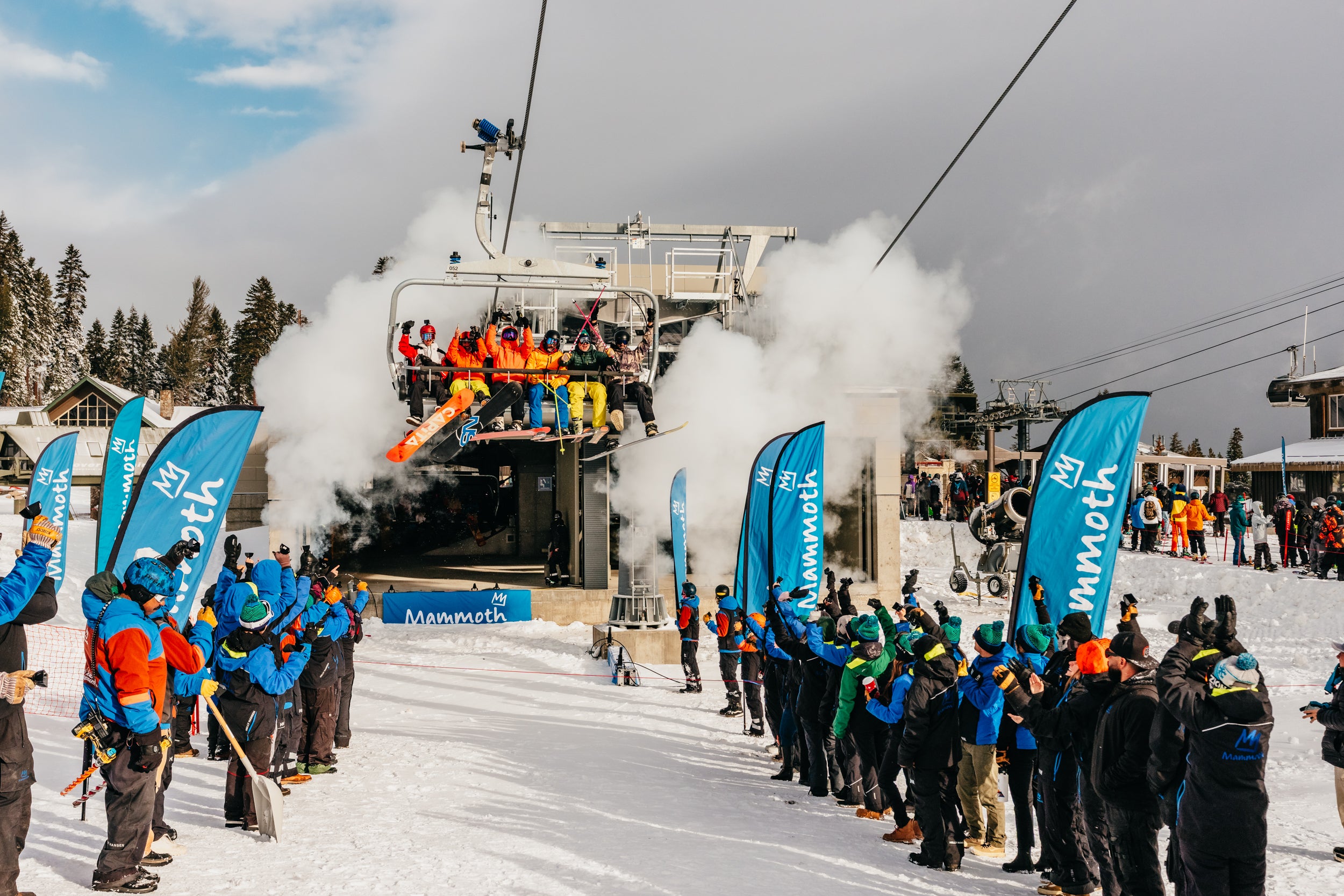
Colorado skiers appear to be the primary beneficiaries of early-season storm tracks. According to OpenSnow meteorologist Joel Gratz, November is slated to begin with a high-impact weather system. Gratz predicts that a robust storm arriving on Sunday will drop 6 to 12 inches of fresh snow across nearly all Colorado mountains, with localized accumulation totals potentially reaching up to 20 inches in favored ranges.
If this forecast holds true, resorts like Breckenridge and Copper Mountain—both scheduled to open on November 6—could experience legitimate powder days rather than navigating the typical scraped-up man-made tracks common to early November. Furthermore, the high base elevations of resorts like A-Basin (sitting above 10,000 feet) provide a natural thermal buffer against unseasonably warm daytime temperatures, ensuring that whatever snow falls early on has a fighting chance to stick around.
Utah: Measured Expectations and High-Altitude Accumulations
Neighboring Utah resorts are expected to catch the tail end of the same storm system affecting Colorado, but overall accumulations are projected to be lighter. OpenSnow forecaster Evan Thayer notes that the brunt of the storm will hit on Sunday, accompanied by a sharp drop in temperatures.
"Cooler air will eventually lower snow levels, with some decent accumulations possible up high," Thayer explains.
Southern Utah’s Brian Head Resort, which plans to open on November 6, is well-positioned to capitalize on these high-elevation dustings. Meanwhile, major Wasatch Range resorts such as Alta, Park City, and Solitude have targeted November 20 for their opening days. For these resorts, success in the first half of November will rely less on heavy natural snowfall and more on aggressive, window-of-opportunity snowmaking during cold overnight cycles.
California: Patience Required in the Sierra
California skiers and riders will likely need to exercise restraint. OpenSnow forecaster Bryan Allegretto predicts that the Tahoe region’s genuinely snowy start will likely hold off until after November 10.
This timeline aligns well with Mammoth Mountain’s scheduled opening of November 20. While Mammoth is geographically distinct from the Lake Tahoe basin to its north, it frequently shares similar atmospheric river patterns and weather systems. A mid-November storm could provide Mammoth with the necessary natural base to open more than just its customary narrow lanes of terrain, setting up its historically long season for success.
New England: Beating a Warm Fall
The Eastern seaboard has experienced a notably warm and stubborn autumn, complicating early-season snowmaking efforts for regional resorts. However, a shift toward more seasonal, colder air masses is on the horizon.
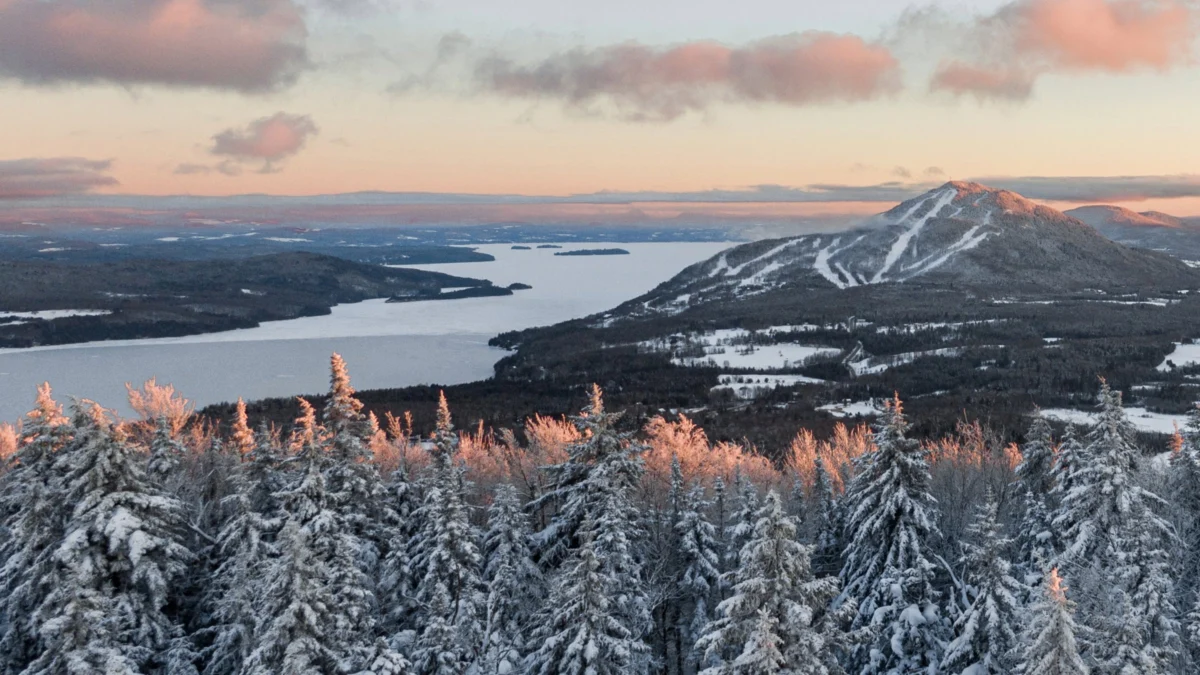
As of press time, Maine’s Sugarloaf leads the charge in the Northeast, with plans to reopen on November 20. Vermont’s Sugarbush follows closely behind on November 21. Notably, Killington—a resort internationally renowned for pulling out all the stops to secure the title of easternmost opener through tireless snowmaking—has yet to announce a firm opening date as it waits for sustained sub-freezing temperatures to lock in a durable base.
Official Responses and Industry Strategy
Resort operators face a delicate economic and operational balancing act every autumn. Opening early generates massive excitement, feeds season-pass holder engagement, and kickstarts local tourism economies. However, opening prematurely with insufficient coverage can lead to catastrophic equipment damage for guests and severe reputation hits for the mountains.
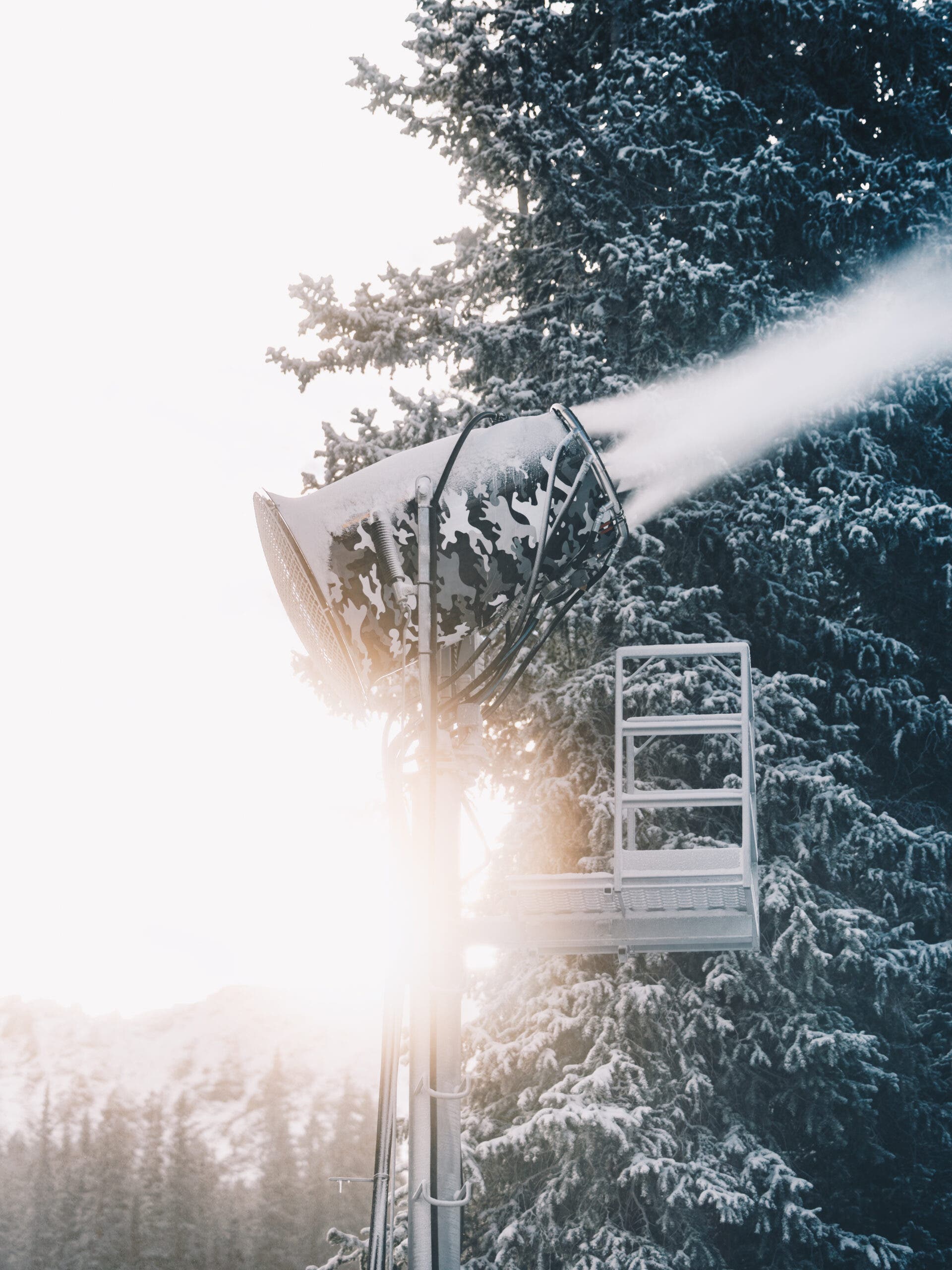
Industry leaders emphasize that modern snowmaking technology has transformed the opening-day equation. Resorts no longer rely entirely on the whims of the atmosphere; instead, automated pump houses and high-efficiency fan guns can coat key trails in feet of man-made snow in a matter of days—provided the wet-bulb temperature drops below critical thresholds.
"Our snowmaking team is ready to capitalize on every single hour of sub-freezing temperatures," said a spokesperson for one major Colorado resort. "While natural snow is always what our guests crave, our primary focus in October and early November is building a deep, resilient base that can withstand early-season traffic and variable weather."
Implications: What Early-Season Skiers Need to Know
For those weighing whether to dust off their gear and make the trek to the mountains this November, experts offer a few golden rules of thumb:
- Manage Your Expectations: Do not expect glades, bowls, or expert terrain to be open. Early-season skiing is fundamentally about getting your ski legs back on groomed, predictable runs. Treat it as a physical warm-up rather than a powder-seeking mission—unless you happen to hit one of Joel Gratz’s predicted Colorado powder days.
- Protect Your Equipment: If you pull your brand-new, high-end powder skis out of the closet for an opening-day session in October or early November, you are asking for trouble. Sub-surface rocks, stumps, and thin coverage are realities of early-season terrain. Bring out the "rock skis"—the trusty, beat-up pair you don’t mind getting a few core shots in.
- Check Operating Schedules: Early-season operations are notoriously fluid. Warm spells can force unexpected terrain closures or delay opening dates entirely. Always check daily snow reports and resort websites before making the drive.
- Embrace the Culture: Despite the limitations, opening day possesses an irreplaceable energy. The parking lot tailgates, the camaraderie of fellow skiers sharing the stoke of winter’s return, and the simple joy of sliding on snow again make the early-season hustle uniquely worthwhile for the true believers.
As November unfolds, the weather maps will dictate the narrative. Whether you are dropping into fresh powder in the Rockies or carving man-made corduroy in the East, winter has officially arrived—and the long-awaited journey of the 2026–’27 season has begun.

 Ammar Sabilarrohman
 Lina Irawan

 Suro Senen

 Lina Hope

 Siti Muinah

 Pevita Pearce

 Asro