
 Lina Irawan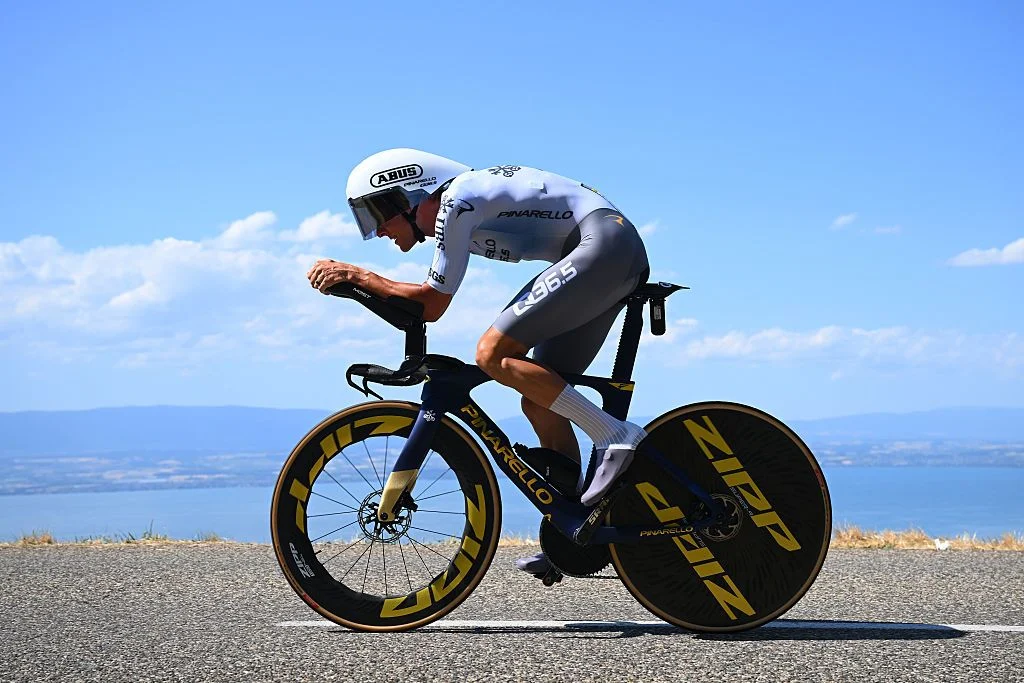
Overview: A Dangerous Encounter Post-Race
The high-octane world of professional cycling, specifically the grueling environment of the Tour de France, is defined by its intensity and the close proximity of fans to athletes. However, that proximity turned into a hazardous confrontation on the evening of Stage 16. Xandro Meurisse, the talented Belgian rider representing Alpecin-Deceuninck (formerly racing under the banner of the Pinarello-Q36.5 project), was involved in a alarming collision with a spectator’s vehicle while navigating away from the race finish in Thonon-les-Bains.
The incident, which occurred immediately following the conclusion of the 26.1km individual time trial, has reignited long-standing debates regarding the safety of riders outside of the official, closed-road race circuit. While the professional peloton is protected by a massive infrastructure of police escorts, barriers, and team cars, the "buffer zones" where riders transit to their team buses or hotels remain vulnerable points of contention.
Chronology of the Incident
The events unfolded shortly after the clock stopped on the time trial. Riders, having pushed their bodies to the absolute limit against the stopwatch, were in a state of physical and mental fatigue as they transitioned into their post-race routines.
The Immediate Aftermath of Stage 16
As Meurisse made his way away from the finish line area in Thonon-les-Bains—a town known for its picturesque lakeside views and challenging cycling terrain—he was operating on a public road that had not been fully cordoned off from civilian traffic.
According to reports provided by team sources to Cyclingnews, Meurisse was riding in a standard post-race transit capacity when a vehicle driven by a member of the public approached from behind. Without adequate time or space to react, the car struck the rider, throwing him from his bicycle onto the asphalt.
The Response
The impact was sufficient to force the Belgian rider to the ground, causing immediate concern among his team support staff and nearby bystanders. Emergency protocols, though limited due to the nature of the transit area, were initiated, and the rider was attended to by medical professionals to assess the severity of his injuries. While initial reports indicate that Meurisse avoided life-threatening trauma, the psychological impact of such a collision—and the physical toll of a fall at any speed—cannot be understated for a professional athlete currently competing in the most demanding race on the cycling calendar.
The Context: Safety in the "Grey Zone"
To understand the gravity of the incident, one must look at the structural reality of the Tour de France. The race is a logistical masterpiece, moving thousands of people and hundreds of vehicles across France over three weeks. However, the "grey zone"—the moments after a rider crosses the finish line and before they reach the sanctuary of the team bus—remains a persistent safety challenge.
The Vulnerability of Professional Cyclists
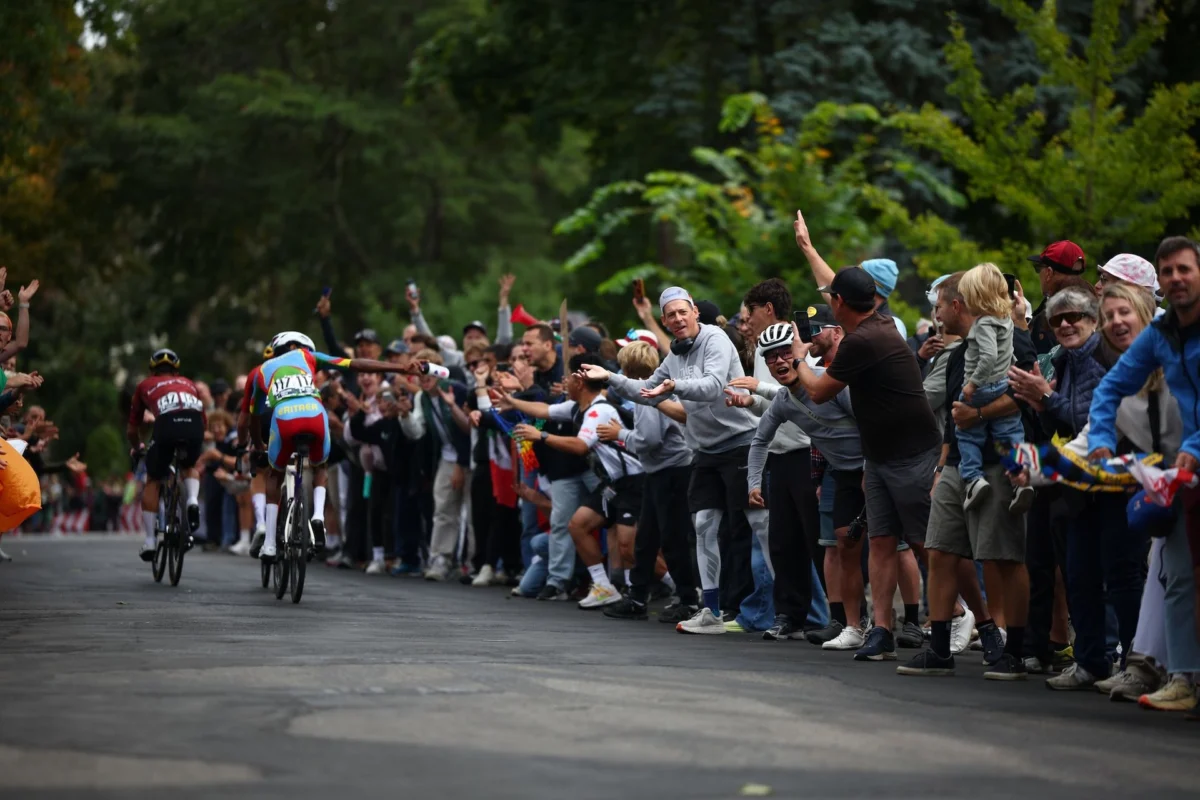
Unlike Formula 1 or other closed-circuit sports, professional cycling occurs on open roads. Even in a time trial format, the finish line acts as an artificial boundary. Once a rider crosses that line, they are technically back in the realm of civilian traffic laws, even if the race atmosphere persists for several kilometers in every direction.
- Fatigue-Induced Vulnerability: After an individual time trial, a rider’s heart rate is elevated, their blood sugar is often depleted, and their focus is frequently inward as they attempt to recover. This makes them less capable of anticipating erratic civilian driving.
- Logistical Complexity: In towns like Thonon-les-Bains, the narrow streets and influx of tourists create a "pressure cooker" environment. Spectators, eager to see their idols, often navigate these same streets in their private vehicles, creating a chaotic mix of exhausted athletes and distracted drivers.
Supporting Data and Historical Precedent
The accident involving Xandro Meurisse is not an isolated event. Over the past decade, the relationship between spectators and riders has become increasingly fraught, leading to several high-profile incidents that have forced the UCI (Union Cycliste Internationale) to reconsider safety protocols.
Notable Incidents in Recent Years
- The "Omi & Opi" Incident (2021): Perhaps the most infamous modern safety breach, a spectator holding a sign caused a massive pile-up on the opening stage of the Tour, resulting in numerous injuries and forcing the abandonment of several riders.
- Team Car Collisions: There have been multiple instances where team support vehicles or race officials have collided with riders. However, the intrusion of civilian vehicles into the transit path represents a different tier of risk, as these drivers are often unaccustomed to the specific behaviors and speeds of professional cyclists.
- Transit Safety Statistics: While specific data on "post-finish" civilian collisions is rarely categorized separately from racing incidents, anecdotal reports from riders suggest that the transit from the finish line to the team bus is often cited as one of the most stressful parts of a race day.
Official Responses and Stakeholder Reactions
Following the incident, the cycling community has been vocal in its demand for stricter transit protocols.
The Team Perspective
The team management for the rider has emphasized that the safety of their athletes is paramount. They have requested a formal review of how transit zones are managed in towns following a time trial. "We are relieved that Xandro is physically stable, but the fact that this happened is unacceptable," a team spokesperson noted. The team’s focus has shifted from the race standings to ensuring that the rider has the necessary support to recover from both the physical shock and the inevitable mental distraction this incident causes.
UCI and Race Organizers
The ASO (Amaury Sport Organisation), the entity responsible for the Tour de France, faces immense pressure to manage these "fringe" areas more effectively. In response to such incidents, the UCI has historically tightened the rules regarding "fan zones" and the physical separation of vehicles and cyclists. However, the sheer scale of the Tour makes it difficult to police every street in every host town. Observers expect an announcement regarding increased police presence and more stringent "no-go" zones for civilian vehicles in the vicinity of finish lines for the remainder of the tour.
Implications for the Future of Professional Cycling
The collision in Thonon-les-Bains serves as a somber reminder that the Tour de France is as much a test of logistics as it is a test of athleticism.
Re-evaluating the "Finish Line Protocol"
The sport may need to move toward a "sealed transit" system, where riders are required to remain within a cordoned-off area until they are collected by official team transport, effectively eliminating the need for them to ride on roads shared with the public immediately after their effort.
The Cultural Shift
There is also a broader question regarding the culture of spectatorship. The Tour de France is unique because it is "free to attend," which is its greatest strength but also its greatest safety liability. Educating the public on the necessity of giving professional riders space—not just during the race, but in the immediate aftermath—will be crucial.
Conclusion
Xandro Meurisse’s encounter with a spectator vehicle is a stark wake-up call. As the peloton continues its journey through the French countryside, the incident serves as a poignant reminder that the riders’ safety should never be compromised for the sake of convenience or logistical flow. While the racing is the spectacle, the preservation of the athletes is the foundation upon which that spectacle is built. The sport must now prove that it can adapt, creating a safer environment that respects both the fans who line the roads and the riders who risk everything to perform upon them.

 Reynand Wu
 Nana
Nana
 Neng Nana
 Nana Wu
 Lina Hope

 Sagoh
Sagoh
 Iffa Jayyana