 Suro Senen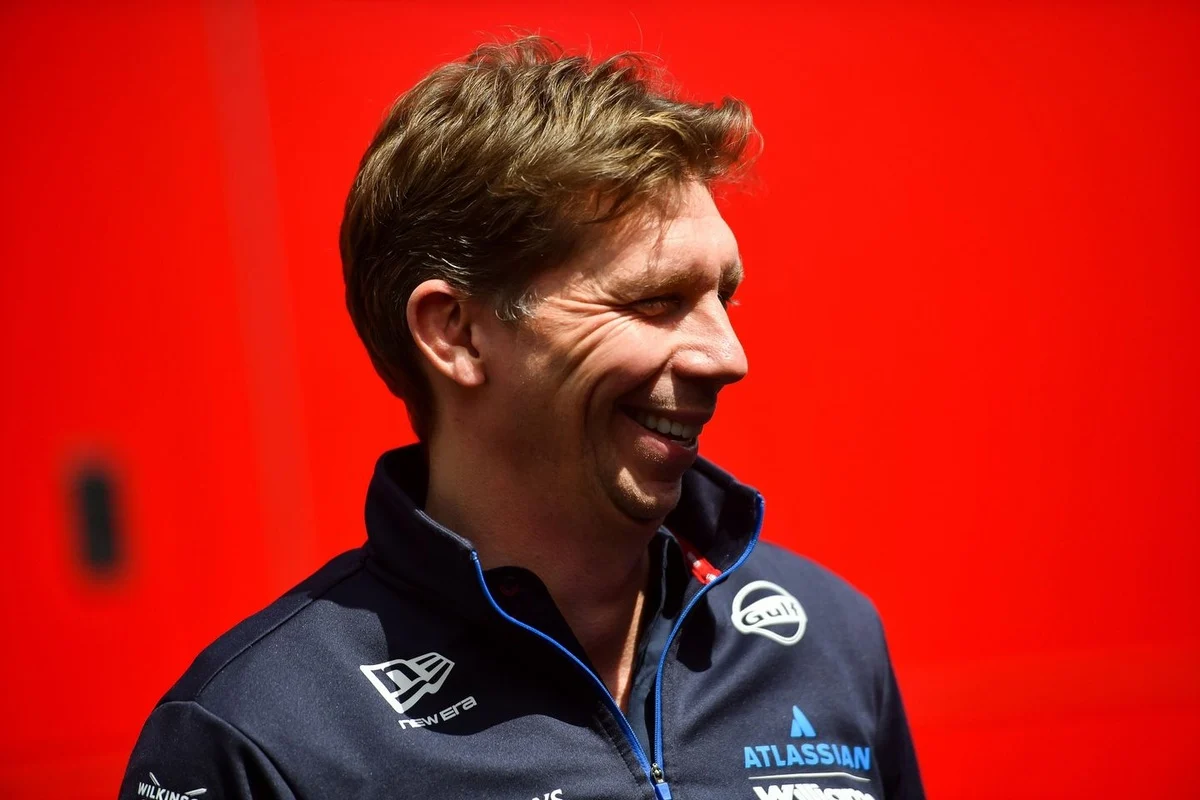
Introduction: A New Era for Spanish Motorsport in Madrid
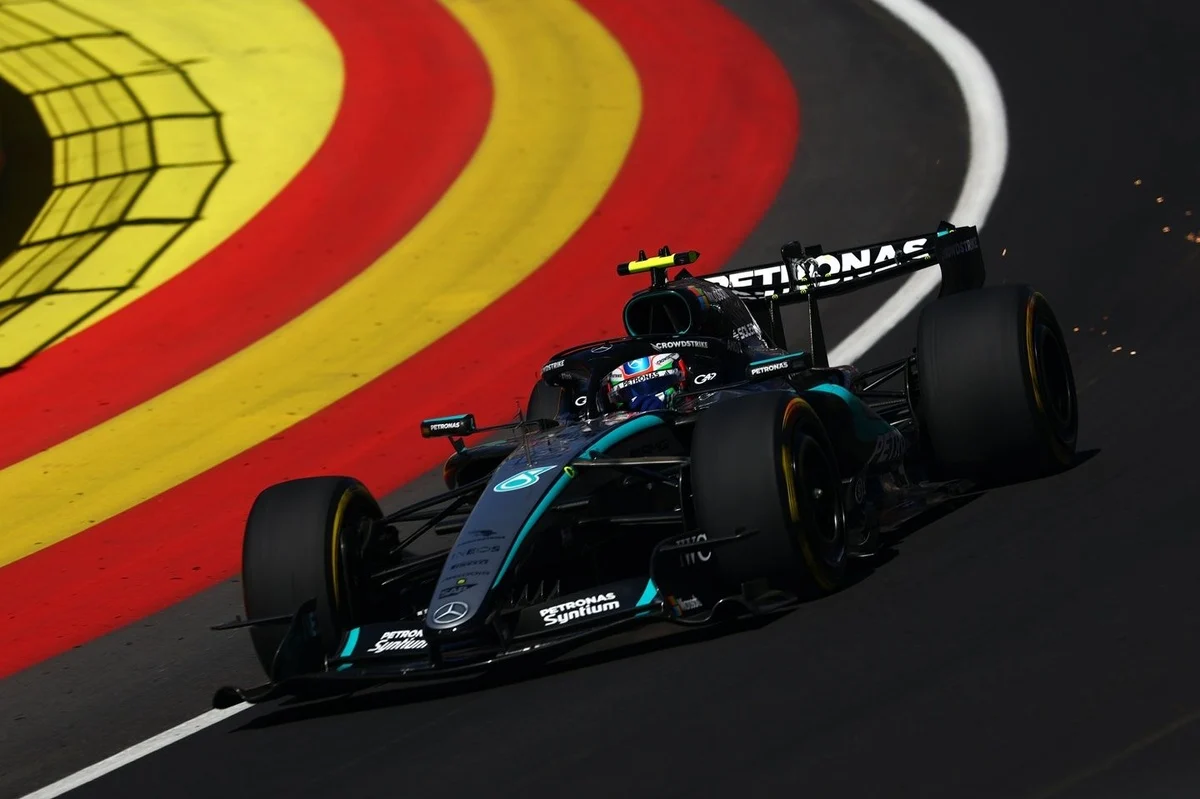
Formula 1’s arrival in the Spanish capital for its inaugural weekend at the brand-new Madring circuit marked a historic pivot for the sport on the Iberian Peninsula. Replacing traditional venues that have hosted the Spanish Grand Prix in decades past, the Madrid street circuit promised a dynamic, accessible, and high-energy urban racing spectacle. However, like any newly minted street track, the weekend delivered a complex cocktail of logistical triumphs, technical driving challenges, and glaring aerodynamic and layout shortcomings.
In the wake of the checkered flag, Williams Team Principal James Vowles offered a candid, comprehensive assessment of the event. Speaking on his regular review platform, The Vowles Verdict, Vowles lauded the organizational prowess that kept the weekend running smoothly despite the typical chaos of a maiden Grand Prix. Yet, he did not shy away from addressing the harsh realities exposed by the circuit’s layout—both regarding the broader Formula 1 spectacle and his own struggling Williams outfit.
Main Facts: The Inaugural Madrid Grand Prix Weekend
The debut of the Madrid street circuit introduced a radically different flavor to the Formula 1 calendar, blending capital-city convenience with the sprawling scale of a modern motorsport facility.
- Logistical Triumph: Unlike cramped urban venues such as Monaco or Singapore, Madrid offered expansive footprints for team infrastructure. Vowles noted that the paddock and support areas boasted roughly ten times the spatial breathing room typically afforded at traditional street tracks.
- Prime Accessibility: Situated roughly half an hour from the heart of the capital city, the venue integrated seamlessly with local transit networks, allowing fans and personnel to commute via the metro in approximately ten minutes.
- Technical Layout and Overtaking Deficit: While drivers praised the technical rigor and demanding nature of the circuit layout, the track fundamentally struggled to facilitate clean overtaking maneuvers, casting a shadow over the quality of wheel-to-wheel combat.
- Pirelli Tire Performance: Tire behavior proved a massive talking point. While softer compounds (mediums and softs) suffered acute graining during long runs, the hard compound impressed by holding on for near race-distance stints, earning praise for tire supplier Pirelli.
- Williams’ On-Track Struggles: For Williams, the weekend served as a painful reminder of their current performance deficit, exacerbated by a lack of recent car upgrades and severe tire management limitations on softer rubber.
Chronology: Unfolding the Madrid Grand Prix Weekend
The timeline of the Spanish Grand Prix weekend in Madrid unfolded against a backdrop of high anticipation, logistical scrutiny, and intense engineering challenges.
Arrival and Setup: Conquering the Space
As teams unloaded their freight into the newly constructed Madring paddock earlier in the week, the sheer scale of the venue immediately became apparent. Street circuits are notoriously claustrophobic, forcing mechanics and engineers to operate within tight, highly restricted square footage. Madrid, however, inverted this norm.
While the expansive setup offered immense pros—such as improved hospitality spaces and less congested working areas—it introduced a quirky physical penalty for paddock staff. As Vowles joked, the vast distances between various team arenas and the pitlane meant personnel were rapidly wearing out their shoe leather just navigating the facility.
Practice and Qualifying: Unlocking the Technicality
Free practice sessions immediately validated the drivers’ pre-event simulator feedback. The circuit proved to be a punishing, highly technical driving test. Pilots wrestled their cars through complex sequences of corners that demanded absolute precision.
In qualifying conditions, grip levels were initially sufficient to mask underlying rubber degradation issues. Drivers could push hard over single-lap bursts without severe performance drop-offs. However, the underlying layout limitations—specifically the tight radii and lack of heavy braking zones preceded by long, wide straights—hinted at a dry, processional Sunday afternoon.
Race Day: Strategic Hard-Tire Shuffles and Graining Woes
When the lights went out for the grand prix, the race played out as a strategic puzzle dictated by rubber management.
Teams utilizing the soft and medium compounds quickly ran into trouble. Within a handful of laps on sustained fuel loads, drivers experienced severe graining, where the tread surface of the tire tears and loses its adhesion to the track, triggering a catastrophic loss of lap time.
Conversely, teams that managed to pivot or nurse their way onto the hard compound unlocked a surprising durability window. Several cars managed to stretch the white-walled rubber across the vast majority of the race distance. While it kept strategies dynamic, the inability of cars to follow closely through the twisty sections rendered overtaking nearly impossible, leading to a static train of machinery as drivers crossed the finish line.
Supporting Data & Technical Breakdown: Graining, Hard Tires, and Track Metrics
To fully understand why the Madrid Grand Prix yielded such polarized reviews from a racing perspective, one must examine the intersection of tarmac evolution, tire chemistry, and aerodynamic philosophy.
The Tire Equation: Soft Graining vs. Hard Longevity
Pirelli’s selection for the Madrid debut faced rigorous stress tests under race conditions.

- Soft & Medium Compounds: In short-burst qualifying runs, these tires provided exceptional initial bite. However, the abrasive nature of the newly laid asphalt—combined with high lateral loads through the circuit’s technical complexes—caused accelerated thermal degradation. This manifested as severe graining, stripping cars of crucial pace and forcing premature pit stops.
- Hard Compound: The surprise hero of the race strategy was the hard tire. Engineers noted that it operated on a knife-edge of performance endurance. Pushed to its absolute limit, it managed to sustain race paces for astonishingly long stints without disintegrating. Vowles explicitly credited Pirelli for accurately reading the track’s demands, noting that the tarmac state and rubber chemistry ultimately paired well for the hardest compound in the allocation.
Spatial and Logistical Metrics of Madring
- Location Proximity: 30 minutes from Madrid city center by road; approximately 10 minutes via direct metro connections.
- Paddock Footprint: Estimated at roughly 10 times the spatial area available at conventional European street circuits.
- Overtaking Index: Low. The lack of sweeping straights preceding heavy, wide-radius hairpin braking zones severely limited slipstream and dive-bomb opportunities.
Official Responses: James Vowles and the Paddock Verdict
James Vowles’ assessment of the Madrid weekend, delivered via The Vowles Verdict, provided an unvarnished look from a team principal’s perspective.
"First and foremost, well done to the organisers," Vowles opened, keen to credit the massive collaborative effort required to bring a modern Formula 1 street circuit to life without the typical opening-year logistical meltdowns. "It’s the first year of the grand prix, and typically that just means the event is a little chaotic, but it wasn’t the case in Madrid."
Highlighting the unique fan and team experience, Vowles emphasized the immense potential of the venue. "In fact, what I would say is it may be one of the races to watch in the future. Half an hour from the city centre, a capital city, 10 minutes, I think, if you took the metro as a result of it."
He also addressed the spatial paradox of the venue: "Huge space, probably 10 times more space than we would normally have available to us, which has pros and cons. Pros means you can fit more people in. Cons, you wear out your shoe leather walking between the two different arenas and to the cars."
Turning to the sporting spectacle, Vowles acknowledged the elephant in the room—the racing quality. "In terms of the track itself, as you saw, very technical, and the drivers all commented that it was a difficult challenge for them, an enjoyable challenge for them. But the racing also suffered slightly, and I’m sure the circuit organisers will be looking into how they can improve that for next year."
The Williams Reality Check
Shifting focus inward, Vowles did not mask the specific pains felt by his own garage over the weekend. Williams entered the weekend under no illusions about their current competitive standing.
"For us, a difficult grand prix, we knew it was going to be difficult going into it," Vowles admitted. "It’s just exaggerating the issues we have at the moment and we haven’t added performance to the car for far too long and have fallen back relative to teams around us."
He detailed how these fundamental performance shortcomings compounded on track: "If I now focus on the details you may have seen on the softer compounds, the soft and the medium, we had graining, and that’s where the tyre suddenly just starts to lose a lot more performance every lap. Noticeable on the long runs, not in qualifying conditions."
Despite the hardships, Vowles reiterated his praise for the overall event execution, concluding: "As I said, the main real issue is: let’s look into how we can get more overtaking in future years. Otherwise, well done. Brilliant first race."
Implications: What Madrid Means for the Future of F1 in Spain
The inaugural Spanish Grand Prix in Madrid carries profound implications for the championship’s calendar, circuit design philosophies, and team development strategies moving forward.
1. Circuit Layout Revisions for 2027
The primary critique of the Madring layout—its acute lack of overtaking opportunities—will undoubtedly trigger intensive discussions between the FIA, Formula 1 management, and the circuit promoters ahead of future editions. While technical, driver-focused tracks are celebrated for testing raw car control, modern F1 aerodynamics require specific geometric allowances (such as long, wide straights followed by heavy braking zones) to facilitate DRS passes and tactical out-braking maneuvers. Organizers will face immense pressure to modify sections of the track layout to enhance the Sunday spectacle.
2. The Development Race and Midfield Survival
For teams like Williams, the Madrid weekend served as a stark wake-up call regarding the perils of an arrested development cycle. Vowles’ public admission that the team has "not added performance to the car for far too long" highlights the ruthless nature of the modern F1 midfield. As rival constructors bring continuous upgrades, standing still equates to moving backward. The data gathered from Madrid’s abrasive tarmac and graining-heavy soft tires will be crucial for Williams as they look to arrest their relative slide in the constructors’ standings.
3. The Blueprint for Capital City Venues
Madrid has successfully proven that a major capital city can host a modern Formula 1 event with high logistical efficiency, excellent public transport integration, and expansive paddock facilities. As F1 continues to prioritize global metropolitan hubs, Madrid’s success in managing crowds, transit, and infrastructure will likely serve as a benchmark for future prospective host cities—provided layout adjustments can be made to ensure the racing matches the off-track operational excellence.

 Basiran
 Lina Hope
 Iffa Jayyana
 Pevita Pearce
 Reynand Wu