
 Jia Lissa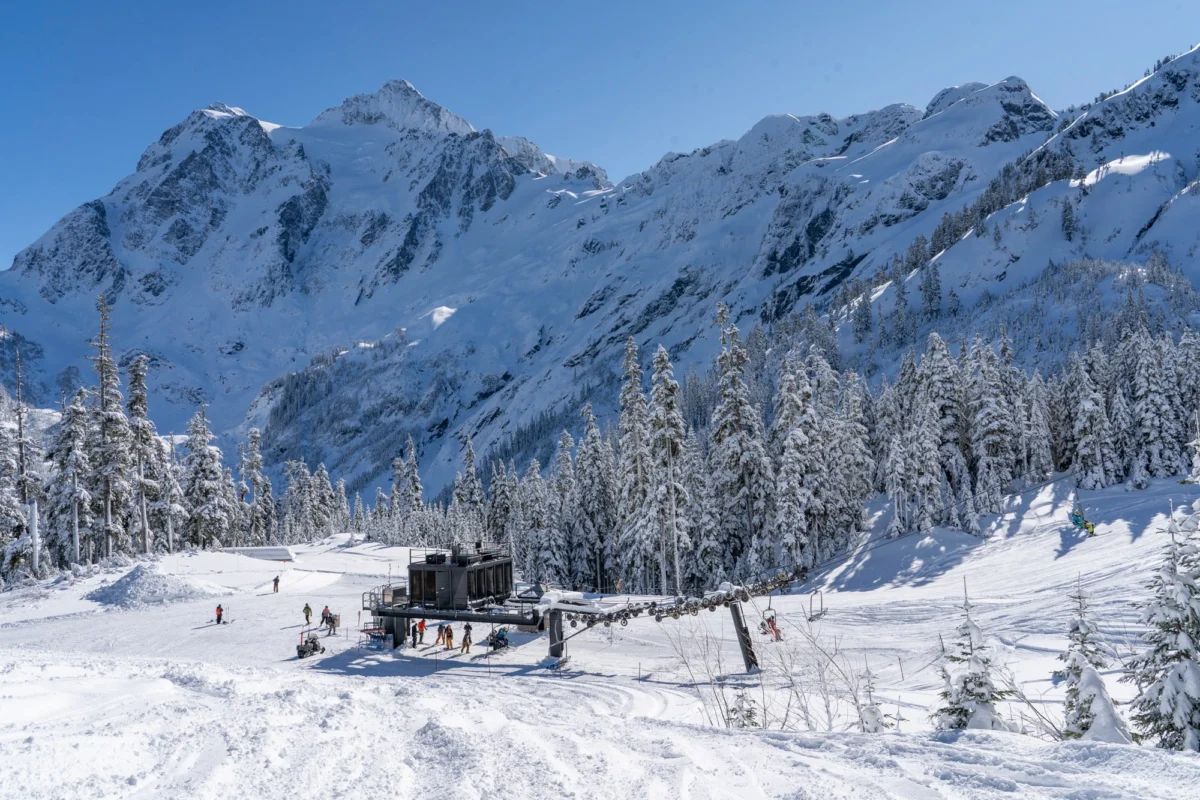
In an era defined by the rapid consolidation of the ski industry—where massive conglomerates swallow independent hills, replace lift tickets with smartphone apps, and curate the "resort experience" with high-end boutiques and gourmet dining—one destination in Washington State stands in defiant, snowy silence. Mt. Baker Ski Area is not just a place to ski; it is an act of resistance. Tucked deep within the rugged expanse of the Mount Baker-Snoqualmie National Forest, it remains a rare anomaly: a world-class destination that has stubbornly refused to modernize, monetize, or market itself into the mainstream.
The Geography of Solitude: Main Facts
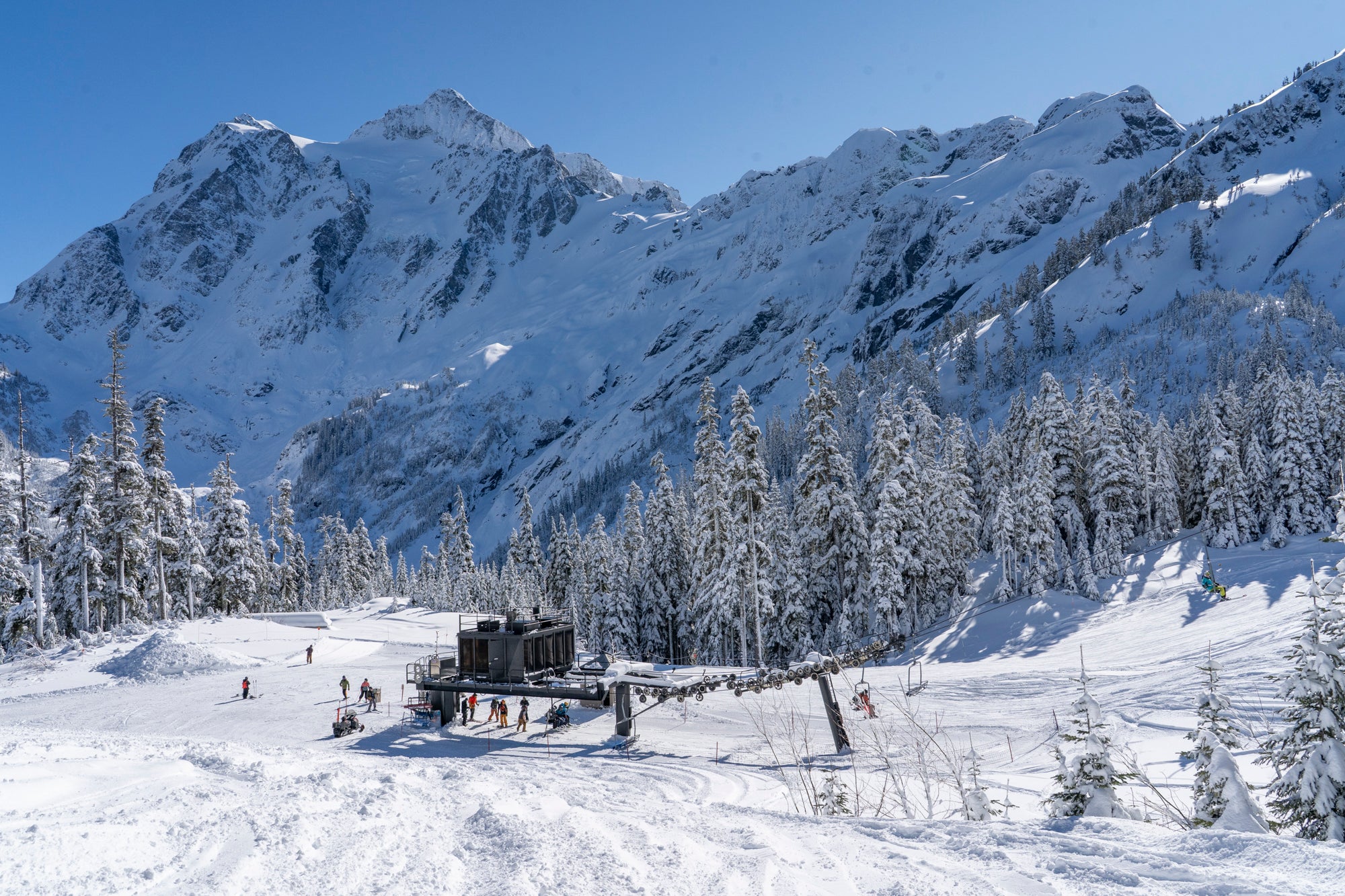
Mt. Baker Ski Area is literally and figuratively "off the grid." Geographically, it sits at the end of a long, winding 90-minute drive from Bellingham, Washington, perched between a glaciated massif and an active, ice-clad stratovolcano. There are no luxury condos at the base, no valet parking, and no high-speed, six-passenger bubbles whisking guests to the summit.
The infrastructure is functional and sparse. Because the area is located far from the regional electrical grid, the ski area operates as its own utility provider, generating its own power, sourcing its own water, and managing its own waste treatment facilities. It is a self-sustaining ecosystem that prioritizes the mountain’s health over the convenience of the modern skier.
Culturally, Baker is equally isolated. While its counterparts in Colorado or Utah compete for the attention of the "mega-pass" demographic, Mt. Baker remains a local’s sanctuary. It does not advertise, it does not participate in corporate pass programs, and it does not utilize dynamic, online-only pricing. If you want to ski at Baker, you arrive at the ticket window on the day of your visit, pay your fare, and receive a classic wire-wicket ticket to pin to your jacket. It is a deliberate, tactile, and unapologetic return to the 20th-century roots of the sport.
A Legacy of Independence: A Chronology
The history of Mt. Baker is a narrative of familial stewardship. Since 1953, the ski area has been owned and operated by local families, a rarity in an industry currently dominated by private equity firms and public corporations.
- 1953: The transition to local family ownership begins, setting a precedent for a grassroots, non-corporate approach to resort management that persists to this day.
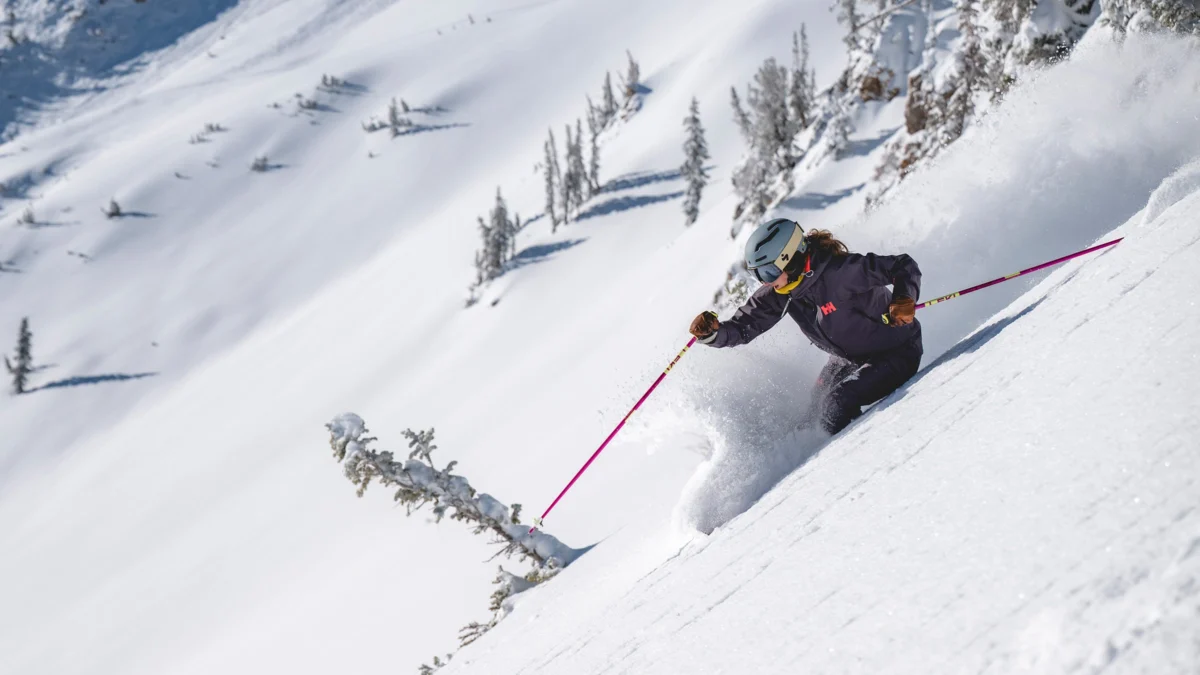
- 1998-1999: The mountain secures its place in international lore by recording a staggering 1,140 inches of snowfall—the current world record for a single season. This cemented Baker’s reputation not as a "resort" with amenities, but as a "ski area" for those who prioritize pure, deep, and untracked powder.
- The Modern Era (2010s–2026): While other resorts invested in snowmaking, real estate development, and digital integration, Baker doubled down on its identity. Even as cell service was eventually introduced, the "vibe" remained rooted in the parking lot culture, where the true après-ski happens—not in a heated lounge with $20 cocktails, but around tailgates with local friends and fellow enthusiasts.
The Math of the Mountain: Supporting Data
To understand why skiers brave the two-lane, mountainous roads to reach Baker, one only needs to look at the meteorological data. Mt. Baker receives, on average, double the snowfall of most major North American resorts. A typical season brings 688 inches of natural precipitation.
Unlike resorts that rely on advanced snowmaking infrastructure to compensate for thinning winters, Baker relies exclusively on the sky. Its proximity to the Pacific Ocean—just 30 miles as the crow flies—ensures that the moisture hitting the peaks is dense, heavy, and consistent. This provides the legendary "Sierra cement" and deep, reliable bases that last well into the spring.
The operational cost-benefit ratio at Baker is also distinct. Because there is no heavy investment in resort-style amenities (pedicures, high-end retail, or upscale lodging), the overhead is focused strictly on lift maintenance and snow safety. This allows the mountain to maintain a unique "break-even" appeal for the dedicated skier. There is no "resort fee" tacked onto your experience; you are paying for the access to the mountain, the chairlifts, and the world-class terrain.
The Philosophy of the Lift: Official Responses
Former CEO Gwyn Howat has long been the primary voice for the mountain’s philosophy, articulating a vision that stands in stark contrast to the modern industry standard.
"We’re not a ski resort. We’re a ski area," Howat has noted in interviews. "We don’t sell purses or shoes, and you can’t get a pedicure or manicure here."
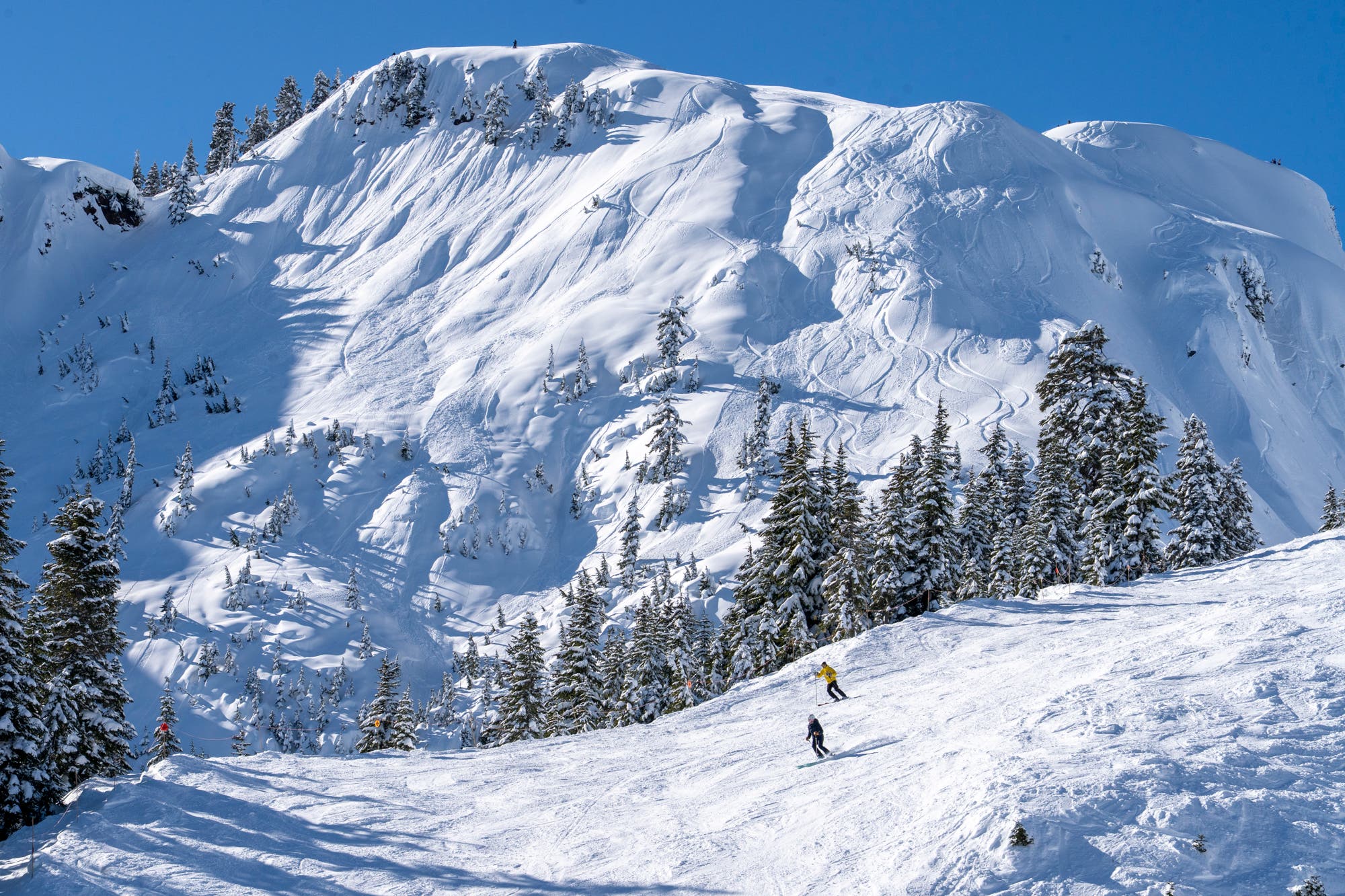
This sentiment is echoed by the mountain’s management strategy. The goal is not to maximize the number of unique visitors or to increase the "average revenue per user." Instead, the focus is on preserving the integrity of the terrain and the experience for the "lifer"—the skier who is there to ride, not to be seen. Howat often points to the geology of the region as the primary draw: "The scenery and the ruggedness of the mountains that surround us and the variety of the geology are very interesting. From volcanoes to uplifted rugged mountains—and that lends itself to intense terrain."
This is not a mountain for the faint of heart or those seeking a pampered holiday. It is a place for those who "ski to live, and live to ski."
The Implications of "Not Changing"
The decision to maintain a 1950s operational model in a 2026 world has profound implications for the sport.
The Barrier to Entry
By refusing to modernize, Baker inherently limits its audience. The casual skier, accustomed to mobile apps, RFID gates, and groomed-to-perfection slopes, may find the experience jarring. There are no TVs in the lodges. The chairlifts move at a pace that allows for actual conversation rather than a frantic race to the next run. The gear you see in the lift line is often held together by duct tape rather than purchased from a high-end, seasonal catalog.
The Preservation of Soul
However, the implication of this "stagnation" is the preservation of the sport’s soul. In the industry’s rush toward efficiency, something was lost: the feeling of being in the mountains. At Baker, the lack of grooming and artificial snow means the skier must adapt to the conditions. One day, the terrain might be soft and deep; the next, it might be challenging and raw. This is the essence of skiing, and it is a sensation that is increasingly rare in the age of managed, "resort-ified" slopes.
The Future of Independence
Mt. Baker represents a roadmap for other independent areas. It proves that a business does not need to sell its soul to a mega-pass to survive. By keeping the community at the center of its operations, managing its own resources, and remaining transparent about its status as a "ski area" rather than a "vacation destination," it has created a loyal, multi-generational following that is arguably more stable than the customer base of any corporate-owned resort.
Conclusion: A Mythical Destination
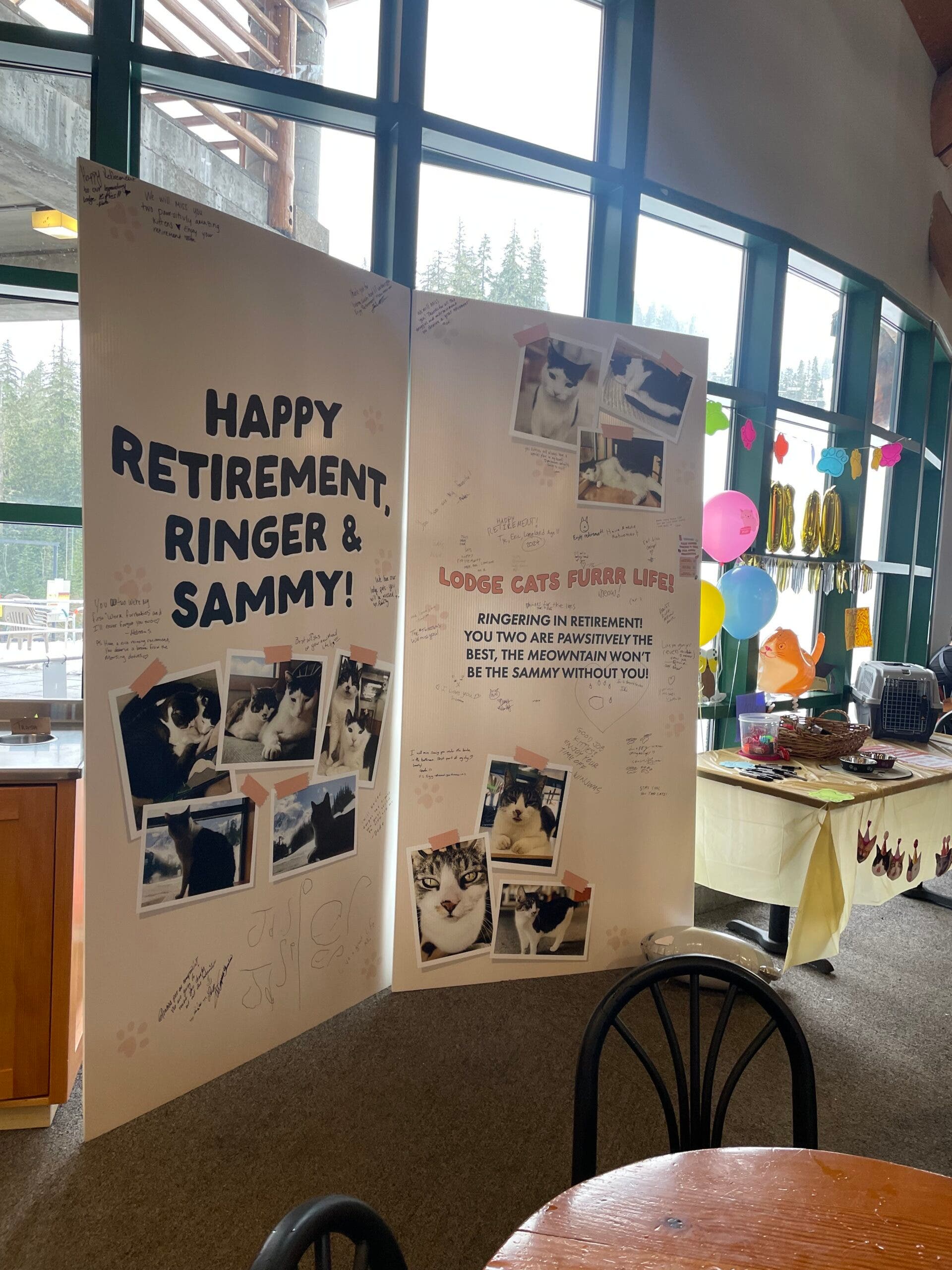
Arriving at Mt. Baker today feels like entering a time capsule. The resident lodge cats, the van-lifers camped out in the parking lot, and the absolute silence of the surrounding national forest serve as a reminder that skiing was once a simpler, more rugged pursuit.
While the rest of the industry races toward a future of virtual queues and artificial experiences, Mt. Baker waits for those who want something else. It offers no excuses for its old-school ways, and it offers no apologies for the lack of luxury. For the skier who is tired of the noise, the crowds, and the commercialization of the mountains, Mt. Baker is more than a destination—it is a sanctuary. It remains, firmly and proudly, a place where the focus is not on the resort, but on the snow, the mountain, and the act of skiing itself.

 Iffa Jayyana
 Azzam Bilal Chamdy
 Neng Nana
 Nana Wu
 Lina Hope

 Sagoh
Sagoh