
 Dwi Wanna
Published: November 25, 2026
Author: Senior Mountain Editor
Every expert skier knows the distinct, stomach-churning sensation: you are standing at the top of a run, tips pointing downhill, looking over an entrance that suddenly appears infinitely steeper than it did from the safety of the chairlift below. Maybe there is a wind-scoured cornice to negotiate, a narrow, rock-lined chute to squeeze through, or a gaping cliff band that requires an absolute leap of faith. The remainder of the run beyond the initial drop might feature a gentle slope, for all you know, but successfully navigating the threshold is the primary beta test of the day.
Whatever the specific topographical obstacle, certain ski runs are profoundly intimidating before a single turn is even made. From legendary big-mountain lines to tight, technical New England trees, 10 specific North American drop-ins are guaranteed to elevate the heart rate of even the most seasoned mountaineers. Consider them inspiration for the winter season ahead—or a humbling reminder that sometimes, there is zero shame in admiring the view from the safety of the deck.
(Editor’s Note: Snowpack conditions, weather, and depth drastically alter the skiability of the following runs. Always check daily trail statuses, consult with local ski patrols, and heed all warning signs before attempting any extreme terrain.)
Main Facts: Anatomy of an Extreme Ski Entrance
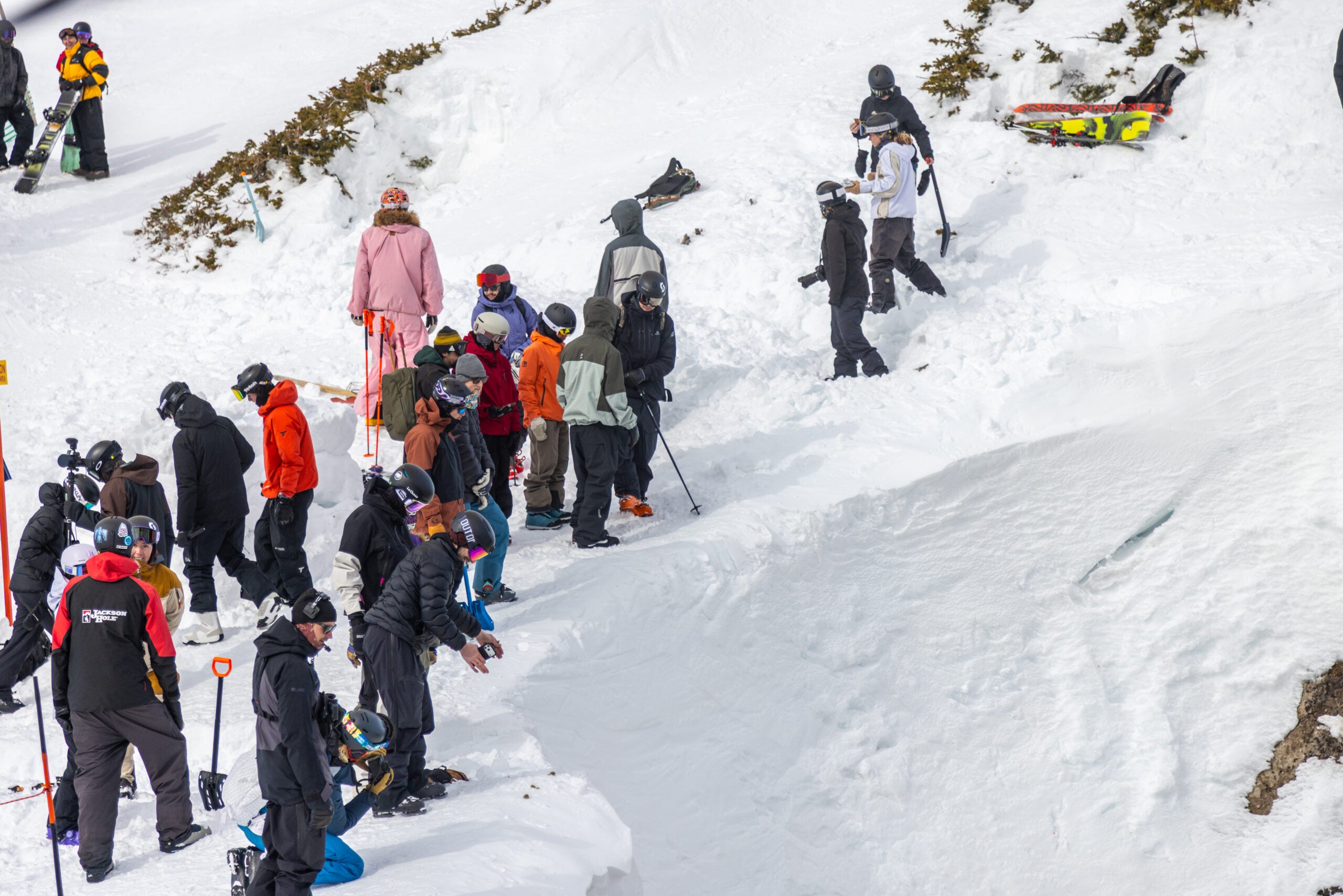
The psychological barrier of a ski run entrance—often called the "beta moment"—is governed by three primary variables: visibility, gradient, and consequence. When a skier peers over a cornice or into a narrow slot, they are processing immediate biomechanical data:
- The Commitment Factor: Once a skier crosses the threshold of a mandatory air or tight chute, backing out is physically impossible. Gravity takes immediate control.
- Variable Snowpacks: Entrances are notoriously wind-affected. A soft, welcoming powder pillow in January can transform into bulletproof blue ice by March.
- The Spectator Effect: Many of North America’s scariest drop-ins are situated directly beneath high-traffic lifts, turning an already stressful maneuver into a public performance.
Chronology: The Evolution of Extreme Skiing and Boundary-Pushing Drop-Ins
To understand why these 10 entrances carry such cultural and technical weight, it helps to examine how extreme resort skiing evolved over the decades:
- The 1960s–1970s (The Frontier Era): Resorts like Jackson Hole and Mad River Glen established early benchmarks for unpaved, natural terrain. Entrances were largely navigated by local pioneers who relied on wooden skis and leather boots, treating natural cliffs as hazards to be avoided rather than features to be jumped.
- The 1980s–1990s (The Modern Extreme Movement): The advent of shaped skis and specialized extreme skiing films (such as those by Warren Miller and Greg Stump) transformed legendary entrances like Corbet’s Couloir from local secrets into international bucket-list objectives. Skiers began actively seeking out airtime and technical couloirs.
- The 2000s–Present (Standardization and Safety): Modern ski patrols, advanced avalanche forecasting, and rigorous beacon-check protocols have opened up previously restricted sidecountry and extreme zones. Today, resorts manage these high-risk areas systematically, while athletes utilize advanced airbag technology and helmet cams to document their descents.
Supporting Data: The 10 Scariest Run Entrances in North America
1. Corbet’s Couloir — Jackson Hole Mountain Resort, Wyoming
It is nearly impossible to compile a list of terrifying entrances without beginning with Corbet’s. Perhaps the most famous and heavily photographed ski entrance on the continent, this Jackson Hole icon requires skiers to negotiate a sheer, rocky cornice before dropping 10 to 20 feet into a vertical, narrow funnel.
- The Challenge: Depending on recent storms, the landing can be soft powder or unforgiving hardpack. Furthermore, a permanent crowd almost always gathers on the deck above to watch the action, creating immense psychological pressure. An annual Invitational event celebrates just how stylish—or catastrophic—competitors can be here.
2. S&S Couloir — Jackson Hole Mountain Resort, Wyoming
Think Corbet’s is demanding? Meet its significantly more aggressive neighbor. Located just skier’s left of Corbet’s, the S&S Couloir features a mandatory cliff drop of up to 25 feet, followed immediately by a cramped landing zone and an ultra-narrow chute.
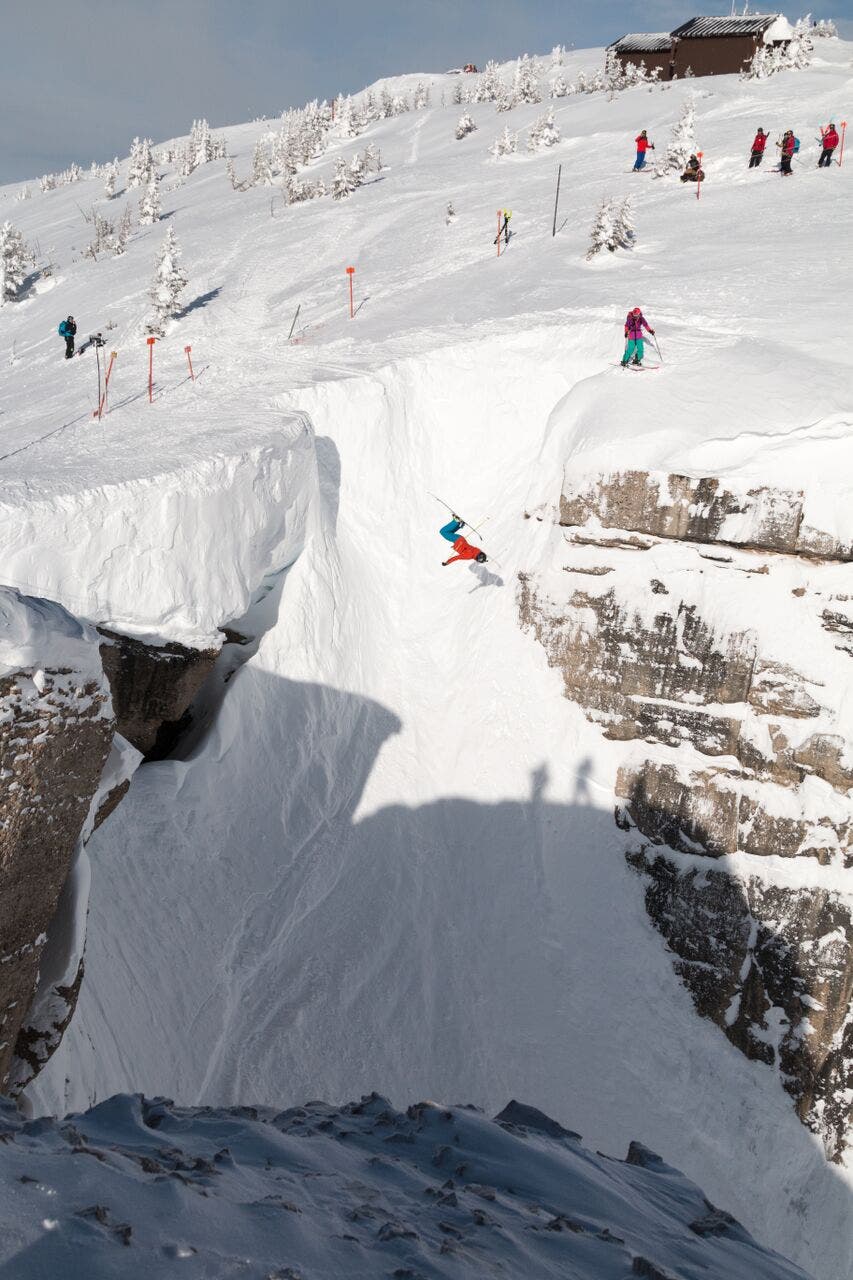
- The Challenge: Skiers must execute precise midair adjustments to line up their trajectory, leaving zero margin for error. This line is strictly reserved for expert big-mountain specialists.
3. Big Couloir — Big Sky Resort, Montana
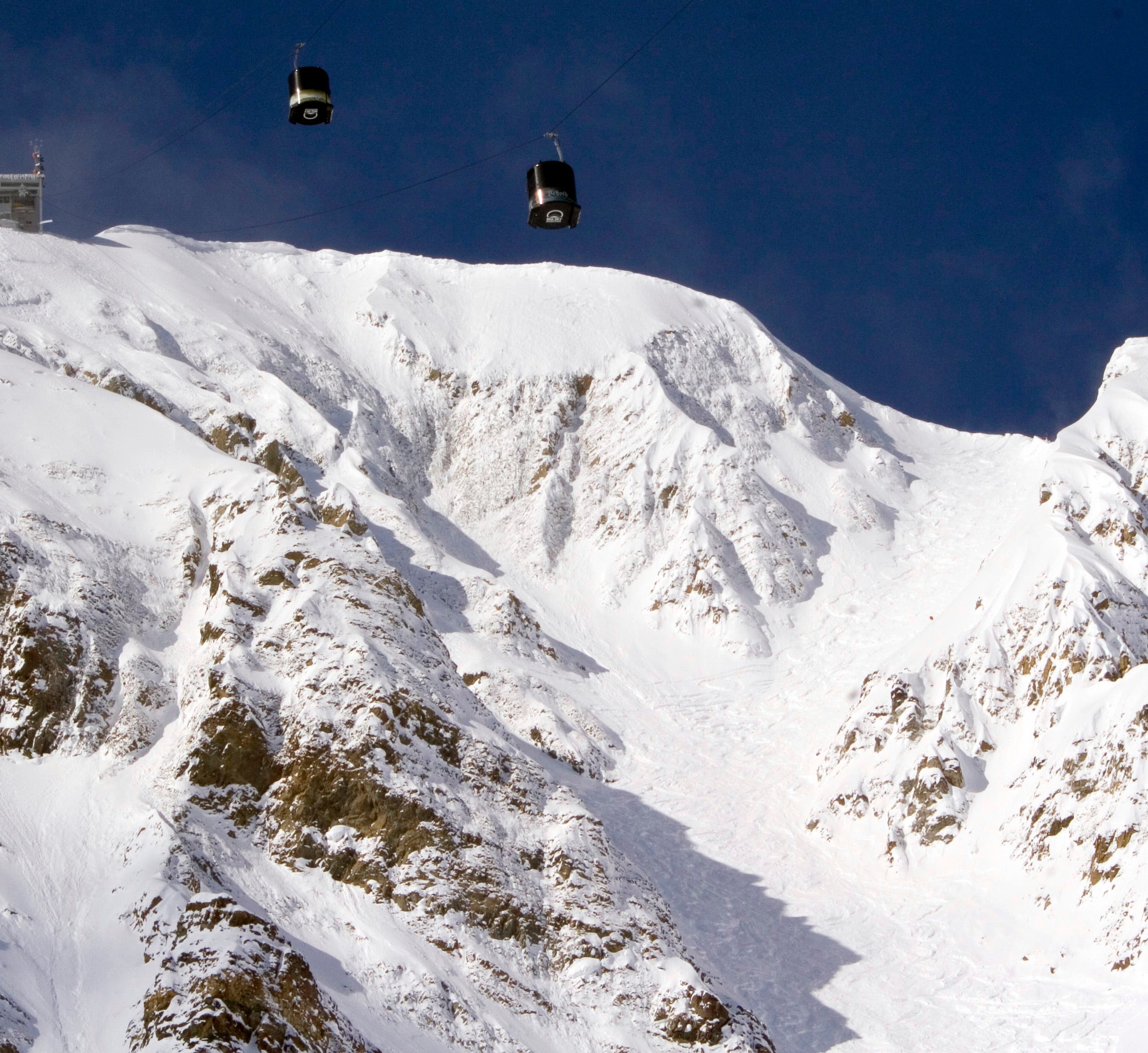
The name does not exaggerate the reality. Big Sky’s legendary Big Couloir starts with an exposed, rocky entrance that often involves down-climbing or dropping through a wind-loaded cornice.
- The Challenge: With sustained pitches approaching 50 degrees and a 1,400-foot vertical descent below, it requires absolute dedication from the first turn. Access is heavily regulated by ski patrol, and participants are required to check in at the patrol gate while carrying complete avalanche safety gear (beacon, probe, shovel).
4. Christmas Chute — Alyeska Resort, Alaska
Alaska’s maritime snowpack produces massive alpine features, and Christmas Chute is a prime example of untamed northern terrain.
- The Challenge: The entrance funnels skiers between towering, imposing rock walls before opening up into a sustained, steep chute. The line averages roughly 45 degrees over a 1,500-vertical-foot drop, offering a genuinely humbling Alaskan experience where natural hazards are very real.
5. The Coffin — Whistler Blackcomb, British Columbia
Even the moniker is enough to make a rational skier pause. The Coffin is a notorious, rock-walled slot located high in Whistler’s alpine zone.
- The Challenge: Skiers must squeeze through a claustrophobic opening before dropping into the steep pitch below. Highly visible from the Peak Chair—though notably absent from official trail maps—it acts as a magnet for spectators, ensuring that any hesitation is witnessed by the masses.
6. McConkey’s — Palisades Tahoe, California
Palisades Tahoe (formerly Squaw Valley) is famous for its rocky, cliff-laden topography, but McConkey’s remains a definitive test of nerve off the legendary KT-22 chairlift.
- The Challenge: Named in honor of the late, great ski pioneer Shane McConkey, this steep, rocky feature demands instant commitment at the threshold. With severe exposure and technical rock obstacles right out of the gate, even accomplished locals will frequently stop, survey the line, and deliberate before dropping in.
7. Lobotomy — Crystal Mountain, Washington
Not every terrifying entrance involves a massive vertical cliff or mandatory airtime; sometimes, the psychological hurdle is purely visual.
- The Challenge: Located off the Silver King peak in Crystal’s sidecounty zone, Lobotomy is defined by a blind entrance and consequential no-fall terrain. Skiers cannot simply peer over the edge to map out every upcoming turn. It presents a unique mental challenge that earns it a spot among the continent’s elite testpieces. (Note: This is hike-to terrain requiring full backcountry gear).
8. Pipeline Couloir — Snowbird Resort, Utah
Utah’s Little Cottonwood Canyon is globally renowned for steep snow, and Pipeline Couloir stands as one of Snowbird’s crown jewels of intimidation.
- The Challenge: Reaching the run requires an arduous hike along the ridge. However, the true test begins at the threshold: a technical, rocky drop-in that demands precise edge control before the couloir even begins to open up.
9. Discipline — Revelstoke Mountain Resort, British Columbia
Revelstoke is a haven for skiers seeking deep powder and steep pitches, and its aptly named run, Discipline, lives up to its moniker.
- The Challenge: Featuring a highly technical, rock-strewn entrance that frequently accumulates a heavy cornice, this line demands absolute precision and mental composure from the very first second.
10. Paradise — Mad River Glen, Vermont
Proving that the East Coast can match western terrain in sheer technical difficulty, Vermont’s Mad River Glen offers an entirely different flavor of terror.
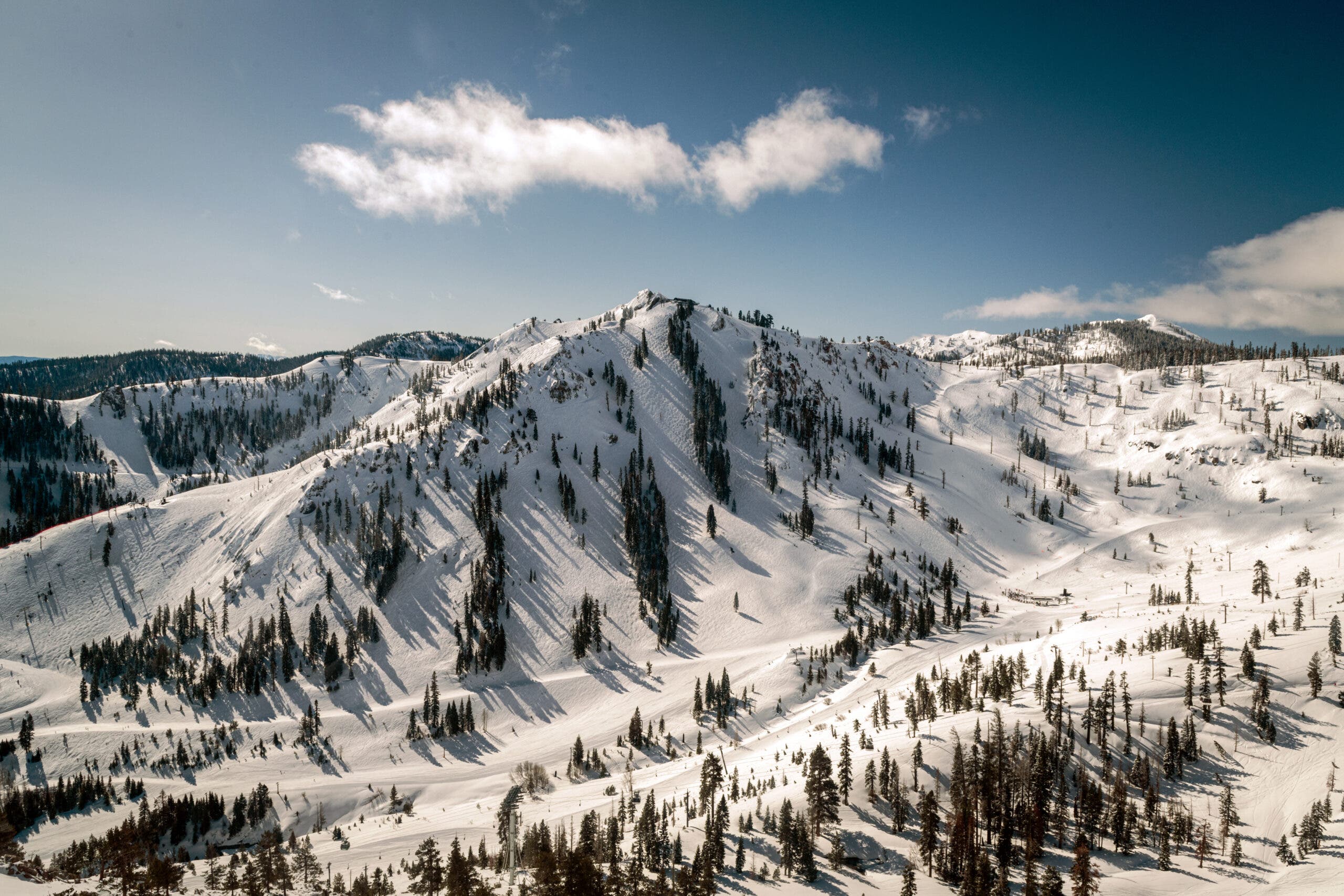
- The Challenge: Paradise is an all-natural, un-groomed trail that starts with a steep, narrow drop-in before plunging straight into a minefield of tight trees, frozen moguls, and exposed New England ledges. There is no wide-open runway here; the entrance sets an unforgiving tone for the rest of the descent.
Official Responses and Industry Perspectives
Mountain safety teams and resort operators maintain a unified stance regarding these extreme zones. According to regional ski patrol directors, the rise of wide-release helmet cameras and social media has unfortunately encouraged some intermediate skiers to tackle extreme entrances beyond their current ability level.
"We see a spike in search-and-rescue incidents whenever a video of a famous line goes viral," notes a veteran patrol supervisor from the Pacific Northwest. "Our primary message to guests is simple: The mountain will still be here tomorrow. Assess your physical fatigue, respect the changing snow conditions, and remember that walking back up or side-slipping out of an entrance is always a valid, smart choice."
Implications: The Future of Extreme Ski Tourism
As ski resort visitation reaches record highs across North America, the management of extreme terrain is shifting. Resorts are increasingly balancing the demands of thrill-seeking athletes with public safety liabilities.
- Stricter Access Protocols: More resorts are implementing mandatory safety check-ins, requiring avalanche transceivers, and closing unmanaged gates during periods of unstable snowpack.
- Education over Restriction: Rather than locking down legendary terrain entirely, resorts and outdoor brands are heavily investing in educational campaigns regarding "no-fall zones" and risk management.
Ultimately, these 10 terrifying entrances serve as more than just bragging rights for professional athletes. They represent the raw, untamed essence of big-mountain skiing—a delicate balance of respect, fear, and human achievement against the backdrop of North America’s most majestic winter landscapes.


 Layla Zulfa

 Suro Senen

 Neng Nana

 Raul Delapena Setiawan

 Lina Hope

 Muslim