
 Dwi Wanna
By the Editorial Desk
Updated November 20, 2026
There is an intrinsic, almost spiritual geometry to the classic ski turn. It is defined by the crisp bite of an edge into frozen moisture, the rush of cold alpine air, the conscious push to improve one’s physical mechanics, and the deep, communal camaraderie of mountain culture. Yet, for decades, the modern ski experience has been aggressively overshadowed by a trinity of modern deterrents: exorbitant costs, suffocating crowds, and relentless logistical friction.
Try finding your flow state on a bluebird Saturday in February when a bottlenecks of intermediates chokes a vital cat-track. Try enjoying the serenity of the peaks when a weekend trip leaves you financially overextended due to peak-season pricing on lodging, lift tickets, and slopeside dining. For many recreational snow-seekers, the traditional peak-season model has turned what should be a restorative escape into an exercise in patience and fiscal endurance.
The solution has been hiding in plain sight all along: early-season skiing. While the masses wait for the heavy snowstorms of January and the festive celebrations of President’s Day, November and early December offer a quiet, highly economical window for those willing to trade bottomless powder for open space, pristine solitude, and rock-bottom prices.
Main Facts: The Anatomy of the Early Season
To understand the early-season value proposition, one must first confront the realities on the mountain. Early-season skiing—typically spanning from late October through mid-December—is defined by limited terrain, artificial or shallow natural snowpacks, and a reliance on aggressive snowmaking operations.
Yet, this period represents a stark departure from the peak-season chaos. While casual travelers rarely book destination ski trips before the winter solstice, and even dedicated local skiers often write off the months before Christmas due to unenthusiastic terrain conditions, early adopters find a completely different mountain experience.
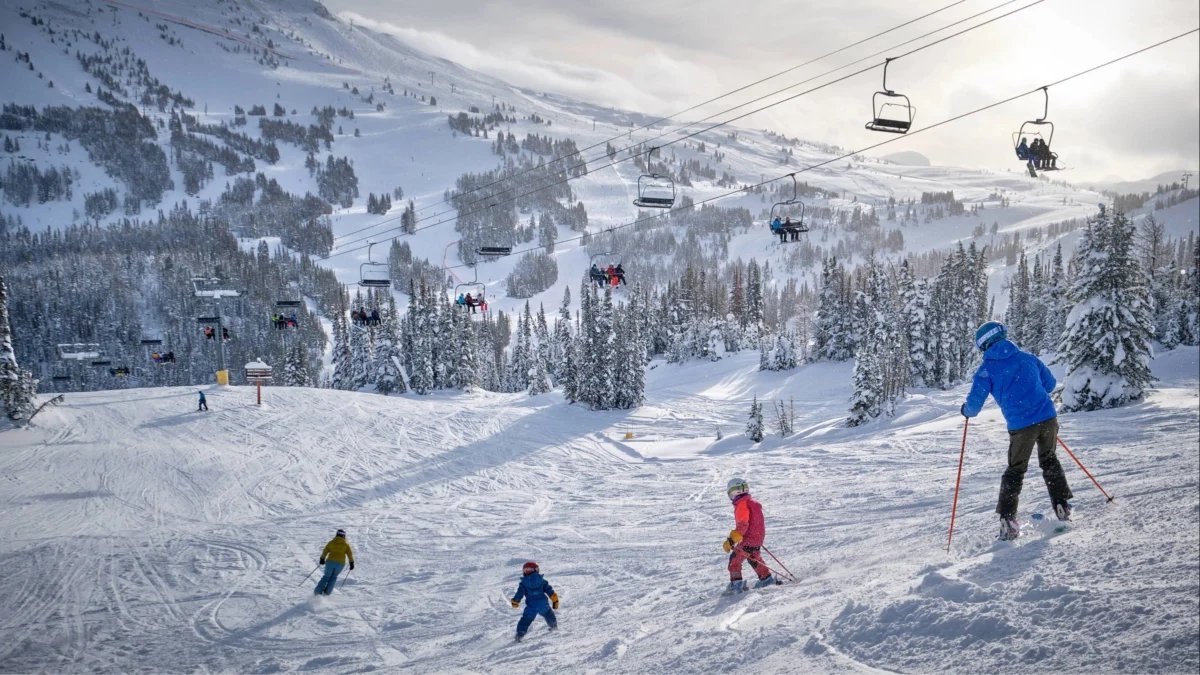
Rather than dodging erratic crowds, navigating packed rental shops, or waiting an hour for a table at the base lodge, early-season visitors encounter wide-open trails, negligible lift lines, and a uniquely energized community of resort staff and die-hard locals who are simply thrilled to have the season underway. Far from a compromised experience, November and December skiing offers an alternate, highly efficient way to consume the sport we love.
Chronology: From Opening Day Fanfare to the Quiet Weeks Before the Rush
The winter sports calendar follows a predictable, high-amplitude rhythm that dictates resort operations, pricing shifts, and crowd dynamics:
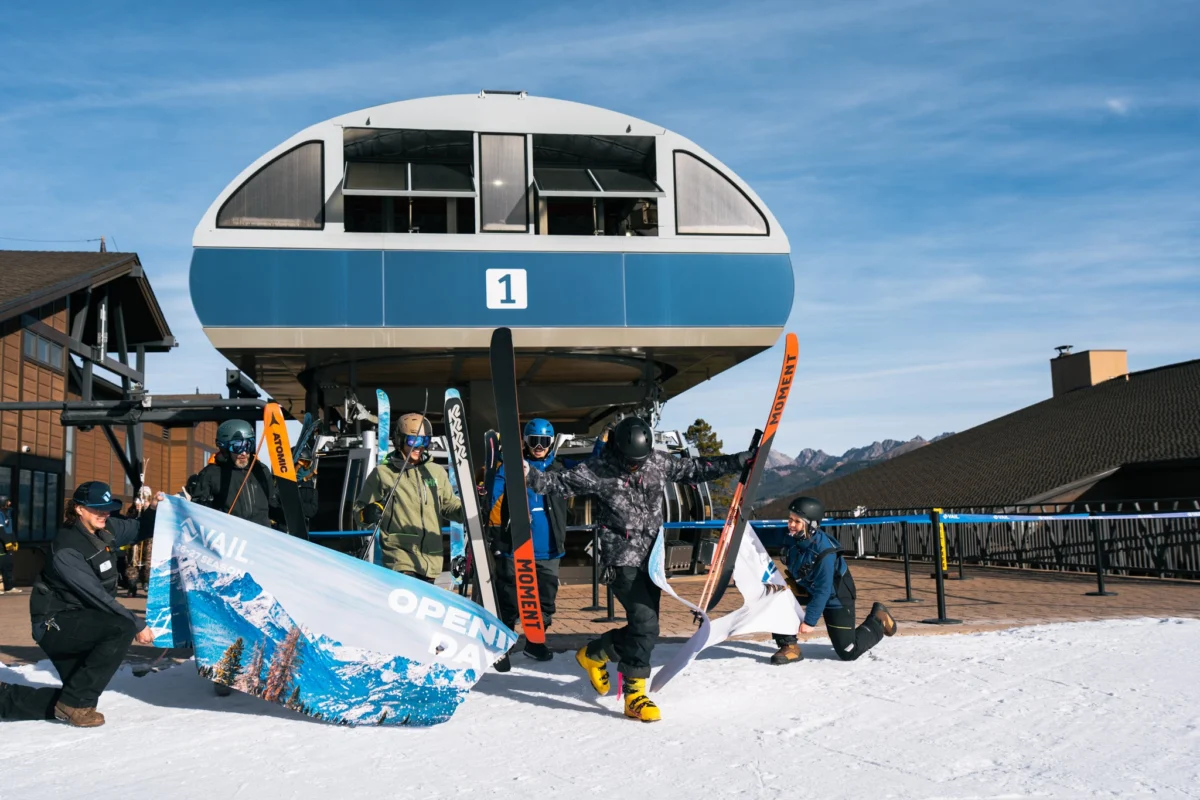
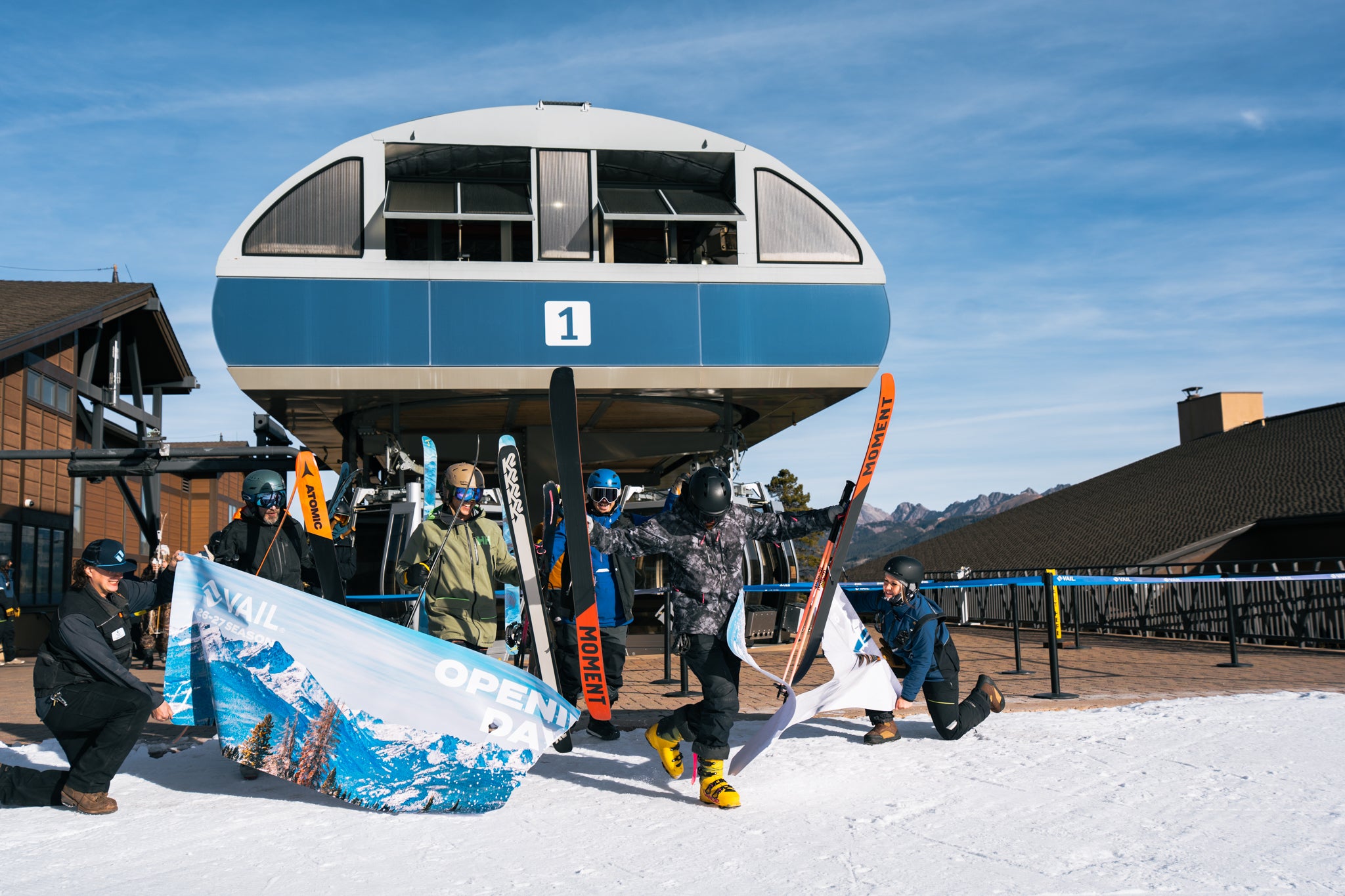
- Late October to Early November: The first resorts in North America—such as Arapahoe Basin and Loveland in Colorado, or Sunday River in Maine—fire up their snow guns and race to claim the title of "first to open." Opening day brings immense fanfare, celebratory banners, and high-energy crowds eager for their first sliding sensations of the year.
- Mid-to-Late November: The initial opening-day hype quickly dissipates. During the weeks surrounding Thanksgiving, resorts typically experience a brief holiday spike, followed by a lull where visitor numbers drop precipitously. This is the sweet spot for savvy locals and flexible travelers.
- Early December: As resorts gradually expand their trail counts—transitioning from narrow ribbons of white on lower-mountain runs to mid-mountain cruising zones—destination travelers remain largely absent. Prices for lodging and airfare hover near their seasonal lows.
- Mid-December: The quiet window slams shut roughly a week before Christmas. As holiday vacationers descend upon the high country, prices double or triple, lift lines swell, and the high-stress peak season officially commences.
Supporting Data: The Economics of the Shoulder Season
The financial argument for early-season skiing is not merely marginal; it is staggering. When analyzed against peak-winter benchmarks, traveling in November or early December can slash trip budgets by 50 to 70 percent.
Consider the economic divide at premier North American destinations:
- Lift Ticket Variance: At Jackson Hole Mountain Resort, a peak-season day pass during the Christmas and New Year holiday window can climb as high as $340. Contrast that with an early December visit, when a lift ticket drops dramatically to approximately $85—representing a 75 percent savings for the exact same mountain infrastructure.
- Lodging Discrepancies: Accommodation costs exhibit an even wider chasm. At ultra-luxe properties like Hotel Terra Jackson Hole, a slopeside room can fluctuate by as much as $600 a night depending entirely on whether the reservation falls in early December versus the peak holiday crush or late-winter weeks like Presidents’ Day and Spring Break.
- Service and Infrastructure Bottlenecks: Beyond direct financial savings, time is money. In the peak season, bottlenecks at rental shops, ski school registration desks, and mountain cafeterias diminish the actual hours spent on snow. Early-season visits feature zero wait times for gear fittings, personalized attention from instructors, and immediate seating at normally hyper-competitive on-mountain dining venues.
Official Responses: Resort Perspectives and Industry Adaptation
Major resort conglomerates, such as Vail Resorts, Alterra Mountain Company, and independent giants alike, have increasingly leaned into early-season operations, viewing robust snowmaking investments as critical to balancing annual revenues.
Resort operators emphasize that early-season skiing is not designed to replicate a powder day in February, but rather to serve as a vital operational bridge. "Our snowmaking teams work around the clock in October and November to lay down a durable, deep base that protects the mountain’s core runs," notes a senior mountain operations manager at a major Colorado resort. "While terrain is initially restricted, the investment we make in technology ensures that skiers have a consistent, reliable surface to shake off the summer rust."
Furthermore, resort marketing departments have increasingly promoted early-season passes and lodging packages to distribute visitor volume more evenly across the calendar year. By incentivizing skiers to arrive before the winter solstice, resorts alleviate the severe environmental and logistical strain that single-week spikes like Christmas and Presidents’ Day place on local infrastructure, parking structures, and employee housing.
Implications: Changing the Definition of a Successful Ski Trip
Embracing the early season requires a fundamental shift in mindset. For decades, ski culture has conditioned consumers to equate a "good ski day" with waist-deep powder, bluebird skies, and access to extreme, high-alpine bowls.
Lower Pressure, Higher Technique
One of the most profound psychological benefits of early-season skiing is the near-total absence of ego. When the entire mountain is open and the snow is deep, the social pressure to "go big"—to drop cliffs, ski double-black diamond moguls, and match the speed of hyper-aggressive peers—is palpable. For intermediates, beginners, or those taking their first trip of the winter, this environment can be stressful and physically hazardous.
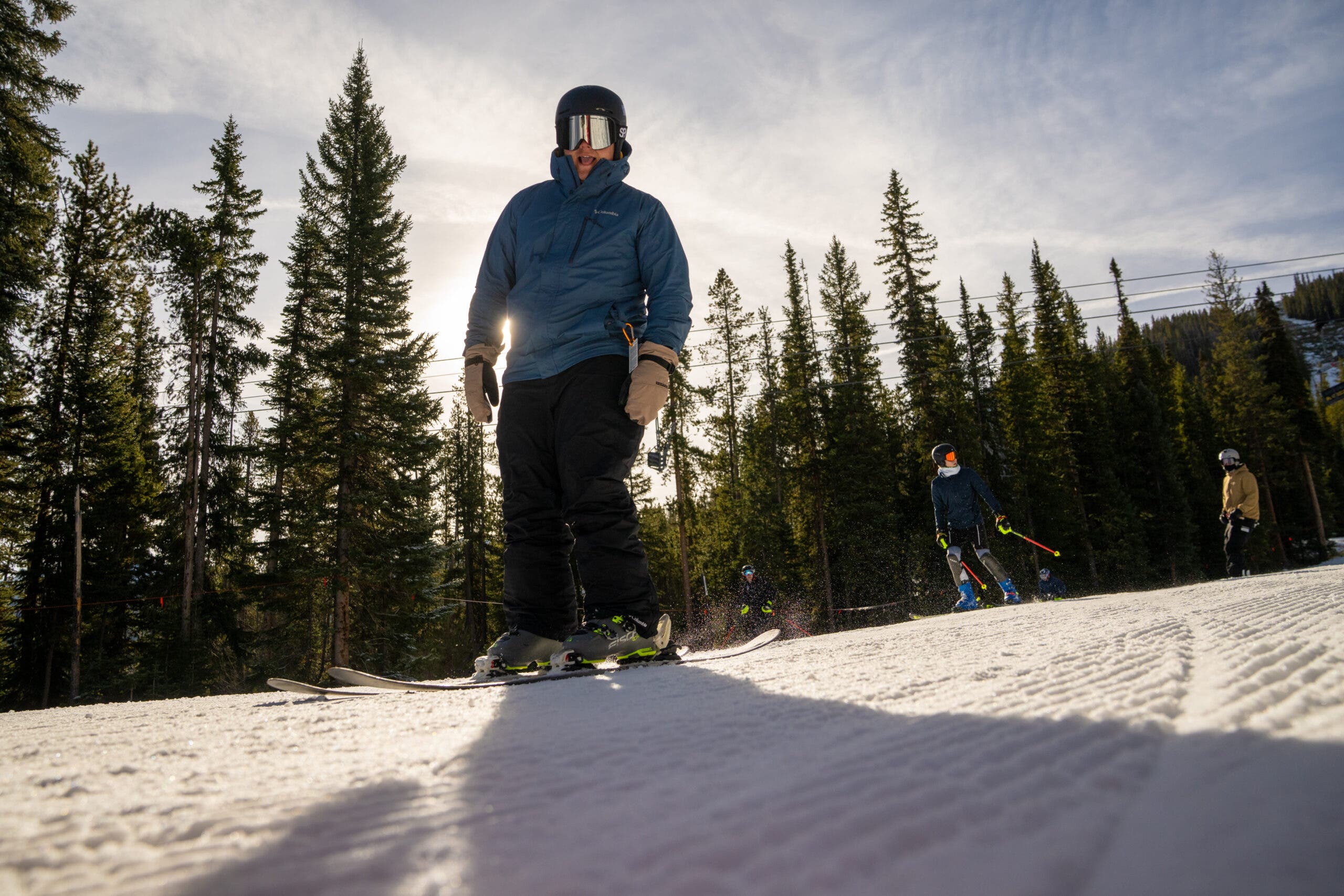
In contrast, early-season skiing is an exercise in humility and technical refinement. With terrain restricted primarily to groomed runs and man-made snow, skiers are forced to focus on the fundamentals: carving clean arcs, managing upper-body separation, and rebuilding the specific muscle groups required for alpine longevity. Without the distraction of powder stashes or steep drops, skiers can drop their guard, leave their egos in the parking lot, and focus entirely on mechanics.
The Snow Reality Check
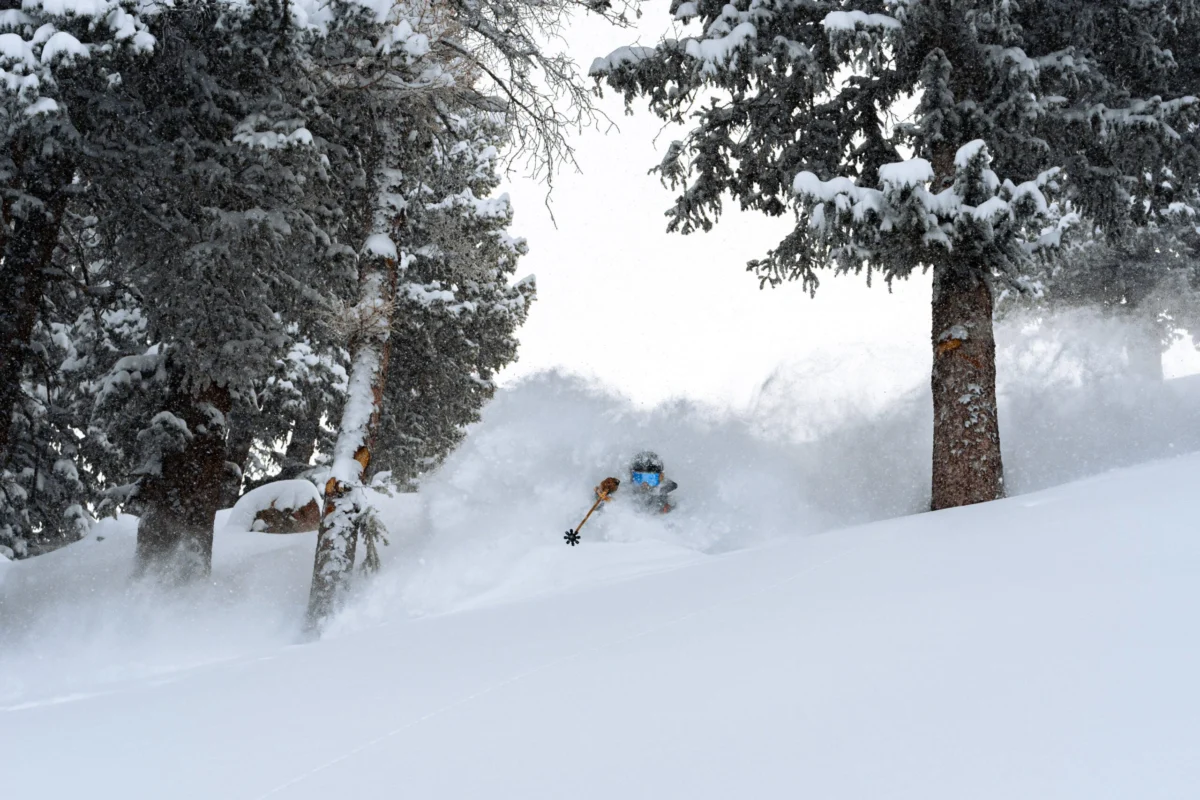
To enjoy November and December skiing without disappointment, expectations must be calibrated accurately. Natural accumulation is unreliable during these months, meaning off-piste adventures, tree skiing, and hike-to terrain are virtually non-existent. You will not find untracked powder, and you will frequently find yourself skiing on meticulously managed artificial snow.
However, if a skier is willing to redefine success—measuring a great day not by the depth of the snow, but by the absence of crowds, the quality of the turns on a freshly groomed corduroy cruiser, the affordability of the ticket, and the ease of grabbing a fireside drink with friends—the early season emerges as arguably the most rewarding window in the winter calendar.
Show up with realistic expectations, a willingness to work on your technique, and a healthy appreciation for value, and you will discover that the best-kept secret in skiing has been waiting in the cold months all along.

 Layla Zulfa
 Nana Wu

 Nana

 Ammar Sabilarrohman

 Asro

 Nila Kartika Wati