
 Neng Nana
November 2026
By Special Expedition Correspondent
Main Facts
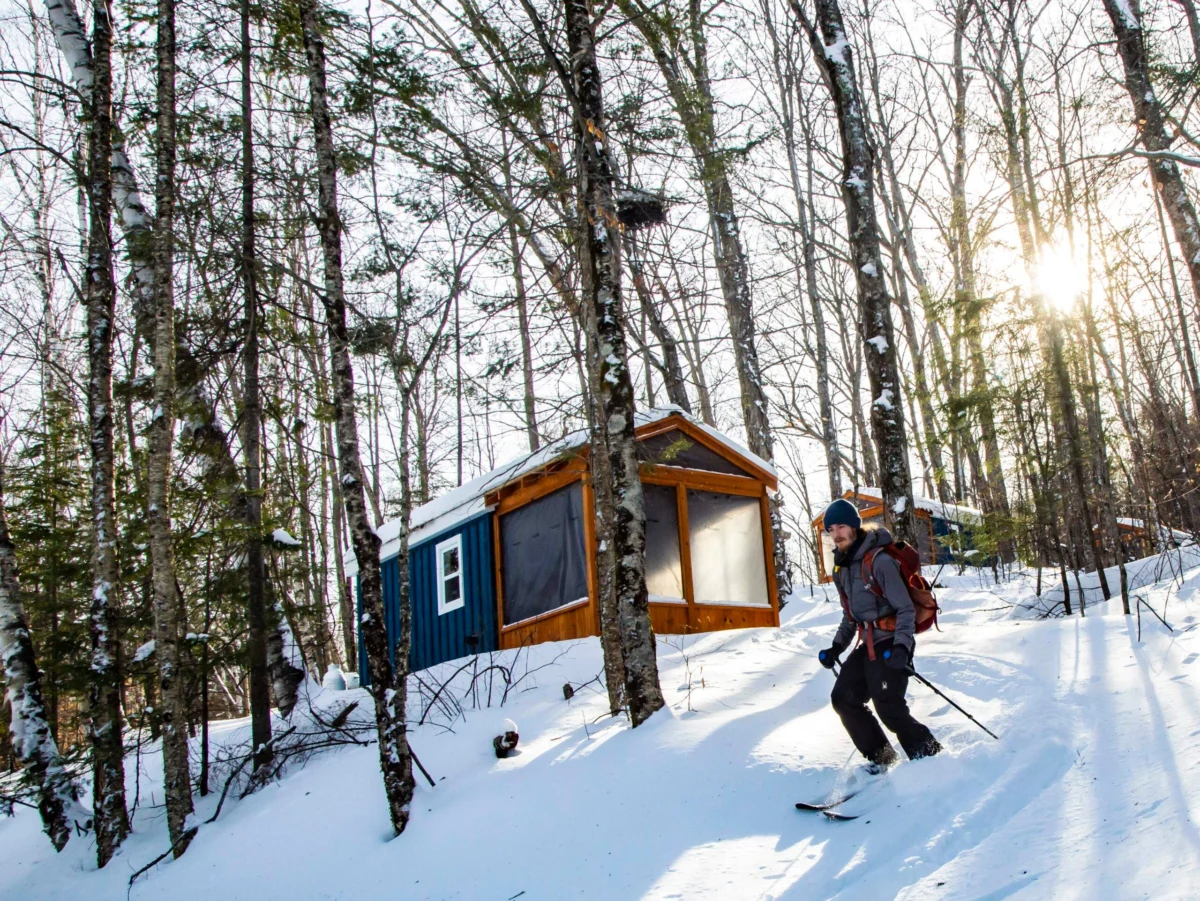
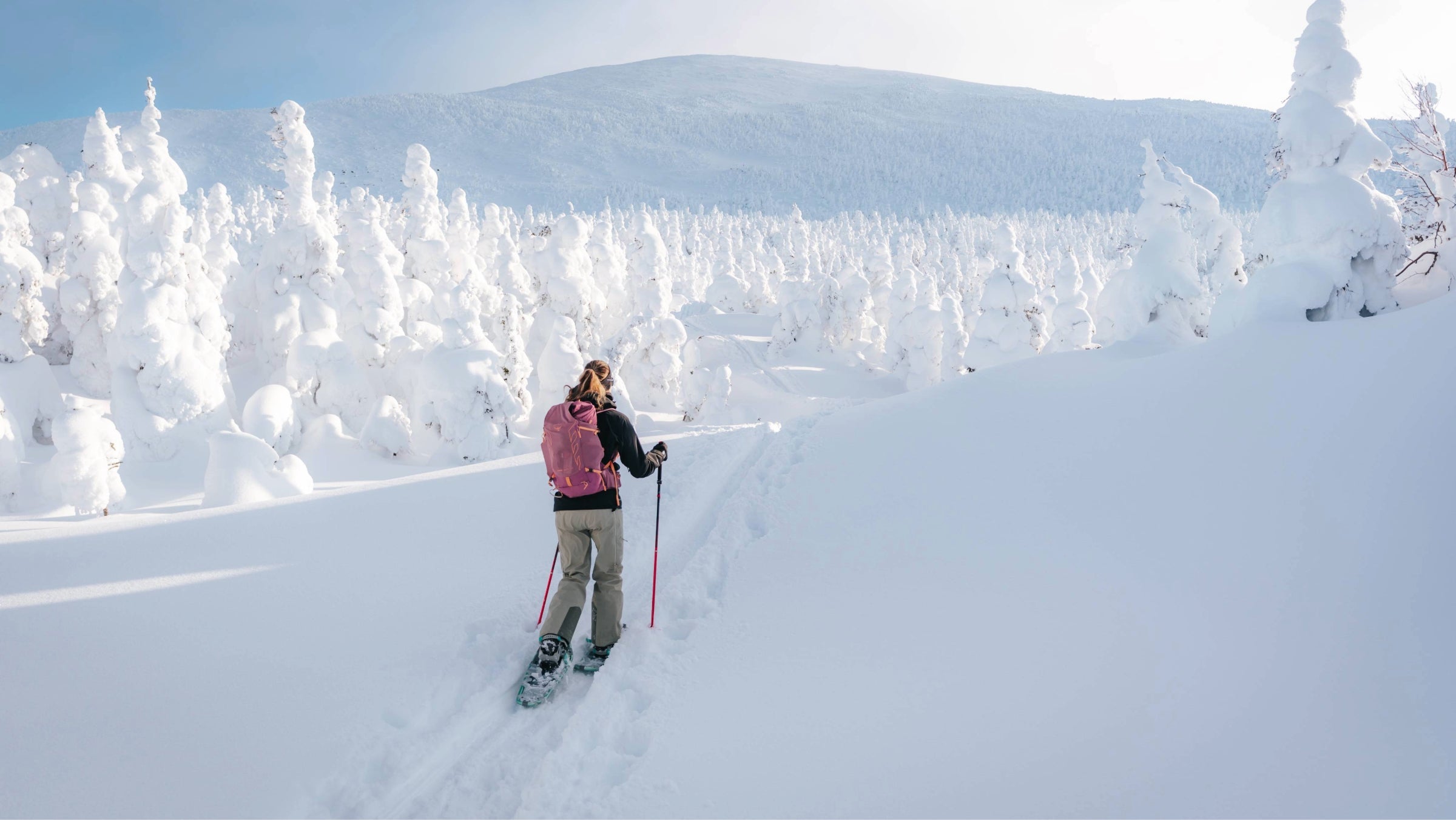
With more than 92 percent of its total landmass designated as public property, Québec stands as a colossus of uncultivated wilderness in northeastern North America. When winter arrives, millions of acres of dense forests, jagged mountain ranges, sprawling plateaus, and open alpine glades are buried beneath immense blankets of snow. This seasonal transformation converts the province into one of the most expansive and accessible cold-weather playgrounds on earth.
For outdoor enthusiasts, cross-country skiers, ski tourers, and mountaineers, Québec offers an extraordinary ecosystem of trails, backcountry zones, and remote shelters. The province’s official infrastructure includes 28 national parks, dozens of dedicated Nordic and cross-country ski centers, and a vast web of grassroots backcountry regions complete with detailed trail maps and designated tracks.
Unlike the heavily managed commercial ski resorts typical of southern New England or the western United States, many of Québec’s wild winter zones operate with minimal human intervention. While these grassroots areas lack mechanized avalanche mitigation, they provide exceptional physical access—featuring clearly marked trailheads, straightforward parking logistics, and reliable informational signage. They serve as a vital bridge between sidecountry convenience and true, self-reliant wilderness exploration.
To manage inherent risks, safety infrastructure is robust. Organizations like Aventure Écotourisme Québec oversee a rigorous Quality-Safety certification program, ensuring that commercial outfitters and local guides adhere to high standards of risk management, professional training, and guest services.
Chronology
To understand Québec’s modern winter trail network, one must look far beyond contemporary recreational development to a history spanning centuries of cold-weather navigation.
- Pre-Colonial Era: Long before winter travel was viewed as a leisure pursuit, Indigenous nations—including the Innu, Atikamekw, Mi’kmaq, and Huron-Wendat—relied on sophisticated traditional knowledge, handcrafted snowshoes, and ancient migration routes to traverse the unforgiving northern terrain. Their mastery of the winter landscape laid the cultural and functional foundation for modern snow travel.
- Late 19th to Mid-20th Century: The emergence of logging roads, trapping routes, and early forestry tracks began to carve accessible arteries through the Laurentians and the Canadian Shield. Simultaneously, European settlers and early mountaineering clubs introduced recreational skiing and snowshoeing, transforming utility transport into organized sport.
- Late 20th Century: The provincial government established a formal network of national parks and regional conservation areas under structures like the SÉPAQ (Société des établissements de="";="";="" -="" québec), protecting critical watersheds and mountain ranges while building a foundational network of backcountry refuges and rustic cabins.
- The 2000s to Present: Grassroots backcountry skiing initiatives, municipal trail-building projects, and community-led hut networks exploded in popularity. Projects like Les Routes Blanches and the expansion of multi-sport hubs such as Vallée Bras-du-Nord synthesized traditional winter travel with modern eco-tourism, turning Québec into a globally recognized destination for multi-day, village-to-village winter expeditions.
Supporting Data
The scale of Québec’s winter infrastructure is underscored by compelling geographical and operational metrics:
- 92 Percent: The proportion of Québec’s total landmass categorized as public land (terres publiques), ensuring virtually limitless horizons for backcountry exploration.
- 28 National Parks: A network of provincial parks (parcs nationaux) managed largely by SÉPAQ, which provide conserved habitats, maintained trailheads, and networks of heated backcountry huts.
- Thousands of Kilometers: The collective distance covered by groomed cross-country ski tracks, snowshoeing paths, snowmobile arteries, and backcountry touring routes spanning regions from the Laurentians and Lanaudière to Saguenay–Lac-Saint-Jean and Gaspésie.
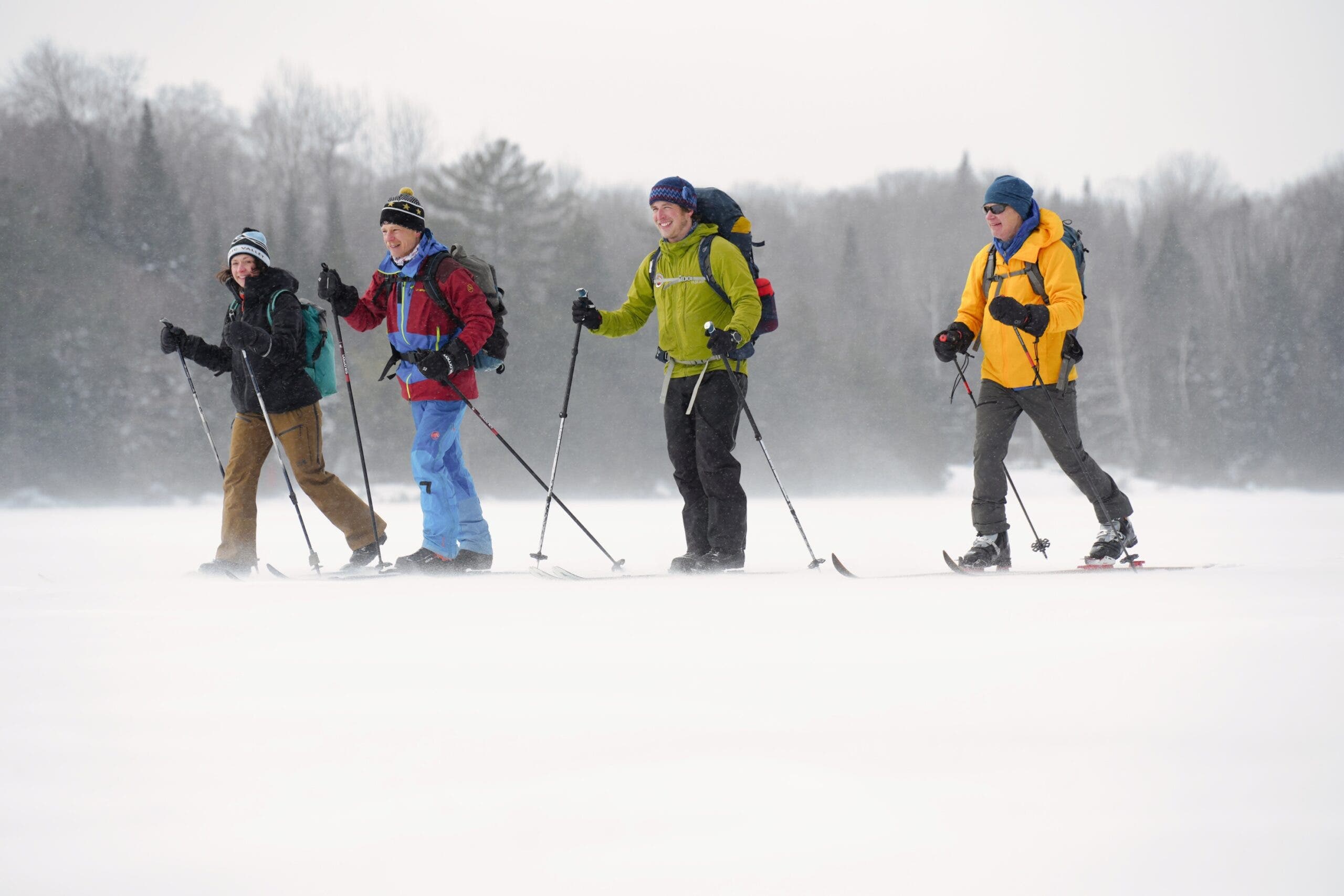
- Multi-Day Traverses: Iconic regional link-ups—such as hut-to-hut systems in Mont-Tremblant, Monts-Valin, and the historic Les Routes Blanches trails in the Laurentians—allow travelers to cover tens or even hundreds of kilometers continuously on skis or snowshoes.
- Safety Compliance: Certified adventure operators across the province comply with Aventure Écotourisme Québec’s safety certification, a standard recognized nationally for mitigating wilderness risks in remote environments.
Official Responses and Expert Perspectives
Tourism boards, conservation agencies, and outdoor industry leaders emphasize that Québec’s unique winter appeal lies in the harmonious balance between untamed wilderness and welcoming cultural infrastructure.
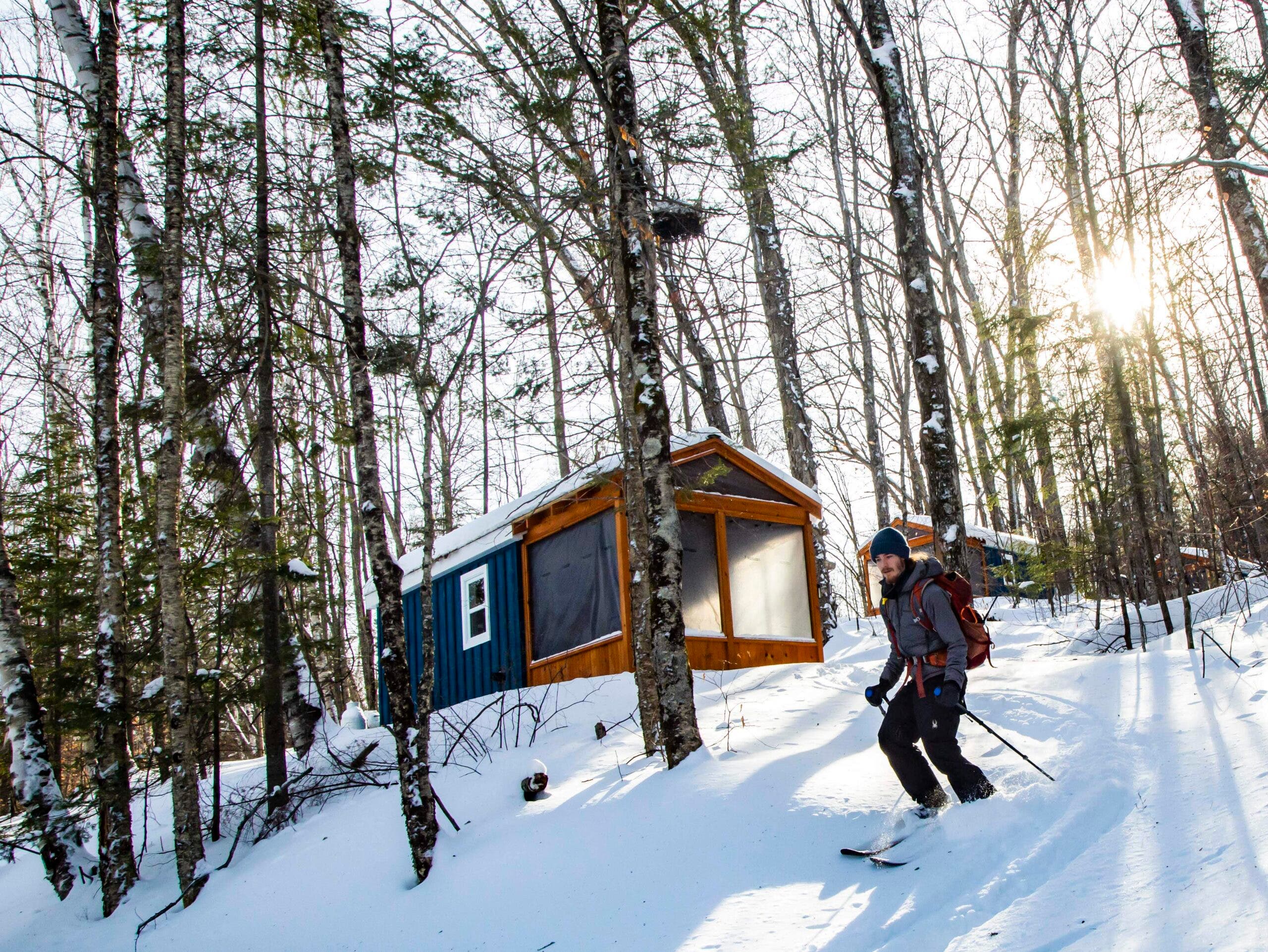
"Let this sink in: more than 92 percent of Québec is public land," notes regional tourism documentation provided via Bonjour Québec. "Come winter, those millions of acres of woods, trails, and open glades get absolutely buried in snow, turning the province into a sprawling winter playground where opportunities for ski touring, Nordic skiing, and multiday snowshoeing abound."
Experts highlight that while the terrain is wild, it is supported by a deeply embedded culture of hospitality. Unlike hyper-isolated wilderness regions where self-sufficiency borders on isolation, Québec’s outdoor pursuits are routinely bookended by comfortable amenities.
"The adventure doesn’t end when the skis or snowshoes come off," tourism officials stress. "Beyond the trails, Québec’s welcoming villages, local flavors, and cozy inns offer the perfect setting to unwind and reconnect. Share a well-earned meal, raise a glass of a local wine or brew with your fellow adventurers, and relive the day’s discoveries."
Safety authorities and guides consistently remind travelers of the importance of preparedness. Because many premier zones—such as the rugged terrain outside Petite-Saguenay’s Sommets du Fjord or the dramatic valleys of Saguenay Fjord National Park—operate without active avalanche control, visitors are strongly urged to carry proper rescue gear, maintain acute situational awareness, and engage certified guides for technical backcountry routes.
Implications
The burgeoning popularity of Québec as a cold-weather expedition destination carries significant implications for regional economic development, environmental conservation, and the evolution of North American adventure tourism.
Economic and Community Impact
As traditional winter tourism models shift away from expensive, high-energy-consumption mechanical ski resorts toward human-powered backcountry recreation, Québec is uniquely positioned to capture this market. The economic benefits are cascading directly into rural and remote communities. Village-to-village networks like Les Routes Blanches and hubs near provincial parks stimulate local economies by supporting boutique inns, local microbreweries, regional restaurants, and artisan outfitters. This model proves that outdoor recreation can sustain rural livelihoods without requiring large-scale industrial resort development.
Cultural Preservation and Indigenous Heritage
The renaissance of snowshoeing and traditional Nordic travel underscores a growing appreciation for Indigenous contributions to cold-weather survival and navigation. Modern expeditioners traversing Québec’s deep backcountry are walking paths forged centuries ago. As tourism operators increasingly partner with Indigenous communities to share authentic historical and ecological perspectives, these winter journeys offer deep educational value alongside physical challenge.
Environmental Stewardship
With 92 percent of the land in public hands, the imperative for sustainable management scales with the province’s rising profile as an international adventure mecca. Balancing increased foot, ski, and snowshoe traffic with the protection of fragile sub-alpine ecosystems and wildlife habitats requires rigorous oversight. SÉPAQ and regional park managers face the ongoing challenge of maintaining minimal-impact trail systems, managing backcountry waste, and preserving the pristine solitude that draws travelers to Québec’s remote refuges in the first place.
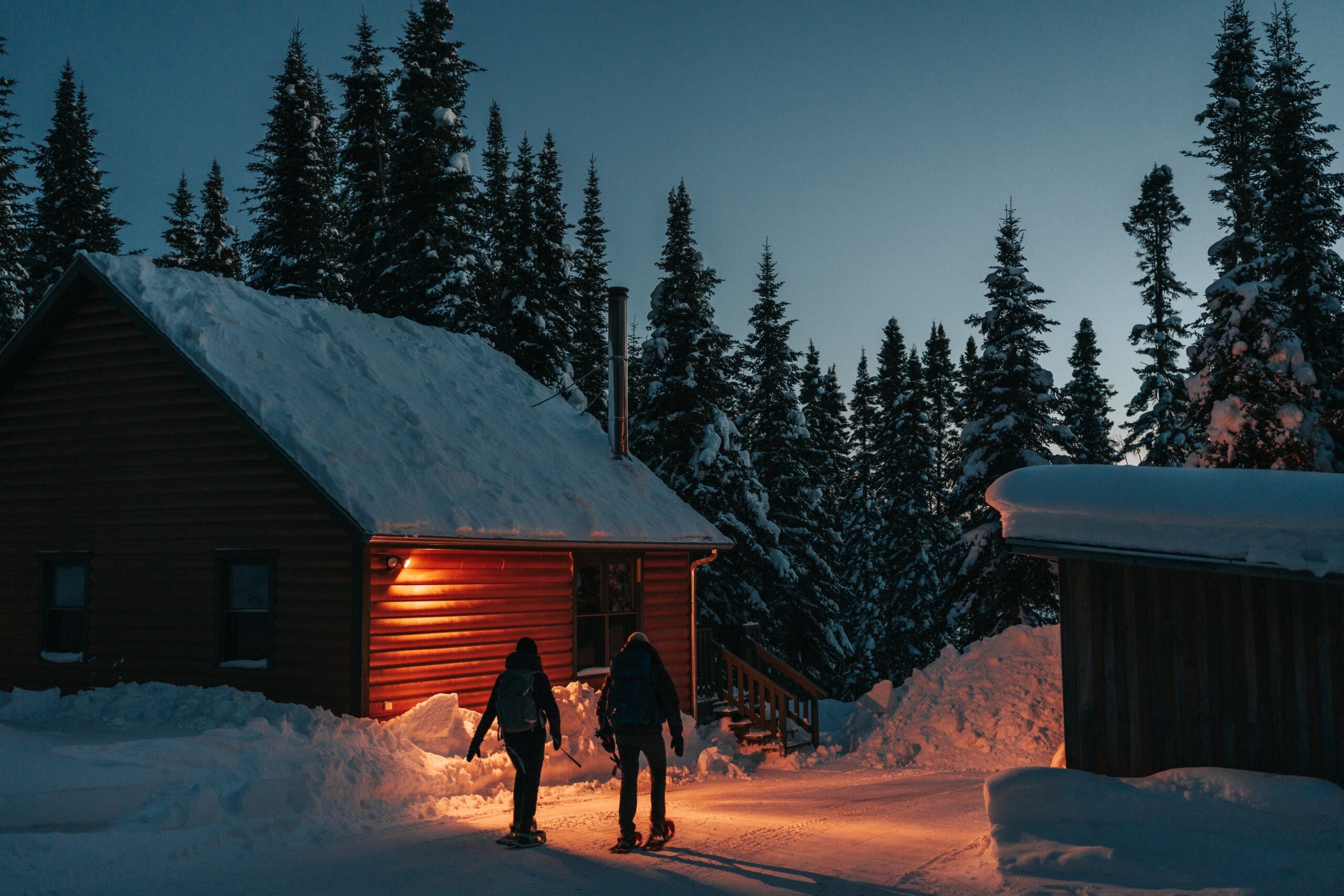
Ultimately, Québec’s winter landscape offers a profound reminder of what cold-weather travel can be. By wedding wild, unbridled topography with a rich infrastructure of rustic huts, well-maintained trails, and a deeply ingrained culture of warmth and gastronomy, the province redefines the philosophy of the journey. As the snow deepens across the northern forests, Québec stands ready to welcome those who wish to venture further—proving that the true measure of an expedition lies not merely in the distance covered, but in the richness of the experience found along the trail.

 Iffa Jayyana

 Lina Hope

 Raul Delapena Setiawan



 Laily UPN