
 Muslim
For anyone whose social circle extends beyond the tight-knit confines of mountain towns, explaining the allure of a traditional ski film is a familiar, uphill battle. Try convincing a casual moviegoer—someone accustomed to three-act structures, tightly woven character arcs, and dialogue-driven plots—that a 90-minute montage of aerial drone shots, rhythmic powder slashes, and thunderous rock soundtracks is worth an evening of their time. More often than not, the response is polite confusion.
For decades, the genre of the ski movie has unapologetically preached to the choir. It is a cinematic ecosystem designed by diehards, for diehards. But the landscape of sports media has fundamentally shifted. In an era where TikTok, Instagram Reels, and YouTube Shorts flood screens daily with bite-sized, high-octane clips of cliff drops and backflips, feature-length ski films face an existential crisis. Why invest in a cinematic project when anyone with a GoPro can broadcast adrenaline straight to a smartphone?
Enter We Can’t Not, a groundbreaking collaborative feature from Red Bull and production powerhouse Legs of Steel. Premiering globally on Red Bull TV and in select theaters, this is not just another glossy entry into the action-sports canon. It is a self-aware, genre-bending love letter to the very concept of the ski movie, engineered specifically to bridge the gap between mountain zealots and the uninitiated.
Main Facts: Redefining the Mountain Genre
At its core, We Can’t Not is helmed by veteran professional skier and filmmaker Paddy Graham, serving as what he describes as his final hurrah in the treacherous, high-stakes world of steep skiing. Before stepping away from the razor’s edge of elite freeriding, Graham set out to answer a question that had dogged him for years—one posed not just by skeptical fans, but by his own family: Why do you do it? Why risk everything to ski monumental, unforgiving lines, and why spend months capturing it on film?
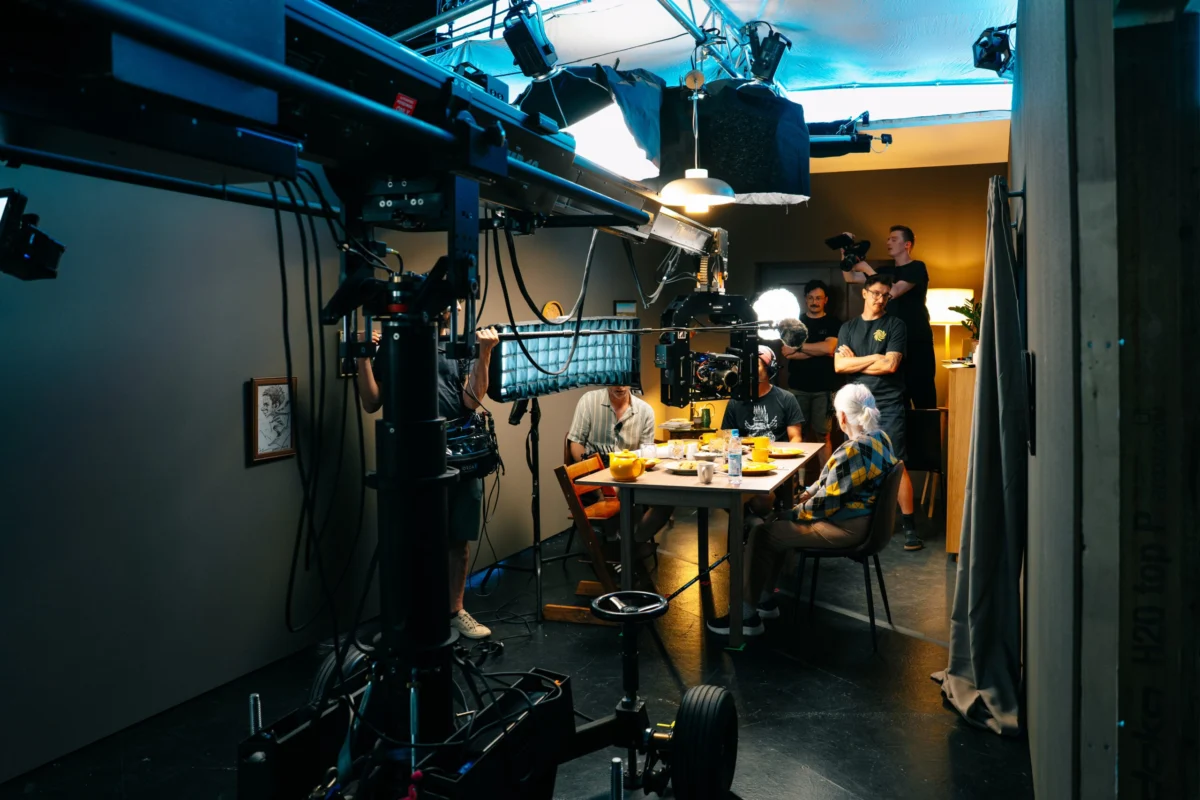
The premise of the movie is disarmingly grounded. Rather than opening with immediate, anonymous carnage down a spine wall, the film begins with Graham sitting around a domestic dinner table, attempting to explain to his parents and children what actually goes into making a ski film.
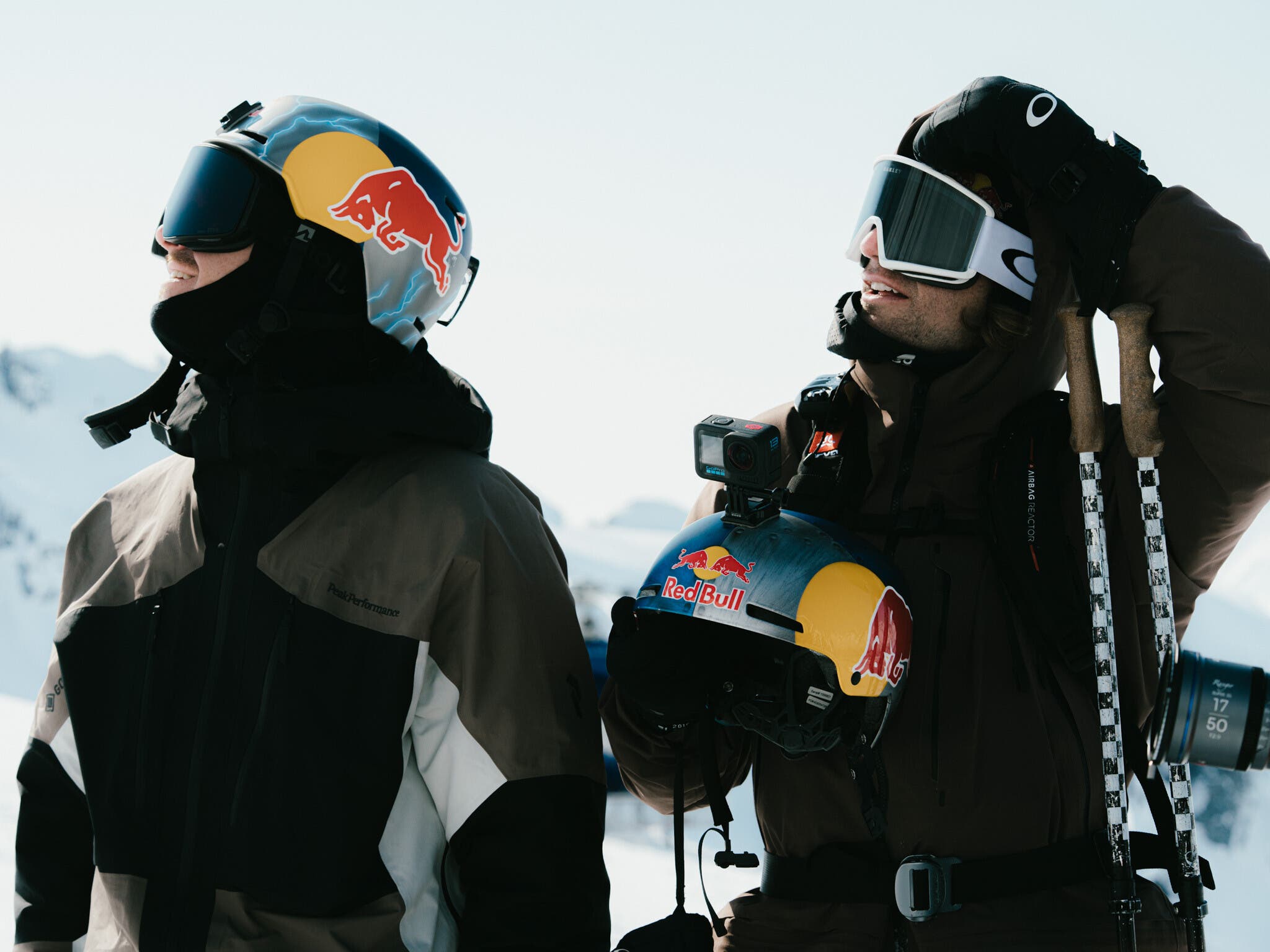
Supported by an elite, maverick roster of athletes—Kye Peterson, Markus Eder, Tom Ritsch, and Finn Bilous—Graham strips away the anonymous barrier of helmets and tinted goggles. Instead of dropping viewers straight into a nameless powder field, the film introduces each athlete individually, exploring their distinct personal motivations and the unique psychological drivers that compel them to step into the binding.
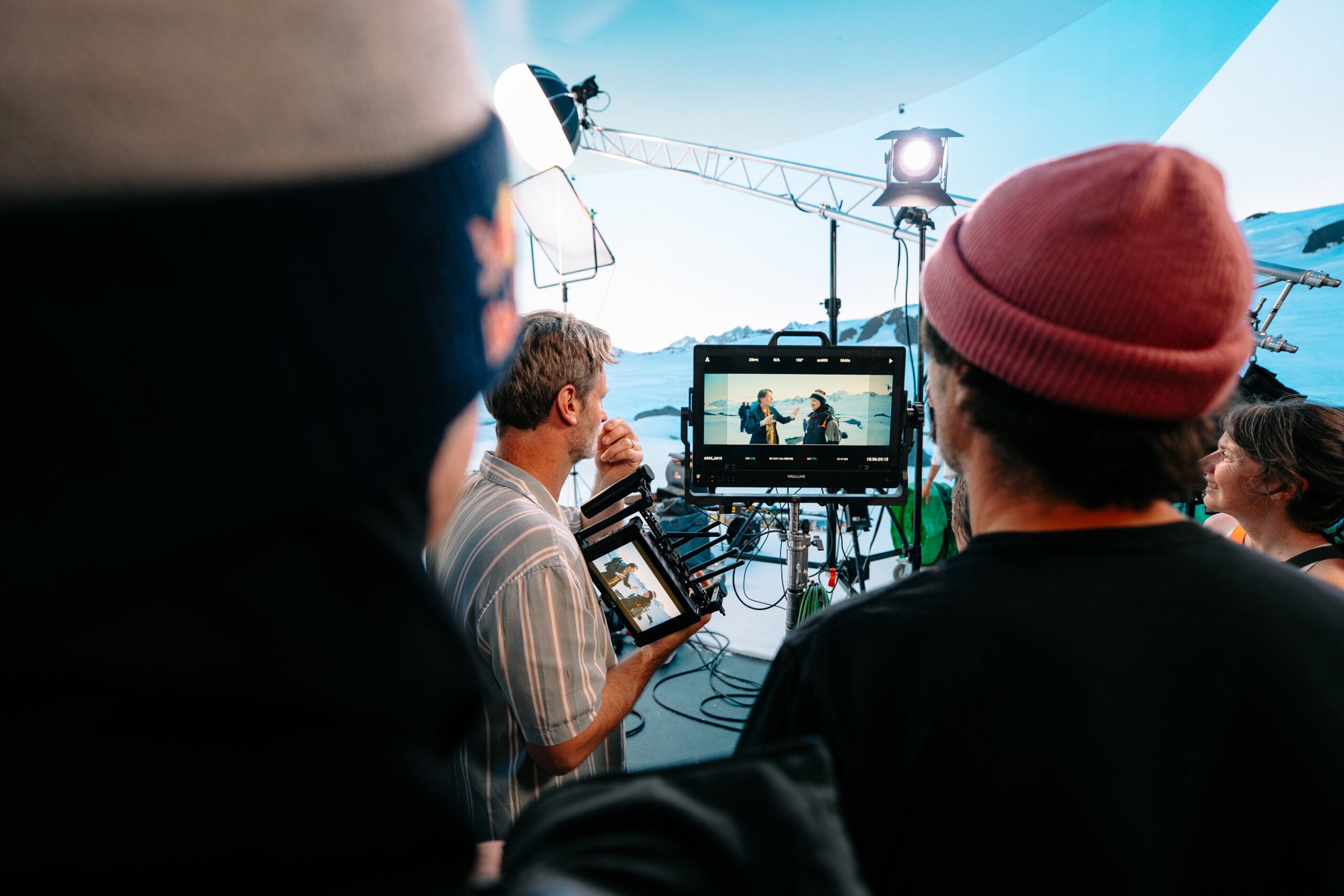
Behind the scenes, the production pushed the boundaries of modern filmmaking. The team utilized the state-of-the-art Hyperbowl VR studio outside Munich—a virtual production stage more accustomed to Hollywood blockbusters than dirt-bag freeriders—to project hyper-realistic, pre-scanned Alaskan backdrops for indoor sequences, blending high-concept digital innovation with raw outdoor grit. To top it all off, the project secured the legendary voice of actor Sean Bean (Game of Thrones, Lord of the Rings) as narrator, who brought a theatrical gravitas to the project that elevated it far beyond standard action-sports fare.
Chronology: The Making of a Cinematic Departure
The journey to redefining the ski film did not happen overnight. It required a meticulous blending of old-school mountain exploration and futuristic studio production.
Early 2026: Setting the Stage in the European Backcountry
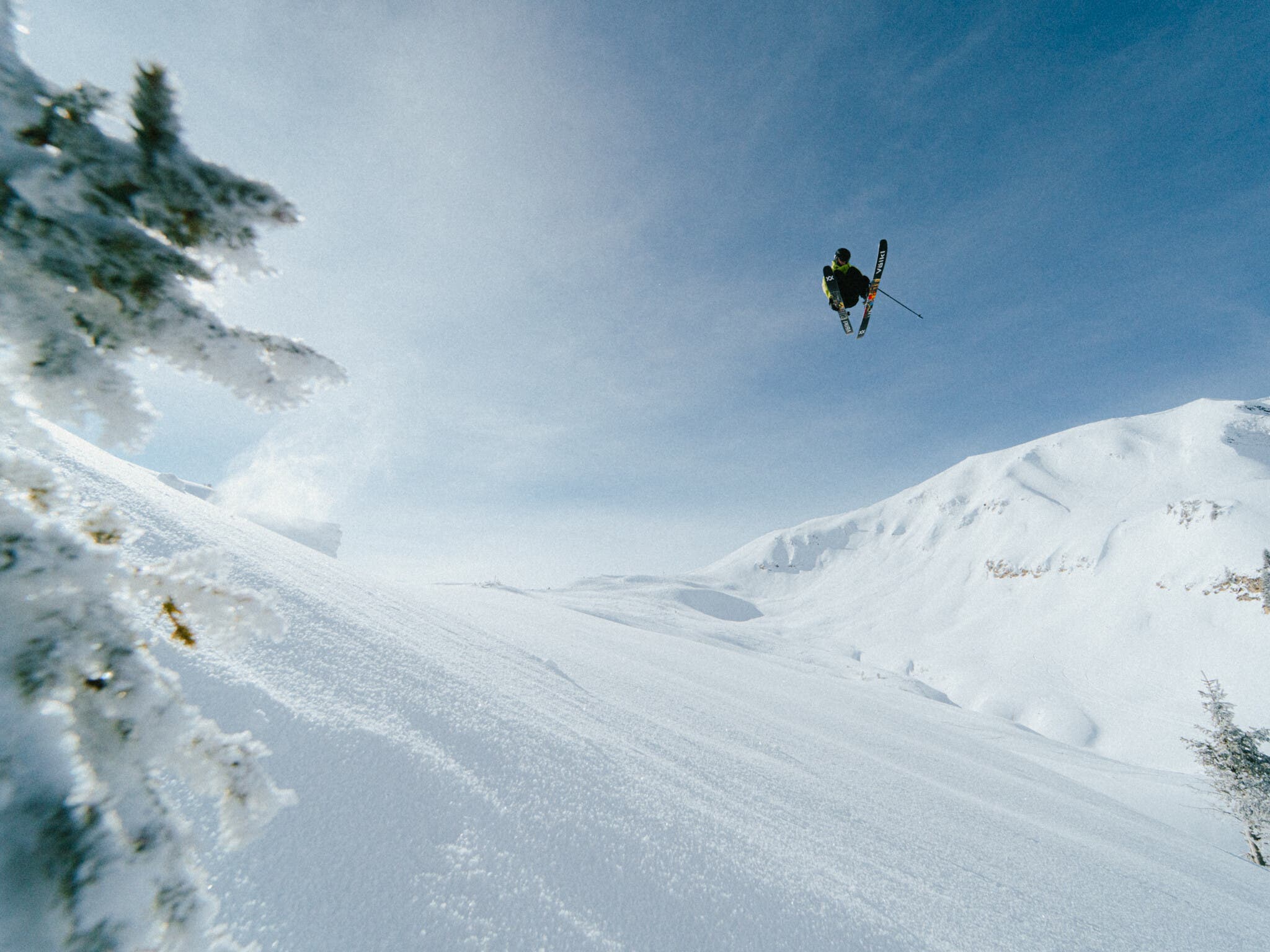
Production kicked off in earnest across Europe’s premier winter playgrounds. In February 2026, athletes like Tom Ritsch were captured launching massive airs high above snowy slopes during backcountry booter sessions in Champéry, Switzerland. These shoots captured the raw, physical essence of freeride culture, establishing the kinetic energy required to anchor the film’s opening acts.
Spring 2026: Pushing Limits in Alaska and Munich
By April 2026, the crew transitioned to the iconic, terrifyingly steep spine walls of Alaska, where Graham and Finn Bilous pushed technical boundaries in unpredictable maritime snowpacks.
However, the production’s most radical pivot occurred on May 29, 2026, inside the Hyperbowl virtual production studio in Munich, Germany. Rather than relying entirely on traditional on-location soundstages or standard green screens, the production team utilized cutting-edge LED volume technology. Because Alaska’s rugged terrain had been digitally scanned on location in advance, the actors and athletes could interact directly with hyper-realistic digital environments. This marked a historical first for an indoor mountain ski shoot, proving that the crew was deliberately opting for artistic innovation over safe, well-worn production templates.
Fall 2026: Bringing the Vision to Light
As the editing suites buzzed through the summer and early fall, the film secured its high-profile narration from Sean Bean. By late October, press screenings began rolling out, culminating in the film’s global premiere on November 1, 2026, made freely available to audiences worldwide on Red Bull TV alongside a targeted theatrical release.
Supporting Data & Production Metrics
To understand the scale of We Can’t Not, one must look at the production metrics and creative decisions that separate it from traditional ski documentaries:
- The Cast: Features 5 elite, hand-selected freeride authorities: Paddy Graham, Kye Peterson, Markus Eder, Tom Ritsch, and Finn Bilous.
- Locations: Spans iconic European backcountry zones (such as Champéry, Switzerland), the legendary big-mountain terrain of Alaska, and the high-tech confines of the Hyperbowl LED studio in Munich, Germany.
- The Voice: Narrated by critically acclaimed British actor Sean Bean, whose dramatic delivery serves as the narrative glue for the film’s meta-commentary.
- Release Strategy: Distributed globally via Red Bull TV (free-to-watch tier) starting November 1, 2026, supported by international theatrical screenings.
- Production Footprint: While celebrated for its technical innovation, the film has faced minor critique regarding gender representation, notably lacking female freeride athletes on screen, though production teams behind the scenes featured strong female leadership from Red Bull Media House.
Official Responses: The Creative Vision
The driving force behind the film’s unconventional approach stems from a desire to make action sports universally accessible. According to Red Bull Media House executive producer Sarah Stow, the project was born out of a very specific communication barrier.
“Paddy has been asked a lot about what he actually does, and why,” Stow told SKI. “The film is essentially a response to the question Graham is trying to answer: Why keep making ski films? Why keep skiing such big lines? Why do you even do this? He can’t not.”
Stow emphasized that the decision to humanize the athletes was a deliberate strategy to combat the depersonalized nature of modern action sports.
“We really wanted to introduce the athletes so audiences connect with them,” Stow explained. “Which is such a smart move in a sport where we often only see goggles and helmets.”
Discussing the unprecedented use of the Hyperbowl studio—marking the facility’s debut with a professional ski crew—Stow noted that the team was charting entirely new territory.
“They’re more used to Hollywood productions than a bunch of pro skiers turning up,” Stow said. By scanning Alaskan backdrops in advance and executing indoor mountain shoots, she added, the team was “pushing innovation in this film, not just taking the classic safe route.”
Even Sean Bean’s involvement took on a life of its own. Stow revealed that Bean threw himself into the project with unexpected intensity, adopting a method-acting approach to the narration. For the film’s emotionally charged final sequences, Bean reportedly sprinted in from an adjacent room just to capture the precise, urgent vocal tone required by the script.
Implications: The Future of the Ski Film Genre
We Can’t Not arrives at a critical juncture for outdoor sports cinema. As short-form content threatens to reduce epic mountain achievements into fleeting algorithmic entertainment, feature-length projects must evolve or risk obsolescence.
By deconstructing the genre from the inside out—framing the narrative around the universal human desire to create, understand, and share passions with loved ones—Graham and the Legs of Steel crew have proven that a ski film can be deeply philosophical without losing its kinetic punch. It treats the audience not as passive consumers of adrenaline, but as empathetic participants in an existential pursuit.
While the absence of female athletes on-screen represents a missed opportunity for broader representation in a sport with a rapidly growing women’s freeride community, the film’s overarching philosophy succeeds: it communicates pure, unadulterated obsession with an art form.
For the diehard skier who has spent years trying to drag indifferent partners, spouses, or friends into a dark theater, We Can’t Not offers a long-awaited olive branch. It is a story about why we do the things we love, told in a language everyone can understand.

 Reynand Wu

 Nana Wu

 Lina Irawan

 Iffa Jayyana
 Jia Lissa