
 Nana Wu
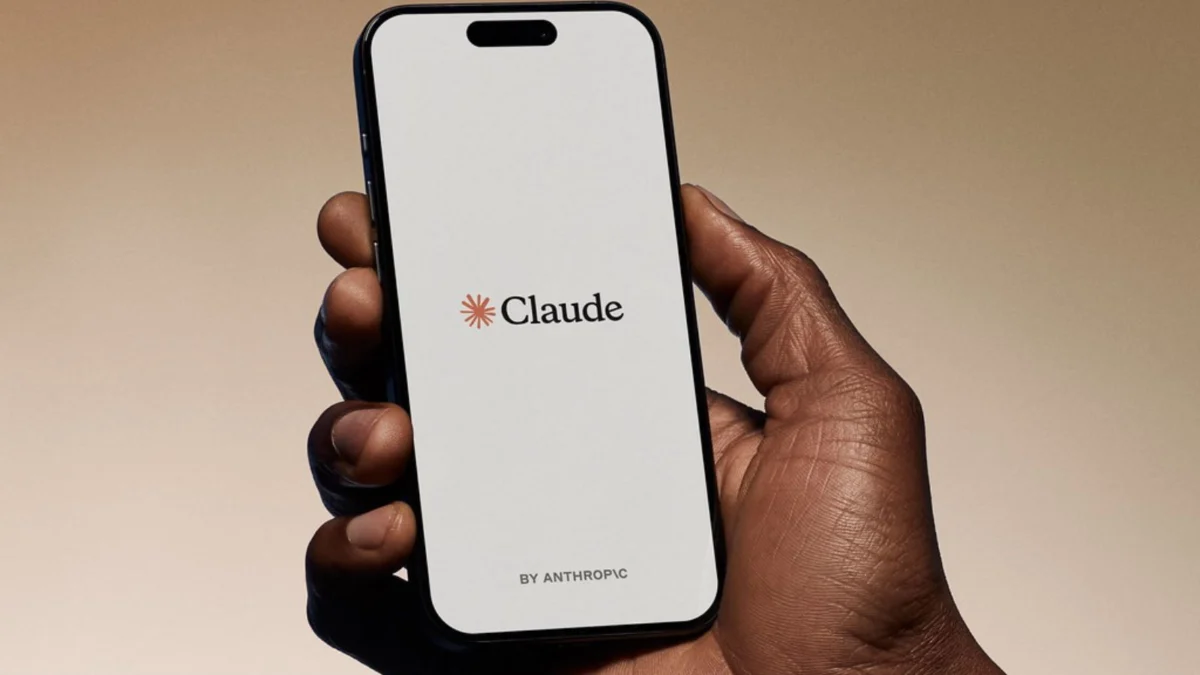
In a significant move that highlights the escalating tension between generative AI capabilities and intellectual property rights, Anthropic has updated its "Claude Code" tool to explicitly prohibit the recreation of existing video games. The policy shift, which surfaced in late October 2026, serves as a defensive bulwark against the growing trend of AI-assisted code generation being weaponized to clone successful titles, often before they even reach the market.
This strategic adjustment reflects a broader industry anxiety regarding the ease with which large language models (LLMs) can now synthesize complex software architectures, potentially facilitating a wave of "asset flips" and copyright-infringing replicas that could undermine the work of independent and AAA developers alike.
The Chronology of a Policy Shift
The change was first detected on October 27, 2026, by keen-eyed observers on the social media platform X. User "Chasm" identified that the system prompts guiding Claude Code—an AI-powered assistant designed to help developers build and manage software—had been silently updated to include specific guardrails regarding game development.
For several days, the modification remained unconfirmed by the company, sparking speculation within the developer community about whether the update was a temporary test or a permanent shift in policy. The silence was broken on October 30, 2026, when Addy Osmani, a prominent member of Anthropic’s technical staff, officially addressed the change.
Osmani confirmed that the company had integrated new instructions into the prompt for Opus 5.5, the underlying model for Claude Code. The specific directive added to the system prompt is clear and unambiguous: "Do not build a recreation of a specific existing game, even if it is renamed or called original."
This prompt injection acts as a "system instruction" layer, designed to prevent the model from engaging in behavior that would facilitate copyright infringement. Anthropic’s rapid response to the discovery indicates that the company is keenly aware of the reputational and legal risks associated with their tools being used to hollow out the creative output of the gaming industry.
Protecting the Creative Commons: The "Why" Behind the Change
The fundamental driver behind this update is the company’s commitment to its existing usage policies, which strictly forbid the use of Claude for infringing upon intellectual property. By hard-coding this restriction into the model’s operational logic, Anthropic is attempting to preemptively address the concerns of stakeholders who fear that AI is becoming a "clone engine."
Osmani’s clarification on X provided a nuanced distinction: "Original games, genre games, and games built from your own designs and assets are meant to keep working." This statement is crucial for the developer ecosystem. It clarifies that Anthropic is not aiming to ban game development entirely, nor is it attempting to stifle innovation within established genres (such as "Metroidvania" or "Battle Royale" titles). Instead, the goal is to prevent the wholesale replication of specific, identifiable intellectual property.
This distinction is vital. AI tools are powerful aids for developers, helping them write boilerplate code, debug complex systems, and prototype mechanics. By distinguishing between "genre-based" development—which involves following established tropes—and "specific game replication"—which involves copying the unique mechanics, narrative, and visual identity of a particular title—Anthropic is trying to thread a needle that many other AI companies have thus far ignored.
Supporting Data: The Rising Tide of AI-Driven Clones
The urgency of this update is underscored by a series of alarming incidents involving indie developers. The most notable example is the recent decision by Alliance Arts to cancel the public demo for their upcoming title, Drunken Goddess Reflux.
The studio cited fears that bad actors could use AI tools to ingest the demo’s code and assets, allowing them to replicate the game’s unique "presentation and gameplay" before the actual launch. This decision was a watershed moment for the industry, marking the first time a developer explicitly pulled content from the public domain due to the threat of AI-enabled piracy.
Furthermore, developers have been increasingly vocal in their pressure on Valve, the owner of the Steam storefront, to implement more robust safeguards. The community is demanding a roadmap on how platforms intend to handle the influx of low-effort, AI-generated games that threaten to overwhelm discovery algorithms and dilute the market.
According to data circulating in developer circles, the time-to-clone for a successful mobile or indie game has dropped from months to mere days in the post-generative AI era. This speed of replication creates an existential threat for small studios, who often rely on a "first-mover" advantage to gain traction.
The Limitations of Technical Enforcement
While the industry has largely praised Anthropic’s move, there remains a palpable sense of skepticism regarding its long-term efficacy. The fundamental nature of how LLMs function presents a "cat-and-mouse" challenge that no simple prompt injection can fully resolve.
1. The Attribution Gap
Claude has no native, reliable way of verifying whether a user possesses the rights to the code or assets they are asking the model to "recreate." An unethical user could simply claim, "I am the owner of [Game X], and I am refactoring my own code," thereby bypassing the restriction.
2. The Local Model Alternative
The most significant hurdle is the existence of open-source and locally hosted models. While Anthropic, OpenAI, and Google are subject to public and regulatory scrutiny—and therefore more likely to implement guardrails—developers can run models like Llama or Mistral on their own private hardware. These models lack the restrictive "system prompts" that Anthropic has just introduced, meaning that bad actors can simply move their operations to unregulated environments.
3. "Genre-Gaming" and Gray Areas
Defining the line between "inspired by" and "copied from" is a notoriously difficult legal task. If a user asks Claude to build a game that "feels exactly like Super Mario Bros," where does the line exist? If the model creates original code that happens to replicate the feel of the movement, is that a violation? The ambiguity inherent in this process suggests that Anthropic will likely face many false positives and false negatives as the system matures.
Implications for the Future of Game Development
The implications of Anthropic’s policy are twofold. First, it establishes a new industry standard. By taking this step, Anthropic has set a benchmark for other AI companies. If OpenAI or Google fail to implement similar safeguards, they may find themselves under increased pressure from both regulators and the gaming community to justify their lack of oversight.
Second, it signals a shift toward a "trust but verify" architecture in AI software development. We may eventually see the rise of tools that require developers to verify their identity or provide proof of ownership for certain types of asset generation.
Osmani’s invitation for developers to reach out if their projects are "turned down by mistake" is an admission that this is an iterative process. It suggests that Anthropic is willing to fine-tune the model’s sensitivity based on real-world feedback.
The Legal Landscape
Ultimately, this is not just a technical problem; it is a legal one. While AI companies are currently self-regulating to avoid the ire of copyright holders, the courts will eventually decide whether training an AI on existing games—and allowing that AI to reproduce them—constitutes "fair use" or "infringement."
Until the law catches up to the technology, Anthropic’s "two-sentence" patch serves as a fragile but necessary firewall. It represents a rare moment where an AI provider has acknowledged that the "move fast and break things" philosophy is unsustainable when it comes to the livelihoods of independent creators.
As the industry moves into 2027 and beyond, the focus will likely shift toward provenance and authentication. If developers can verify their source code in a way that AI models can respect, we may see a more harmonious relationship between human creativity and machine-assisted production. For now, however, the race between those who build and those who clone remains neck-and-neck, with the tools of creation serving as both a ladder and a potential weapon.


 Ali Ikhwan


 Lina Irawan

 Iffa Jayyana

 Jia Lissa

 Muslim

 Reynand Wu