
 Reynand Wu
Main Facts: The Shocking Fallout in Mexico
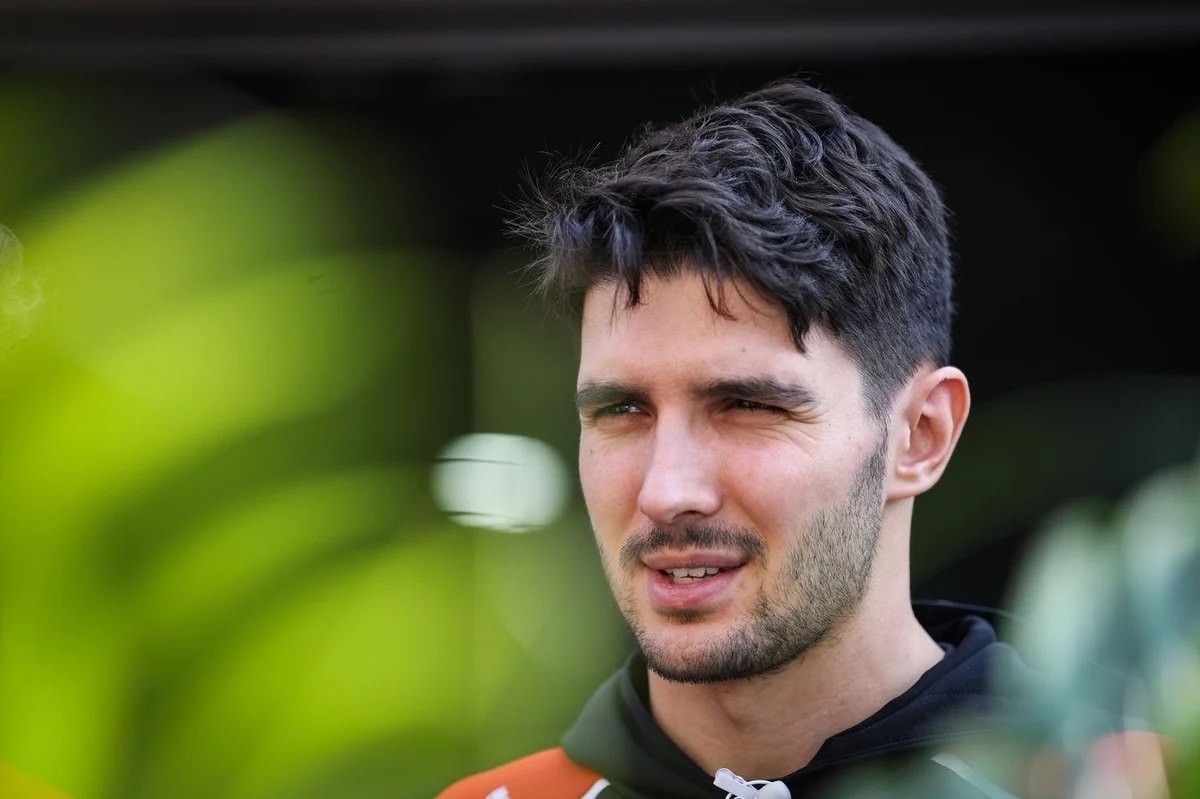
The Formula 1 paddock was sent into a tailspin ahead of the Mexico City Grand Prix when Haas F1 Team made the dramatic decision to bench driver Esteban Ocon for the remainder of the race weekend. The drastic move followed a volatile chain of events that began with a public radio altercation between the French driver and his race engineer during Friday’s free practice sessions.
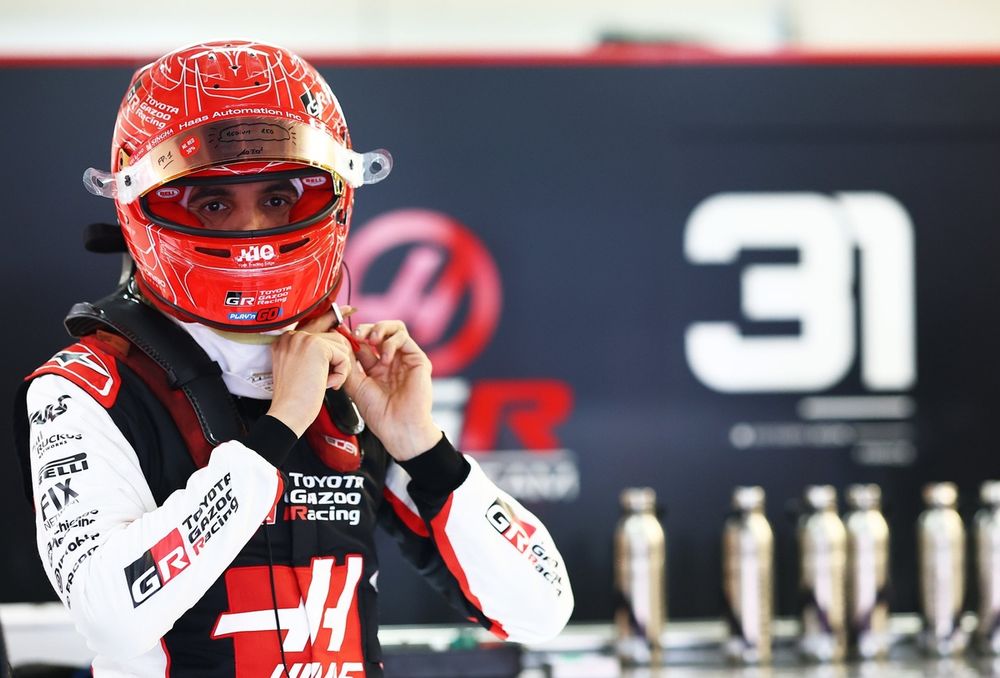
As tensions boiled over behind closed doors, a late-night crisis meeting on Friday culminated in Haas management pulling Ocon from the cockpit. Toyota WEC driver and Haas reserve Ryo Hirakawa was swiftly drafted in to take over driving duties from FP3 onward.
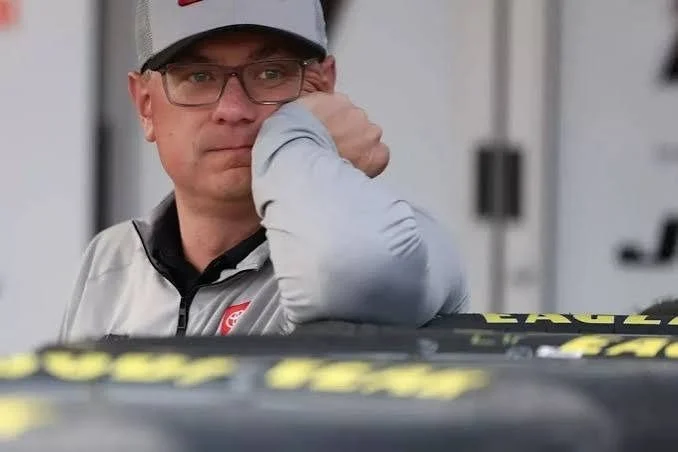
In the wake of his sudden dismissal from the weekend’s proceedings, French media outlets began circulating unverified rumors suggesting that the disagreement between Ocon and team principal Ayao Komatsu had escalated into a physical altercation. The gravity of these claims prompted Ocon’s management team to issue a robust denial across social media, vehemently rejecting any notions of physical violence.
The sudden suspension casts a long shadow over Ocon’s immediate future in Formula 1. Already fighting to secure a competitive seat for the upcoming seasons—having notably lost his spot at Haas for 2027 to Ferrari rookie Rafa Camara—the 30-year-old grand prix winner now faces questions regarding not only his immediate return for the upcoming Brazilian Grand Prix, but whether he will complete the remainder of the 2026 campaign with the American-owned outfit at all.
Chronology of Events: How Friday’s Practice Plunge Turned into a Crisis
To understand how a routine Formula 1 race weekend devolved into an internal disciplinary crisis, it is necessary to examine the timeline of events that unfolded at the Autódromo Hermanos Rodríguez.
Friday Morning: Free Practice and Public Friction
The weekend began under standard operational pressure, but underlying stresses within the Haas garage quickly surfaced. During Friday’s practice sessions, onboard audio captured a sharp, public disagreement between Esteban Ocon and his race engineer. In a sport where radio communications are heavily monitored by millions of global fans and broadcast live, the airing of grievances laid bare a fractured relationship between the driver and the pit wall.
Friday Evening: The Crisis Meeting
Following the conclusion of track running, the situation deteriorated rapidly behind closed doors. Management stepped in to address the public breakdown in communication. A high-stakes discussion was convened on Friday night involving Ocon, team principal Ayao Komatsu, and key technical stakeholders. Details of the meeting remain tightly guarded by the team, but the friction between the Frenchman and the engineering side of the garage had clearly reached an untenable threshold.
Saturday Morning: The Drop and Reserve Call-Up
Before the start of Free Practice 3, Haas issued a stunning statement confirming that Ocon would play no further part in the Mexico City Grand Prix. With precious little time to prepare, reserve driver Ryo Hirakawa—fresh from his sportscar commitments in the World Endurance Championship with Toyota—was thrust into the VF-26 cockpit. The abrupt substitution disrupted Haas’s technical program for the weekend while sending shockwaves through the Formula 1 media center.
Saturday Afternoon: Rumors and the Social Media Denial
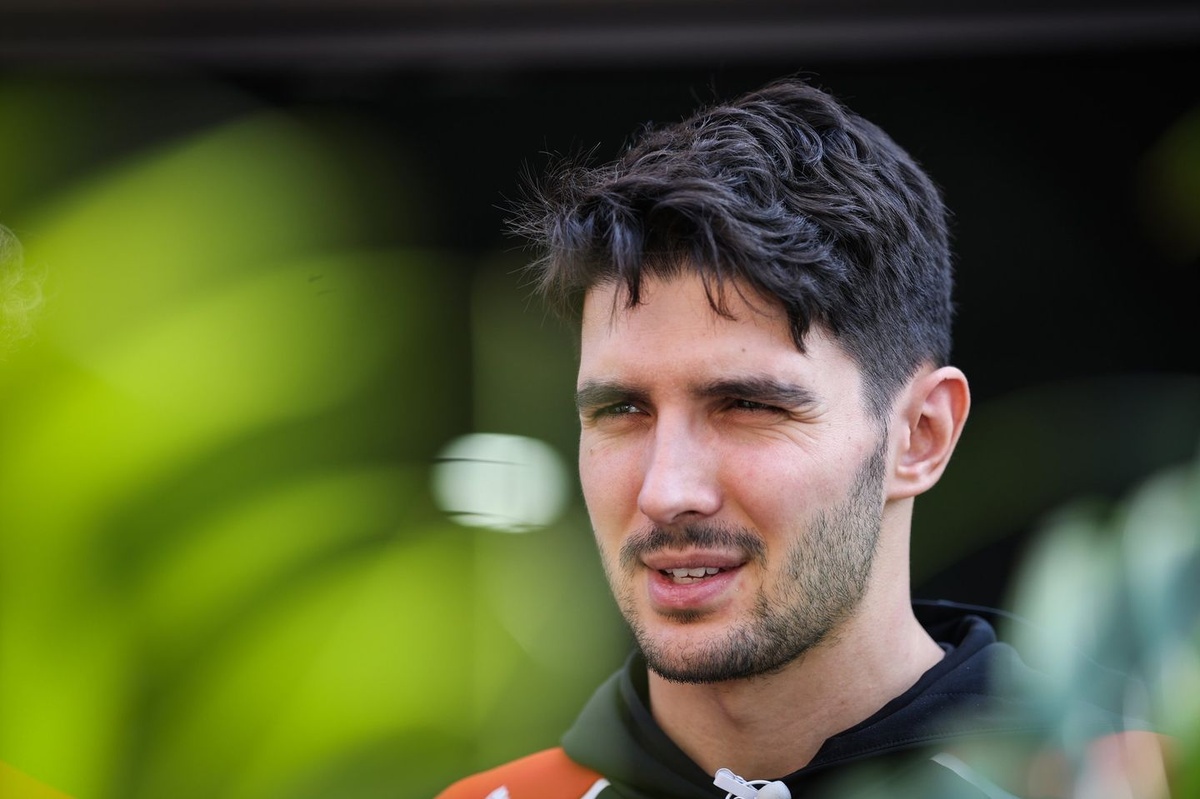
As word of the benching spread, French media outlets began running speculative reports regarding the nature of the "discussions" that took place on Friday night. Unsubstantiated claims hinted at a physical confrontation between Ocon and Komatsu. Recognizing the severe reputational damage such rumors could inflict, Ocon’s camp broke their silence via social media on Saturday afternoon to set the record straight and denounce the allegations of violence.
Official Responses: Ocon Breaks His Silence
Faced with escalating rumors and intense public scrutiny, Esteban Ocon’s official social media channels published a detailed statement addressing the controversy surrounding his benching and the nature of his disagreement with team leadership.
The statement read:
"Following the recent decision from Haas F1 Team confirming that I will not be participating in this weekend’s Mexico City Grand Prix, I wish to formally address some media reports and speculation surrounding the situation.
Last night, a difference in viewpoints led to a discussion with the parties involved. Whilst I acknowledge that this took place, I categorically reject any reports or allegations suggesting that any form of physical violence was used to resolve any differences of any nature.
I strongly condemn violence in all its forms and firmly believe that disagreements should always be handled with professionalism, respect, and mutual understanding. I kindly ask that speculation be avoided while the matter is being addressed. Further updates will be communicated in due course."
While Ocon’s camp was quick to address the rumors of physical misconduct, Haas F1 Team management adopted a more measured public posture, focusing primarily on the operational continuity of the team in Mexico and the integration of reserve driver Ryo Hirakawa into the weekend’s remaining sessions. Team principal Ayao Komatsu has yet to detail the precise internal thresholds that triggered the decision to bench their seasoned driver, leading analysts to speculate that internal confidentiality agreements and legal advisories are currently dictating the team’s communication strategy.
Supporting Data & Context: Ocon’s Career Crossroads
The turmoil in Mexico does not happen in a vacuum. It arrives at a deeply precarious juncture in Esteban Ocon’s professional career, compounding existing pressures regarding his sporting future.
The 2027 Seat Loss
Earlier in the silly season, it was confirmed that Ocon’s time with the Haas F1 Team would come to an end, with the American outfit opting to sign highly touted Ferrari junior and rookie Rafa Camara for the 2027 campaign. For a race winner with years of experience at teams like Force India, Racing Point, and Alpine, being sidelined in favor of an incoming rookie marked a bitter pill to swallow.
Dwindling Options on the Grid
Ocon, now 30 years old, finds himself in a rapidly shrinking market for competitive seats. With the 2027 grid largely filling up—and teams increasingly leaning toward youthful talent or heavily backed pay-drivers—Ocon’s options to remain in the Formula 1 paddock are dwindling at an alarming rate. Performance on track was supposed to be his primary audition for alternative seats or future development roles; missing a race weekend due to internal disciplinary action severely damages that audition portfolio.
The Ryo Hirakawa Factor
For Ryo Hirakawa, the unexpected call-up represents a career milestone, albeit under unusual circumstances. The experienced Japanese racer, a stalwart in endurance racing and a key component of Toyota’s WEC program, stepped into an unfamiliar Formula 1 car with almost zero preparation time. His performance across the remainder of the Mexico weekend serves as an immediate litmus test for Haas’s reserve driver depth, while casting a stark contrast to Ocon’s sudden exclusion.
Implications: What Lies Ahead for Ocon and Haas?
The immediate fallout from the Mexico City Grand Prix raises critical questions that will dominate the Formula 1 news cycle in the days leading up to the Brazilian Grand Prix at Interlagos.
Will Ocon Return in Brazil?
The most pressing question centers on whether Ocon’s suspension is strictly a one-race disciplinary measure or the effective end of his tenure with Haas. Formula 1 contracts are notoriously ironclad, featuring rigorous moral clauses, performance metrics, and conduct guidelines. If internal trust between the driver and team leadership has suffered a terminal fracture, engineering a clean break before the end of the season might be mutually desirable—though legally and logistically complicated.
If Haas chooses to keep Ocon on the sidelines for Brazil and the remaining rounds of the championship, Ryo Hirakawa or another simulator driver could find themselves auditioning for the remainder of the year. Conversely, if cooler heads prevail during debriefs this week, a reintegration into the cockpit cannot be entirely ruled out, provided both parties can establish a working professional protocol.
Long-Term Reputational Impact
In the high-stakes, pressure-cooker environment of Formula 1, emotions frequently run hot. Team bosses and drivers alike have historical precedents of verbal sparring, heated exchanges, and passionate disagreements. However, public radio outbursts coupled with overnight benchings invariably leave a mark on a driver’s market value. Team principals value speed, but they also prioritize harmony within the engineering office and garage. Ocon’s explicit denial of physical violence is a crucial step in safeguarding his professional reputation, ensuring that fiery passion is not misconstrued as uncontainable volatility.
As the Formula 1 circus packs up and prepares to head south to Interlagos, the paddock will be watching closely for any official statements from Haas F1 Team regarding Esteban Ocon’s status. Until then, the dramatic weekend in Mexico City will be remembered as one of the most unexpected internal implosions of the modern hybrid era.


 Suro Senen
 Nila Kartika Wati
 Iffa Jayyana
 Azzam Bilal Chamdy
 Asro

 Raul Delapena Setiawan