
 Reynand Wu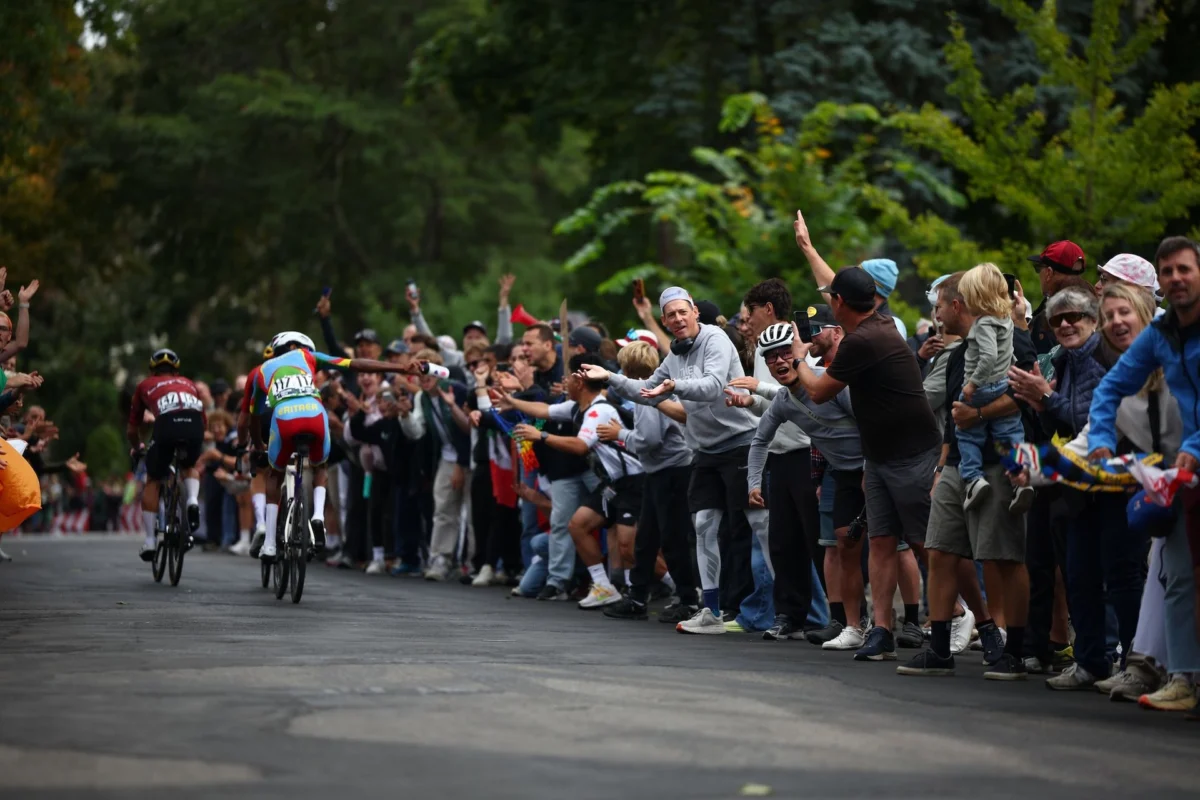
Main Facts
The 2024 UCI Road World Championships proved to be an unmitigated disaster for the Eritrean national cycling team, compounding sporting misfortune with administrative hurdles and disciplinary sanctions. Entering the prestigious elite men’s road race with high hopes and a designated squad of five riders, the East African cycling powerhouse was immediately hamstrung before the flag even dropped. Due to administrative and diplomatic roadblocks, two of Eritrea’s premier athletes were unable to secure entry visas, leaving the team to face the grueling world championship circuit with a severely depleted roster of just three starters.
To make matters worse, the tribulations did not end on the starting line. Following the conclusion of the historic elite men’s road race—which saw American rider Brandon McNulty pull off a stunning solo victory to claim the United States’ first elite men’s world title since 1993—the Union Cycliste Internationale (UCI) commissaires handed down post-race fines. Two Eritrean riders and a member of the team’s support staff were sanctioned for rule infractions, casting a dark shadow over a campaign that Eritrean cycling officials had hoped would showcase the nation’s growing stature in the professional peloton.
The absence of key riders Amanuel Ghebreigzabhier and Natnael Tesfatsion crippled Eritrea’s tactical flexibility. Left with only a trio of athletes to cover the massive, attritional course, team leader Biniam Girmay was forced to navigate a tactical minefield against fully-manned powerhouse squads like Belgium, Slovenia, and the Netherlands. The compounding issues of visa denials, reduced manpower, and subsequent UCI disciplinary fines transformed what should have been a celebration of Eritrean cycling excellence into a logistical and regulatory nightmare.
Chronology of Events
The unraveling of Eritrea’s World Championship campaign began weeks before the neutral rollout, rooted in the complex, often impenetrable bureaucracy of international travel logistics.
Pre-Race Preparation and the Visa Crisis
As national federations finalized their start lists for the UCI Road World Championships, the Eritrean Cycling Federation submitted its five-man roster for the elite men’s road race. At the center of the selection was Biniam Girmay, Africa’s foremost cycling superstar, alongside seasoned WorldTour and ProTeam talents including Amanuel Ghebreigzabhier and Natnael Tesfatsion.
However, as travel windows narrowed, critical administrative delays emerged. Despite the best efforts of the Eritrean federation and supporting sporting agencies, Ghebreigzabhier and Tesfatsion hit an insurmountable wall regarding travel documentation. The athletes were ultimately denied entry visas, rendering them unable to travel to North America. By the time the team assembled at the race venue, it was clear that Eritrea would be forced to start the elite men’s road race with only three riders, completely dismantling their pre-race strategy and placing an immense physical burden on the remaining squad members.
Race Day and the Elite Men’s Showdown
When the elite men’s road race commenced on Sunday, the spotlight was naturally cast upon Biniam Girmay, who carried the hopes of an entire nation on his shoulders. In a race for the history books, American rider Brandon McNulty shocked the international peloton with a breathtaking, aggressive long-range solo attack, outfoxing the race favorites to claim the coveted rainbow jersey—the first elite men’s road title for the United States since Lance Armstrong’s victory in Oslo in 1993.
While McNulty celebrated his epic triumph at the front of the race, the Eritrean trio battled valiantly in the defensive trenches of the peloton. Operating with a 40% reduction in manpower compared to major cycling nations, Girmay and his teammates were forced to expend critical energy simply maintaining position, chasing breaks, and shielding their leader from the relentless crosswinds and aggressive tactical plays of larger squads.
Post-Race Sanctions and UCI Penalties
The exhaustion of the race did not signal an end to Eritrea’s troubles. As the dust settled and official race results were audited, the UCI commissaires panel reviewed compliance with race regulations. For reasons that underscored a chaotic weekend, two members of the Eritrean delegation—alongside an official team staff member—were slapped with official UCI fines. While the exact nature of the infractions remained part of the official commissaire reports, the fines added a final, frustrating insult to injury, sealing an overwhelmingly negative championship experience for the delegation.
Supporting Data and Context
To fully grasp the magnitude of Eritrea’s struggles at the World Championships, one must examine the unique structural context of Eritrean cycling, the logistical hurdles of the modern global sports calendar, and the mechanics of UCI penalty protocols.
The Rise of Eritrean Cycling
Eritrea is widely recognized as a passionate cycling hotbed, often dubbed the "cycling capital of Africa." Cycling was introduced to the country during Italian colonial rule in the late 19th and early 20th centuries and has since embedded itself deep within the cultural fabric of the nation. Thousands of fans routinely line the mountainous roads to watch domestic races, and the country has successfully produced a steady pipeline of world-class talent capable of competing at the highest tiers of the UCI WorldTour.
The crowning jewel of this movement is Biniam Girmay, whose historic victories—including stages at the Giro d’Italia and the green jersey at the Tour de France—have proven that African riders can not only compete but dominate at the sport’s pinnacle. Consequently, the World Championships represent a rare and vital opportunity for Eritrea to showcase its collective strength on the international stage by fielding a complete, competitive national team.
The Burden of Roster Depletion
In a one-day road race spanning upwards of 250 kilometers, numerical strength in the peloton is the ultimate currency. Teams rely on dedicated domestiques to fetch water, control the pace, chase down dangerous breakages, protect their protected leaders from the wind, and navigate mechanical issues or crashes.
- Nominal Roster: 5 Riders
- Actual Starters: 3 Riders
- Deficit: 40% reduction in on-road workforce
Starting a championship race down two riders means that every remaining Eritrean athlete had to perform the workload of nearly two men. This structural disadvantage virtually eliminated any chance of executing a proactive team strategy, reducing their race tactical profile to pure survival.
Visa Inequities in International Sports
The visa issues faced by Ghebreigzabhier and Tesfatsion are not isolated incidents in professional cycling, but rather part of a broader, systemic challenge facing athletes from the Global South. Securing travel documents for athletes holding Eritrean passports frequently involves navigating stringent, bureaucratic immigration processes imposed by Western host nations. Delays in processing, strict financial requirements, and high rejection rates continue to create an uneven playing field, where sporting merit can be arbitrarily overridden by geopolitical and administrative visa bottlenecks.
Official Responses and Reactions
The events in Canada triggered swift reactions from team management, athletes, and international sporting bodies, shining a light on the systemic vulnerabilities exposed during the event.
Team Leadership and Biniam Girmay
Speaking to the media after the race, team leader Biniam Girmay addressed the invisible battles fought by the Eritrean squad before a single pedal stroke was made. Girmay expressed profound frustration over the visa denials that sidelined Amanuel Ghebreigzabhier and Natnael Tesfatsion.
"It is heartbreaking for the guys who worked so hard to earn their selection, only to be blocked by administrative walls," Girmay noted regarding his absent teammates. "We came here with high ambitions and a clear plan, but losing two key riders before we even arrived changed everything. We gave it everything we had out there, but when you are fighting against full teams with only three riders, the mountain is simply too high to climb."
Cycling federation insiders echoed Girmay’s sentiments, emphasizing that the physical and mental toll of the pre-race chaos severely disrupted the team’s cohesion and morale.
The UCI Commissaires Panel
The UCI commissaires panel maintained a strict, by-the-book approach to post-race governance. While international sports federations routinely face appeals regarding visa and travel equity—often viewing them as matters between sovereign governments and individual national Olympic or sporting committees—the UCI enforces strict regulatory adherence inside the competition bubble. The issuance of fines to the two Eritrean riders and the staff member served as a reminder that regulatory standards apply uniformly, regardless of the extenuating logistical hardships a team may have experienced leading up to the event.
Implications for the Future
The compounding disasters of the 2024 UCI Road World Championships carry significant long-term implications for the Eritrean Cycling Federation, international cycling governance, and the broader debate surrounding athlete mobility.
Reform in Travel Logistics and Advocacy
The recurring issue of visa rejections and administrative delays for African athletes highlights an urgent need for structural reform. International sports federations, including the UCI and the International Olympic Committee (IOC), are facing mounting pressure to establish stronger diplomatic frameworks with host governments. Ensuring that qualified athletes can secure expedited, reliable entry visas is paramount to maintaining the integrity and fairness of global championships. Without proactive intervention from governing bodies, smaller nations and developing cycling powerhouses will continue to be disproportionately disadvantaged.
Strategic Resilience for the Eritrean National Team
Despite the setbacks, the resilience demonstrated by Girmay and his two active teammates reinforced the undeniable talent embedded within Eritrean cycling. Moving forward, the federation will likely need to adopt more robust, earlier contingency planning for international travel, engaging legal and diplomatic channels months in advance of major championships to mitigate the risk of last-minute roster collapses.
The Path to Future Championships
As the cycling world looks ahead to upcoming continental championships and the next edition of the UCI Road World Championships, the lessons of this past campaign will weigh heavily on the Eritrean camp. By addressing administrative vulnerabilities and reinforcing support structures, Eritrean cycling aims to ensure that its athletes are defined solely by their exceptional physical capabilities on the road, rather than the bureaucratic hurdles they must overcome just to reach the start line.

 Nana
Nana
 Laily UPN
 Neng Nana
 Nana Wu
 Lina Hope
 Sagoh
Sagoh
 Iffa Jayyana