Trending News:Maine’s Culinary Icon Evolves: W.A. Bean Replaces Red Dye 3 with Insect-Based PigmentA New Era at Welford Road: Leicester Tigers vs. Saracens Set to Define the Opening Weekend of the Gallagher PremiershipThe Final Push: Presidents Cup Sunday at Medinah Reaches a Boiling PointA Rainbow in Montreal: Demi Vollering Claims Historic Elite Women’s Road Race World Title in Thrilling FinaleRedefining Aging: A Comprehensive Review of British Masters Track Records Following a Historic Weekend in DerbyLegacy of Speed: Anders Koschmann Commits to Northwestern’s Class of 2032Red Bull’s Resurgence: Isack Hadjar’s Stunning Comeback Podium in Baku Highlights Team SynergyThe Manchester City Reckoning: A Watershed Moment for English FootballOff-Track Bonding and On-Track Upgrades: Inside Williams’ High-Stakes Azerbaijan Grand Prix WeekendThe Unsettling Mirror: Chris Hansen Breaks Silence on Robert Pattinson’s Portrayal in A24’s PrimetimeOttawa Senators Bolster Goalie Depth, Acquiring Jonas Johansson from Tampa Bay Lightning Following Waiver LossThe Battle for the Rainbow Jersey: Your Ultimate Guide to the 2026 UCI Road World Championships in MontréalVirginia Dominates Match #2 of the College Swimming League: A Masterclass in Depth and VersatilityBeyond the Giants: Why the Power Pass Is Quietly Reshaping Southwest Ski CultureA Night of Nations League Drama: Mbappé Injury Overshadows French Victory as Italy StumblesSteiner Slams Williams’ "Crocodile Tears" Over F1 Cap Ex Limits and Vowles’ Shifting TimelinesThe "Torture" of Productivity: Why Alarmy is Turning Morning Routines into Digital BootcampsZebre Parma 2026-27: A Franchise at the Crossroads of Survival and DevelopmentDéjà Vu at Medinah: International Team Stuns Americans with Historic Foursomes SweepCalgary Flames Sign Forward Alex Nylander to a One-Year, Two-Way Contract After Successful Training Camp TryoutAlejandra Neira Clinches Historic Junior Women’s Road Race Victory for Spain at the UCI Road World Championships in MontrealInside the Puma 418 Relay and the Grand Opening of the Berlin Nitro Lab: A Masterclass in Endurance, Community, and Brand InnovationThe Global Pool: A Comprehensive Guide to International Swimming’s High-Stakes October 2026Beyond the Megapass: Why the Regional Power Pass is Quietly Reshaping Ski CultureFrom Bristol Blowups to Paddock Camaraderie: Inside the Carson Hocevar and Ryan Blaney AftermathVerstappen Stuns Mercedes with Late Charge to Top Baku FP2, Setting Up Thrilling Azerbaijan GP QualifyingThe Art of the Anonymous: How Instagram’s New AI Blur Tool is Redefining Digital Privacy and DatingThe NHL’s New Fashion Police: Trevor Zegras Draws Penalty as League Revives Crackdown on Tucked JerseysLotte Kopecky Set for High-Stakes Showdown at the Montreal Elite Women’s Road RaceMelissa Courtney-Bryant Ready to Headline Women’s Field at SportsShoes Podium Home Nations 5K in CardiffA Historic Conclusion: The Final Night of the 2026 Asian Games Swimming ProgramBeyond the Giants: Why the Regional Power Pass is Reshaping Southwest Ski CultureMotoGP Unveils Its Most Ambitious Schedule Yet: 22 Rounds, New Global Hubs, and a Bold 2027 VisionA New Dawn or a Familiar Dusk? Klopp’s Chaotic Germany Debut Ends in StalemateHigh Stakes in Baku: David Coulthard Warns "Heads Will Roll" if Williams’s Major B-Spec Upgrade Fails to DeliverBeyond the Rainbow Bridge: BARK and Liquid Death Launch "The Most Forever Home" CasketU.S. Team Grinds Out Narrow Lead as Presidents Cup Opens at MedinahAstros Shuffle Roster as Playoff Push Intensifies: Daulton Varsho Lands on Injured ListFrench Alps 2030 Winter Olympics: Ice Hockey Shifts from Nice to Lyon Amid Infrastructure and Funding OverhaulBreakthrough Performance: 20-Year-Old Mara Winter Shines in U23 World Championships Road RaceThe Unorthodox Champion and the Record Chasers: A Deep Dive into the 2026 BMW Berlin MarathonKristina Paegle Returns to Indiana: A Pivotal Development Amidst Ongoing NCAA LitigationBeyond the Giants: Why the Regional Power Pass is Reshaping Southwest Ski CultureHigh Stakes on the Plains: The Complete Guide to the 2026 NASCAR Cup Series Playoff Showdown at Kansas SpeedwayA Season of Transition: Reds Designate TJ Friedl, Place Chase Burns on Injured ListA Narrow Escape: Arsenal’s Champions League Opener Masks Deeper Offensive WoesInside the Golden Prison: The Complex Web Behind Charles Leclerc’s Loyalty to FerrariDiscord’s New Era: Inside the Platform’s Automated Global Age-Verification RolloutA New Dawn in Treviso: Can Wayne Pivac Restore the Benetton Roar?The Pressure Cooker at Medinah: Five Players Carrying the Weight of the 2026 Presidents CupOakland Athletics Shake Up Roster: Kuroda-Grauer Returns as Injury Woes Mount for Muncy and GinnTriumph in Montreal: Maria Okrucińska Dominates Junior Women’s Time Trial at the 2026 UCI Road World ChampionshipsRising to New Heights: Otis Poole’s Rapid Ascent, Historic World Bronze, and the Bold Leap to Texas A&MSam Mayer Makes Shocking Return to JR Motorsports for 2027 NASCAR O’Reilly Auto Parts Series SeasonThe Unstoppable Incumbent: Gianni Infantino’s High-Stakes Gamble for FIFA SupremacyThe Evolution of Distance: How Formula 1 Race Lengths Have Shaped the Sport—and Why They’re Changing AgainThe Breakfast Revolution: KFC Challenges Culinary Norms with the Launch of ‘KFCereal’The Blackheath Awakening: Inside the Oldest Club’s Remarkable Rise to the ChampionshipUpgrade Your Game: PGA TOUR Superstore Launches Major Fall Savings EventEnzo Hincapie Faces the Ultimate Test: Inside the Junior Time Trial at the 2026 UCI Road World Championships in MontrealA Tale of Two Championships: The Triumphs, Trials, and Lessons of Glasgow and Birmingham 2026SEC Unveils Radical Seven-Day Format for 2027 Swimming & Diving ChampionshipsThe Ultimate American Guide to Skiing the Alps: Navigating Snow, Megapasses, and Changing ClimatesRFK Racing Shakes Up No. 6 Pit Box: Jeremy Bullins Departs as Mike Skarbowski Steps in as Brad Keselowski’s Crew ChiefFormula 1 Meets Hot Wheels: Full 2026 Grid Set to Debut in Infinite Rush Video GameFormula 1 Meets Hot Wheels: Full 2026 Grid Headed to Infinite Rush in Landmark CrossoverCarl’s Jr. Launches "Stealing the Crown" Campaign: A Bold Play for Fast-Food SupremacyLeicester Tigers: Can Geoff Parling’s Evolution Propel Welford Road to the Summit?The Presidents Cup Returns: A Deep Dive into the 2026 Showdown at MedinahThe Strategic Landscape of Modern MLB Roster Management: A Deep Dive into Organizational PhilosophyHeartbreak in Montreal: Mechanical Failure Derails Cameron Rogers’ U23 World Championship Time Trial DreamTrack and Field Legends: Tim Hutchings Sits Down with British Icon Kriss AkabusiRising Star Avery Daigle Announces Verbal Commitment to Indiana University for 2028Beyond the Powder Stash: The Heavy, Unspoken Toll of Professional Mountain GuidingNASCAR Opts Against Driver Penalties Following Heated Post-Race Altercation Between Ryan Blaney and Carson Hocevar at BristolThe Great Premier League Comedown: Assessing the State of English Football After the First Five RoundsBreaking the Mold: Jamie Chadwick on the Heavy Burden of Representation and the Evolution of Women in MotorsportThe 2-Billion-Year Speedrun: How Simulation Theory Proved Minecraft Could Beat ItselfUncertainty at the Home of Rugby: The Ospreys’ St Helen’s Return and the Fight for SurvivalThe Unrelenting Edge: Inside Tiger Woods’ Legendary Pro-Am Competitive FireChicago Cubs Stunned: Alex Bregman Faces Recovery Road After Freak InjuryToronto Maple Leafs Face Early Adversity: Winger Dakota Joshua Questionable for Season Opener Amid High-Stakes Culture ShiftBen Wiggins Left Searching for Answers After Tough U23 Time Trial at the UCI Road World Championships in MontrealFormer Paratrooper Ian Winship, 90, Sets Extraordinary ‘World Best’ in Cumbernauld 10kmA Star is Born: 13-Year-Old Yu Zidi Shatters World Junior Record at 2026 Asian GamesThe Evolution of a Modern Classic: A Comprehensive Review and Industry Impact Analysis of the 2026 Atomic Bent 100Formula 1 Set for Dramatic Shake-Up in 2027: Shorter Races, Power Unit Overhauls, and Major Rule AdjustmentsFashioning the Frontier: A Comprehensive Guide to Every Minecraft Dungeons 2 CapeSeismic Shifts at the Red Bull Ring: Winners and Losers from a Dramatic Austrian Grand PrixVan der Linde Seals Historic Win for BMW M Team WRT in Dramatic IMSA Battle on the BricksA Reprieve in the Rain: Carrick’s Manchester United Stave Off Crisis at Craven CottageGuenther Steiner Backs Lando Norris for 2026 F1 Runner-Up Spot: Can the McLaren Star Catch George Russell?The Gravy Titan Returns: Joey Chestnut Dominates 2026 World Poutine Eating ChampionshipA Masterclass in Asheville: Jacob Bridgeman Roars to Victory at the Inaugural Biltmore ChampionshipCubs’ Wild Card Push Marred by Injury to Star Infielder Alex BregmanTeenage Phenomenon Paul Seixas Stuns the Cycling World with Elite Time Trial Bronze at the 2026 UCI Road World ChampionshipsAndreas Almgren Storms to World Half-Marathon Title with Stunning European Record in CopenhagenFuture Cavalier: Allison Kelly Commits to the University of Virginia’s Class of 2028Guenther Steiner Backs Lando Norris to Catch George Russell in 2026 F1 Title FightA Night of Old Ghosts and New Resentments: Simeone’s Atlético Derails Mourinho’s Madrid Return
Trending News:Maine’s Culinary Icon Evolves: W.A. Bean Replaces Red Dye 3 with Insect-Based PigmentA New Era at Welford Road: Leicester Tigers vs. Saracens Set to Define the Opening Weekend of the Gallagher PremiershipThe Final Push: Presidents Cup Sunday at Medinah Reaches a Boiling PointA Rainbow in Montreal: Demi Vollering Claims Historic Elite Women’s Road Race World Title in Thrilling FinaleRedefining Aging: A Comprehensive Review of British Masters Track Records Following a Historic Weekend in DerbyLegacy of Speed: Anders Koschmann Commits to Northwestern’s Class of 2032Red Bull’s Resurgence: Isack Hadjar’s Stunning Comeback Podium in Baku Highlights Team SynergyThe Manchester City Reckoning: A Watershed Moment for English FootballOff-Track Bonding and On-Track Upgrades: Inside Williams’ High-Stakes Azerbaijan Grand Prix WeekendThe Unsettling Mirror: Chris Hansen Breaks Silence on Robert Pattinson’s Portrayal in A24’s PrimetimeOttawa Senators Bolster Goalie Depth, Acquiring Jonas Johansson from Tampa Bay Lightning Following Waiver LossThe Battle for the Rainbow Jersey: Your Ultimate Guide to the 2026 UCI Road World Championships in MontréalVirginia Dominates Match #2 of the College Swimming League: A Masterclass in Depth and VersatilityBeyond the Giants: Why the Power Pass Is Quietly Reshaping Southwest Ski CultureA Night of Nations League Drama: Mbappé Injury Overshadows French Victory as Italy StumblesSteiner Slams Williams’ "Crocodile Tears" Over F1 Cap Ex Limits and Vowles’ Shifting TimelinesThe "Torture" of Productivity: Why Alarmy is Turning Morning Routines into Digital BootcampsZebre Parma 2026-27: A Franchise at the Crossroads of Survival and DevelopmentDéjà Vu at Medinah: International Team Stuns Americans with Historic Foursomes SweepCalgary Flames Sign Forward Alex Nylander to a One-Year, Two-Way Contract After Successful Training Camp TryoutAlejandra Neira Clinches Historic Junior Women’s Road Race Victory for Spain at the UCI Road World Championships in MontrealInside the Puma 418 Relay and the Grand Opening of the Berlin Nitro Lab: A Masterclass in Endurance, Community, and Brand InnovationThe Global Pool: A Comprehensive Guide to International Swimming’s High-Stakes October 2026Beyond the Megapass: Why the Regional Power Pass is Quietly Reshaping Ski CultureFrom Bristol Blowups to Paddock Camaraderie: Inside the Carson Hocevar and Ryan Blaney AftermathVerstappen Stuns Mercedes with Late Charge to Top Baku FP2, Setting Up Thrilling Azerbaijan GP QualifyingThe Art of the Anonymous: How Instagram’s New AI Blur Tool is Redefining Digital Privacy and DatingThe NHL’s New Fashion Police: Trevor Zegras Draws Penalty as League Revives Crackdown on Tucked JerseysLotte Kopecky Set for High-Stakes Showdown at the Montreal Elite Women’s Road RaceMelissa Courtney-Bryant Ready to Headline Women’s Field at SportsShoes Podium Home Nations 5K in CardiffA Historic Conclusion: The Final Night of the 2026 Asian Games Swimming ProgramBeyond the Giants: Why the Regional Power Pass is Reshaping Southwest Ski CultureMotoGP Unveils Its Most Ambitious Schedule Yet: 22 Rounds, New Global Hubs, and a Bold 2027 VisionA New Dawn or a Familiar Dusk? Klopp’s Chaotic Germany Debut Ends in StalemateHigh Stakes in Baku: David Coulthard Warns "Heads Will Roll" if Williams’s Major B-Spec Upgrade Fails to DeliverBeyond the Rainbow Bridge: BARK and Liquid Death Launch "The Most Forever Home" CasketU.S. Team Grinds Out Narrow Lead as Presidents Cup Opens at MedinahAstros Shuffle Roster as Playoff Push Intensifies: Daulton Varsho Lands on Injured ListFrench Alps 2030 Winter Olympics: Ice Hockey Shifts from Nice to Lyon Amid Infrastructure and Funding OverhaulBreakthrough Performance: 20-Year-Old Mara Winter Shines in U23 World Championships Road RaceThe Unorthodox Champion and the Record Chasers: A Deep Dive into the 2026 BMW Berlin MarathonKristina Paegle Returns to Indiana: A Pivotal Development Amidst Ongoing NCAA LitigationBeyond the Giants: Why the Regional Power Pass is Reshaping Southwest Ski CultureHigh Stakes on the Plains: The Complete Guide to the 2026 NASCAR Cup Series Playoff Showdown at Kansas SpeedwayA Season of Transition: Reds Designate TJ Friedl, Place Chase Burns on Injured ListA Narrow Escape: Arsenal’s Champions League Opener Masks Deeper Offensive WoesInside the Golden Prison: The Complex Web Behind Charles Leclerc’s Loyalty to FerrariDiscord’s New Era: Inside the Platform’s Automated Global Age-Verification RolloutA New Dawn in Treviso: Can Wayne Pivac Restore the Benetton Roar?The Pressure Cooker at Medinah: Five Players Carrying the Weight of the 2026 Presidents CupOakland Athletics Shake Up Roster: Kuroda-Grauer Returns as Injury Woes Mount for Muncy and GinnTriumph in Montreal: Maria Okrucińska Dominates Junior Women’s Time Trial at the 2026 UCI Road World ChampionshipsRising to New Heights: Otis Poole’s Rapid Ascent, Historic World Bronze, and the Bold Leap to Texas A&MSam Mayer Makes Shocking Return to JR Motorsports for 2027 NASCAR O’Reilly Auto Parts Series SeasonThe Unstoppable Incumbent: Gianni Infantino’s High-Stakes Gamble for FIFA SupremacyThe Evolution of Distance: How Formula 1 Race Lengths Have Shaped the Sport—and Why They’re Changing AgainThe Breakfast Revolution: KFC Challenges Culinary Norms with the Launch of ‘KFCereal’The Blackheath Awakening: Inside the Oldest Club’s Remarkable Rise to the ChampionshipUpgrade Your Game: PGA TOUR Superstore Launches Major Fall Savings EventEnzo Hincapie Faces the Ultimate Test: Inside the Junior Time Trial at the 2026 UCI Road World Championships in MontrealA Tale of Two Championships: The Triumphs, Trials, and Lessons of Glasgow and Birmingham 2026SEC Unveils Radical Seven-Day Format for 2027 Swimming & Diving ChampionshipsThe Ultimate American Guide to Skiing the Alps: Navigating Snow, Megapasses, and Changing ClimatesRFK Racing Shakes Up No. 6 Pit Box: Jeremy Bullins Departs as Mike Skarbowski Steps in as Brad Keselowski’s Crew ChiefFormula 1 Meets Hot Wheels: Full 2026 Grid Set to Debut in Infinite Rush Video GameFormula 1 Meets Hot Wheels: Full 2026 Grid Headed to Infinite Rush in Landmark CrossoverCarl’s Jr. Launches "Stealing the Crown" Campaign: A Bold Play for Fast-Food SupremacyLeicester Tigers: Can Geoff Parling’s Evolution Propel Welford Road to the Summit?The Presidents Cup Returns: A Deep Dive into the 2026 Showdown at MedinahThe Strategic Landscape of Modern MLB Roster Management: A Deep Dive into Organizational PhilosophyHeartbreak in Montreal: Mechanical Failure Derails Cameron Rogers’ U23 World Championship Time Trial DreamTrack and Field Legends: Tim Hutchings Sits Down with British Icon Kriss AkabusiRising Star Avery Daigle Announces Verbal Commitment to Indiana University for 2028Beyond the Powder Stash: The Heavy, Unspoken Toll of Professional Mountain GuidingNASCAR Opts Against Driver Penalties Following Heated Post-Race Altercation Between Ryan Blaney and Carson Hocevar at BristolThe Great Premier League Comedown: Assessing the State of English Football After the First Five RoundsBreaking the Mold: Jamie Chadwick on the Heavy Burden of Representation and the Evolution of Women in MotorsportThe 2-Billion-Year Speedrun: How Simulation Theory Proved Minecraft Could Beat ItselfUncertainty at the Home of Rugby: The Ospreys’ St Helen’s Return and the Fight for SurvivalThe Unrelenting Edge: Inside Tiger Woods’ Legendary Pro-Am Competitive FireChicago Cubs Stunned: Alex Bregman Faces Recovery Road After Freak InjuryToronto Maple Leafs Face Early Adversity: Winger Dakota Joshua Questionable for Season Opener Amid High-Stakes Culture ShiftBen Wiggins Left Searching for Answers After Tough U23 Time Trial at the UCI Road World Championships in MontrealFormer Paratrooper Ian Winship, 90, Sets Extraordinary ‘World Best’ in Cumbernauld 10kmA Star is Born: 13-Year-Old Yu Zidi Shatters World Junior Record at 2026 Asian GamesThe Evolution of a Modern Classic: A Comprehensive Review and Industry Impact Analysis of the 2026 Atomic Bent 100Formula 1 Set for Dramatic Shake-Up in 2027: Shorter Races, Power Unit Overhauls, and Major Rule AdjustmentsFashioning the Frontier: A Comprehensive Guide to Every Minecraft Dungeons 2 CapeSeismic Shifts at the Red Bull Ring: Winners and Losers from a Dramatic Austrian Grand PrixVan der Linde Seals Historic Win for BMW M Team WRT in Dramatic IMSA Battle on the BricksA Reprieve in the Rain: Carrick’s Manchester United Stave Off Crisis at Craven CottageGuenther Steiner Backs Lando Norris for 2026 F1 Runner-Up Spot: Can the McLaren Star Catch George Russell?The Gravy Titan Returns: Joey Chestnut Dominates 2026 World Poutine Eating ChampionshipA Masterclass in Asheville: Jacob Bridgeman Roars to Victory at the Inaugural Biltmore ChampionshipCubs’ Wild Card Push Marred by Injury to Star Infielder Alex BregmanTeenage Phenomenon Paul Seixas Stuns the Cycling World with Elite Time Trial Bronze at the 2026 UCI Road World ChampionshipsAndreas Almgren Storms to World Half-Marathon Title with Stunning European Record in CopenhagenFuture Cavalier: Allison Kelly Commits to the University of Virginia’s Class of 2028Guenther Steiner Backs Lando Norris to Catch George Russell in 2026 F1 Title FightA Night of Old Ghosts and New Resentments: Simeone’s Atlético Derails Mourinho’s Madrid Return
BAKU, Azerbaijan — In a sport where margins are measured in milliseconds and political turbulence can destabilize even the most formidable operations, Formula 1 delivered another masterclass in resilience during the Azerbaijan Grand Prix. Red Bull Racing secured a stellar double podium on the challenging streets of Baku, fueled by Max Verstappen’s calculated drive to second place and an astonishing, injury-defying performance by Isack Hadjar, who clinched third.
Returning to the cockpit fresh off a debilitating wrist injury and bolstered by the ink of a newly signed contract securing his future with the Milton Keynes-based outfit through 2027, Hadjar showcased the exact traits that convinced Red Bull’s upper management to secure his long-term services. Capitalizing on a late-race error by McLaren’s Oscar Piastri, the young Frenchman drove with a maturity that belied his tenure, earning universal acclaim from pundits and former world champions alike.
Main Facts: The Baku Breakthrough
The headline story of the weekend was undoubtedly Red Bull’s strategic execution and Hadjar’s remarkable capacity to bounce back from physical adversity.
The Podium Finish: Max Verstappen finished second, while Isack Hadjar claimed the final step of the podium in third, capitalizing on a crucial late-race lock-up by McLaren’s Oscar Piastri.
The Context: Hadjar returned to racing action following a recovery period from a wrist injury. The race weekend also coincided with the announcement of his new contract extension with Red Bull through the 2027 season.
Team Synergy: Hadjar demonstrated absolute discipline by adhering to team orders, holding station behind Verstappen when instructed, a move that preserved Red Bull’s race strategy and secured maximum collective points.
Pundit Acclaim: F1 TV pundit Alex Brundle and 1996 World Champion Damon Hill both lauded Hadjar and Verstappen as the standout driver pairing of the weekend, praising Red Bull’s unrelenting competitive spirit.
Championship Standing: Following the Baku result, Verstappen sits sixth in the Drivers’ Championship with 163 points, while Hadjar holds eighth with 86 points. Red Bull occupies fourth place in the Constructors’ Championship with 263 points (a tally bolstered by Liam Lawson’s points contributions while subbing for Hadjar).
Chronology of the Azerbaijan Grand Prix Weekend
The path to Sunday’s double podium was far from straightforward, demanding immense adaptability from both drivers and the Red Bull engineering crew.
Friday: Finding the Footing
Heading into the opening practice sessions on the Baku City Circuit, all eyes were on Hadjar. Questions lingered over how his recently healed wrist would hold up against the punishing high-speed braking zones and brutal, tight 90-degree corners characteristic of the Azerbaijani capital. Right out of the gate, however, the young Frenchman dispelled any doubts. His telemetry showed immediate competitiveness, matching sector times with his more experienced teammate, Max Verstappen.
Saturday: Qualifying Nerve and Precision
As track evolution peaked during Saturday’s qualifying sessions, Red Bull fine-tuned the RB20/RB21 aerodynamic packages to maximize straight-line speed while maintaining stability through the treacherous castle section (Turns 8, 9, and 10). Verstappen extracted maximum performance to lock out a strong starting grid position, while Hadjar comfortably secured a spot in the top tier, proving that his time away from the car had not blunted his single-lap pace.
Sunday: The Race Unfolds
When the red lights went out, the 51-lap grueling battle commenced. Baku is notoriously unforgiving; walls wait inches away from racing lines, inviting chaos and safety cars.
The Early Stints: Verstappen immediately established himself in the lead group, managing his Pirelli rubber expertly while keeping pressure on the front-runners. Hadjar slotted efficiently into the points-paying positions, maintaining clean air and managing his physical exertion despite the intense G-forces and vibrations of the street circuit.
The Tactical Phase: As pit stops unfolded, strategy became paramount. Verstappen utilized his pace to climb into the podium places. Hadjar, running strongly behind his seasoned teammate, found himself locked in a high-stakes tactical chess match.
The Team Orders Call: Mid-to-late in the Grand Prix, as tyres degraded and strategy converged, the Red Bull pit wall instructed Hadjar to hold his position behind Verstappen. Rather than sparking intra-team friction, Hadjar demonstrated exemplary professionalism, slotting in behind his teammate to protect the team’s overall haul.
The Late Drama: The race climaxed in the closing laps when McLaren’s Oscar Piastri, pushing hard to defend his position under immense pressure, suffered a critical lock-up. The mistake compromised Piastri’s line, allowing a hyper-vigilant Hadjar to pounce instantly, sweeping past to snatch third place.
The Chequered Flag: Verstappen crossed the line in second, followed moments later by Hadjar in third, sealing a triumphant double podium celebration for the Red Bull garage.
Supporting Data & Championship Landscape
To truly appreciate Red Bull’s weekend in Baku, one must examine the broader numerical context of the 2027 Formula 1 season.
Driver Championship Standings
Position
Driver
Team
Points
1st – 5th
Title Contenders
Various
Aggregated Leaders
6th
Max Verstappen
Red Bull Racing
163
7th
Midfield Rival
Various
Varies
8th
Isack Hadjar
Red Bull Racing
86
Constructors’ Championship Standings
Red Bull Racing Total: 263 points (Position: 4th overall)
Note on Contributions: Red Bull’s 263-point tally includes crucial substitute points earned earlier in the season by Liam Lawson, who stepped into the second Red Bull seat while Hadjar was sidelined with his wrist injury. This collective effort highlights the depth and adaptability of the Red Bull talent pool.
The data reveals a tight midfield and championship battle where every single point is critical. Hadjar’s podium finish—adding 15 crucial points to his tally—combined with Verstappen’s haul, represents a massive injection of momentum for the Milton Keynes squad as the season enters its second half.
Official Responses and Pundit Analysis
The aftermath of the race brought forth glowing reviews from the motorsport community, highlighting both Hadjar’s individual resilience and Red Bull’s institutional DNA.
Alex Brundle’s F1 TV Assessment
Speaking on F1 TV’s post-race broadcast, racing driver and pundit Alex Brundle offered a comprehensive breakdown of the dynamic between the two Red Bull drivers and the tactical maturity shown by Hadjar.
"This way or that way, I think Max would have ended up generously ahead of Hadjar at the end of the race," Brundle explained on the broadcast. "And as it played out, he probably would have passed him pretty quickly when he was on the soft tyre.
"But Hadjar really had an exceptional comeback today and has earned himself some good team-mate points for playing the game, and he demonstrated amazing pace this weekend.
"If you want to have a comeback from an injury with a new contract in your hands, that’s the one to have, and he thoroughly deserved the podium. In fact, as a pair of drivers, the best in the field today."
Brundle’s analysis underscores the delicate balance of modern Formula 1 racing: obedience to team strategy matched with undeniable, raw driver speed. By accepting the team’s instruction to maintain position, Hadjar safeguarded Red Bull from a potentially disastrous intra-team collision, while simultaneously positioning himself to capitalize immediately when outside opportunities arose.
Damon Hill’s Perspective on Red Bull’s Resilience
Adding to the acclaim, 1996 Formula 1 World Champion Damon Hill weighed in on Red Bull’s enduring culture of tenacity, noting that the team can never be written off regardless of external pressures or internal restructuring.
"Incredible recovery from Isack Hadjar to bounce back after his injury and being away," Hill remarked during the post-race analysis. "They were a strong team. You can never discount Red Bull.
"They are an aggressive attacking racing team who take chances. They’re always fighting for things, and they’re incredible. You have to say they’ve been through so many different iterations of management and goodness knows what, but they’re still there fighting."
Hill’s comments point to a broader truth about the Red Bull organization: despite facing leadership transitions, regulatory shifts, and fierce development wars against works teams like McLaren, Ferrari, and Mercedes, the core competitive instinct of the outfit remains entirely uncompromised.
Implications for the Future
The implications of the Azerbaijan Grand Prix extend far beyond the celebratory scenes in the Baku paddock. For Isack Hadjar, Red Bull, and the broader grid, several key storylines have crystallized:
1. Vindication of Red Bull’s Driver Philosophy
Red Bull’s driver development program has historically been celebrated for its ruthlessness, often described as a pressure cooker that either tempers diamonds or burns careers. By securing Hadjar on a long-term contract through 2027 and standing by him through his injury layoff, Red Bull has signaled a nuanced approach: patience and faith paired with high performance expectations. Hadjar’s podium in Baku is total vindication of that philosophy. It proves that when given stability and belief, young talent can deliver immediately under extreme pressure.
2. A Stabilized Constructors’ Campaign
Sitting fourth in the Constructors’ Championship with 263 points, Red Bull is locked in a fierce multi-team development battle. The points secured by Liam Lawson during Hadjar’s absence, followed immediately by this double podium, prove that Red Bull possesses robust roster depth. As development races accelerate towards the final rounds of the season, having two drivers consistently finishing in the points—and capable of punishing rival mistakes—is paramount for climbing the standings.
3. Mental Fortitude and Team Dynamics
The willingness of a young, ambitious driver like Hadjar to defer to team orders when instructed highlights a mature racing IQ. In modern F1, where team chemistry can dictate developmental direction and moral stability within the garage, a harmonious working relationship between a veteran benchmark like Verstappen and an ascending talent like Hadjar is invaluable. It minimizes internal friction and allows engineers to focus entirely on extracting performance from the car rather than managing driver rivalries.
Looking Ahead
As the Formula 1 circus packs up its operations in Baku and sets its sights on the next Grand Prix, the narrative surrounding Red Bull has shifted dramatically. No longer merely defending against the rapid advancements of their rivals, the Milton Keynes squad has demonstrated that they possess both the tactical acumen, the machinery, and the driver talent to strike when it matters most. For Isack Hadjar, the wrist injury is officially in the rearview mirror; his future is secure, his pace is undeniable, and his name is firmly etched among Formula 1’s rising elite.
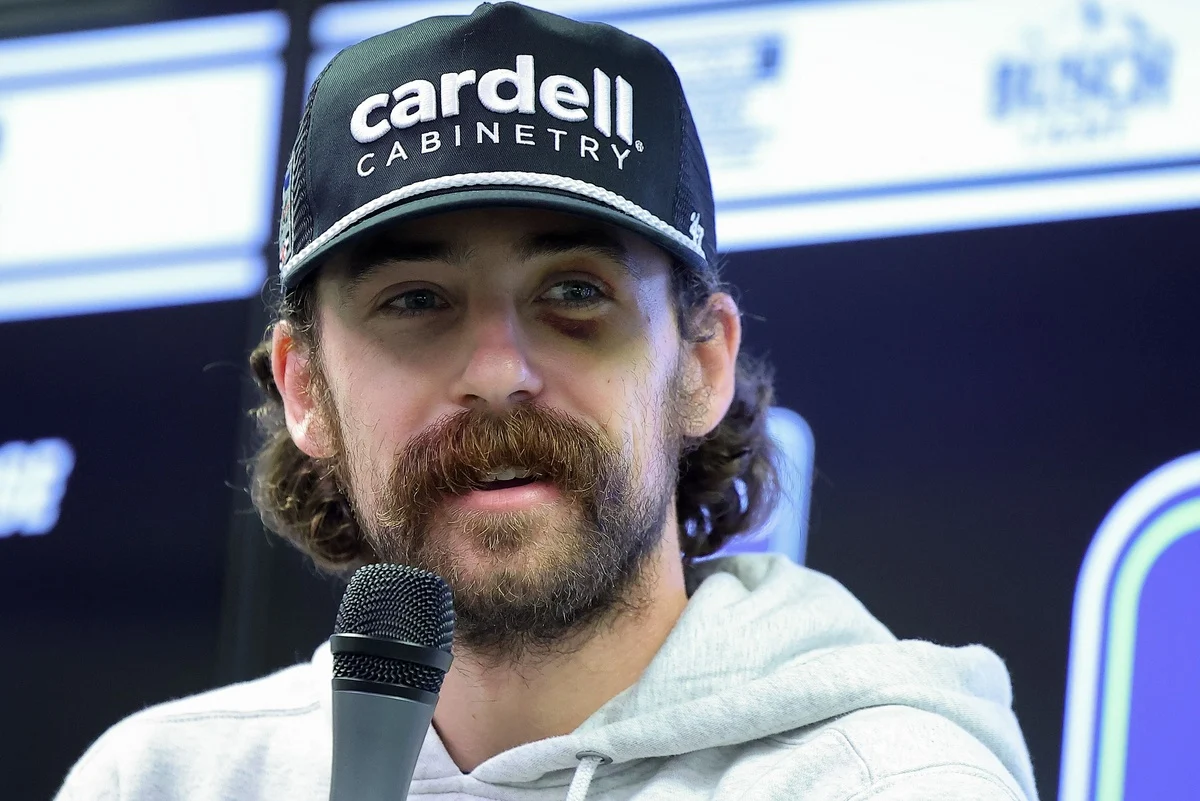
From Bristol Blowups to Paddock Camaraderie: Inside the Carson Hocevar and Ryan Blaney Aftermath
Main Facts: The Clash That Shook the Garage The NASCAR Cup Series paddock is no stranger to high-stakes drama, sheet metal carnage, and the occasional post-race altercation. However, the fiery…
MotoGP Unveils Its Most Ambitious Schedule Yet: 22 Rounds, New Global Hubs, and a Bold 2027 Vision
By Motorsport News Desk The wheels of change are officially in motion for premier-class motorcycle racing. MotoGP has released its official calendar for the 2027 season, and it promises to…

 Neng Nana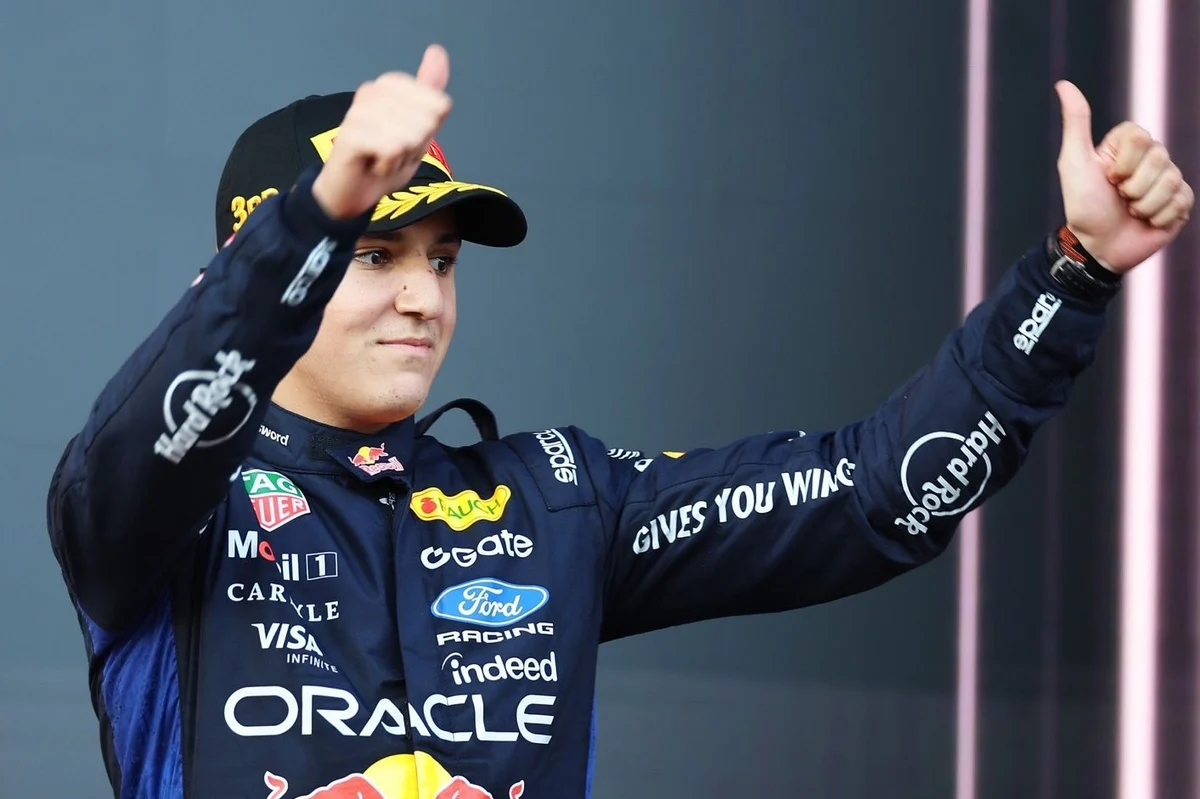


 Lina Irawan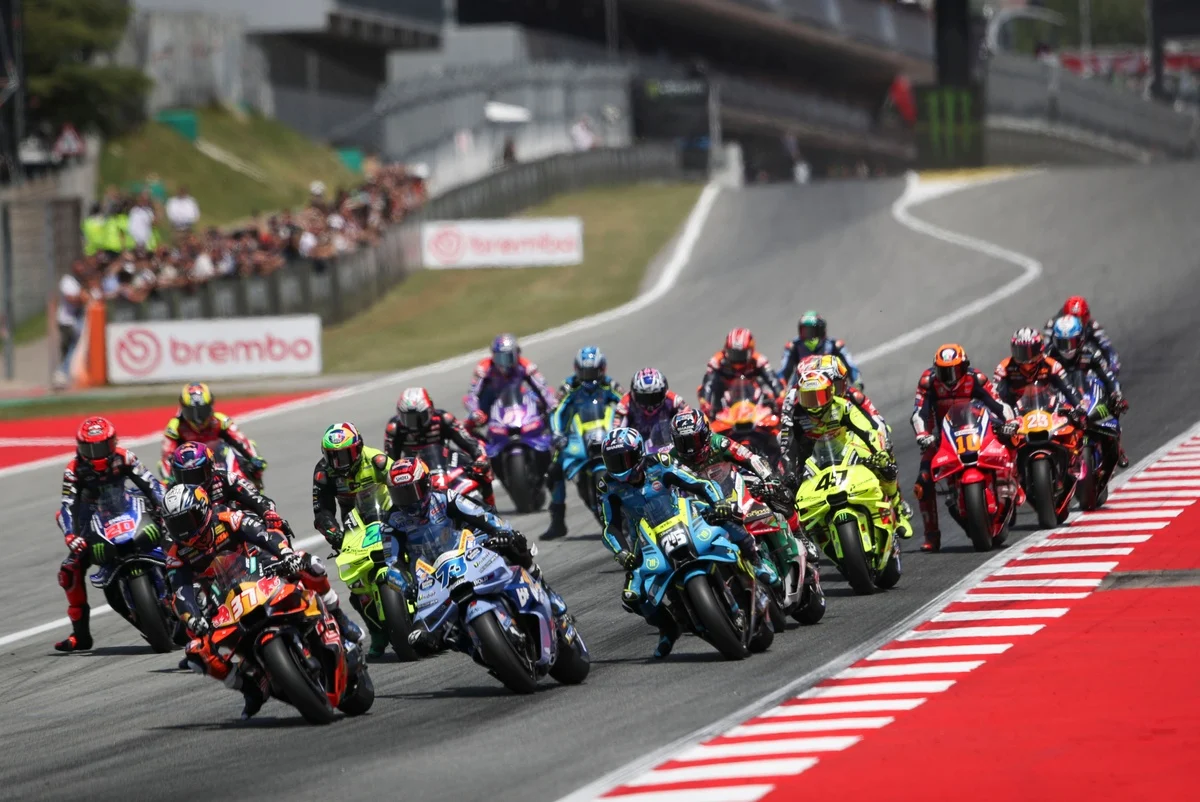
 Iffa Jayyana
 Reynand Wu
 Pevita Pearce
 Laily UPN
 Siti Muinah