
 Nana Muazin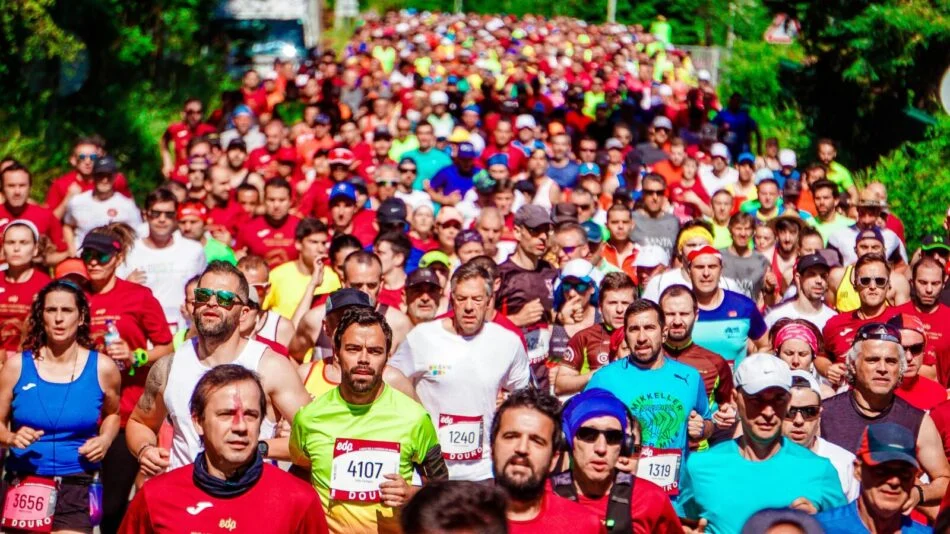
For the dedicated long-distance runner, the marathon is more than just a race; it is the ultimate crucible of human endurance. Spanning 26.2 miles (42.195 kilometers), the event serves as a profound physical and psychological challenge that tests the limits of one’s preparation, resolve, and spirit. Beyond the personal milestone, the modern marathon has evolved into a global phenomenon, transforming iconic city streets into stages for athletic ambition.
With over 800 marathons held annually across the globe, the opportunity to combine competitive racing with international exploration has never been greater. Whether you are chasing a personal best (PB), aiming for a "World Major" medal, or simply seeking to experience a new culture on foot, selecting the right race is a pivotal decision.
The Strategic Approach: How to Choose Your Next Race
Selecting a marathon is a complex logistical exercise. With hundreds of options ranging from high-altitude trail runs to flat, asphalt-paved city circuits, runners must adopt a systematic approach to ensure their choice aligns with their capabilities and goals.
Conducting Due Diligence
Much like vetting a travel destination or a high-end service, prospective participants should approach race selection with rigor.
- Reputation and Reviews: Consult community forums, social media, and race-reporting publications. If a race is plagued by poor organization, inadequate aid stations, or lackluster crowd support, it is often wise to look elsewhere.
- Course Profiling: A runner’s style dictates their needs. A "flat and fast" course is essential for those chasing a specific time, while those seeking a scenic experience might prioritize elevation changes and landmark density.
- Meteorological Considerations: Environmental conditions are the silent partners in any marathon. Runners must analyze historical weather data for the race date. High humidity or unseasonable heat can derail even the most meticulously prepared athlete.
Chronology of the Global Marathon Movement
The marathon’s history is rooted in the legend of Pheidippides, but its modern iteration has grown exponentially over the last five decades.
- The Early Expansion (1970s): Following the success of the Boston Marathon, the 1970s saw a massive boom in road running. The Vancouver Marathon, established in 1972, serves as a quintessential example of this era, marking the transition of marathons from elite athletic club events to mass-participation community festivals.
- Institutionalization (1980s–1990s): Races like the Budapest Marathon, which found its current iteration in 1984, began to solidify the concept of "Marathon Tourism." These events began prioritizing city-wide branding, utilizing local heritage sites as backdrops to attract international tourism.
- The Modern Era (2000s–Present): Today, the Abbott World Marathon Majors (London, New York, Tokyo, Berlin, Boston, and Chicago) have set the gold standard. These races represent the pinnacle of event management, drawing hundreds of thousands of applicants annually and creating a competitive, global circuit for amateur and elite runners alike.
Spotlight on Iconic Destinations
While the "Majors" capture the headlines, the global landscape offers diverse experiences that define the marathon lifestyle.
The Budapest Marathon: A Cultural Odyssey
The Budapest Marathon is a testament to the intersection of sport and history. Since its 1984 inception, the event has grown into a cornerstone of Central European athletics.
- The Route: Runners navigate a course defined by its architectural grandeur. Participants cross seven bridges and tackle three distinct hills, providing a balanced challenge. The route highlights the Hungarian Parliament Building, the historic Buda Castle, and the serene banks of the Danube River.
- Timing: Held in the second week of October, the race offers optimal autumnal weather—crisp, cool, and perfect for long-distance exertion.
The Vancouver Marathon: Nature Meets Urbanity
Boasting over 25,000 annual participants, the Vancouver Marathon is celebrated for its integration of the natural environment into the urban racing experience.
- The Scenery: With views of the Pacific Ocean and the coastal mountain range, the course is visually stunning. Large segments of the race wind through Stanley Park, allowing runners to experience the city’s lush, temperate rainforest atmosphere.
- Community Engagement: The event is famous for its "passionate locals." The level of crowd support in Vancouver is frequently cited by participants as a primary factor in their ability to overcome the "wall" at mile 20.
Supporting Data: The Metrics of Participation
The growth of marathon running is supported by tangible data regarding health, economic impact, and performance trends.
| Metric | Estimated Global Impact |
|---|---|
| Annual Global Races | 800+ |
| Average Participant Age | 35–45 years |
| Economic Contribution | Estimated $1.2B annually (combined entry/travel) |
| Training Duration | 16–20 weeks (average) |
Research indicates that the "marathon effect"—the psychological shift experienced after successfully completing 26.2 miles—often leads to increased long-term physical activity levels. However, the data also highlights the importance of preparation. Injury rates remain high among first-time participants who underestimate the necessity of a structured 16-to-20-week training block.
Official Perspectives and Expert Guidance
Industry experts emphasize that a marathon is not merely a physical event; it is a mental commitment. According to seasoned race directors, the "mental game" often begins months before the starting gun.
"Athletes often fixate on their pace, but they neglect the administrative and logistical preparation," notes running coach Kevin Roberts. "Whether it’s securing a hotel near the start line or understanding the betting markets—which can sometimes serve as an unconventional, albeit speculative, indicator of expected finish times—the marathon is an exercise in total management."
A Note on Betting and Expectations: While some utilize sportsbooks to gauge the "implied probability" of specific finish times or elite performances, runners are advised to approach these sites with caution. Always ensure that any platform used for data or speculation is verified through legitimate, regulated review channels to avoid fraudulent activity.
Implications: The Future of Marathon Tourism
The implications for the future of the sport are clear: the marathon is becoming a primary vehicle for international travel. "Race-cations" are now a standard component of the global tourism industry.
Beyond the Finish Line
The true value of traveling for a marathon lies in the post-race experience. When planning your itinerary:
- Recovery Time: Schedule at least 48 hours of rest post-race. Do not attempt to pack your travel schedule with strenuous sightseeing immediately after crossing the finish line.
- Cultural Immersion: Use the race as a jumping-off point to explore neighborhoods you might not have visited otherwise.
- Community Connection: Engage with local running clubs in the host city. Many international marathons host "shakeout runs" in the days leading up to the main event, offering a unique opportunity to connect with the global running community.
Final Considerations for the Aspiring Marathoner
As you look toward your next challenge, remember that the marathon is a personal journey. Whether you are running for a record or simply to earn the medal, the process of training and the experience of racing in a foreign city are transformative.
Thoroughly research your chosen course, respect the weather, and above all, ensure your training is as rigorous as your ambition. The world’s roads are waiting—from the historic streets of Budapest to the scenic waterfronts of Vancouver—and each mile is a story waiting to be written.
Courtesy to Kevin Roberts.

 Nana Wu
 Siti Muinah
 Neng Nana

 Lina Hope
 Sagoh
Sagoh
 Iffa Jayyana