
 Pevita Pearce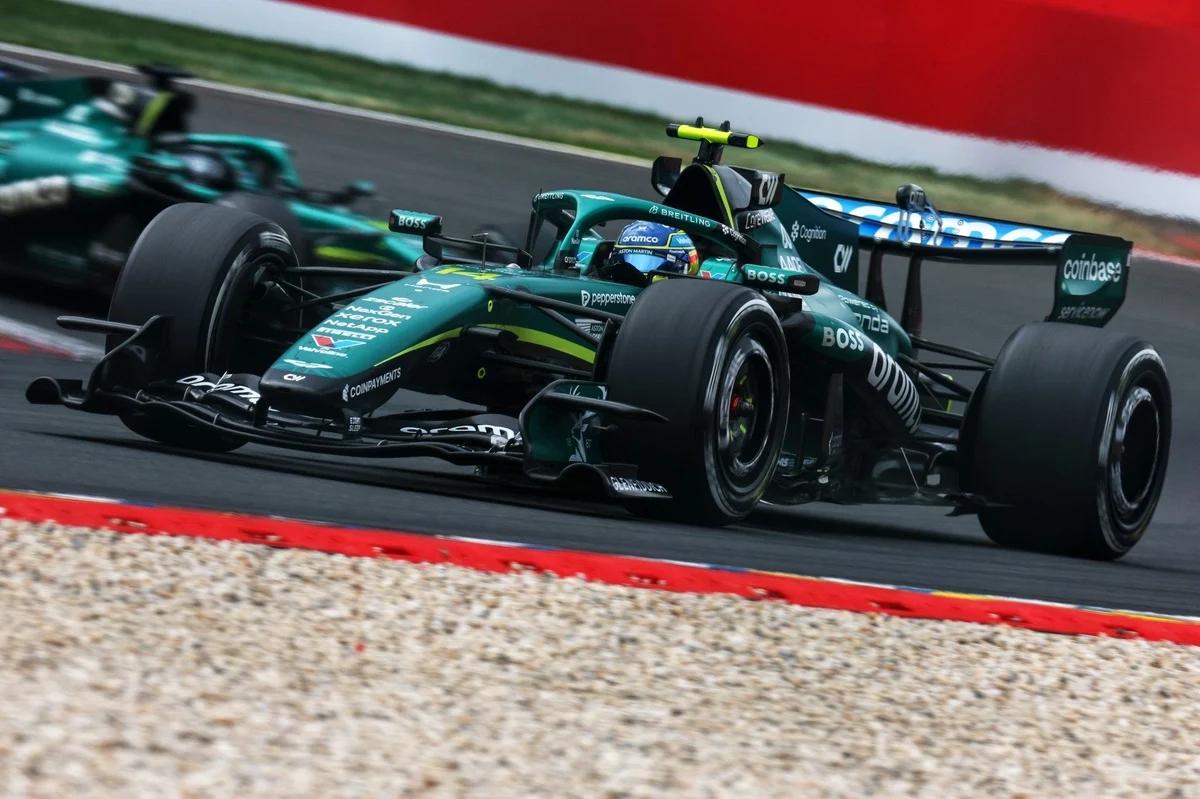
The 2024 Formula 1 season has been a masterclass in frustration for Aston Martin. Once the bright spark of the early 2023 campaign, the Silverstone-based outfit has devolved into a backmarker struggling to retain relevance. Following a dismal performance at the Belgian Grand Prix, the team is now looking toward a radical "B-spec" overhaul at this weekend’s Hungarian Grand Prix, a development cycle that represents a make-or-break moment for the team’s current project and its future technical direction.
A Belgian Nightmare: The Nadir of the Campaign
The Belgian Grand Prix was, in many ways, the definitive low point of Aston Martin’s season. The race was a public relations and sporting catastrophe. Lance Stroll’s race ended prematurely due to a mechanical failure—a clutch issue that underscored the team’s ongoing reliability woes. Meanwhile, two-time world champion Fernando Alonso, a driver accustomed to fighting for podiums, cut a forlorn figure at the back of the field.
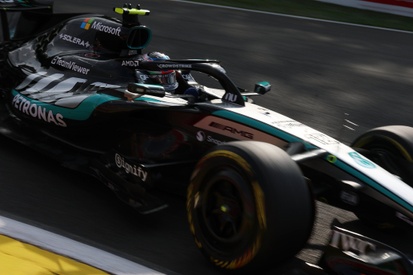
Alonso finished the race in last place, a full two laps down from the leaders. Perhaps most humiliatingly, he was unable to mount a challenge against the Cadillac works entry, driven by Valtteri Bottas. For a team with such significant investment and the legendary technical prowess of Adrian Newey behind the scenes, the performance gap to the rest of the midfield was stark, revealing a car that is currently devoid of competitive pace.

Chronology of a Collapse
To understand the current state of affairs, one must look at the trajectory of the season. Aston Martin began the year with cautious optimism, hoping to build on the foundations of 2023. However, development stalled almost immediately. While rivals like McLaren and Mercedes found significant gains through mid-season upgrades, the Aston Martin AMR series stagnated.
- Early Season: Initial races showed a lack of balance, which the engineering team struggled to diagnose.
- The Point Drought: Lance Stroll has endured a season defined by a lack of points, struggling to extract pace from an increasingly difficult car.
- The Monaco Exception: Fernando Alonso’s sole point in the principality served as a statistical anomaly rather than a sign of progress, achieved only through a chaotic series of penalties applied to other drivers.
- Post-Spa Realization: Following the Belgian GP, the realization that the team is no longer "racing" against its peers became the central theme of the post-race debriefs.
The "B-Spec" Gamble: A Technical Overhaul
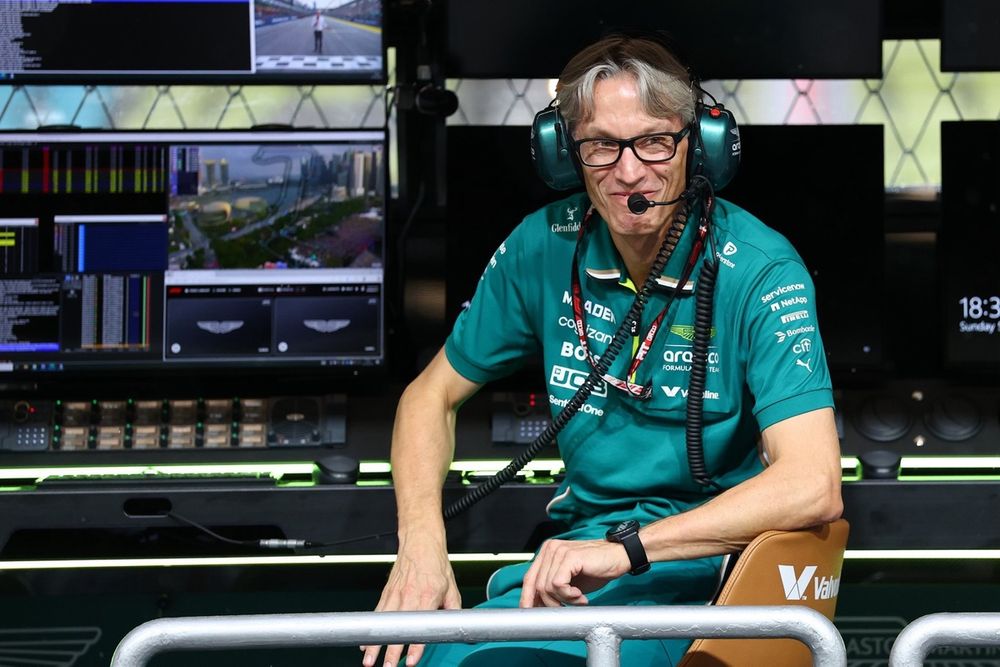
In response to the slide, Mike Krack, Aston Martin’s trackside chief, has pinned the team’s survival on a radical B-spec car. This is not merely a collection of minor aerodynamic tweaks; it is a fundamental reconstruction of the machine. The team has been forced to submit a revised chassis for FIA crash testing, a testament to the scale of the structural and aerodynamic changes.
The Newey Influence
The upgrades were developed under the watchful eye of technical mastermind Adrian Newey. Industry whispers suggest these changes could theoretically yield a performance gain of up to two seconds per lap. While such a jump would be unprecedented in the modern, cost-capped era of Formula 1, it highlights the desperation for a "silver bullet" solution.

However, the reality check remains: even a two-second gain would barely elevate the car into the midfield mix, highlighting just how far the team has fallen behind the front-runners. The upgrades focus heavily on weight reduction and advanced aerodynamic efficiency, areas where the current chassis has been notoriously inefficient.
Official Responses: The Search for Accountability
During the post-race media briefing in Belgium, Mike Krack maintained a composed, albeit subdued, demeanor. "We will have to see," Krack stated regarding the upcoming upgrades. "For us, what’s most important is that we go back to racing. We have not been racing over the last events. It was very difficult to keep up with the midfield."
Krack acknowledged the comprehensive nature of the changes, confirming that the team has essentially built a new monocoque. "The main things are obviously aerodynamic and weight," he explained. "And to achieve that, you have to do a lot of things. Everything has been achieved that we wanted. The period that we had now with no upgrades for a very long time is now over. It looks good for the future, and we are all looking forward to Budapest."
Strategic Implications and the 2027 Driver Market
The implications of the Hungary upgrade extend far beyond the weekend’s points tally. For team owner Lawrence Stroll, the project is a test of his heavy financial commitment. Having recruited top-tier engineering talent, including the high-profile acquisition of Newey, Stroll requires tangible evidence that his investment is yielding a winning trajectory.
For Adrian Newey, his reputation is inextricably linked to this upgrade. While his legacy as the greatest designer in F1 history is secure, the ability to turn a failing project around under the constraints of modern regulation will be a defining chapter in his career.
Furthermore, the performance of the new car is the primary variable in the 2027 driver market. Fernando Alonso, who will soon celebrate his 45th birthday, is reaching a crossroads. His commitment to the team is predicated on the promise of competitive machinery. If the B-spec car fails to deliver, the conversation regarding Alonso’s future—and his potential retirement—will shift from speculative to inevitable.

Shifting Dynamics: The Honda Relationship
One of the most interesting subplots in the Aston Martin saga has been the cooling of tensions with engine partner Honda. Early in the season, frustrations were palpable, with the team publicly hinting that the power unit was a bottleneck.
However, recent weeks have seen a shift in tone. The team now appears to acknowledge that the engine is not the sole culprit for their lack of speed. There is a newfound maturity in the relationship, with both parties recognizing that pointing fingers does little to improve lap times. Historically, Honda’s F1 journey has always been characterized by a steep learning curve that eventually leads to dominance. Whether that timeline aligns with the current needs of the Silverstone team remains to be seen.
Conclusion: A Pivot Point in Budapest
As the circus arrives in Budapest, all eyes will be on the Aston Martin garage. The "B-spec" car is the culmination of months of internal pressure, failed experiments, and intense development. The team is not just fighting for position; they are fighting for their identity as a top-tier contender.
If the upgrades function as intended, the narrative of the 2024 season could shift from a tale of decline to one of resilience. If they fall short, the team faces a long, difficult winter of soul-searching and potential restructuring. For now, the sentiment remains one of guarded optimism. As Krack noted, the most important thing is simply "going racing" again. Whether that racing results in a resurgence or a continuation of their current misery will be revealed under the Hungarian sun.
The upcoming weekend represents the definitive test of whether the team’s technical vision can bridge the chasm that has opened up between them and the rest of the grid. For a team that has set its sights on the pinnacle of the sport, there is no longer any room for error. The clock is ticking—not just on the season, but on the project itself.


 Neng Nana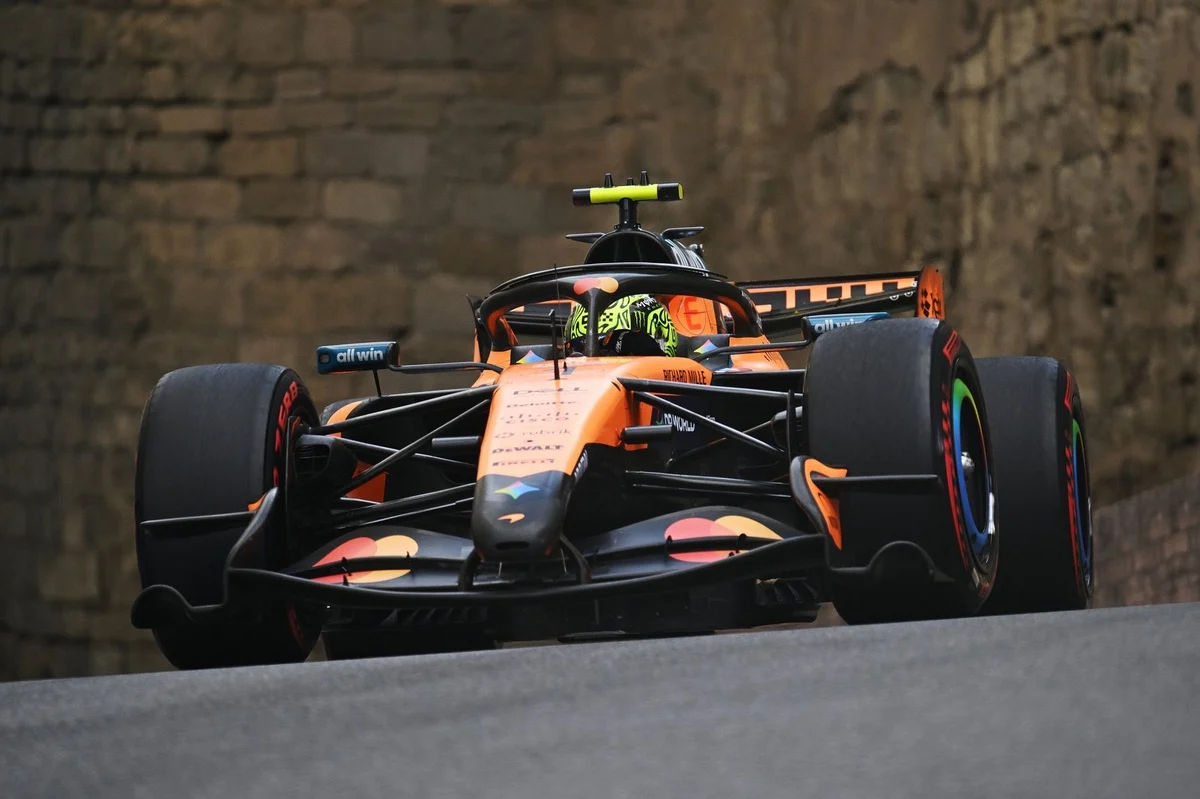
 Nana Wu

 Lina Hope

 Sagoh
Sagoh
 Iffa Jayyana