
 Neng Nana
As the Ospreys prepare to run out at the historic, newly revamped St Helen’s ground in Swansea, the atmosphere is a paradoxical blend of nostalgia and existential dread. For a region that has historically stood as a powerhouse of Welsh rugby, the current moment represents perhaps the most precarious chapter in its two-decade history. While the return to the spiritual home of Swansea RFC offers a sentimental homecoming for fans, the team steps onto the pitch with a roster stripped of its talismanic captains and a future that remains entirely subject to the shifting whims of Welsh Rugby Union (WRU) governance.
Main Facts: A Region at the Crossroads
The Ospreys enter the 2026-27 season under a cloud of transition. The departure of international heavyweights Jac Morgan and Dewi Lake to the Gallagher Premiership’s Gloucester has left a vacuum in both leadership and on-field quality. These exits are not merely personnel changes; they symbolize the struggle of the Welsh regions to retain top-tier talent in an era of fiscal austerity and structural reorganization.
Beyond the squad, the organization itself is in a state of suspended animation. Despite signing a new Professional Rugby Agreement with the WRU in June, the long-term viability of the Ospreys is anything but guaranteed. With the WRU continuing to toy with the idea of culling one of its four regions, the Ospreys find themselves in a race against time to prove their worth on the pitch before their current agreement expires in 2027-28.
A Chronology of Instability
To understand the current crisis, one must look back at the chaotic sequence of events that defined the last eighteen months:
- Late 2024: Long-serving head coach Toby Booth departs the region, marking the end of an era and the beginning of a period of coaching uncertainty.
- Early 2025: The owners of the Ospreys, Y11, attempt to purchase Cardiff Rugby. The collapse of this merger creates a seismic rift in the Welsh regional landscape, leaving the Ospreys’ ownership model under intense scrutiny.
- June 2026: A temporary ceasefire is reached as the Ospreys sign a new Professional Rugby Agreement with the WRU. While this provides short-term funding, it serves more as a stay of execution than a long-term solution.
- Summer 2026: Chief Executive Lance Bradley exits the organization, removing a key administrative figure during the most critical off-season in the club’s history.
- September 2026: The Ospreys move into their redeveloped facility at St Helen’s, attempting to ground the team in a community-focused environment even as the board room remains in turmoil.
Supporting Data: The Statistical Reality
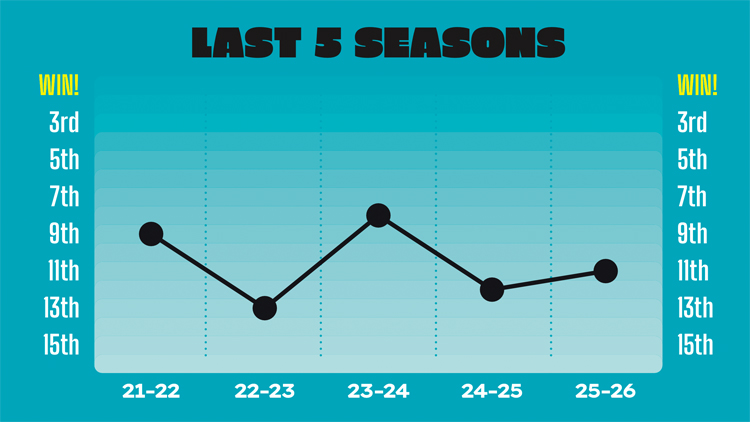
The on-field struggles are as quantifiable as the off-field politics. The Ospreys finished last season in 11th place, a performance that highlighted systemic issues in their set-piece execution. According to league metrics, the Ospreys recorded a joint-lowest lineout success rate of just 83%. Furthermore, their attacking scrum success sat at a dismal 86%, leaving them as the second-worst in the competition.
These statistics suggest that Mark Jones, the new head coach, faces an uphill battle to implement a structure capable of competing with the upper echelons of the URC. The loss of Morgan and Lake—players who were fundamental to the region’s defensive grit and breakdown dominance—will only exacerbate these set-piece frailties unless the incoming recruits can immediately adapt to the pace of the league.
Official Responses and Internal Sentiment
The narrative coming out of the Ospreys’ camp is one of "tunnel vision." Head coach Mark Jones has been tasked with the unenviable job of insulating his squad from the background noise of potential liquidation or further restructuring. Internal briefings suggest an emphasis on the "next man up" mentality, with management pointing to key signings as evidence of a forward-looking strategy.
The recruitment of Liam Wright is particularly telling. The former Australia captain, who qualifies for Wales in September 2027, brings high-level leadership experience to a squad that has lost its primary voices. Additionally, the arrival of centre Lalakai Foketi from the Chiefs offers a glimmer of offensive creativity. However, the official line remains guarded; when asked about the post-2027 landscape, sources close to the board maintain that the priority is the "day-to-day stability" of the current campaign.
The Implications: What Lies Ahead?
The implications of this season are monumental for the future of Welsh professional rugby. If the Ospreys fail to outperform their 11th-place finish, the case for their continued existence within the WRU’s four-region structure becomes increasingly difficult to argue.
The Financial Burden
The economic model of the regions is under immense pressure. With betting markets placing the Ospreys at 150-1 for title success, the bookmakers have clearly lost faith in the region’s ability to mount a serious challenge. Without the revenue generated by deep runs in European competitions or high-placed URC finishes, the financial sustainability of the club will continue to rely on the goodwill of the WRU—a body that has shown a willingness to sacrifice regional identities for the sake of national consolidation.
The Player Development Pipeline
Perhaps the most worrying implication is the impact on youth development. Players like Morgan Morse, who has shown flashes of brilliance but lacks a sustained run at the international level, are at a critical juncture. For young talents in the Ospreys’ academy, the uncertainty surrounding the club’s future is a deterrent. If the region is not seen as a secure environment for long-term career growth, the best young Welsh players will inevitably look to the Gallagher Premiership or the Top 14, further eroding the standard of the domestic game.
The Cultural Shift
Moving to St Helen’s is an attempt to reconnect with the roots of the game, a tactical shift aimed at bolstering fan engagement. The hope is that by playing at a more intimate, historic venue, the Ospreys can foster a stronger bond with their local community. However, in modern professional sports, nostalgia is a thin shield against poor results. If the team does not produce a brand of rugby that justifies the investment, the fans—while loyal—may find it difficult to maintain their support for a project that feels like it is constantly on the brink of collapse.
Key Players to Watch
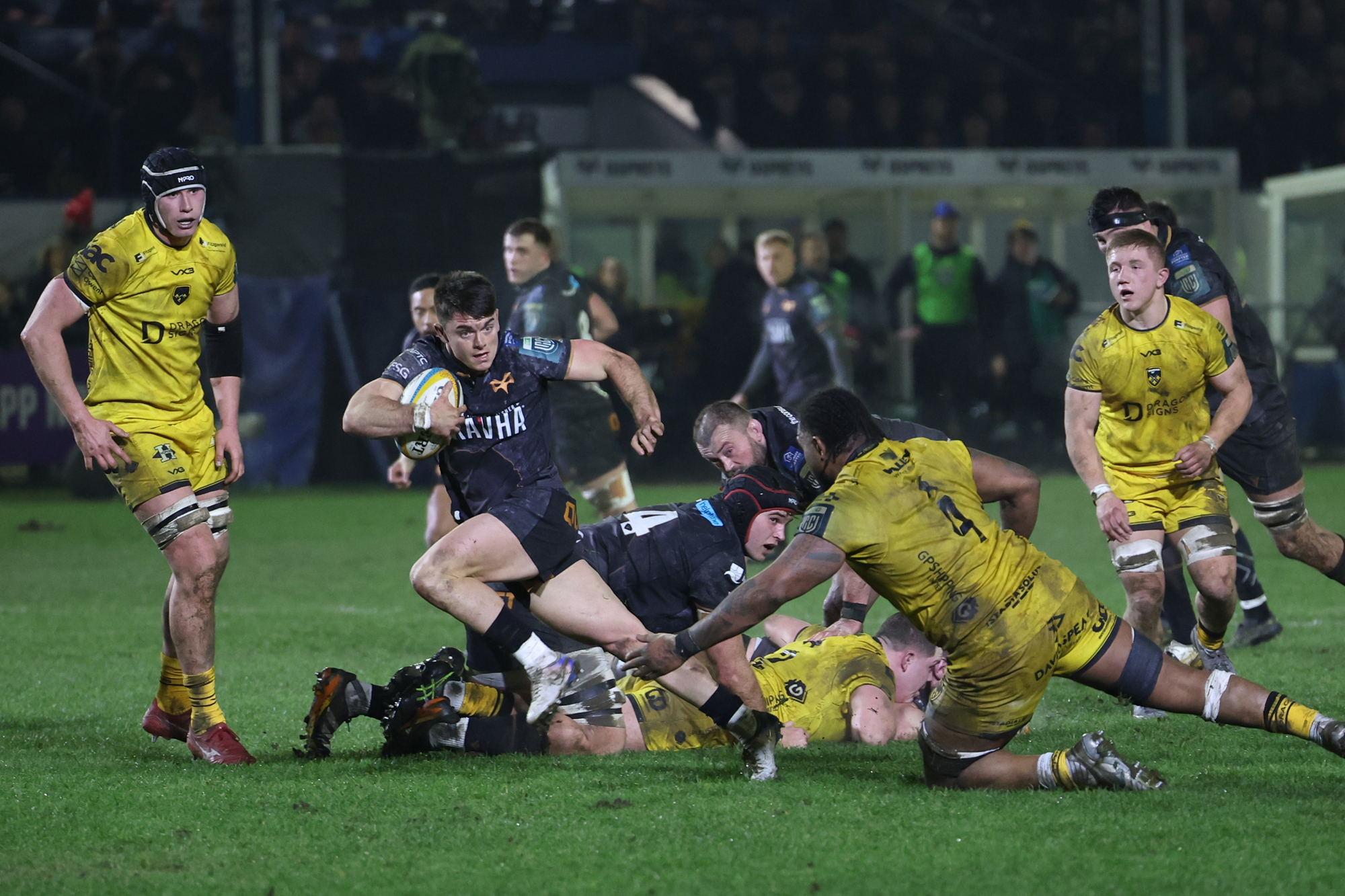
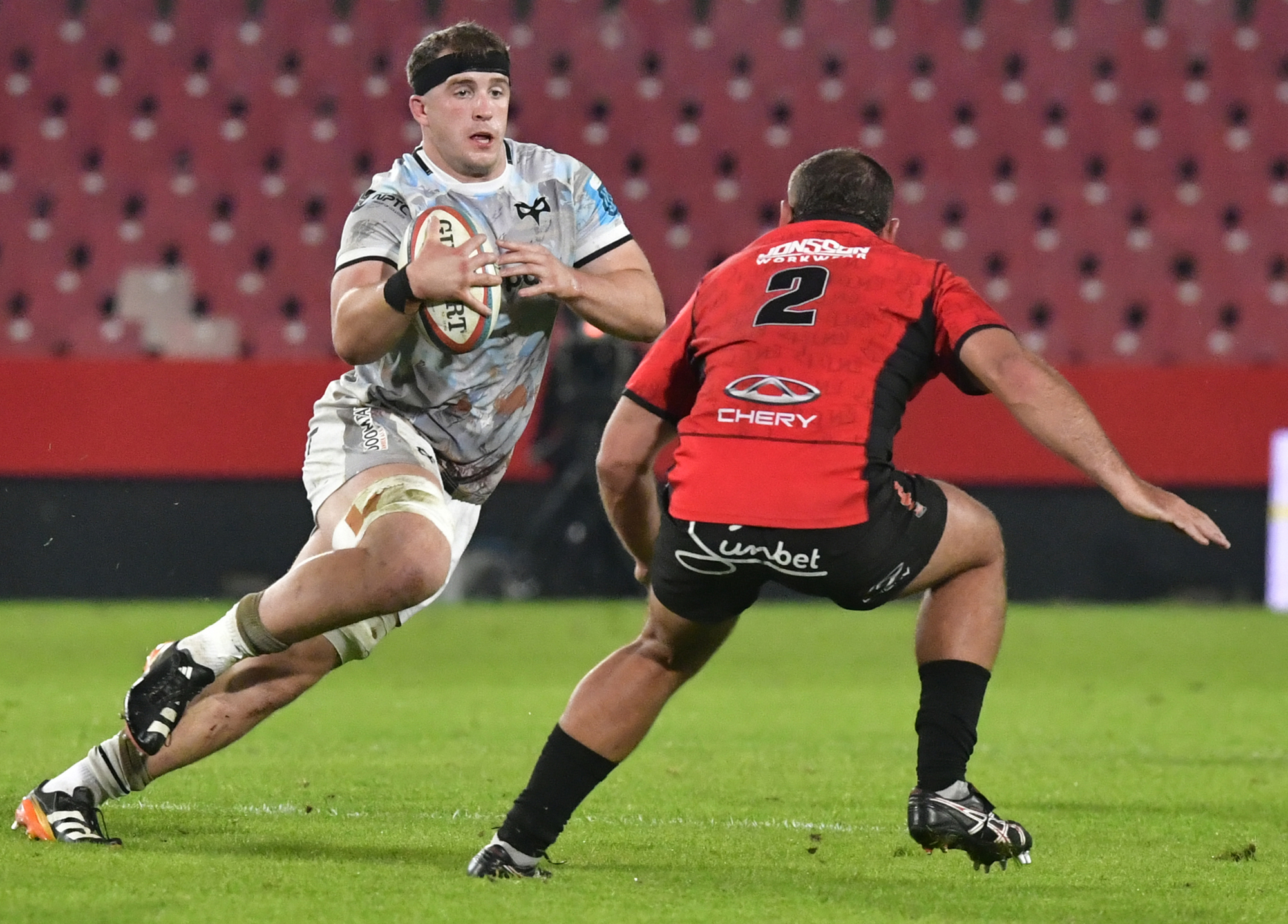
Despite the gloom, there are bright spots. James Ratti remains the engine room of the pack; his ability to carry the ball into heavy traffic and draw in multiple defenders remains a vital asset. Furthermore, the decision of fly-half Dan Edwards to reject an approach from Leicester Tigers is a significant victory for the club. Edwards, viewed by many as a future cornerstone of the Welsh national side, represents the kind of home-grown talent the Ospreys must retain if they are to have any hope of a renaissance.
The coaching staff, led by Jones and supported by Richard Fussell, Richard Kelly, and Duncan Jones, must now work to synthesize these disparate elements. They have the talent, but they have very little time.
Conclusion: A Make-or-Break Year
The 2026-27 season is, without hyperbole, the most important in the history of the Ospreys. It is a season where the team must play not just for points, but for its very survival. Every lineout that is won, every scrum that holds firm, and every try scored at St Helen’s will be interpreted as a message to the WRU that the Ospreys still have a place at the top table of Welsh rugby.
As the squad prepares for the kick-off on September 25, the weight of the region’s history is on their shoulders. Whether this return to their roots serves as a revival or a final farewell will be determined in the coming months. For the sake of the URC and the broader health of Welsh rugby, one hopes that the Ospreys can find the form to silence the doubters and keep the flame of the region alive.
The fans will be there at St Helen’s, waiting to see if the dream can survive the reality. The players, meanwhile, have a simple but daunting task: play with the conviction that their club deserves to exist, and let the results do the talking.

 Iffa Jayyana
 Ali Ikhwan

 Jia Lissa
 Dwi Wanna
 Evan Lee Salim