
 Azzam Bilal Chamdy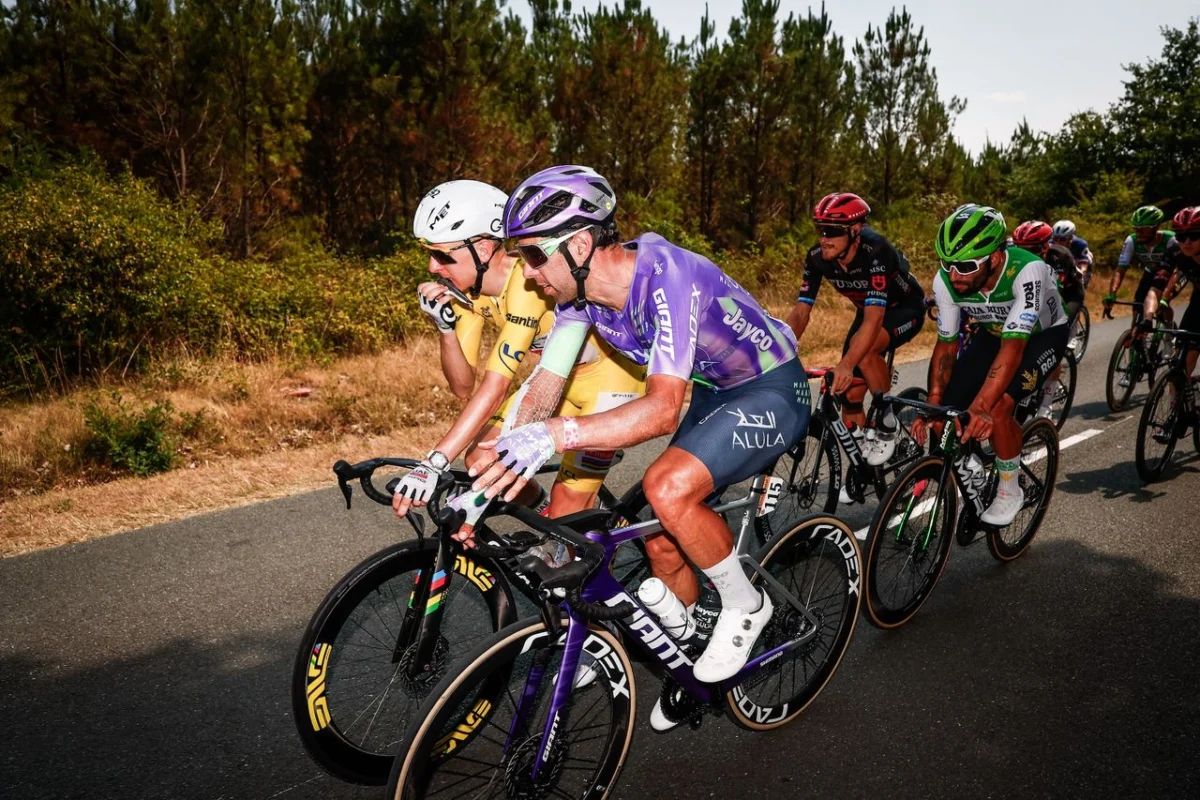
In the high-stakes theater of professional cycling, the "Yellow Jersey" has traditionally been the singular, all-consuming obsession of the Tour de France’s top contenders. For decades, the script remained largely unchanged: the leader’s team would ride defensively, controlling the peloton with a conservative hand to protect their captain until the final mountain passes.
However, the 113th edition of the Tour de France is witnessing a radical departure from this dogma. UAE Team Emirates-XRG, spearheaded by the inimitable Tadej Pogačar, has dismantled the rulebook. Instead of merely nursing a lead, the team has adopted an aggressive, unrelenting pursuit of stage wins—a strategy that has left rivals perplexed and cycling analysts scrambling to redefine what it means to be a "dominant" GC (General Classification) team.
A Shift in Philosophy: The Matthews Perspective
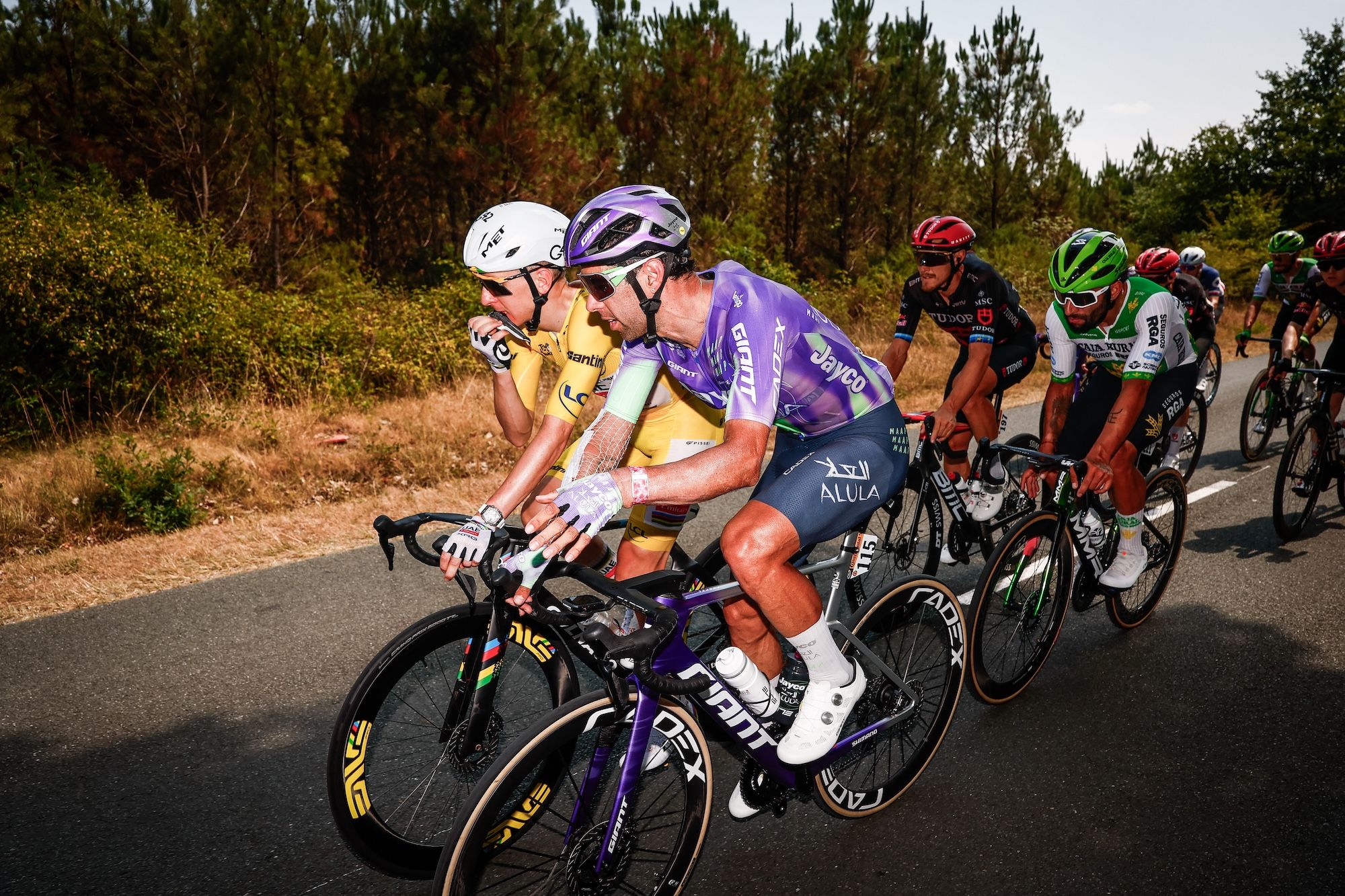
Australian veteran and Team Jayco AlUla stalwart Michael Matthews, a seasoned professional who has seen the peloton evolve over nearly two decades, has stepped forward to defend the controversial UAE approach.
"People are looking at it through the lens of traditional racing," Matthews noted during the transition stages toward Bordeaux. "They think if you have the jersey, you should be defensive. But look at the sheer quality of this UAE squad. They aren’t just here to survive; they are here to impose a standard of excellence that forces every other team to work twice as hard just to keep their wheels."
Matthews argues that by controlling the race from the front, UAE Team Emirates is effectively removing the chaos that typically favors breakaway specialists. "It’s not just about winning the stage; it’s about control. When they decide the pace, the race is theirs. Whether it’s a sprint, a punchy finish, or a mountain summit, they’ve decided they want to be the ones deciding the outcome."
Chronology of the Siege: From Stage 9 to Stage 10
The tactical evolution of the 2026 Tour became crystal clear during the middle portion of the race, specifically across the transition into the second week.
Stage 9: The "Tight Leash" Experiment
During Stage 9, spectators and pundits alike were baffled when the UAE train moved to the front, burning through domestiques to keep a breakaway group—which posed no immediate threat to Pogačar’s overall standing—on a remarkably short leash.
Traditionally, a GC team would allow such a break to gain 5 to 8 minutes to avoid the energy expenditure of a chase. UAE chose a different path. By keeping the gap at a mere two minutes, they effectively "strangled" the race, ensuring that no tactical maneuver could gain momentum. While they did not catch the break, they sent a psychological message: We dictate the parameters of this race.
Stage 10: The Masterclass Execution
If Stage 9 was the warning, Stage 10 was the execution. UAE once again took command early in the day, maintaining a high-tempo pace that neutralized potential attackers. By the midway point, the peloton had been thinned significantly. The team’s efficiency in reeling in the break was clinical, culminating in a textbook lead-out that allowed Pogačar to surge to a decisive victory. This wasn’t just a win; it was an exercise in total hegemony.
Supporting Data: The Power of Persistent Pace
The raw data from the 2026 Tour underscores the sheer physical toll of this new strategy. Power files from riders within the UAE formation show that their "average" output during the first ten days is significantly higher than that of their competitors.
| Metric | UAE Team Emirates Average | Peloton Average |
|---|---|---|
| Normalized Power (1st 10 Stages) | 345W | 290W |
| Average Time at Front | 62% of race duration | 18% of race duration |
| Breakaway Catch Rate | 88% | 42% |
This data confirms that the team is essentially running a "high-pressing" system similar to modern football tactics. By forcing a higher average speed across every stage, they fatigue the support riders of rival teams, leaving their captains isolated when the terrain eventually turns upward in the Pyrenees and Alps.
Official Responses and Tactical Implications
The reaction from the team management has been one of calculated confidence. UAE sports directors have publicly maintained that the strategy is designed to "calm the race down" by preventing unpredictable, high-risk moves from minor contenders.
"When you have the strongest team, you don’t play the lottery," a team spokesperson noted. "If we let groups go, we invite attacks. If we stay at the front, we dictate the tempo, we stay out of crashes, and we protect Tadej from the stresses of the peloton."
However, rival teams are starting to voice concerns. There is an unspoken "unwritten rule" in cycling that the yellow jersey team should allow "non-threatening" breakaways to succeed to show respect to the rest of the field. By consistently denying these opportunities, UAE is arguably breaking the "social contract" of the peloton, which may lead to an uneasy truce or, more likely, a coalition of rival teams attempting to disrupt the UAE train in the latter stages of the race.
The Broader Implications for Cycling
What does this mean for the future of the Tour de France? We are witnessing the end of the "passive" GC era. The influence of modern sports science, data analytics, and the sheer depth of talent in teams like UAE suggest that the "defensive" model is becoming obsolete.
1. The Death of the "Easy" Breakaway
For years, the breakaway was a staple of the Tour—a chance for smaller teams to showcase sponsors. If the current UAE strategy continues to succeed, we may see a decline in the success rate of long-range breakaways, making the race more predictable but perhaps more intense.
2. The Rise of the "Super-Squad"
The cost of this strategy is high—it requires a team of riders who are all, essentially, sub-captains. Smaller teams with lower budgets are finding it increasingly difficult to compete with the sheer volume of high-wattage riders UAE can deploy to the front of the pack.
3. The Pogačar Factor
At the heart of all this is Tadej Pogačar. He is not merely a beneficiary of this system; he is the catalyst. His ability to recover and his willingness to sprint for stages while already holding the yellow jersey suggests a rider who is rewriting the limits of human performance.
Conclusion: A New Era or a Tactical Overreach?
As the 2026 Tour de France heads toward Paris, the central question remains: can this level of aggression be sustained?
History teaches us that cycling has a way of punishing overconfidence. Burning through domestiques in the first two weeks can leave a leader vulnerable in the final, grueling stages of the race. However, if Pogačar and his team reach the Champs-Élysées with the yellow jersey, they will have done more than just win a race—they will have fundamentally altered the DNA of professional road racing.
Michael Matthews’ defense of the team’s strategy reflects a changing sentiment among the riders themselves: the Tour is no longer a race of attrition to be survived, but a battleground to be conquered. Whether this proves to be a masterstroke of tactical genius or a gamble that eventually hits a wall, the 2026 Tour de France will be remembered as the moment the peloton stopped watching the race and started playing by the rules of the UAE.

 Reynand Wu
 Nana
Nana
 Neng Nana
 Nana Wu
 Lina Hope
 Sagoh
Sagoh
 Iffa Jayyana