
 Pevita Pearce
Main Facts
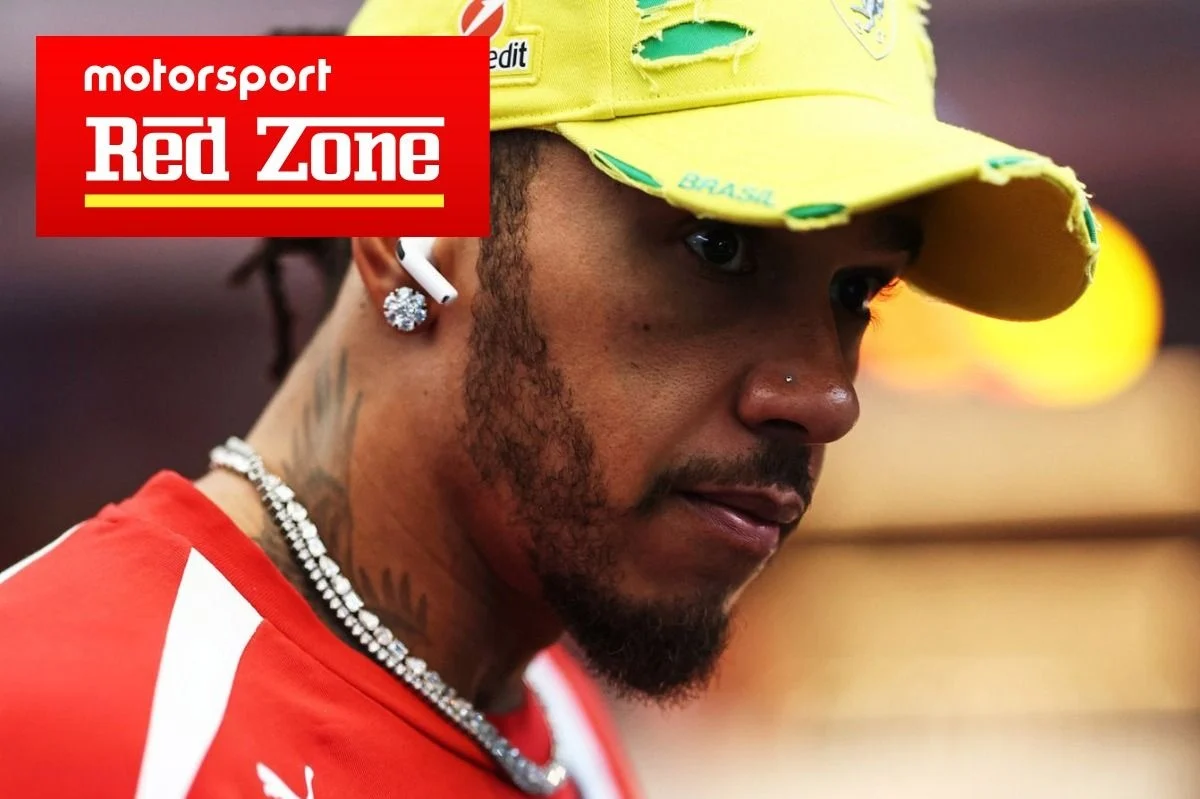
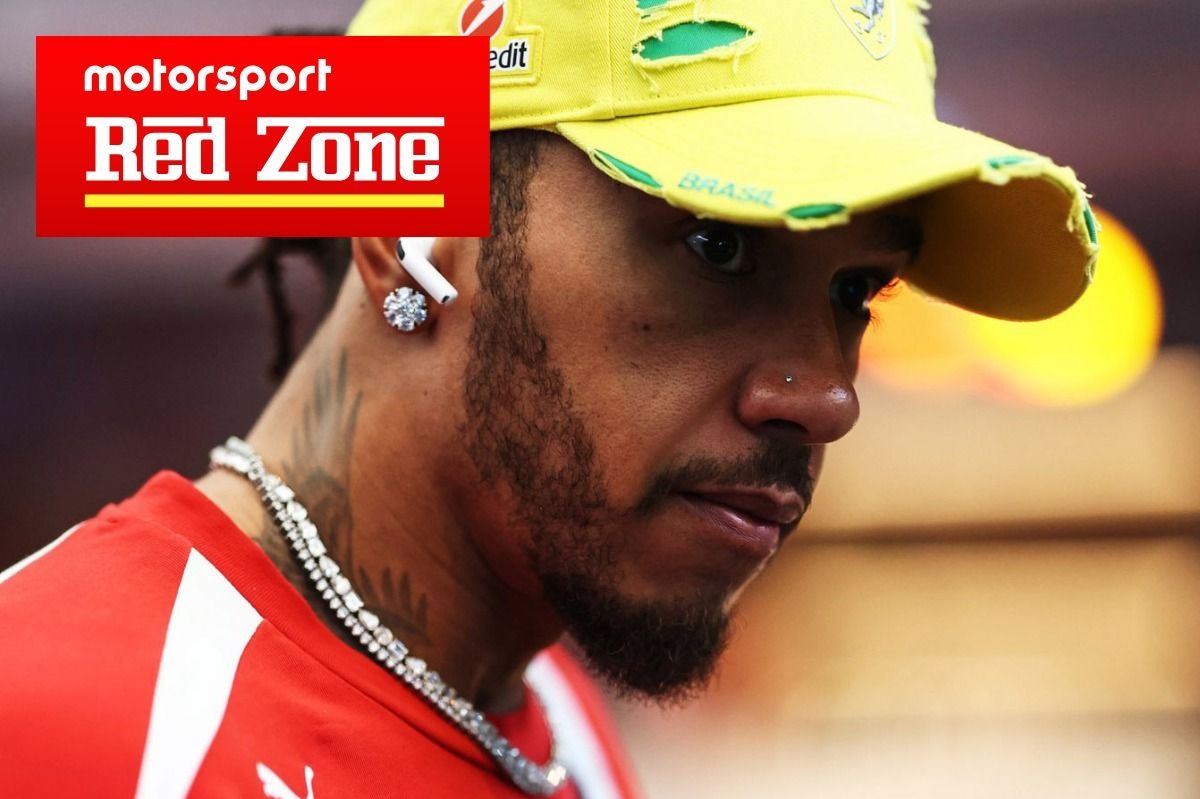
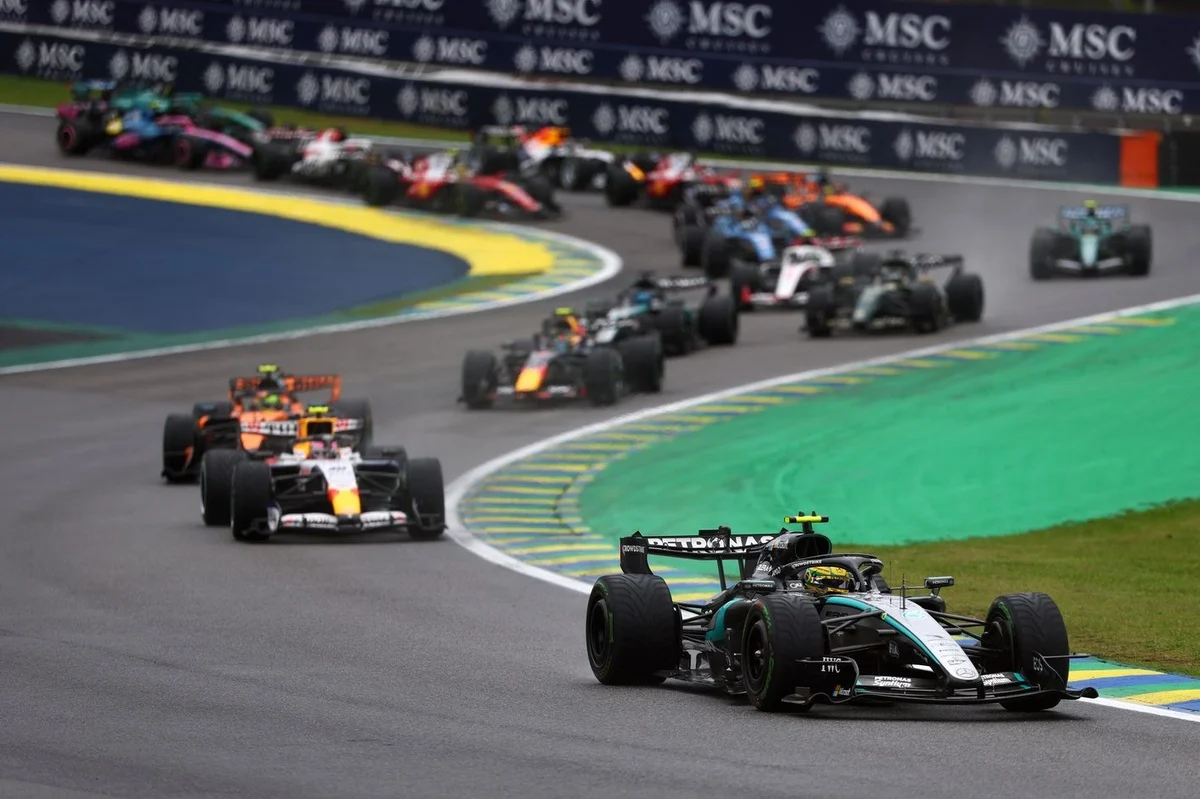
The commercial and brand landscape of Formula 1 has undergone a fascinating seismic shift. According to the newly released SportsPro 50 Most Marketable Athletes rankings for 2026—compiled in partnership with data analytics experts at NorthStar Solutions Group—seven-time world champion Lewis Hamilton has experienced a dramatic fall from grace. After claiming the coveted number-one spot globally in last year’s edition, the British icon has plummeted to 22nd overall.
Even more striking for Scuderia Ferrari is that Hamilton has now been surpassed by his own teammate, Charles Leclerc. The Monégasque driver has surged into the global top ten, capturing ninth place after sitting comfortably at 25th in the previous rankings. Hamilton’s marketability score took a steep tumble from 96.03 out of 100 down to 66.63, leaving him trailing Leclerc, who scored a robust 71.12.
At the very pinnacle of the 2026 list sits Belarusian tennis star Aryna Sabalenka, who commands the top spot. She is followed closely by an elite multi-sport group featuring freestyle skiing superstar Eileen Gu, NBA titan Giannis Antetokounmpo, football goal-scoring machine Erling Haaland, and tennis phenom Carlos Alcaraz.
Within the high-octane ecosystem of Formula 1, representation in the elite top 50 remains surprisingly exclusive. Aside from Leclerc and Hamilton, Max Verstappen of Red Bull Racing is the only other F1 driver to crack the top tier, though the Dutchman has climbed upward from 81st to 48th.
Expanding the scope to the top 100 reveals unexpected fluctuations and narrative-rich surprises further down the grid. McLaren’s Oscar Piastri secured 56th place, placing him notably ahead of his own teammate and 2025 world champion Lando Norris, who suffered a sharp drop from 41st down to 78th. Meanwhile, F1’s newer championship-winning talent, Kimi Antonelli, barely scraped into the extended lists, landing down in 126th position.
Chronology
To fully understand how these marketability rankings materialized, one must examine the specific timeline captured by the data. The metrics utilized by SportsPro and NorthStar Solutions Group cover a strict and telling assessment period: from July 1, 2025, to June 30, 2026.
This chronological window provides essential context for the turbulence observed in Formula 1’s commercial valuations. During the second half of 2025 and the early months of 2026, the motorsport world was gripped by the aftermath and implementation of major driver moves, most notably Hamilton’s high-profile transition to Ferrari.
Unfortunately for the Briton’s marketability metrics, this specific evaluation window coincided precisely with the toughest phase of his adaptation period with the Scuderia. During that exact timeframe, Hamilton endured a historic slump, failing to secure a single Grand Prix podium finish. The metrics heavily reflect this on-track struggle, weighing brand equity, current momentum, and immediate commercial growth potential against the backdrop of a difficult debut campaign in red.
Conversely, the data collection timeline wrapped up just as the tide began to turn for Hamilton on the asphalt. In the subsequent months of the 2026 season—which fall outside the strict parameters of this specific index—Hamilton bounced back with remarkable vigor. He spent a significant portion of the early rounds fighting at the sharp end of the grid and sitting comfortably second in the Drivers’ Championship standings. With the 2026 season now narrowing down toward its final three Grands Prix, Hamilton finds himself entrenched in a fierce battle for fourth in the points, keeping his aspirations for a runner-up finish alive.
Crucially, because the evaluation period ended on June 30, 2026, subsequent milestones—such as Kimi Antonelli securing his dramatic world title in Mexico later in the autumn—are entirely absent from these current figures, meaning future editions of the index will likely present a very different portrait of the grid.
Supporting Data
The mechanics behind the SportsPro 50 Most Marketable Athletes list are deeply analytical, moving far beyond mere social media follower counts or simple race victories. The scoring model—out of a maximum 100 points—is heavily anchored in three distinct pillars: brand equity, current momentum, and room for commercial growth.
A granular breakdown of the F1 drivers featured in the top brackets highlights the shifting valuations:
- Charles Leclerc (Ferrari): 9th overall globally | Score: 71.12 / 100 (Up from 25th in 2025)
- Lewis Hamilton (Ferrari): 22nd overall globally | Score: 66.63 / 100 (Down from 1st in 2025)
- Max Verstappen (Red Bull Racing): 48th overall globally | Score: Unspecified top-tier | (Up from 81st)
- Oscar Piastri (McLaren): 56th overall globally
- Lando Norris (McLaren): 78th overall globally (Down from 41st)
- Kimi Antonelli (Mercedes/F1): 126th overall globally
The steep decline in Hamilton’s score—from an elite 96.03 to 66.63—serves as a quantitative testament to how heavily short-term on-track momentum impacts commercial algorithms. When an athlete fails to produce podium finishes during a major brand transition period, the "momentum" component of their marketability index takes an unavoidable hit.
Yet, the data also underscores the durability of certain driver brands. Charles Leclerc’s steady ascent to ninth position demonstrates the growing global appeal of Ferrari’s younger charger, whose consistency and passionate fanbase have captured the attention of multinational corporate partners. Meanwhile, Max Verstappen’s steady climb back into the top 50 reflects the enduring commercial gravity of a dominant multi-time world champion, even as competition at the front of the grid intensifies.
Official Responses and Industry Context
While sports marketing agencies and data firms formulate these rankings through objective algorithmic frameworks, the reactions from the sporting world and the athletes’ respective management teams often highlight the tension between statistical models and real-world brand power.
Industry analysts tracking the SportsPro index have pointed out that motor racing occupies a unique space in global sport. Unlike tennis or football stars—whose visibility is weekly, highly personal, and directly tied to individual brilliance—Formula 1 drivers are heavily intermediated by their machinery, team infrastructure, and corporate sponsors.
When asked about the broader implications of these rankings, sports marketing executives frequently emphasize that a driver’s true commercial footprint cannot be completely captured by a twelve-month snapshot. In Lewis Hamilton’s case, his plummet to 22nd—while jarring on paper—ignores the vast, diversified empire he has cultivated outside the paddock. Hamilton’s brand equity stretches far beyond the confines of Formula 1 circuits, encompassing high-end fashion collaborations, cinematic ventures, and active leadership in global social initiatives. These long-term lifestyle and cultural assets operate on a different timeline than a transient performance slump on a single season’s score sheet.
Similarly, McLaren’s internal dynamics reflected in the data—where Oscar Piastri (56th) outranks Lando Norris (78th)—sparked discussions among brand strategists regarding how consistency, personality projection, and narrative arcs influence corporate appeal. Norris’s drop from 41st follows a demanding championship defense cycle in 2025, demonstrating how the crushing expectations of holding a world title can temporarily depress commercial momentum scores if public narrative shifts.
Implications
The publication of the 2026 SportsPro marketability rankings carries profound implications for Formula 1 teams, sponsors, and the drivers themselves as the sport continues its explosive global commercial expansion.
First and foremost, the findings illustrate the ruthless nature of modern sports analytics. For veteran superstars like Lewis Hamilton, a single transitional year characterized by a lack of podium success is enough to sever a grip on the top global ranking, allowing younger rivals like Charles Leclerc to capture the spotlight. For Ferrari, however, having both of its star drivers firmly inside the top tier—with Leclerc in the top ten and Hamilton maintaining a strong top-25 presence despite a difficult evaluation window—cements the Scuderia’s status as the ultimate commercial powerhouse in motorsport.
Second, the shifting metrics signal to corporate partners that brand loyalty in F1 is increasingly fluid. Sponsors are no longer relying solely on historical legacy or lifetime achievements; they are dynamically evaluating current momentum, digital engagement growth, and cultural relevance. This puts a premium on drivers who can transcend the sport through lifestyle integration, cross-industry partnerships, and compelling personal narratives.
Finally, these rankings serve as a warning and a roadmap for the rising generation of drivers. While securing world championships or race victories is vital, translating that success into sustained commercial dominance requires an active, multi-dimensional brand strategy. As the sport looks toward the future with emerging talents like Oscar Piastri and Kimi Antonelli climbing the lists, the battle for off-track marketability is proving to be every bit as fierce, unpredictable, and competitive as the championship battles fought out on the asphalt.

 Iffa Jayyana
 Layla Zulfa
 Ali Ikhwan

 Evan Lee Salim
 Asro

 Ammar Sabilarrohman
 Neng Nana