Laily UPN
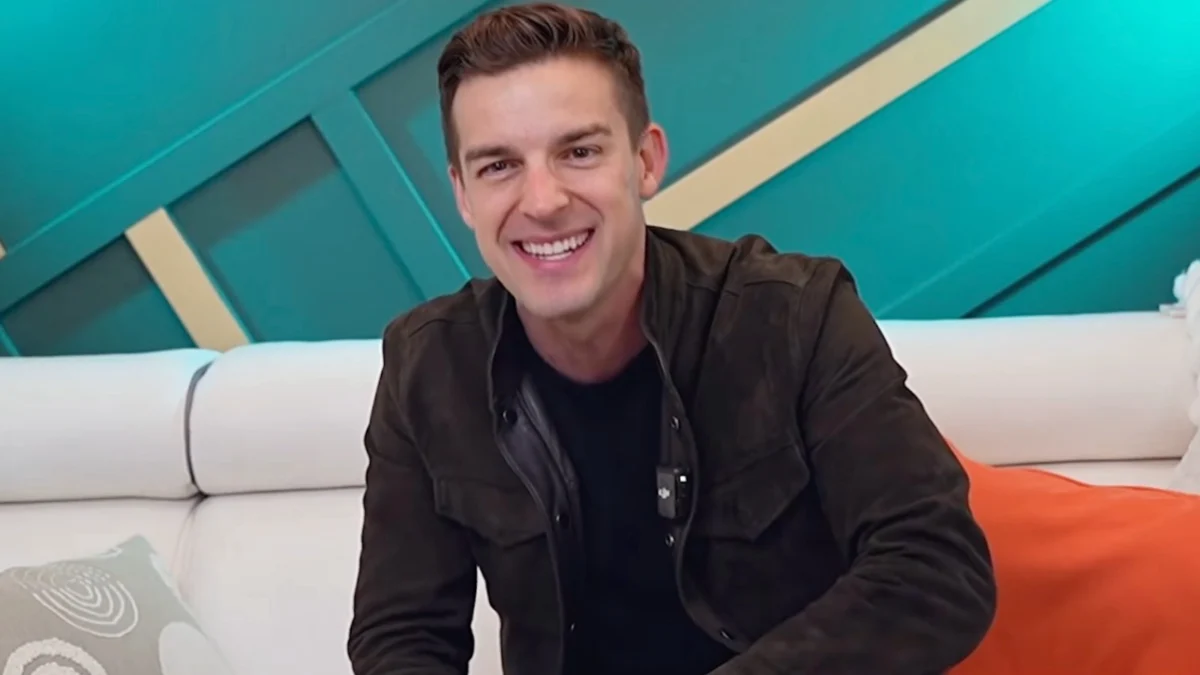
After a 943-day absence from the platform that defined his career, Matthew Patrick—universally known as "MatPat"—has officially announced his return to YouTube. The creator, whose "Theory" channels became a cornerstone of internet culture, revealed that he is launching an entirely new project alongside his wife and longtime creative partner, Stephanie. This comeback, however, is not a revival of the high-octane, data-driven theories of his past, but rather a deliberate shift toward a more sustainable, passion-led model of digital storytelling.
Main Facts: A New Chapter for the Patricks
The announcement, which has sent waves of excitement through the digital creator community, marks the end of a hiatus that began in early 2024. Following a 13-year tenure as the architect of some of YouTube’s most influential brands—including Game Theory, Film Theory, Food Theory, and Style Theory—Patrick stepped away from the spotlight to prioritize his family, travel, and various professional endeavors outside of the YouTube algorithm’s grasp.
Now, he and Stephanie are returning to the platform, not to chase the relentless metrics of a weekly upload schedule, but to foster a space for meaningful, spontaneous discourse. The new channel, which the couple describes as a "reset" and a "back-to-basics" initiative, will serve as a platform for them to explore topics ranging from artificial intelligence and emerging internet subcultures to the shifting landscape of the entertainment industry.
Chronology of a Career Evolution
To understand the weight of this return, one must look at the timeline of Patrick’s departure and the intervening years of transformation.
- 2011–2024: The Theory Era: For over a decade, Patrick built a media empire characterized by rigorous research, fast-paced editing, and a commitment to "the science of fun." During this period, he maintained a punishing schedule of weekly uploads, effectively becoming a titan of the YouTube industry.
- January 2024: The Farewell: In a tear-jerking video that shocked millions of fans, Patrick announced his retirement from hosting his Theory channels. He cited the need for a better work-life balance and a desire to move beyond the "content treadmill."
- 2024–2026: The "Quiet" Years: Following his retirement, Patrick remained busy. He focused on his family, traveled, and pivoted toward high-level industry work, including consulting, advocacy, and major film production projects.
- October 2026: The Comeback: After nearly three years, Patrick released a surprise announcement video, ending the hiatus with his iconic, "Hello, Internet!" catchphrase, signaling a new, lighter approach to his presence on the platform.
Supporting Data: The Shift from "Algorithm" to "Audience"
The primary differentiator of this new project is its rejection of the "weekly grind." During his time as the lead of The Game Theorists, Patrick was subject to the unrelenting demands of the YouTube algorithm, which rewards consistency and frequency.
"We went for 13 years almost never missing a weekly upload across many channels, and this channel is not that," Patrick noted in his announcement.
The data supporting his decision is clear: creator burnout is one of the most significant challenges in the modern digital economy. By stepping away from a mandated schedule, the Patricks are effectively reclaiming the agency that many top-tier creators lose once their channels scale into large media businesses. The new channel aims for a "quality over quantity" approach, where videos are released only when the duo feels they have something truly worth sharing. This model represents a potential shift in how legacy creators manage their longevity in an increasingly volatile industry.
Official Responses and Behind-the-Scenes Insights
The decision to return was not made lightly. Stephanie, who played an integral role in managing the original Theory channels behind the scenes and as a frequent host on GT Live, explained that the couple’s growth into a large business had inadvertently driven a wedge between them and the creative process they once loved.
"It’s meant to be a reset," Stephanie explained. "It’s back to simple videos where we just get to hang out, we get to have fun, and we get to talk about weird, fun, memish, and yeah, sometimes important stuff, too."

MatPat echoed this sentiment, admitting that while the freedom of his hiatus was fulfilling, the lack of a platform to share his discoveries with his audience left a void. "It’s because I missed you, okay?" he told his viewers. "What we learned was that one, we loved learning and the channels gave us an excuse to do that. But more importantly, two, that we loved getting to share what we learned with other people."
Beyond YouTube: The Diversified Portfolio
The hiatus was anything but idle. Patrick’s return to YouTube coincides with a series of high-profile projects that demonstrate his transition from a "YouTuber" to a broader entertainment producer.
The Blumhouse Partnership
Perhaps the most significant of his post-retirement endeavors is his collaboration with the horror powerhouse Blumhouse Productions. Known for hits like Five Nights at Freddy’s and Get Out, Blumhouse has brought Patrick into the fold to develop original content. He confirmed that he has been working with the studio for over a year, with a film adaptation of the indie horror game Amanda the Adventurer currently in development. Additionally, he hinted at two other film projects currently in the early stages of production.
Creative Advocacy and Education
Beyond film, the Patricks have been active in Washington, D.C., advocating for the rights of content creators. Their work focuses on legal protections for a creator’s voice and likeness, as well as pushing for the broader recognition of the online creator industry as a legitimate, protected profession.
Furthermore, the couple is developing a podcast designed to make classic literature more accessible and entertaining for children, signaling a continued interest in educational content, albeit in a more curated and personal format. They are also actively working on a musical adaptation of an existing franchise, though they remain tight-lipped about the specifics as they negotiate the intellectual property rights.
Implications for the Future of Creator-Led Media
MatPat’s return is more than just a comeback; it is a case study in how veteran creators can evolve alongside their audience. By stripping away the constraints of the "Theory" brand, the Patricks are testing a new hypothesis: that an established, loyal audience will follow a creator not for a specific format, but for the personality and curiosity that defined their success in the first place.
This move potentially sets a precedent for other creators reaching their saturation point. By proving that one can walk away, pursue high-level industry work, and return on one’s own terms, MatPat is challenging the "all-or-nothing" narrative of the creator economy.
As they prepare to dive into topics like AI, internet culture, and the evolution of puppets in modern media, the couple is signaling that their interests have matured. The new project promises to be an intellectual playground rather than a manufacturing plant.
For the millions of fans who grew up watching MatPat analyze the lore of Five Nights at Freddy’s or the physics of Mario, this return is a welcome "homecoming." But for the industry at large, it is a fascinating experiment in sustainability. Whether or not this "back to basics" approach can maintain the same level of cultural relevance as his previous work remains to be seen. However, as Patrick closed his announcement video with the familiar, "HELLO, INTERNET. IT’S GREAT TO see you again," it was clear that the connection between the creator and his community remains as strong as ever—independent of the algorithm.

 Pevita Pearce
 Evan Lee Salim

 rifanmuazin
 Asro
 Nana