
 Nana
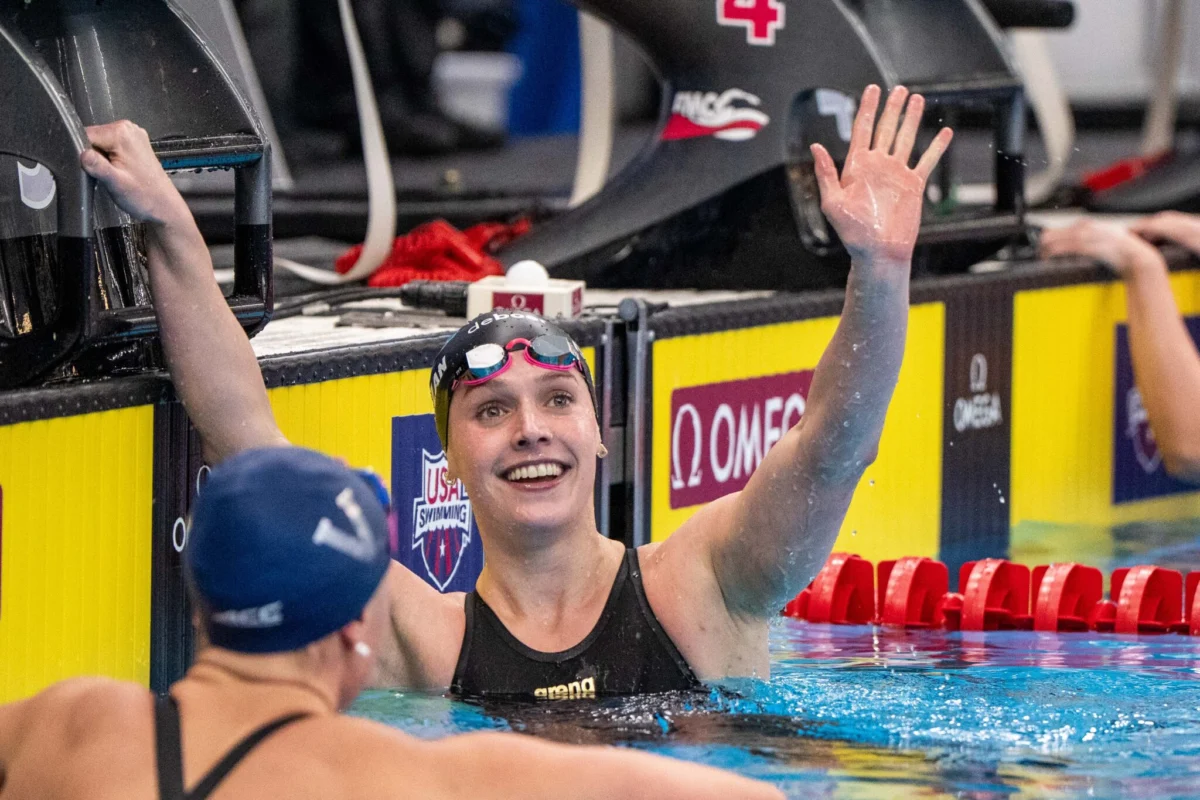
The inaugural season of the College Swim League (CSL) reaches its electrifying climax tonight as four of the nation’s premier swimming programs—Virginia, Tennessee, NC State, and Indiana—converge for the Championship Match. After two months of high-octane racing that has redefined the landscape of collegiate swimming, the league is set to crown its first-ever overall champion.
While each of the four participating institutions has already secured a $25,000 prize for their respective athletic departments, the stakes tonight are significantly higher. Beyond the prestige of the title, the championship serves as a definitive test of depth, versatility, and mental fortitude. Virginia enters the fray as the heavy favorite, boasting an unblemished record throughout the season. However, the path to the podium is anything but guaranteed, with Tennessee and NC State lurking, ready to capitalize on any lapse from the Cavaliers.
The State of the League: A New Paradigm
The 2026 College Swim League season has been a whirlwind of innovation and intensity. By shifting away from the traditional dual-meet format toward a concentrated, high-stakes league structure, the CSL has forced programs to adapt to a unique set of physiological and strategic pressures.
The undefeated University of Virginia Cavaliers, anchored by the presence of world record holder Claire Curzan, have been the team to beat since the season’s inception. Curzan’s ability to perform across multiple disciplines has been the linchpin of Virginia’s strategy. As the league approaches its final session, the focus remains on whether the Cavaliers can sustain their momentum or if the sheer competitive pressure of the championship atmosphere will yield a surprise upset.
The Championship Chronology
The evening’s program is a grueling gauntlet designed to test every facet of an athlete’s capability. The meet will proceed through a comprehensive slate of events, starting with the distance events and working toward the high-intensity "Skins" races that have become the signature of the CSL.
The Opening Volley: Backstroke and Breaststroke
The action begins with the 200-meter backstroke and breaststroke events for both men and women. These races are expected to set the tone for the night. In the 200 backstroke, the technical precision required for underwater transitions will be paramount. For the breaststrokers, the challenge lies in the "middle-of-the-pool" endurance required to maintain form during the final 50 meters of the 200-meter distance.
Middle-Distance and Relays
Following the 200s, the 500-meter freestyle will serve as the endurance test of the evening. Coaches are closely monitoring the split times of their distance specialists, as these points are often what separate the top-seeded teams from the middle of the pack. The 4×50 freestyle relays, occurring shortly thereafter, represent a shift in gear; these are pure sprints, demanding explosive power and flawless relay exchanges.
Butterfly and Individual Medleys
The butterfly and individual medley (IM) events will likely serve as the "swing" events. The 200 butterfly, notorious for being one of the most taxing events in the sport, will test the lactate threshold of the top contenders. The 100 IM, a CSL favorite, provides a condensed, frenetic look at total aquatic proficiency, rewarding those who can transition between strokes without losing rhythm.
The "Skins" Factor: The Ultimate Showdown
Perhaps the most anticipated segment of the Championship Match is the 50-meter Skins races. This knockout-style format—where the field is whittled down through four consecutive rounds—is designed to strip away the facade of traditional swimming and expose the raw speed and recovery capabilities of the athletes.
In the Skins format, swimmers must recover in minutes, not hours, between heats. This places a massive premium on recovery protocols and the ability to maintain composure under extreme physical duress. It is here that the CSL truly distinguishes itself from the NCAA format, as tactical errors in the first round can prove fatal to a team’s overall score.

Supporting Data: Why Virginia Leads the Pack
Statistical analysis throughout the 2026 season reveals that Virginia’s dominance is not merely a result of top-end talent, but of "scoring density." In almost every meet this season, the Cavaliers have placed multiple athletes in the top eight of individual events.
- Depth Advantage: Virginia’s ability to "lock out" points by placing three or more swimmers in the top eight of a single event has effectively neutralized the "star power" of opposing teams.
- Relay Efficiency: Throughout the season, Virginia’s relay squads have consistently outperformed their entry times, a testament to the coaching staff’s emphasis on relay-specific starts and exchanges.
- Consistency: While other teams have seen fluctuations in performance, Virginia’s core roster has maintained a remarkably stable "floor" for their performance times, rarely dropping outside of their top-tier projections.
Official Perspectives and Coaching Strategies
In the lead-up to the final, coaches from all four teams have remained tight-lipped regarding specific lineups, though the consensus is that the strategy for tonight is "points over perfection."
"At this stage in the season, we aren’t looking for season-best times in every event," noted one assistant coach during the pre-meet warmups. "We are looking for hands on the wall. The points are what matter. Whether you win by a second or a hundredth, the team score reflects the same digit."
The Tennessee and NC State camps have suggested that they are prepared to take risks in the relay lineups, potentially stacking their faster swimmers in the earlier legs to force the Cavaliers into a defensive posture. If Virginia is forced to chase early, the psychological dynamics of the meet could shift dramatically.
Implications for the Future of Collegiate Swimming
The success of the 2026 College Swim League season has broader implications for the sport. For years, the swimming community has debated the viability of a professionalized, league-style model that mirrors the success of professional swimming circuits while maintaining the collegiate identity.
If tonight’s championship generates the anticipated viewership and excitement, the CSL is likely to expand in 2027. The model provides a clear pathway for sponsors, a narrative-driven structure for fans, and a consistent high-level competitive environment for athletes that goes beyond the traditional championship meet format.
Furthermore, the league has provided a platform for stars like Claire Curzan to maintain high-level race fitness throughout the academic year. By standardizing the competition environment, the CSL is effectively narrowing the gap between the NCAA season and the international competitive calendar, ensuring that American collegiate swimmers remain the gold standard in global swimming.
Final Thoughts: A Night for the History Books
As the lights dim and the athletes take their marks for the final sessions of the 2026 season, the atmosphere is one of profound anticipation. The inaugural College Swim League championship is more than just a series of races; it is an experiment in the evolution of the sport.
Whether Virginia secures the title as expected, or a challenger rises to the occasion, the legacy of this first season is already cemented. The athletes have proven that collegiate swimming is capable of delivering high-stakes, fast-paced, and narratively compelling competition. For the fans, the coaches, and the swimmers, tonight marks the end of a historic journey—and potentially, the beginning of a new golden age for collegiate athletics.
As we look toward the final relay, one thing remains certain: the sport of swimming has found a new, electrifying rhythm, and the 2026 CSL Championship is the crescendo.

 Jia Lissa
 Nana Muazin

 Suro Senen
 Asro

 Basiran
 Ali Ikhwan