
 Azzam Bilal Chamdy

If the world’s greatest rugby coaches were handed a blank slate to assemble the most formidable starting lineup on the planet, the resulting squad would likely mirror the composition of Rugby World’s definitive “Ultimate XV.” Following the release of our highly anticipated Top 50 Men’s Rugby Players in the World, we have taken a deep dive into the data to curate a team that combines raw power, tactical brilliance, and the sheer x-factor that defines the modern game.
The selection process was rigorous. We eschewed the temptation to shoehorn players into unfamiliar roles, ensuring that every individual in this squad is a specialist in their position. The result is a team that functions not just as a collection of the world’s most talented athletes, but as a cohesive, high-performance unit capable of dominating any international test match.

Main Facts: The Methodology of Excellence
The "Ultimate XV" is derived directly from our Top 50 ranking, which was compiled through extensive consultation with nearly two dozen global rugby journalists and our own editorial staff. Unlike previous years, this selection process prioritized a blend of statistical output and the "eye test"—that elusive, unquantifiable metric of which players simply make the sport more thrilling to watch.
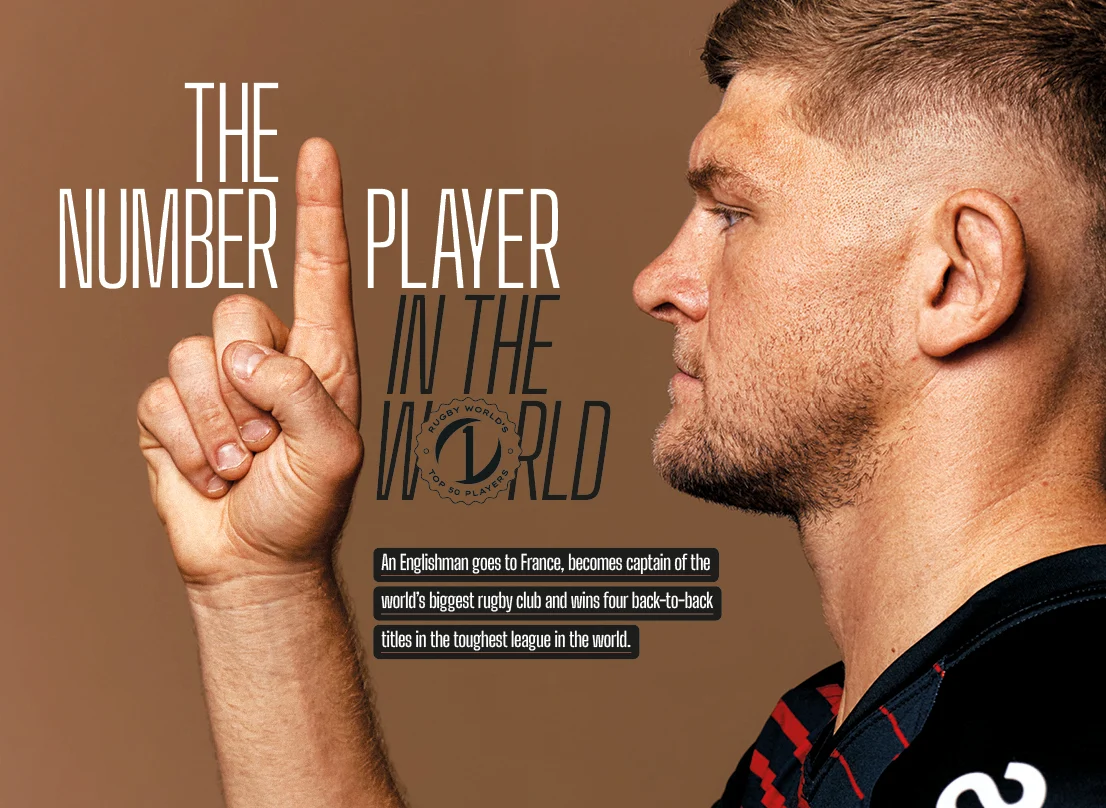
At the pinnacle of this list stands Jack Willis, the Toulouse captain whose form in the Top 14 and Champions Cup has been nothing short of transformative. His inclusion as the world’s number-one-ranked player reflects his evolution into a world-class turnover machine and a leader of men.
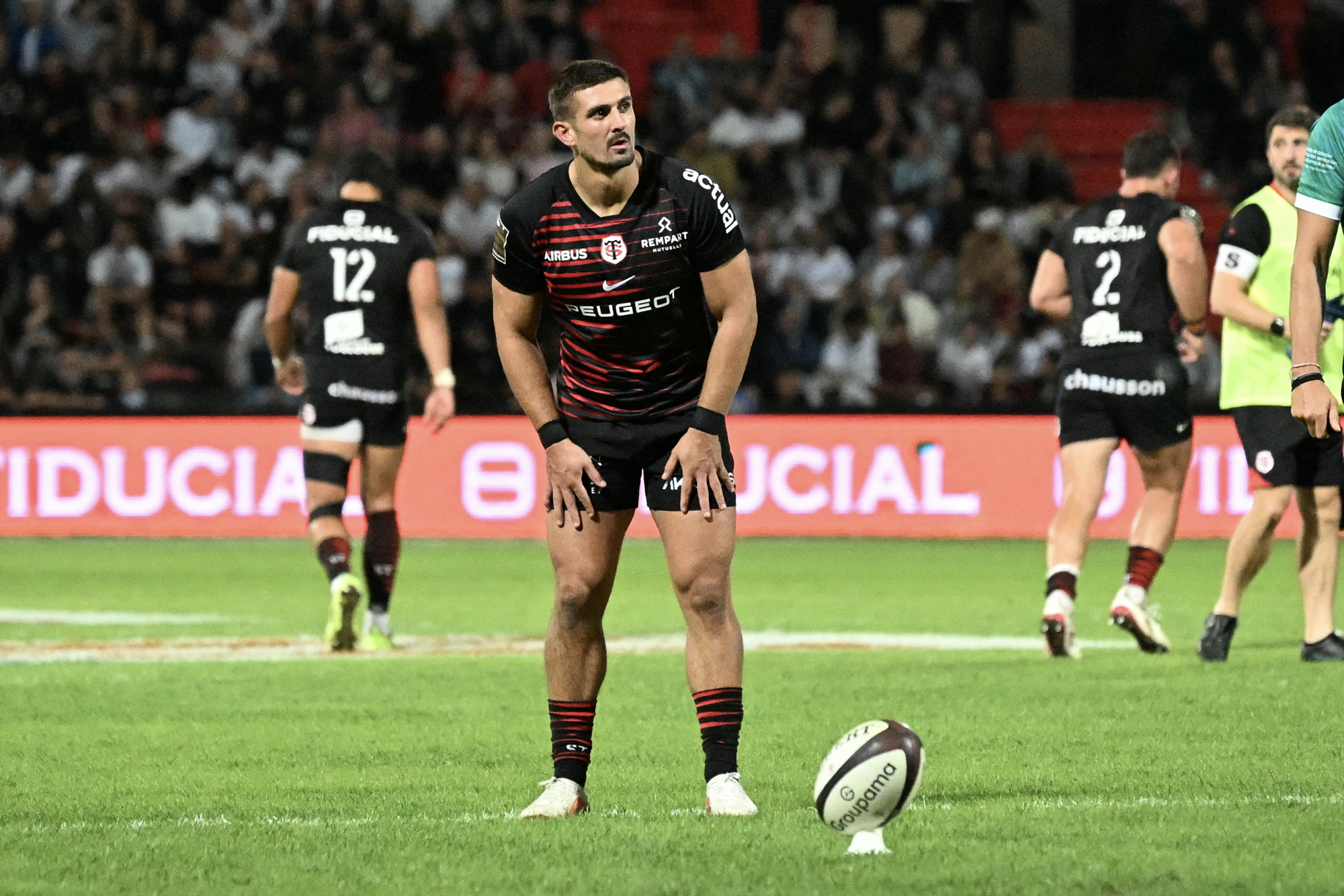
The squad is characterized by a heavy reliance on the Springbok engine room, a testament to South Africa’s continued dominance in the set-piece, while the backline is an eclectic mix of French flair, Scottish vision, and New Zealand physicality.
Chronology of the 2026 Season
The 2026 season has been a year of tectonic shifts in global rugby. The early months were defined by the resurgence of the European clubs, particularly Toulouse, who leveraged the dominance of Jack Willis and Antoine Dupont to dictate the pace of the Champions Cup.
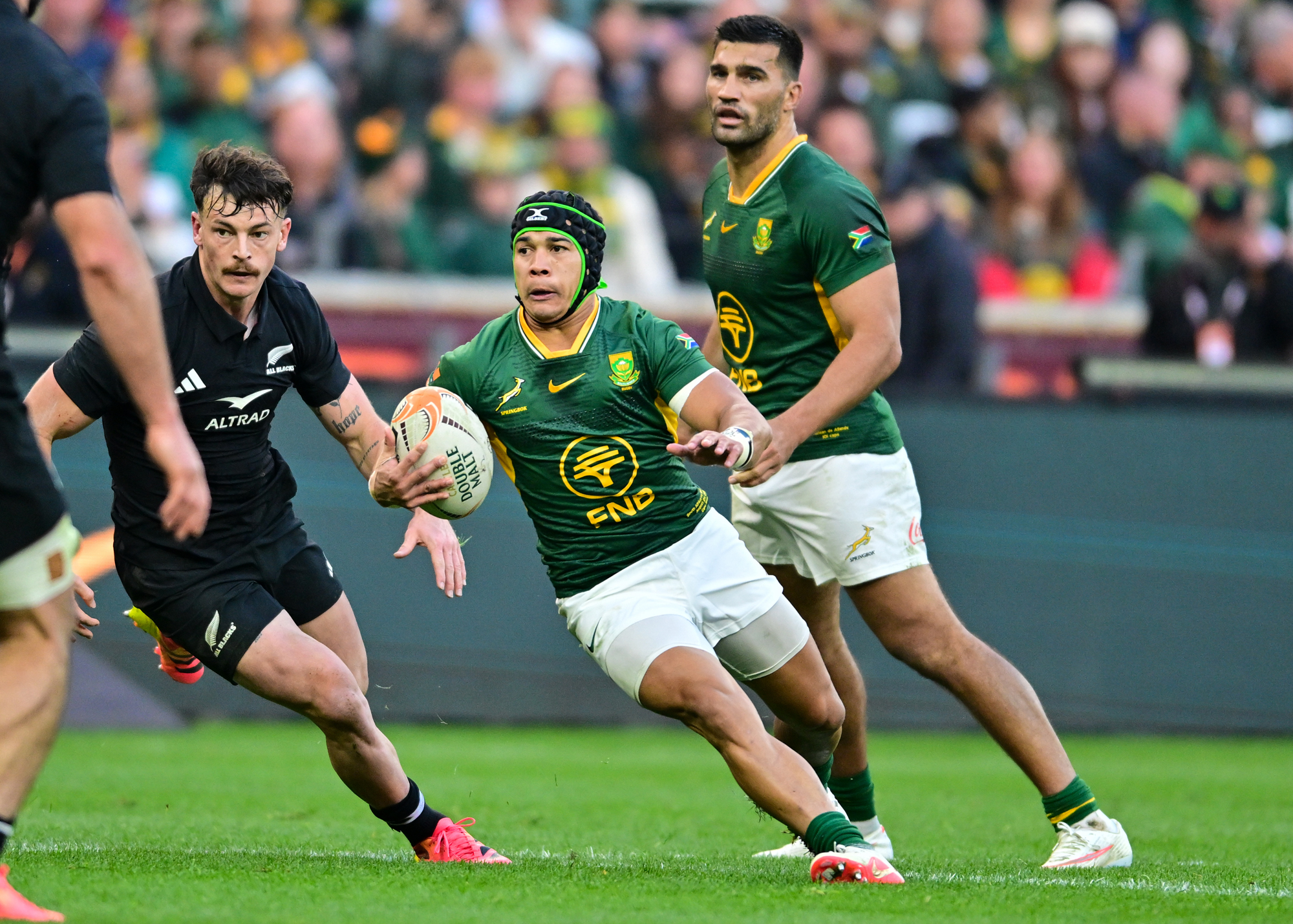
As the calendar shifted to the summer, the "Greatest Rivalry" Tests between South Africa and New Zealand provided the crucible for our forward selections. It was during these high-intensity, high-stakes matches that players like Ox Nché and Malcolm Marx solidified their reputations as the undisputed kings of the front row.
By the autumn, the Nations Championship brought the Northern and Southern Hemispheres into direct conflict. This period served as the final assessment for our panel, as players like Louis Bielle-Biarrey and Tadhg Beirne cemented their status as generational talents during intense battles against Argentina, Japan, and Fiji. The culmination of these events led to our final ranking, reflecting the players who remained consistent through a grueling, 12-month campaign.
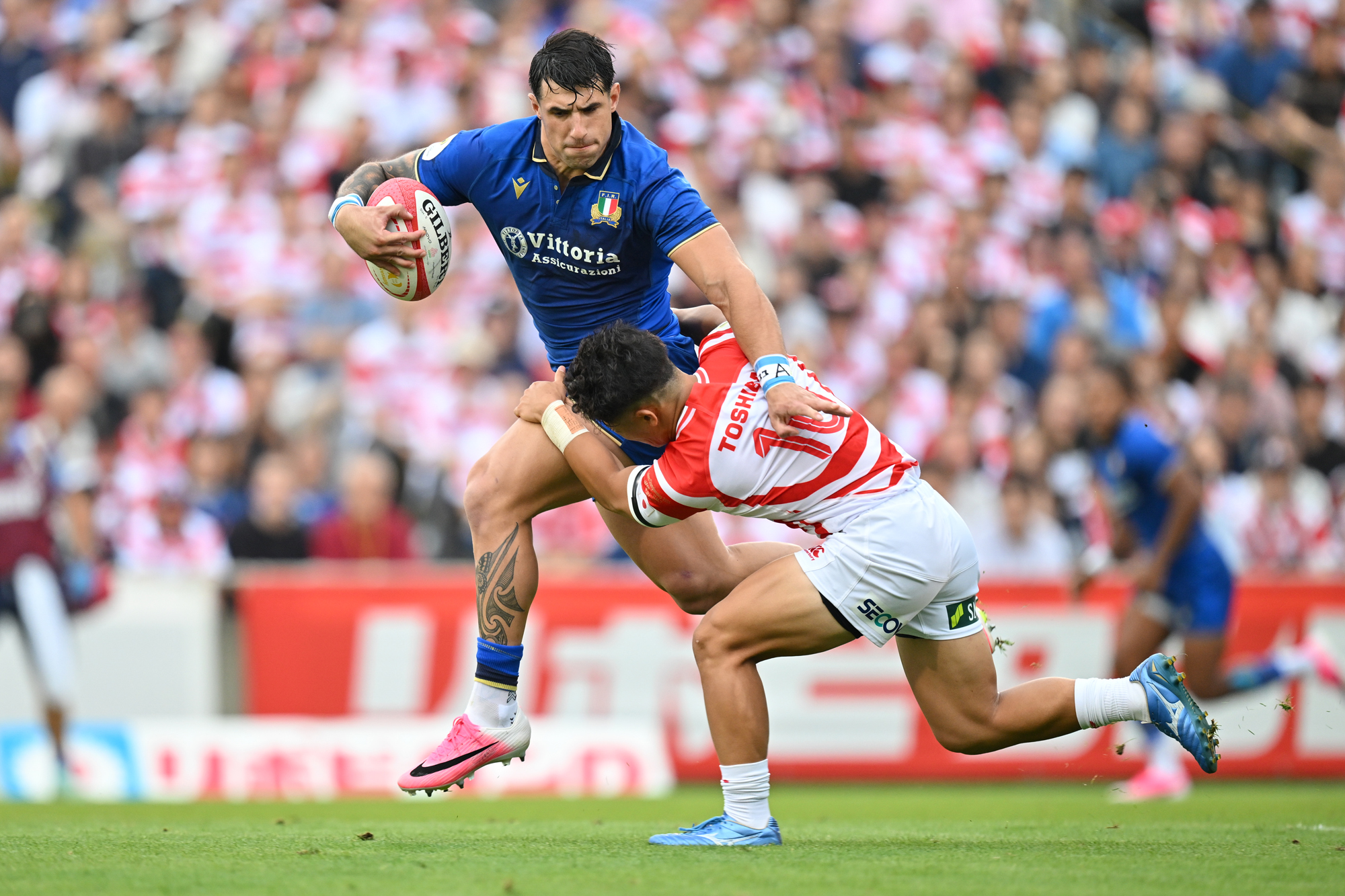
The Ultimate XV: Positional Breakdown
The Backline: Speed and Tactical Genius
The backline of our Ultimate XV is built on the foundation of French orchestration and Southern Hemisphere finishing.
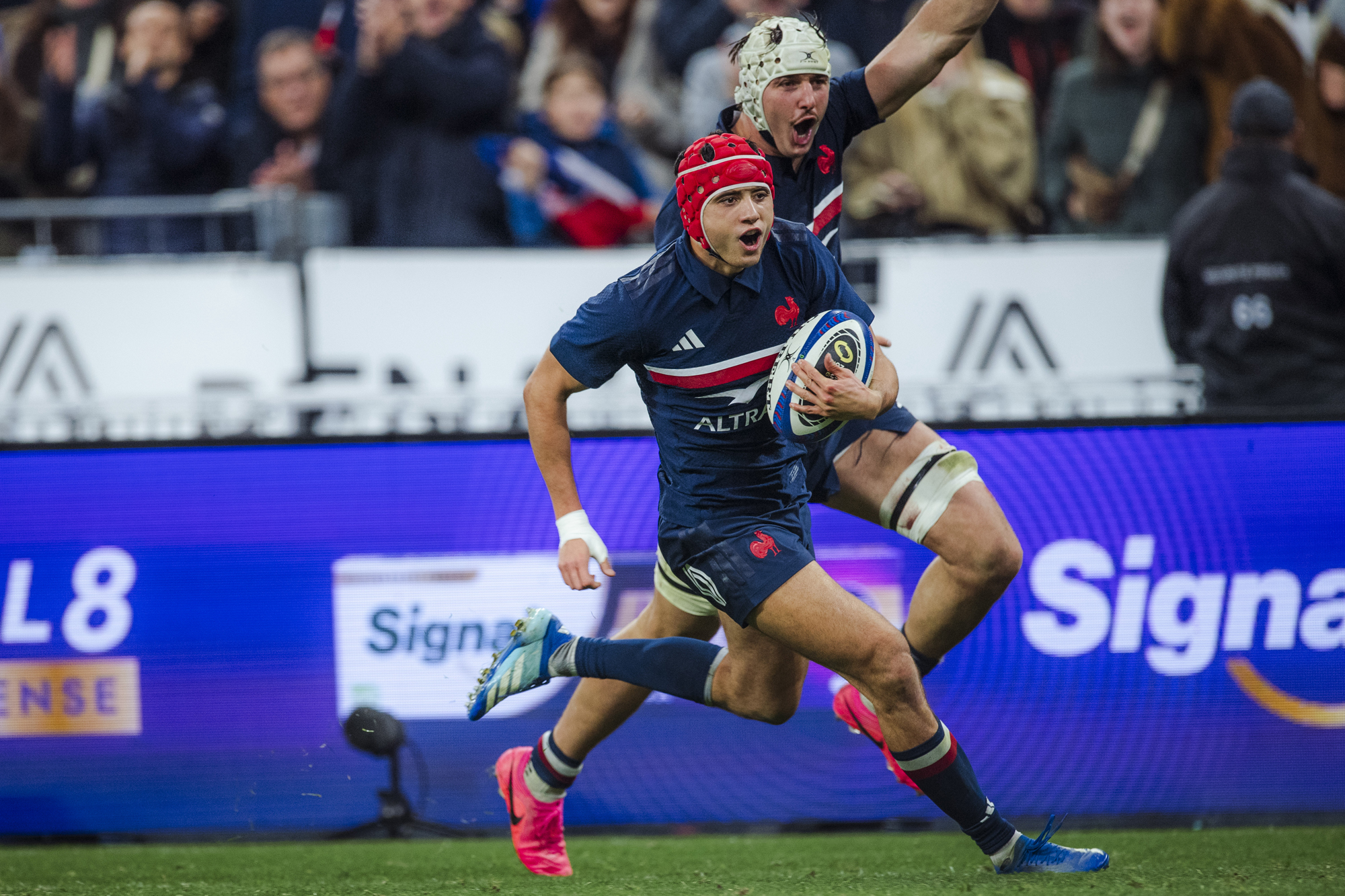
At fullback, Thomas Ramos (15) offers a dual threat: he is both a master of broken-field running and a place-kicker of metronomic accuracy. Moving to the wings, we find Cheslin Kolbe (14), who, at 33, remains the most dangerous player in the world with the ball in hand. His ability to create something from nothing is mirrored on the opposite flank by Louis Bielle-Biarrey (11). At just 23, Bielle-Biarrey is currently on track to become the most prolific finisher in the history of the international game.
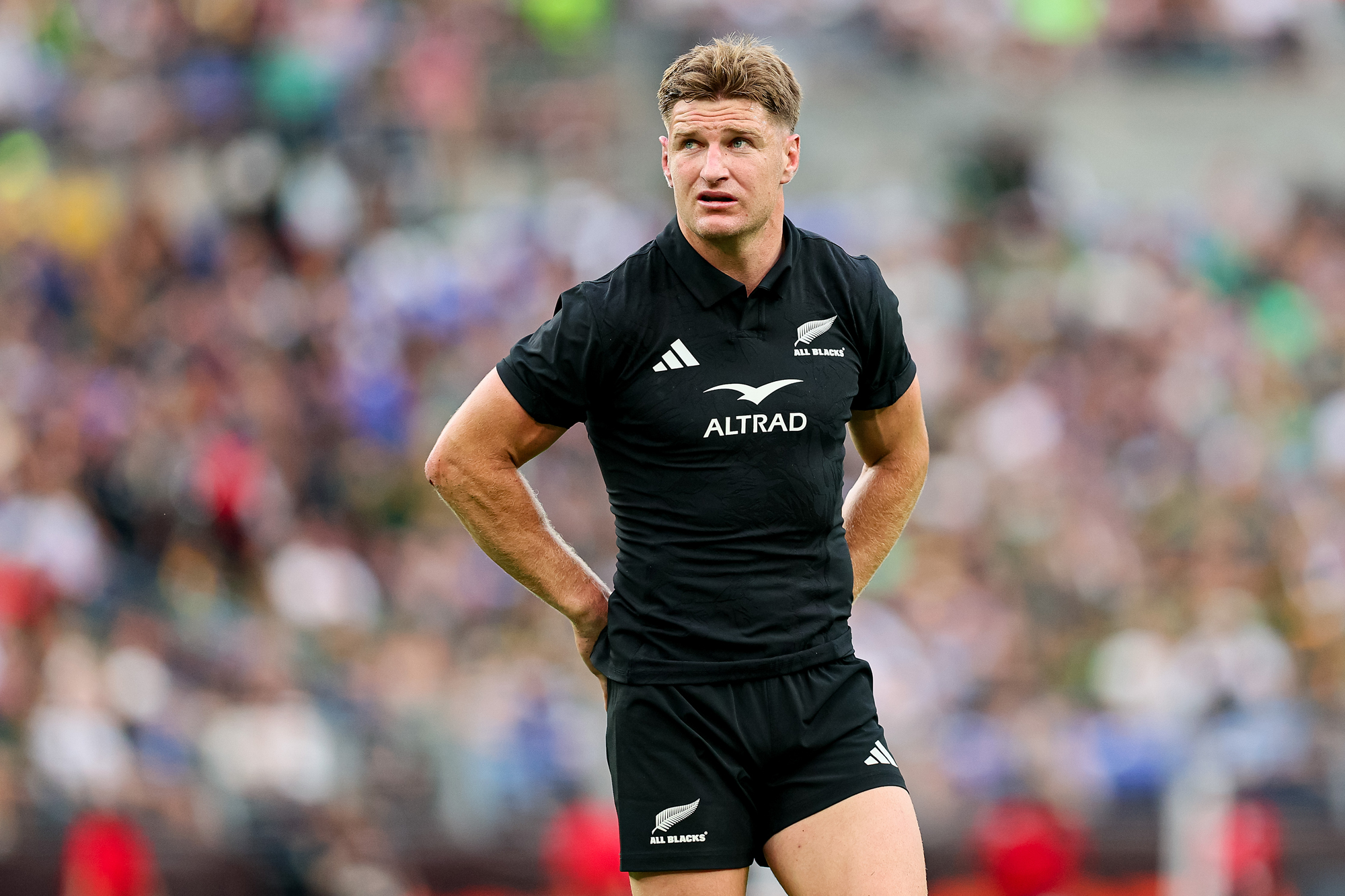
The midfield pairing features the grit and intelligence of Tommaso Menoncello (13), the 2024 Six Nations Player of the Championship, alongside the gargantuan versatility of Jordie Barrett (12). Barrett serves as the perfect link between the tight forwards and the outside backs, bringing a forward’s physicality to the center of the park.
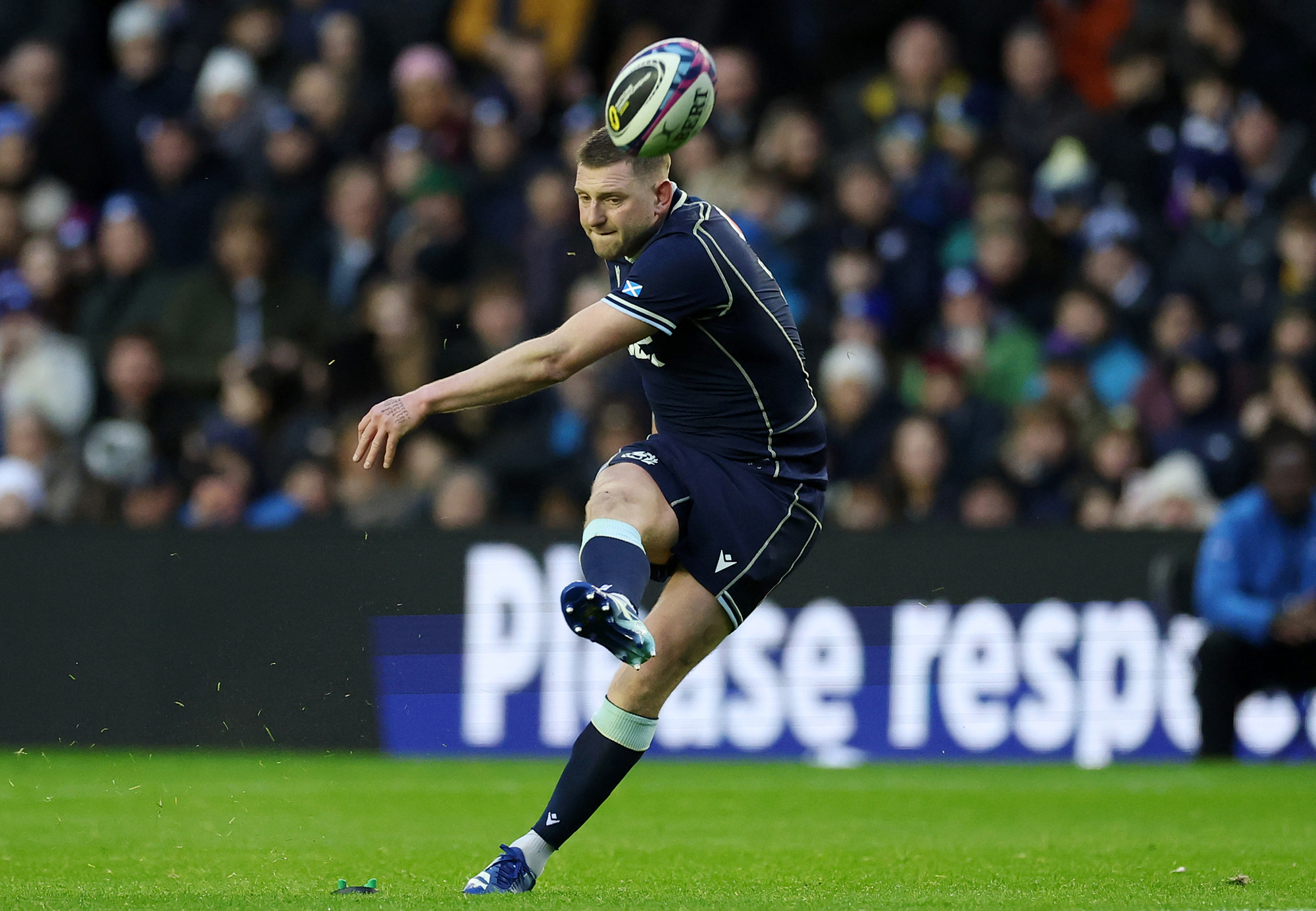
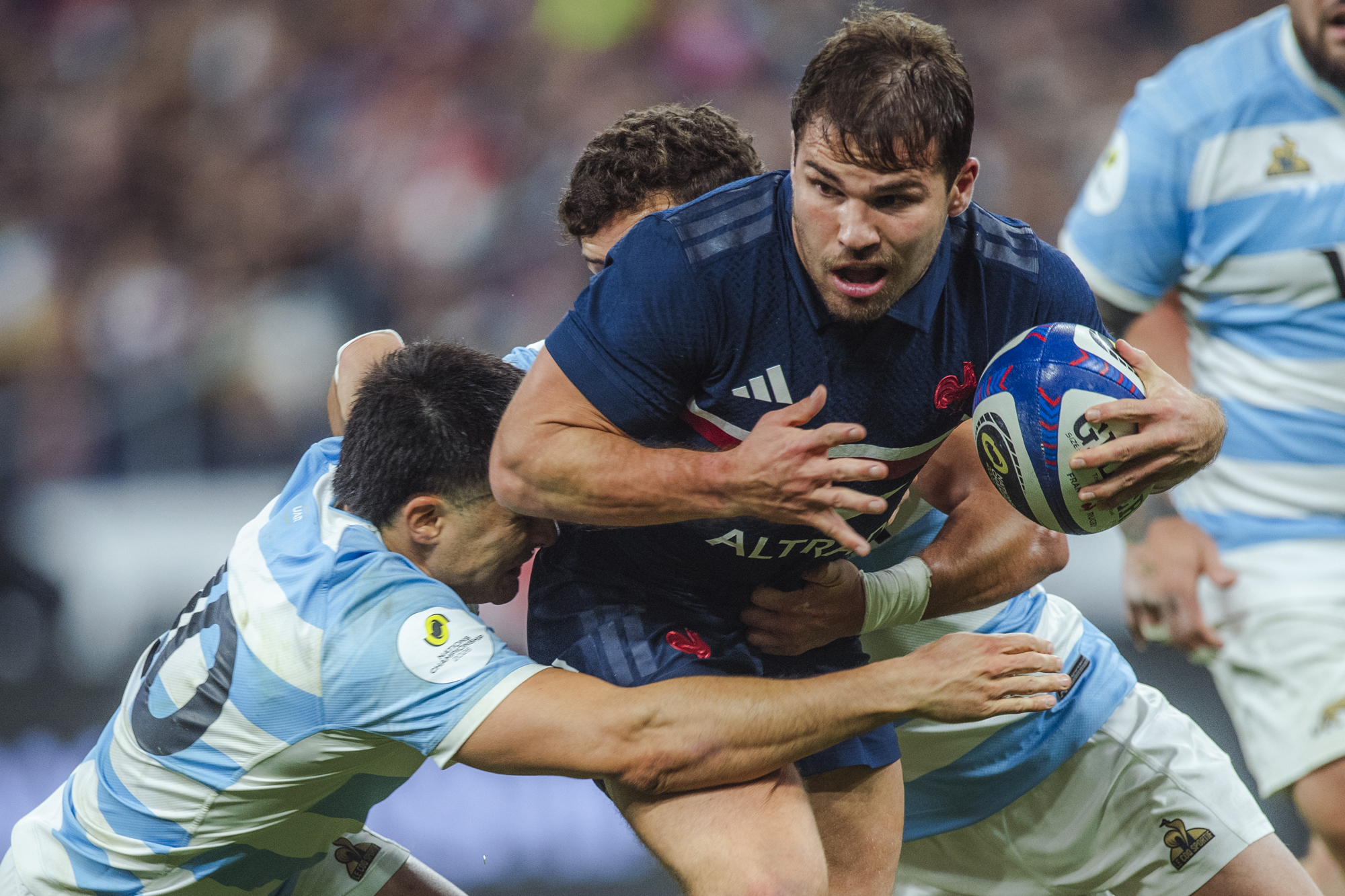
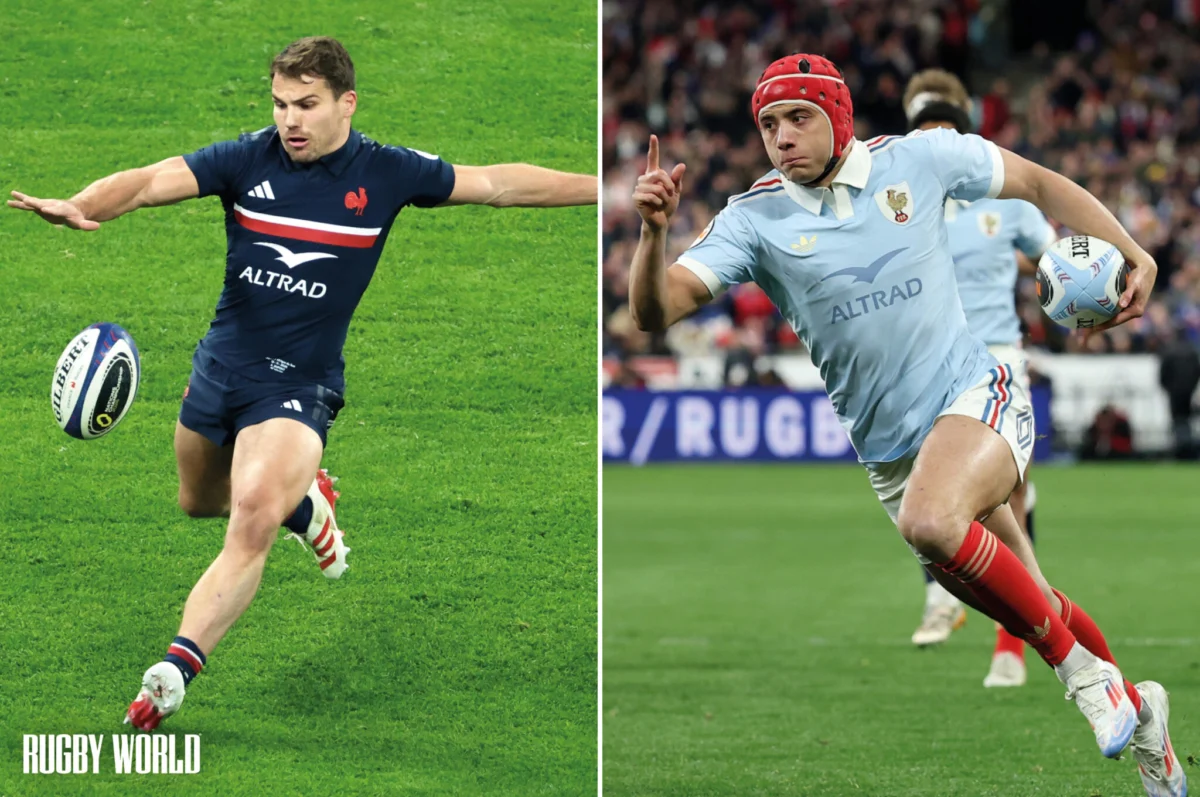
Directing traffic, Finn Russell (10) provides the creative heartbeat of the side. While his high-risk, high-reward style is occasionally polarizing, there is no fly-half in the world better at dismantling an opposition’s defensive structure. He is paired with the incomparable Antoine Dupont (9). Now fully recovered from his ACL injury, the Olympic gold medalist has reminded the world why he is considered the most complete scrum-half of the professional era.
The Forwards: The Engine Room of Champions
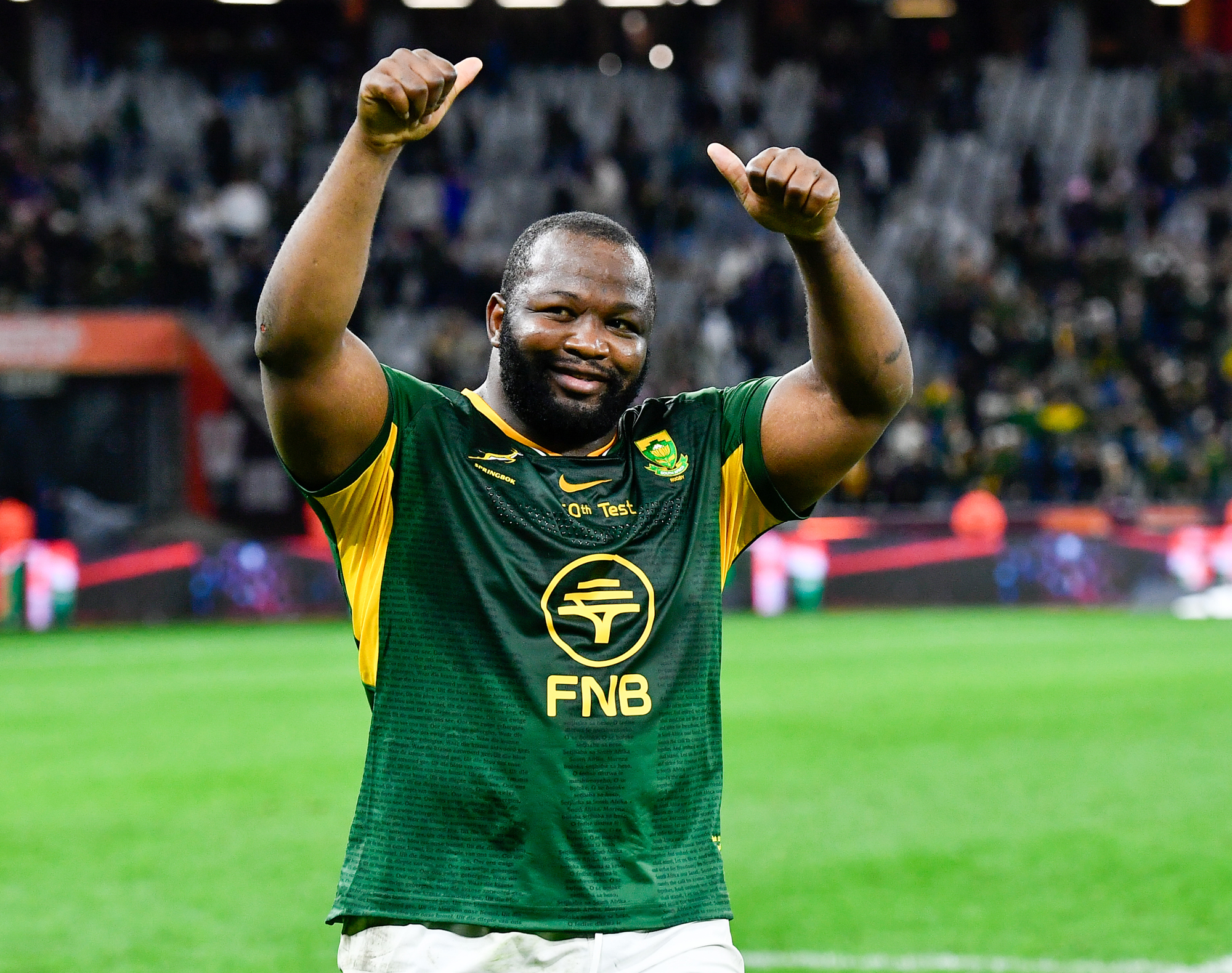
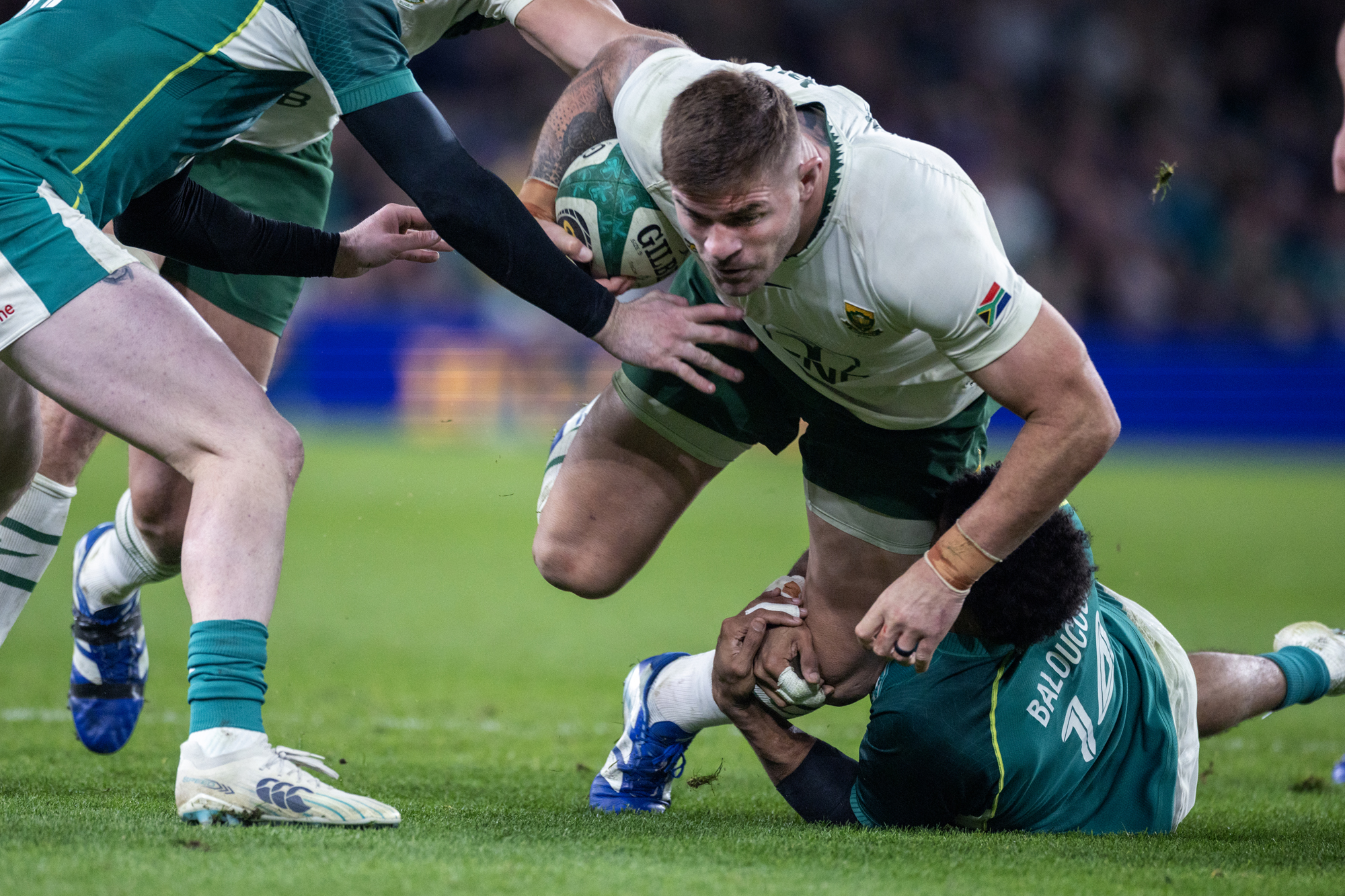
Our pack is anchored by an all-Springbok front row. Ox Nché (1) remains the world’s premier loosehead, utilizing his unique physique to gain an advantage in the scrum that very few can counter. Malcolm Marx (2), the reigning World Player of the Year, brings the mobility of an extra flanker to the hooker position, while Thomas du Toit (3) rounds out the unit, providing the stability and try-scoring threat that makes the South African front row the envy of the globe.
In the second row, we have opted for two hybrid talents. Ollie Chessum (4) has become the definitive engine of the England pack, capable of playing at lock or flanker, while Tadhg Beirne (5) continues his ascent as the lynchpin of the Irish pack. Beirne’s ability to jackal, carry, and distribute makes him the perfect modern-day lock.
The back row is a collection of pure attrition and skill. Pieter-Steph du Toit (6) is asked to shift to the blindside—a role he occupies with characteristic selflessness and intensity. Jack Willis (7) serves as our captain and chief scavenger, the undisputed best player in the world at the breakdown. Finally, the base of our scrum belongs to Ardie Savea (8). His absence during the All Blacks’ recent slump only highlighted his importance; he remains a relentless force in contact and a perennial threat to the try line.
Supporting Data and Editorial Commentary
The composition of this team highlights the changing nature of professional rugby. The modern player is no longer defined by a singular, static role. The locks in our XV, for example, are essentially mobile flankers with height, while our hooker and prop selections are based on their "in-the-loose" contributions as much as their scrummaging prowess.
When asked about the difficulty of these selections, our panel noted the sheer depth of talent currently available in the game. Players like Len Ikitau and Wilco Louw were incredibly close to making the starting lineup, and their exclusion speaks to the high bar set by the current crop of world-ranked stars.
Official Responses and Context
The return of the Rugby World Player of the Year award—after a 34-year hiatus—has been met with significant enthusiasm from the global rugby community. By combining the legacies of legends like Gareth Edwards and Will Carling with the modern excellence of players like Jack Willis and Antoine Dupont, we are honoring the history of the sport while celebrating its future.
The criteria for this list were intentionally multifaceted. We looked at:
- Impact: How much did this player change the trajectory of their team’s season?
- Honours: Consistency in securing titles at the club and international levels.
- Durability: The ability to remain at the top of the game over a demanding 12-month calendar.
- The X-Factor: The subjective joy of watching a player perform at their absolute peak.
Implications for the Future of the Sport
The existence of this Ultimate XV raises interesting questions for the future of international rugby. As the game becomes more specialized and the physical toll on players increases, the ability to produce athletes who can operate at this level of efficiency—without sacrificing the creative, "instinctive" nature of the sport—will define the success of national programs.
Furthermore, the prominence of Toulouse and the South African franchises in our list suggests that the current epicenter of professional rugby excellence lies in the marriage of French financial and tactical resources with the South African commitment to physical conditioning and set-piece perfection.
For the fans, this list serves as a benchmark. It identifies the players who, if they were to face off against any opposition on any given Saturday, would be expected to deliver a victory. While debates will inevitably rage over the inclusion of one player over another—as is the beauty of rugby—the consistency of our Top 50 and the strength of our Ultimate XV provide a definitive snapshot of the current state of the game.

As we look toward the next cycle of the Nations Championship and the forthcoming international tours, these fifteen players represent the standard that all others are chasing. Whether they are leading their countries to glory or driving their clubs to domestic titles, they are the figures around whom the modern narrative of rugby is being written.

 Asep Darmawan
 Raul Delapena Setiawan

 rifanmuazin
 Evan Lee Salim


 Laily UPN
 Pevita Pearce