
 Asep Darmawan
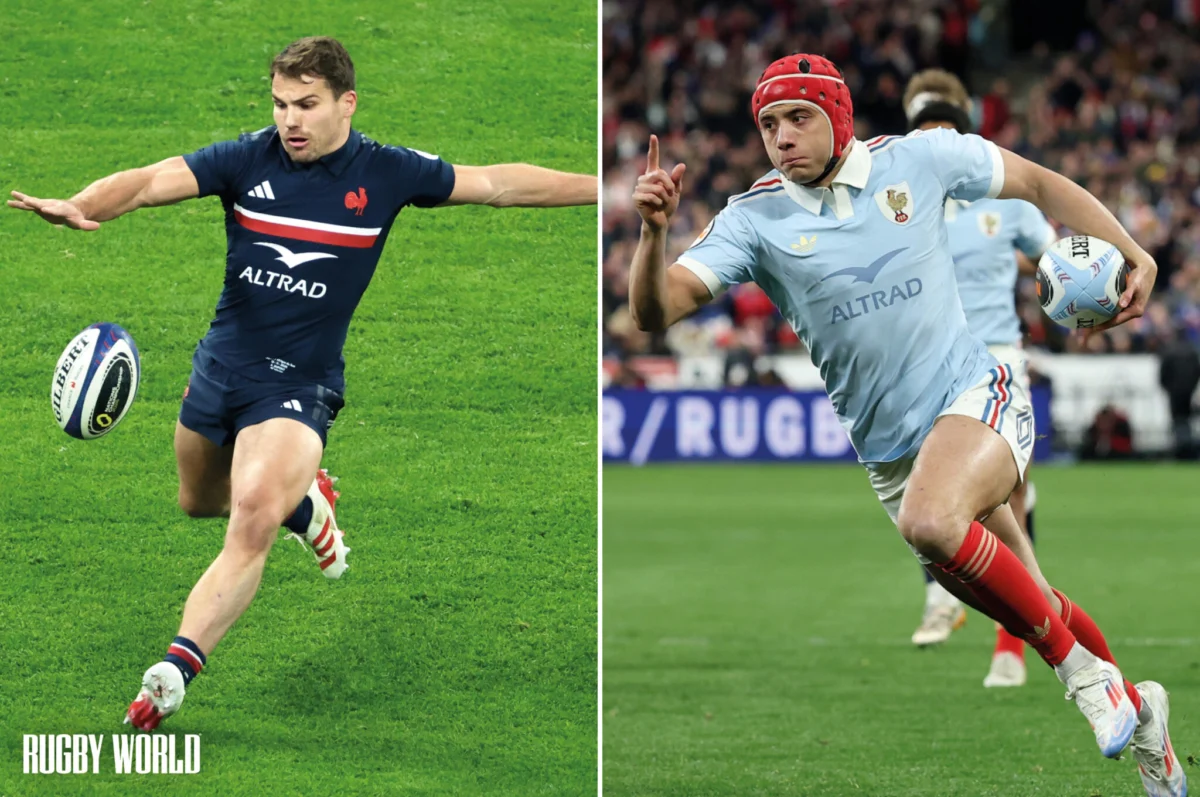
As the Rugby World Top 50 Men’s Players countdown reaches its dramatic conclusion, the final quintet has revealed a dominant narrative in the modern game: the overwhelming influence of the French Republic. With forty-five players already identified, the spotlight now shifts to the pinnacle of the list. Today, we examine an all-French duo who have not only transformed the tactical landscape of international rugby but have elevated their individual performances to heights rarely seen in the professional era.
One is a scrum-half whose vision and physical prowess have redefined the number nine position; the other is a wing whose try-scoring rate borders on the statistically impossible. Together, Antoine Dupont and Louis Bielle-Biarrey represent the vanguard of a generation that has turned Les Bleus into the most feared side on the planet.
The Top 5: A French Dominance
The selection process for this year’s top 50 was exhaustive, involving a panel of two dozen global rugby journalists and the seasoned editorial staff of Rugby World. The criteria were rigorous: a balance of impact, silverware at both club and international levels, consistency, and the “X-factor”—the unquantifiable excitement a player brings to the pitch.
In the final five, France’s representation confirms the shifting tectonic plates of world rugby. As we prepare for tomorrow’s unveiling of the bronze and silver medalists, and the grand reveal of the world’s number one player on November 24, we focus today on the two men occupying the fifth and fourth spots.
5. Antoine Dupont: The Maestro of Toulouse
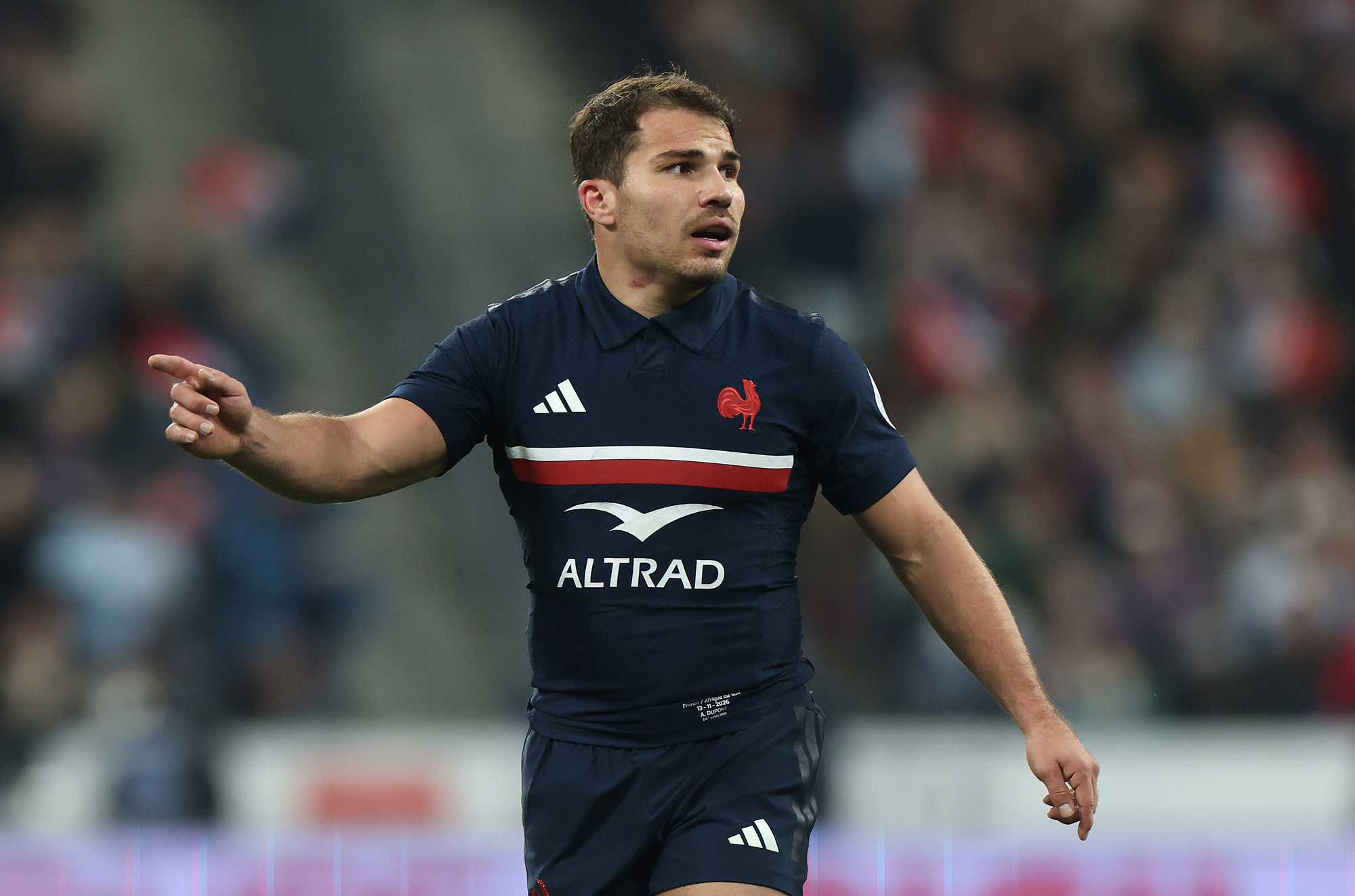
Antoine Dupont’s inclusion at number five is a testament to his enduring quality. For years, he was the undisputed king of the sport—the "GOAT" in the eyes of many. His path, however, has not been without its obstacles.
The Resilience of a Champion
Dupont’s career reached a precarious moment with a severe ACL injury, a setback that served as a rare reminder of his human fragility. Yet, his return to the pitch has been nothing short of majestic. In the recent 54-17 demolition of Fiji, Dupont looked as though he had never been away, dictating the tempo with clinical precision. Perhaps most impressively, his tactical versatility was on full display against South Africa, where he donned the number 10 jersey. Working in tandem with fellow scrum-half Maxime Lucu, Dupont operated with a fluidity that dismantled the Springbok defense, proving that his game is built on intelligence as much as instinct.
Tactical Mastery and Physicality
What separates Dupont from the pantheon of great nines is his unique physical profile. He is deceptively strong; often, it requires two or three defenders to bring him to the turf. His ability to slice through elite defensive lines—whether by exploiting a gap in the fringes or delivering a perfectly weighted kick—makes him the ultimate chess piece.
His resume is decorated with Six Nations titles, Top 14 trophies, and Champions Cup glory. Yet, his legacy expanded beyond the traditional 15-man game when he took a tactical sabbatical to lead France to Olympic Sevens gold in Paris 2024. Having already been crowned World Player of the Year in both formats, the only mountain left to climb is the 2027 Rugby World Cup in Australia. A victory there would likely cement his status as the greatest to ever play the game.
4. Louis Bielle-Biarrey: The Mythical Finisher
If Dupont is the architect, Louis Bielle-Biarrey is the ultimate demolition crew. At just 23 years old, the Bordeaux-Bègles flyer has achieved what many legends of the sport fail to do in an entire career: he has turned scoring tries into a routine expectation.
A Record-Breaking Trajectory
The numbers are staggering: 73 tries in his last 69 games. Averaging more than a score per game across club and international duty, LBB—as he is affectionately known—has entered a rarefied atmosphere of performance. In the 2025 Six Nations, he equaled the tournament record with eight tries. He didn’t stop there, shattering his own benchmark with nine tries in the 2026 edition.
With only 14 Six Nations appearances to his name, he has already climbed to fifth on the competition’s all-time try-scoring list. At his current trajectory, he is on track to become the most prolific finisher the sport has ever seen.
Beyond Speed
Bielle-Biarrey’s game is not merely about raw pace. He possesses an exquisite technical skill set, most notably his ability to thread kicks down the touchline while at full sprint—a move that forces defenders into impossible positions. His exploits have been the catalyst for France’s two consecutive Six Nations titles and Bordeaux’s back-to-back Champions Cup triumphs. As the rugby world turns its eyes toward the 2027 World Cup, all eyes are on whether this young speedster can maintain this blistering pace on the biggest stage of all.
The Selection Methodology: A Return to Excellence
The selection of the Rugby World Top 50 is more than a list; it is a restoration of a legacy. From 1970 to 1992, the magazine conferred the official World Player of the Year award, honoring icons like Barry John, Gareth Edwards, and Will Carling. Following a 34-year hiatus, the publication has revived this tradition to celebrate the current standard-bearers of the game.
The selection process was designed to be both objective and subjective:
- Global Consultation: Insights were gathered from nearly two dozen international rugby journalists.
- Editorial Oversight: The Rugby World editorial board vetted the selections to ensure a cohesive ranking.
- Multi-Faceted Criteria: Analysts weighed objective data—such as caps, win percentages, and major trophy wins—against the subjective joy of watching a player perform.
This approach ensures that the list honors not only the players who win matches but those who advance the evolution of the sport.
Implications for the Global Game
The presence of Dupont and Bielle-Biarrey in the top five highlights the seismic shift in global rugby power. Historically, the Southern Hemisphere giants—New Zealand, South Africa, and Australia—dominated the narrative of individual brilliance. However, the current French model, characterized by high-intensity club rugby in the Top 14 and a sophisticated, multi-layered international game plan, has turned the tide.
The French Blueprint
France’s success is not accidental. It is the result of deep investment in youth development and a professional environment that encourages flair within a disciplined structure. The fact that their two primary stars play for different clubs—Toulouse and Bordeaux-Bègles—suggests that this dominance is systemic rather than confined to a single "super club."
Looking Toward 2027
As we await the final announcements on November 24, the implications are clear: the world is chasing France. The tactical flexibility shown by Dupont, moving between nine and ten, and the clinical efficiency of Bielle-Biarrey, have set a new benchmark for what is expected of top-tier athletes.
For the international community, the challenge is now to find ways to neutralize a side that can attack from anywhere, with or without the ball. As we move closer to the 2027 World Cup in Australia, these two players remain the primary threats to any team’s aspirations.
Conclusion
As the countdown concludes, it is fitting that we recognize the architects of this French surge. Antoine Dupont and Louis Bielle-Biarrey are not just stars of the moment; they are the standard-bearers of a new, exhilarating era of rugby. Whether they are considered the best in the world or merely part of a broader, deeper talent pool, their impact on the game is indelible.
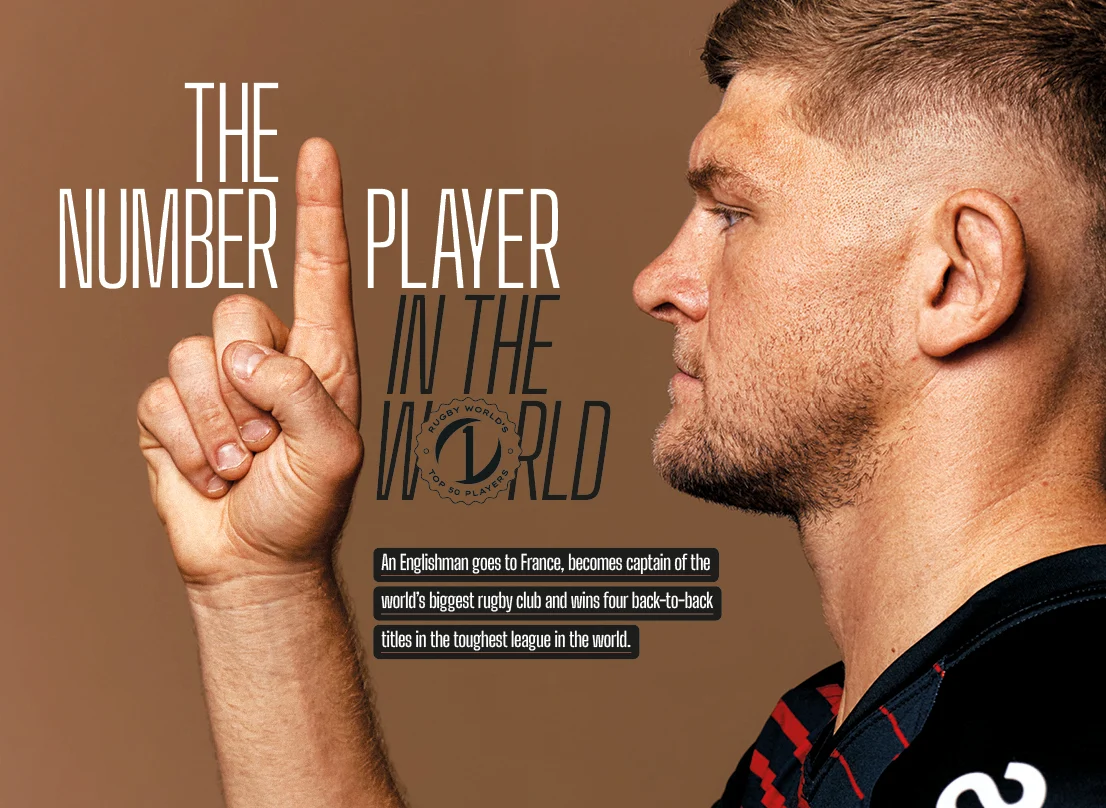
Stay tuned to Rugby World as we reveal the bronze, silver, and gold medalists. The list may be coming to an end, but the debate over who truly sits at the top of the mountain is only just beginning.

 Raul Delapena Setiawan

 Nila Kartika Wati
 Azzam Bilal Chamdy
 Layla Zulfa
 Nana
 Dwi Wanna
 Suro Senen