
 Ali Ikhwan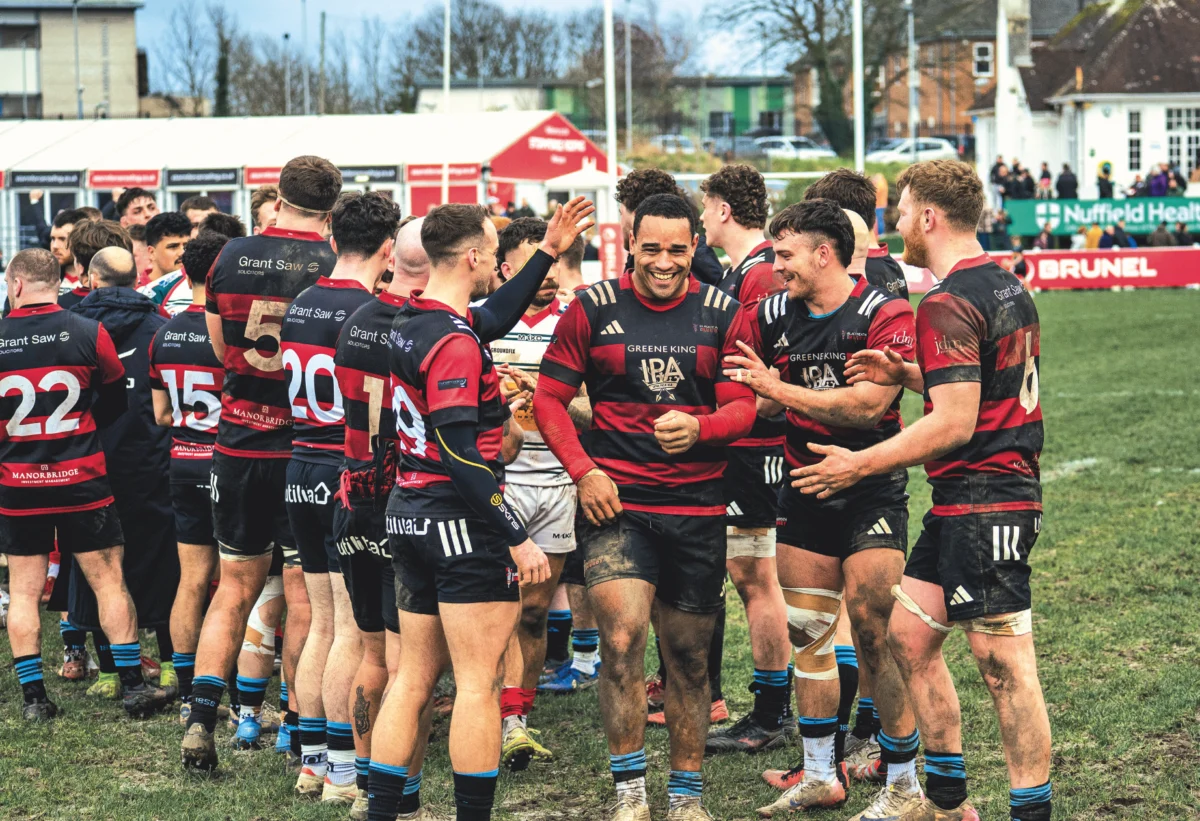
"Whatever you do, don’t get us relegated."
These were the sobering, no-nonsense instructions delivered to Tom Stradwick at the dawn of the 2025-26 season. As the newly appointed head coach of Blackheath FC—the world’s oldest open rugby club—Stradwick was inheriting a team at a crossroads. The landscape of the club had shifted dramatically: Director of Rugby James Shanahan had moved on, and the legendary Markus Burcham, a man whose name was synonymous with the Blackheath jersey for 283 caps, had finally retired. Stradwick himself, a club centurion with 14 years of service, was transitioning from the pitch to the coach’s box.
For a side that had flirted with the fourth tier during the uncertainty of the Covid era, the mandate from the top brass was one of pragmatic survival. Keep the club in National League One. That was the goal. Yet, fast forward to today, and the "Club" is preparing for a reality that felt like a fever dream just eighteen months ago: competing in the second tier of English rugby, the Elior Championship.
A Chronology of the Fairytale: From Crisis to Coronation
The journey to the Championship was not a linear progression; it was a testament to the power of momentum and collective belief. By mid-season, the talk around the training ground wasn’t about surviving, but about surging.
The turning point, according to club chairman James Fleming, was a gritty February trip to Plymouth. "We hadn’t won down there for donkey’s years," Fleming recalls. "We were aiming for a modest losing bonus point, but we found ourselves 19-0 up after 20 minutes. Plymouth came roaring back, as expected, but we held on for a 34-26 win. It was a massive psychological hurdle cleared."
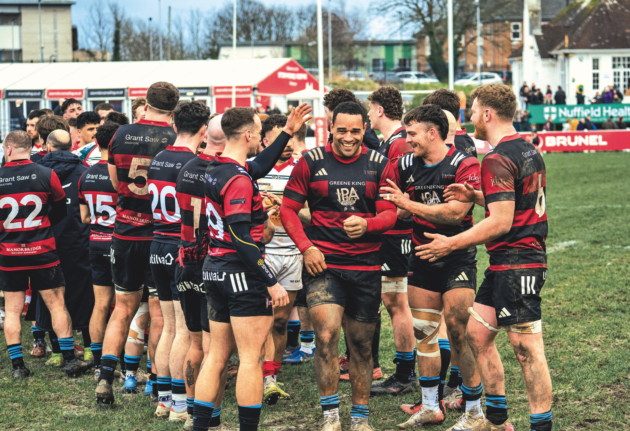
That victory served as a catalyst. Two weeks later, a comprehensive dismantling of Rotherham at home sent a message across the league. "We were being told by opposition coaches that we were the form side," says managing director Russell Ticehurst. "That’s a label we hadn’t worn in years. Teams were turning up expecting to lose—a dynamic shift that we had to learn to navigate in real-time."
Behind the scenes, the administrative heavy lifting had already begun. As early as Christmas, with Blackheath sitting fifth, the RFU had approached the club regarding the potential for promotion via the newly implemented play-off system. The ensuing weeks were a blur of paperwork. For Fleming, it meant sleepless nights and thousands of hours of administrative labor. "Writing the business case, the three-year financial projections, the historical audit—it was four or five weeks of intensive work, at least two hours a day," he notes. "I spent two nights just uploading the documentation to the RFU portal."
The reward for this preparation was a ten-game winning streak that propelled them to second place. Even a logistical nightmare in April—a train cancellation at King’s Cross that forced a delayed, rushed warm-up before a crunch match against Leeds Tykes—couldn’t derail them. They secured a bonus-point win, proving that their spirit was as resilient as their structure.
The Harding Factor: A Record-Breaking Campaign
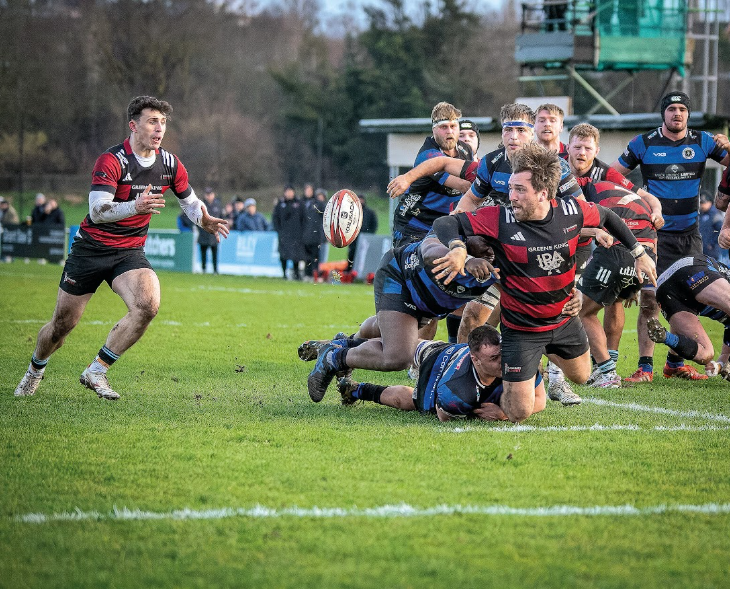
No analysis of this historic season would be complete without acknowledging Billy Harding. The hooker, who returned to his boyhood club after stints at Wasps, Coventry, and Ampthill, didn’t just lead the team; he redefined the position.
Harding’s 2025-26 campaign is the stuff of local legend: 48 tries in 26 games, scoring in every single fixture. His record included six hat-tricks, a statistic so anomalous that it led to him being recognized by fans in a local bakery over the summer. But for Harding, the numbers are secondary to the emotional weight of the promotion final against London Scottish.
"We speak about that day at length," Harding says, reflecting on the 27-7 victory. "Coming off the warm-up, the crowd was going ballistic. It was an away game, yet it felt like a home fortress. The nerves didn’t vanish, but they turned into pure confidence. You could feel it in the air—we were going to win."
Blackheath supporters reportedly outnumbered the hosts two-to-one at the venue. By halftime, the score was 21-0. The final whistle triggered scenes of pure catharsis. "It took me all summer to process that game," Harding admits. "Seeing fans who have followed this club for 40 or 50 years in tears—that’s what stays with you. We spent the night on a pub crawl in Richmond with 300 fans, family members, and friends. It was a moment of singular importance in our history."
The Strategic Landscape: Navigating the Championship
The Championship is a unique, often unforgiving environment. It is a league defined by a sharp divide between the "haves" and "have-nots." On one hand, there are full-time operations with ambitions for the Premiership or the URC, such as Ealing Trailfinders and the revitalized Worcester Warriors. On the other, there are part-time outfits like Richmond, Caldy, and Ampthill, who fight tooth and nail to maintain their professional standards.
Blackheath has chosen a path of measured ambition. At their first board meeting following promotion, the directive was clear: remain a semi-professional club.
"We aren’t trying to outspend the giants," says Fleming. "We’ve been recruiting players who possess the quality but also the culture. If you’re a new arrival, you have to blend into the ethos we’ve built. We expect some harsh lessons on the field from clubs like Ealing, but our objective is clear: stay above the relegation zone. Anything from eighth to ninth is the baseline, but we are dreaming of a top-six finish. We didn’t think we’d be top three in Nat One, either, so we know what happens when you get the right group together."
Managing Director Russell Ticehurst emphasizes that they will not sacrifice their identity for temporary gain. "We’ve discussed borrowing players from Premiership clubs, but only if it doesn’t damage the culture we’ve fostered. We’ve seen other clubs try to force success through external investment or short-term poaching, and it often backfires. We want to be a sustainable, competitive force."
The Culture of Connection
If there is a secret weapon at Blackheath, it is the social cohesion of the squad. In an era where professional rugby can sometimes feel detached and transactional, the Blackheath team operates more like a tight-knit community. Frequent team socials and a shared vision for the club’s future have created a psychological edge that has helped them overcome opponents with larger budgets and deeper squads.
"We won’t have the biggest budget, and we aren’t training full-time," coach Tom Stradwick acknowledges. "But we can have the best culture. We want players to turn up and feel like they truly belong. Bill [Harding] has done an incredible job driving those behaviors within the leadership team. Reality will sink in quickly, but this isn’t a daunting prospect. It’s an opportunity. If you asked any of these boys at the start of last year if they’d be playing Championship rugby, they would have bitten your hand off."
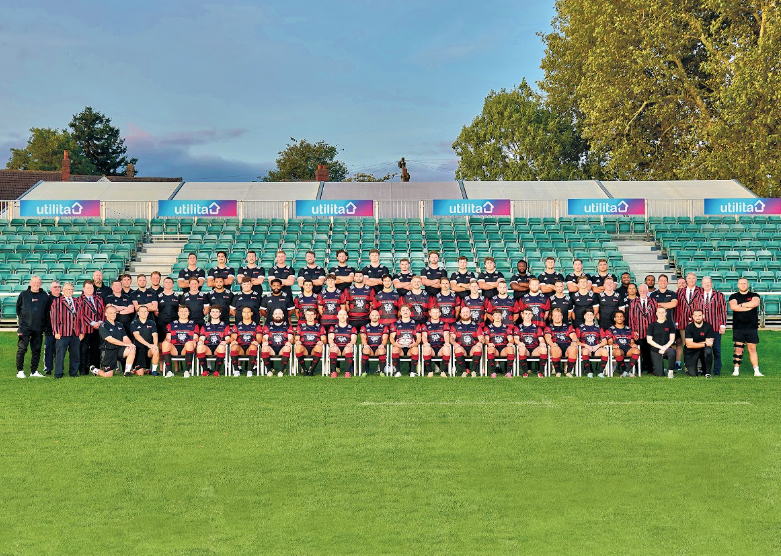
The integration of players like fly-half Sam Morley, formerly of Exeter, adds a touch of tactical stardust, but the coaching staff insists that the foundation is the collective bond. The players are not just teammates; they are custodians of a 160-year-old legacy.
The Future: A New Era for South-East London
Looking beyond the current season, the implications of Blackheath’s promotion are profound. As English domestic rugby navigates a period of systemic change and moves toward a potential "franchising" model, the marketability of clubs like Blackheath becomes increasingly apparent.
The club sits in a prime location in South-East London, boasting a historic brand, an active, multi-generational fan base, and an absolute monopoly on local academy talent. For an outside investor, the appeal is obvious. The club is a blank canvas with a deep-rooted history, perfectly positioned for a consortium looking to make a splash in the professional game.
"If you’re a billionaire looking to invest in a club with a soul, a history, and a future," Fleming says with a smile, "Russell and I would love to take you for a coffee."
While Harding might joke about playing in the Champions Cup in five years, there is an undeniable air of momentum surrounding the club. They have defied the odds once, and they are intent on doing so again. Whether or not they secure a long-term "sugar daddy" investor, the message from the top is clear: Blackheath is no longer just a historic name from the past. They are a club on the up, with a clear trajectory, and they have no intention of going back to the way things were.
The Championship is the new frontier, and if the last eighteen months are any indication, the "Club" is ready for the challenge. They have moved past the fear of relegation and toward the excitement of discovery. For the oldest open club in the world, the story is far from over—it is, in many ways, just beginning.


 Iffa Jayyana
 Jia Lissa
 Neng Nana
 Dwi Wanna
 Evan Lee Salim