
 Sagoh
The Formula 1 paddock is a landscape of perpetual motion, where decisions are weighed in fractions of seconds on the track and months of high-stakes political maneuvering behind closed doors. For the Racing Bulls Formula 1 team, the lead-up to the 2026 season brought one of the most intensely scrutinized driver lineup debates in recent memory.
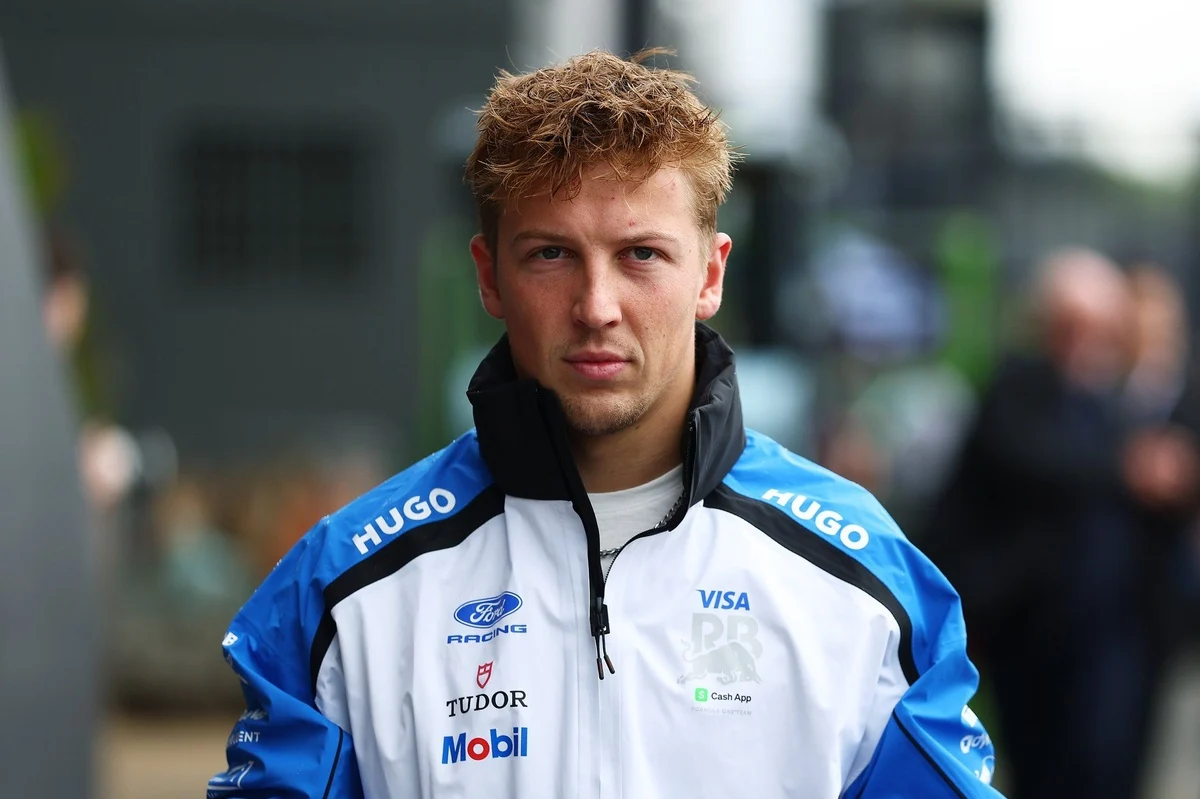
At the heart of the storm was Liam Lawson, a driver whose career trajectory has experienced dizzying peaks and troughs since he first broke onto the Grand Prix scene. Facing mounting pressure from incoming Red Bull junior talent and swirling rumors of a divided leadership structure, Racing Bulls ultimately opted for continuity.
According to Racing Bulls F1 chief Alan Permane, Lawson’s stellar development and improved form heading into the 2026 season have been nothing short of a "revelation." In an exclusive, wide-ranging interview with Motorsport.com, Permane addressed the protracted decision-making process, the internal dynamics of the Red Bull empire, and why retaining Lawson does not betray the junior team’s foundational ethos of cultivating raw, youthful speed.
Main Facts: The Core Decision and Its Key Players
The primary dilemma facing Racing Bulls leadership centered on who would partner rising prospect Arvid Lindblad for the 2026 campaign. Two distinct pathways lay before the Faenza-based squad:
- The Incumbent Route: Retain Liam Lawson, who had demonstrated impressive racecraft and resilience, serving as a reliable point-scoring anchor and a definitive yardstick for the team.
- The Junior Promotion Route: Fast-track Red Bull junior driver Nikola Tsolov directly into the seat, doubling down on the organization’s historic mandate to aggressively blood fresh talent from its feeder formulas.
Ultimately, the team chose to stick with Lawson alongside Lindblad. This choice immediately sparked debate across the media and among fans who questioned whether keeping an established driver conflicted with Racing Bulls’ traditional identity as an incubator for Red Bull Racing.
Permane forcefully rejected that narrative. He argued that pairing a proven, high-performing driver like Lawson with a generational talent like Lindblad is not a contradiction, but rather a masterclass in modern driver development. By having Lawson set the competitive benchmark, young rookies like Lindblad gain transparent, invaluable access to telemetry, driving styles, and data crucial for accelerating their own learning curves.
Chronology: The Road to the 2026 Lineup Verdict
To understand how Racing Bulls arrived at its final roster, one must look at the timeline of events leading up to the announcement—a timeline characterized by deliberation, data analysis, and corporate alignment.
Mid-2025: The Junior Pressure Mounts
As the 2025 season progressed, performances across the Red Bull junior ladder brought new names to the forefront. Nikola Tsolov’s impressive showings in junior categories caught the attention of upper management, creating a groundswell of speculation that the Bulgarian driver was primed for a Formula 1 promotion. At the same time, Liam Lawson was fighting to solidify his position, facing the immense pressure that always accompanies wearing the Red Bull badge.

Late 2025: Lawson’s Turnaround and the "Revelation"
As the 2025 season wound down and development for the sweeping 2026 regulatory changes ramped up, Lawson found another gear. His performances on track evolved significantly. He began consistently extracting maximum potential from his machinery, highlighted by standout drives where he effectively neutralized midfield rivals like Alpine entirely on his own merit. This late-season surge forced a reassessment in the technical and sporting offices in Faenza. What began as a hot-seat scenario transformed into a compelling argument for retention.
Early 2026: Deliberation and Alignment
While observers grew impatient with the prolonged silence regarding the second seat alongside Lindblad, Permane and his colleagues were deliberately taking their time. The delay was not a sign of internal chaos, Permane insists, but rather a symptom of rigorous governance. Consultations spanned from sporting directors on the ground to high-ranking executives, ensuring that every stakeholder—including corporate boss Oliver Mintzlaff and Red Bull Racing team principal Laurent Mekies—was fully aligned before pen met paper.
Supporting Data and On-Track Performance: Why Lawson Earned His Keep
In Formula 1, opinions are subjective, but data is absolute. Permane’s defense of Lawson is firmly rooted in the relentless telemetry and race metrics that dictate modern motorsport engineering.
When evaluating a young driver’s readiness or a team’s competitive health, having a reliable baseline is essential. In previous years, teams that cycled through rookies too quickly often fell into a developmental trap: without an experienced benchmark, engineers struggled to separate car limitations from driver limitations. Lawson’s progression solved this problem entirely.
- Pace and Extraction: Permane noted that Lawson has "massively improved" his ability to extract every ounce of performance from the chassis, particularly under high-pressure grand prix conditions.
- Intra-Team Benchmarking: The transparency of data sharing within the Red Bull ecosystem means that Arvid Lindblad—widely regarded as a major future prospect—does not have to guess how to drive fast. Lindblad has direct, unfiltered access to Lawson’s data packets, cornering traces, and tire management strategies.
- Midfield Battles: Lawson’s capacity to consistently fight and beat direct competitors like Alpine provided Racing Bulls with critical Constructors’ Championship points, validating his worth beyond mere developmental value.
"Having Liam is great for our team, there’s no doubt. He has been immense," Permane explained. "He’s beaten Alpine on his own, if you like. But it’s not just about that. It is about developing young talent. And honestly, that is incredibly difficult to do without having a benchmark."
Official Responses: Addressing Rumors of a Divided House
Whenever a Red Bull-affiliated team makes a driver decision, rumors of political power struggles inevitably follow. Reports suggested that the delay in confirming the 2026 lineup was fueled by a fracture in vision between different factions within the Red Bull hierarchy—specifically contrasting the desires of the junior team management against corporate directives from Milton Keynes or Austria.
Permane was direct in putting those rumors to bed, echoing previous statements made by Red Bull Racing boss Laurent Mekies.
"Laurent has been very clear in the press that the decision is not his," Permane stated, drawing a firm boundary around Racing Bulls’ operational autonomy. "It’s a Racing Bulls decision, and I’m responsible for sporting [matters] at Racing Bulls. That’s clear."
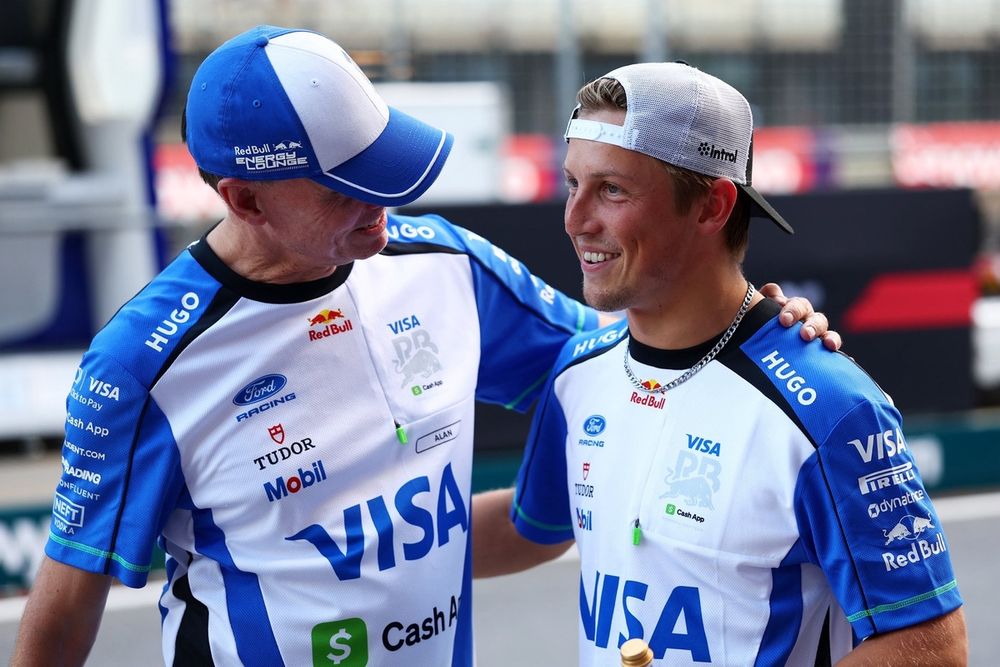
However, Permane acknowledged the reality of corporate governance within a major global brand. A Formula 1 team is not an isolated island; it is a multi-million-dollar enterprise accountable to its corporate masters and financial backers.
"I have a boss, Oliver Mintzlaff, and we have shareholders as well," Permane admitted. "A decision as important as this isn’t just made by myself. It’s made by myself in conjunction with my boss and the shareholders, making sure they’re happy. And the reason it’s taken a little bit longer than you guys would like, honestly, is that I was just taking my time and making sure we got to the right decision."
By framing the timeline as a product of due diligence rather than political deadlock, Permane sought to project a united front across the Red Bull racing family.
Implications: What the 2026 Lineup Means for Racing Bulls and the Red Bull Pipeline
The finalization of the Liam Lawson and Arvid Lindblad partnership carries profound strategic implications for the future of Racing Bulls and the broader Red Bull Driver Academy.
1. A Shift Toward Balanced Mentorship
For years, Racing Bulls (operating previously under the Toro Rosso and AlphaTauri monikers) functioned primarily as a high-turnover revolving door, rushing rookies into the senior team with mixed results. By pairing an experienced, battle-tested talent like Lawson with an elite prospect like Lindblad, the team is adopting a more balanced approach. Lindblad enters F1 with a safety net of professional guidance, drastically reducing the psychological and technical strain typically placed on debutants.
2. The Status of the Red Bull Junior Academy
The fact that Nikola Tsolov missed out on the seat—despite strong internal consideration—highlights the brutal nature of the Red Bull pipeline. There are simply more elite drivers than available seats in Formula 1. However, keeping Lawson does not mean the pipeline is closed; rather, it raises the performance threshold required for graduation. Juniors now know they must not only be fast in the junior formulae, but they must also convincingly surpass the high standard set by drivers like Lawson if they wish to displace them.
3. High Stakes for Lawson in 2026
While Lawson has earned a vote of confidence for 2026, the Formula 1 paddock is notoriously forward-looking. His "revelation" of form must be sustained into the new aerodynamic and power-unit era. With a hungry Arvid Lindblad analyzing his every telemetry file and a management structure watching closely, Lawson will need to maintain his upward trajectory to cement his long-term future at the top tier of motorsport.
As the lights prepare to go out on a new era of Formula 1 regulations, Racing Bulls has chosen its path: a fusion of proven resilience and future potential. Whether this calculated gamble pays dividends on the timing sheets will be one of the most compelling storylines of the 2026 season.

 Suro Senen
 Laily UPN
 rifanmuazin
 Muslim
 Layla Zulfa
 Asep Darmawan