Nana Wu

The 2026 Rugby League World Cup has officially moved into its high-stakes mid-tournament phase, with Australia, New Zealand, and Papua New Guinea serving as a spectacular backdrop for the sport’s most prestigious showcase. As the world’s elite athletes battle for supremacy across the men’s, women’s, and wheelchair divisions, the intensity of the competition has matched the global scale of the event. With 53 matches scheduled across an action-packed month, the tournament serves as a testament to the surging popularity of rugby league, culminating in a grand finale on Sunday, 15 November.
The State of Play: Knockout Aspirations
As the tournament enters its third weekend, the competitive landscape is beginning to sharpen. In the men’s competition, the Australian Kangaroos have asserted their dominance, becoming the first side to mathematically secure a spot in the semi-finals. Their clinical performance throughout the group stages has once again solidified their status as the team to beat.
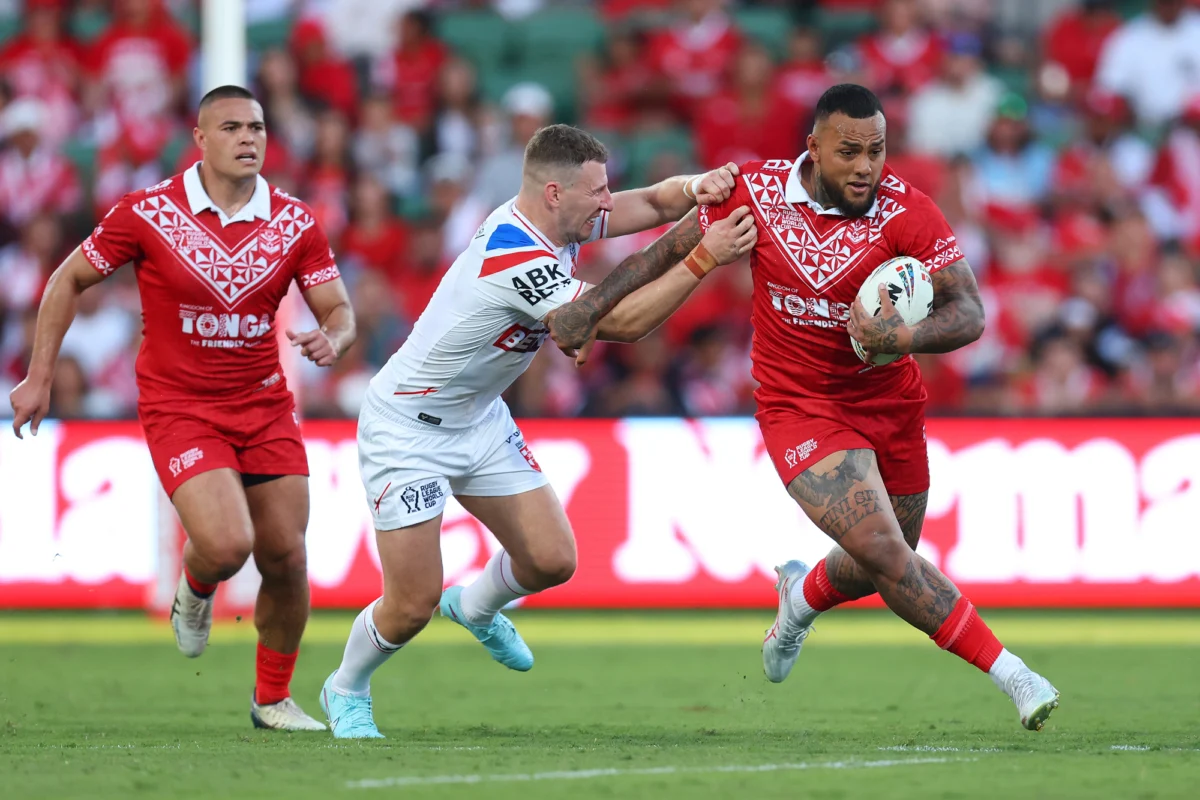
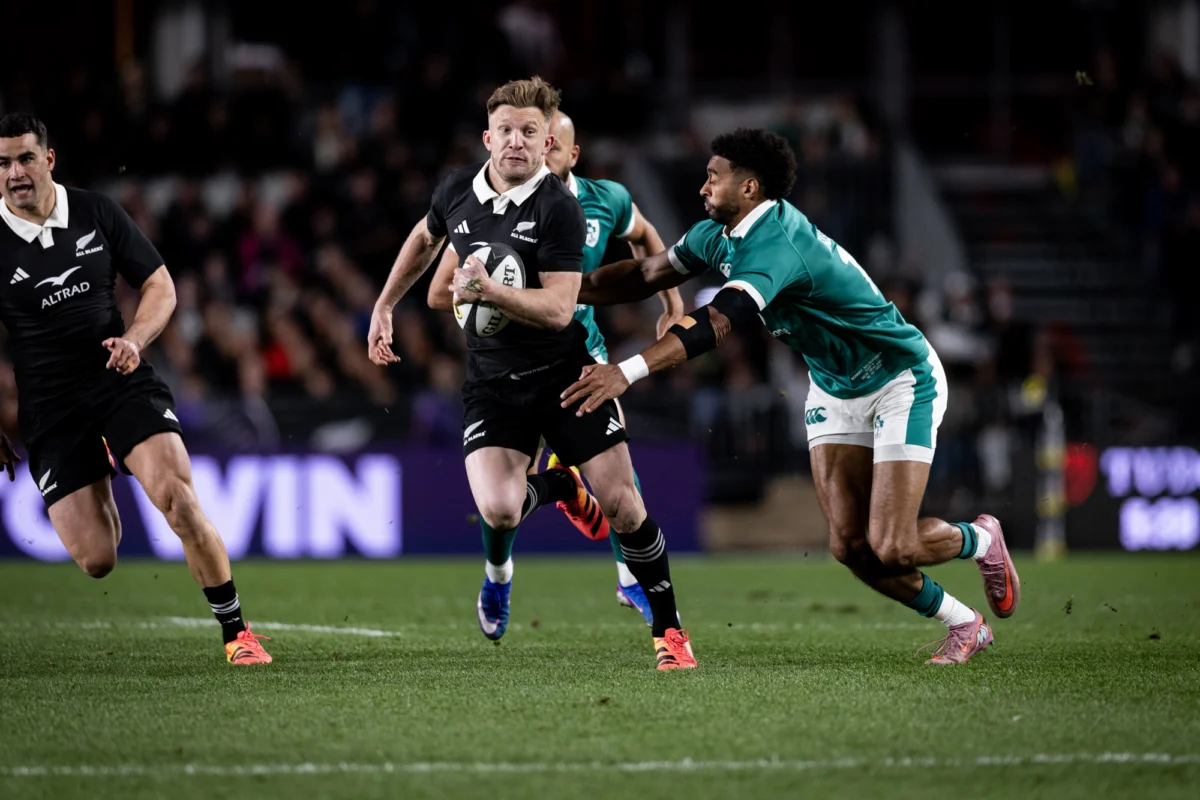
However, the path for other nations remains fraught with complexity. In Pool A, the showdown between New Zealand and Fiji is set to be a defining moment for the tournament, with both sides vying for the remaining knockout berths. The situation in Pools B and C is even more volatile. While Samoa and Tonga currently hold the tactical advantage, the tournament’s nature ensures that England and Papua New Guinea remain firmly in the hunt, provided they can capitalize on upcoming results.
The women’s tournament mirrors this intensity. Australia remains the only side with a guaranteed semi-final appearance, though the New Zealand Ferns are poised to join them, barring an improbable series of upset results in Pool B. Meanwhile, the battle for the remaining semi-final slots is heating up, with Fiji’s match against France and the highly anticipated clash between England and Samoa set to determine the final four.
Chronology of a Global Event
The tournament kicked off on 15 October, igniting a month-long celebration of rugby league. While the men’s and women’s tournaments began in mid-October, the wheelchair tournament—a rapidly growing facet of the sport—officially commenced on 30 October.
- 15–25 October: The opening rounds saw a whirlwind of activity, with high-scoring encounters and defensive masterclasses. The early stages served to separate the tournament favorites from the dark horses, establishing a narrative of resilience and skill.
- 30 October: The start of the wheelchair competition marked a historic milestone for the tournament, showcasing the inclusivity and tactical depth of the sport.
- 15 November: The grand culmination. Fans worldwide are looking forward to the men’s and women’s finals, where the champions will be crowned.
The Tactical Landscape: Defending the Crowns
The 2026 edition of the World Cup is defined by the quest for dominance. Australia enters this cycle as the undisputed titan, looking to defend both their men’s and women’s titles. Their ability to maintain a high performance level under the pressure of expectation has been the hallmark of their campaign thus far.
Contrarily, the wheelchair tournament tells a different story. England, having secured the crown in the previous cycle, enters the competition with a target on their back. Their defense of the title is expected to be challenged by a motivated field of international competitors who have invested heavily in their own domestic infrastructures.
Broadcasting and Accessibility
Recognizing the global appetite for the sport, organizers have ensured that the 2026 World Cup is accessible to fans regardless of their geography. In Australia, the broadcast rights are held by Seven and its digital streaming platform, 7plus, which provides a free viewing experience for all 53 matches. This initiative is aimed at fostering a new generation of fans and ensuring the tournament reaches the widest possible audience.
For international viewers, the landscape is similarly robust. Premier Sports holds the rights for the UK, Ireland, and the US, while Sky Sport brings the action to homes across New Zealand. For those living in regions where the broadcast might be restricted, or for fans traveling away from home, the use of virtual private networks (VPNs) has become a common practice. Services such as NordVPN are frequently cited by tech analysts for their efficiency in bypassing geo-blocks, ensuring that supporters can maintain access to their domestic streaming services, such as 7plus or ThreeNow, without interruption.
Implications for the Future of Rugby League
The 2026 Rugby League World Cup is more than a sporting event; it is an economic and cultural engine for the host nations. Australia, New Zealand, and Papua New Guinea have seen significant engagement from local communities, with stadiums filled to capacity and fan zones buzzing with activity.
The success of this tournament has significant implications for the future of the International Rugby League (IRL). The growth of the women’s game and the mainstream integration of the wheelchair competition are signaling a shift in how the sport is perceived and marketed. By staging these events simultaneously, the IRL is creating a unified identity for rugby league, proving that the sport’s core values—integrity, inclusivity, and high-intensity competition—resonate across all demographics.
Furthermore, the performance of emerging nations during this tournament is forcing a rethink of the global development calendar. If nations like Fiji or Papua New Guinea continue to challenge the traditional hegemony of Australia and New Zealand, the investment in grassroots rugby league in the Pacific and beyond is likely to see a substantial increase in the coming years.
Official Commentary and Fan Engagement
While the players remain focused on the field, the administrative bodies have expressed pride in the tournament’s execution. The seamless transition between events and the commitment to hosting the competition across three different nations has been lauded as a logistical triumph.
Fan engagement has been record-breaking. Social media metrics, digital stream viewings, and attendance figures suggest that the 2026 tournament will go down as one of the most successful in history. Rugby World, the sport’s leading publication, continues to provide deep-dive analysis, ensuring that fans have access to expert commentary and player insights throughout the duration of the games.
Summary of Viewing Options
For those navigating the final stages of the tournament, the following options remain the primary gateways to the action:
- Australia: 7plus (Free).
- New Zealand: ThreeNow (Free for local matches and knockouts).
- UK/Ireland/US: Premier Sports.
- Global Travelers: Utilization of a secure VPN to connect to the aforementioned services is recommended by technology experts to ensure seamless streaming.
As the tournament moves toward its conclusion, the focus shifts to the semi-finals. The world will be watching to see if the status quo holds or if a new champion will emerge to redefine the history of the sport. With every tackle, try, and conversion, the 2026 Rugby League World Cup continues to write a compelling chapter in the history of international athletics.
Disclaimer: The streaming of content through VPNs should always be conducted in accordance with the terms and conditions of the respective service providers. Future Publishing does not endorse or condone the use of these services for illegal or unauthorized access to copyrighted material.

 Lina Hope
 Neng Nana


 Sagoh

 Azzam Bilal Chamdy