
 Neng Nana
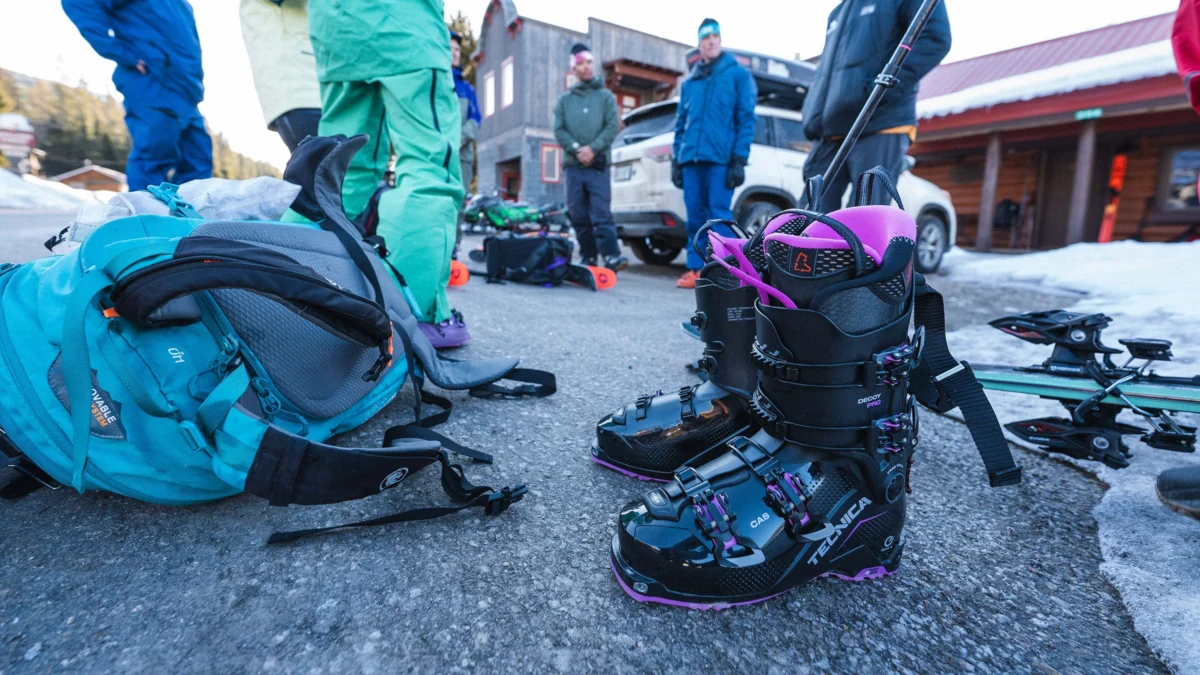
It is 4:00 a.m., and the sharp, freezing air of a pre-dawn alpine morning rushes into an open garage as gear is packed into an idling vehicle. This scene repeats itself across mountain towns every winter weekend. Yet, as many backcountry skiers stand before their collection of touring equipment, a familiar moment of indecision strikes. Should it be the ultra-lightweight skimo setup or the heavy-duty resort hybrid?
For most skiers, neither choice feels entirely right for a standard day in the backcountry. Yet, out of habit and necessity, many reach for their beaten-up, dependable workhorse boots—the classic midweights that sit quietly in the corner.
Despite being arguably the most versatile footwear category for human-powered skiing, the midweight backcountry ski boot class has hit a wall. While ski manufacturers pour millions of dollars into research and development (R&D) at the extreme ends of the spectrum—featherweight skimo gear and heavy crossover resort-hybrids—the vital middle category has been left to stagnate.
Industry veterans and gear analysts argue that this "missing middle" is the most glaring oversight in modern ski manufacturing, and that the next major breakthrough in backcountry gear should and must happen right here.
Main Facts: The Anatomy of the "Missing Middle"
To understand the crisis facing the midweight touring boot market, it helps to establish how the industry categorizes backcountry footwear. While there are no official governing bodies or strict regulatory definitions dividing touring boots, gear experts generally split them into three distinct tiers:
- Lightweight / Skimo Boots: Typically featuring a two-buckle configuration and weighing under 1,200 grams per boot (such as the La Sportiva Kilo). These are optimized for fast ascents, long traverses, and fitness loops, but often compromise downhill performance.
- Crossover / Resort-Hybrid Boots: Generally heavier four-buckle designs weighing around 1,500 grams or more, featuring GripWalk or alpine-compatible soles designed to bridge the gap between resort skiing and touring (such as the Dynafit Tigard or Scarpa 4-Quattro XT).
- Midweight Touring Boots (The Missing Middle): Historically characterized by a three-buckle design and weighing between 1,300 and 1,500 grams. This category has long served as the Swiss Army knife of backcountry skiing, capable of driving everything from lightweight randonee skis to wider powder boards.
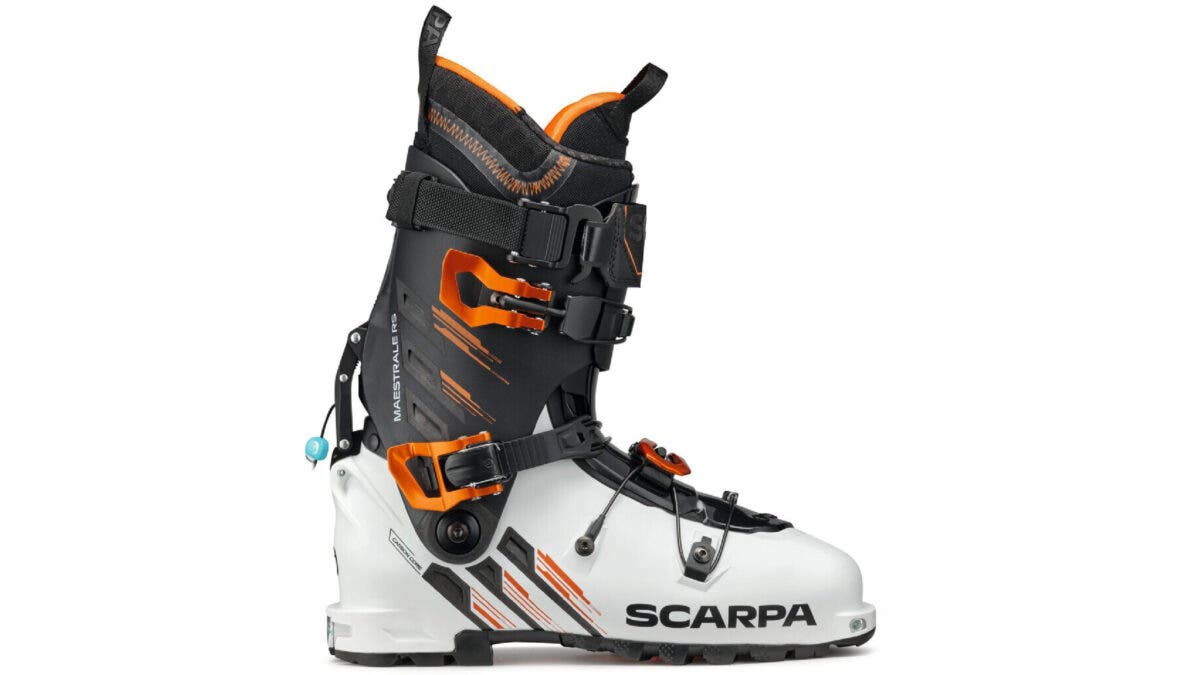
The core issue is a textbook market misalignment. While backcountry skis fall neatly on a bell curve of waist width and weight, the boots designed to pilot them are bimodally distributed. Skiers are forced to choose between the feather-light extremes and the heavy-duty hybrids, while the boots that best serve the average skier’s actual needs are starved of innovation. Even legendary archetypes of the class—such as the Scarpa Maestrale RS—have begun creeping upward in weight and buckle count, effectively graduating into heavier categories.
Chronology: How the Middle Got Squeezed
The current state of the market is the result of a decade-long shift in consumer habits and manufacturing priorities.
Early 2010s: The Golden Era of the Workhorse
When ski touring experienced its modern boom in the early 2010s, midweight boots were the undisputed benchmark. Models like the Dynafit Vulcan and the original Scarpa Maestrale became the go-to choices for skiers who wanted to climb efficiently without sacrificing downhill confidence. At the time, these boots represented the state of the art in balancing uphill mobility with alpine-level descent capabilities.
The Mid-2010s to 2020: The Lightweight Gold Rush
Following the workhorse era, the market experienced an explosion of lightweight options. Driven by the explosive growth of resort uphilling, fitness touring, and skimo racing, almost every major brand diverted its R&D budget toward svelter chassis. Skis simultaneously became lighter and less physically demanding, encouraging skiers to adopt minimalist setups.
Brands attempted to bridge the gap by beefing up lightweight boots (such as La Sportiva’s Kilo XTR series), but two-buckle designs consistently fell short of providing the progressive flex, leverage, and suspension demanded by wider skis and variable snow conditions.
2022–Present: The Crossover Revolution
Most recently, the industry shifted its attention to capture the massive demographic of resort skiers who venture into the backcountry a few times a year. This resulted in the crossover boom.
The launch of boots like Scarpa’s 1,500-gram 4-Quattro XT in 2022 revolutionized the segment. Suddenly, boots with genuine alpine-like skiing capability unlocked a wide range of motion (ROM)—often exceeding 60 degrees—while shedding weight through advanced materials. This gave resort-heavy skiers unprecedented "quiver overlap," allowing them to use a single boot for both chairlifts and human-powered terrain.
Left squeezed between the surging lightweight category and the heavily funded crossover segment, the true midweight touring boot was left behind. While models like the Scott Cosmos Pro and Fischer Transalp Carbon Pro prove that midweight boots still exist, they have largely missed out on a decade of technological trickle-down, leaving them feeling dated and overdue for a comprehensive redesign.
Supporting Data: Why One Midweight Boot Covers the Whole Quiver
Conventional ski touring dogma has long preached that the ideal backcountry quiver consists of two distinct setups: one lightweight rig for big-mileage missions, and one heavy-duty setup for deep-snow powder days.
However, physics and real-world testing tell a different story about how gear interacts on the mountain:
- The Lightweight Limitation: Featherweight boots lack the lateral stiffness and progressive damping required to manage large, wide skis—particularly in bad snow, crust, or wind-slab. When paired with a heavy ski, a light boot feels dead and overpowered.
- The Crossover Drag: Conversely, heavy crossover boots are a chore on lightweight, nimble touring skis. Their high cuffs, rigid flex profiles, and added heft rapidly overpower slender skis, and their bulk can make long-distance touring feel punishingly inefficient.
- The Midweight Advantage: Midweight boots hit the "Goldilocks" zone. They possess enough structural integrity and suspension to drive fat powder skis through crud, yet they remain nimble and efficient enough to mount on narrower, lighter skis for spring mountaineering missions.
By owning a single, well-engineered midweight boot, a skier can theoretically cover 80 to 90 percent of their annual backcountry objectives without needing a sprawling closet of specialized footwear.
Official Responses and Industry Perspectives
Gear designers and specialty retailers acknowledge the tension in the marketplace, though commercial pressures often dictate where engineering budgets are allocated.
Industry representatives point out that the crossover category represents a vastly larger commercial market. "The number of skiers who ski primarily inbounds and dabble in the backcountry vastly outnumbers the dedicated, human-powered-only tourer," notes one product developer at a major European boot manufacturer. "From a business perspective, R&D dollars naturally flow toward the boots that appeal to the widest audience at the resort gate."
Retailers, however, report a different sentiment from core consumers who spend the majority of their time beyond the resort boundary. Former ski shop employees and seasoned mountain guides frequently express frustration over the shifting focus of legacy touring boots.
"When legendary models gradually add weight, buckles, and stiffness to appeal to the hybrid market, they abandon the core backcountry skier," notes Bergen Tjossem, a former ski-shop worker and gear writer. "Skiers aren’t asking for heavier boots with more parts to break. They are asking for refined efficiency."
Implications: What Comes Next for Backcountry Footwear?
The stagnation of the midweight category carries several implications for the future of ski gear development and consumer habits:
- Consumer Frustration and Gear Longevity: Because modern midweight options have lagged in innovation, many skiers are choosing to repair, modify, or hold onto older models (such as pre-2024 Maestrales) rather than upgrade. Gear longevity is a win for sustainability, but it indicates a lack of compelling new choices on showroom racks.
- The Blueprint for the Ideal Boot: The market is ripe for a paradigm shift. The ideal blueprint for the next-generation midweight boot is clear to most experienced tourers: a three-buckle chassis, a modern camming power strap, a true range of motion exceeding 65 degrees, a total weight under 1,400 grams per boot, and a streamlined, intuitive walk-mode mechanism with minimal "fiddle factor."
- A Call to Action for Manufacturers: As the novelty of the initial crossover boom levels off, brands will eventually need to look for fresh avenues of growth. The next major competitive battleground in ski touring should—and likely will—happen in the missing middle.
Until manufacturers recognize this gap and funnel genuine innovation back into the midweight category, dedicated backcountry skiers will continue to baby their legacy gear, longing for an industry brave enough to build the ultimate one-boot quiver.

 Reynand Wu

 Iffa Jayyana

 Suro Senen

 Basiran

 Lina Hope

 Muslim

 Layla Zulfa