
 Nana
Nana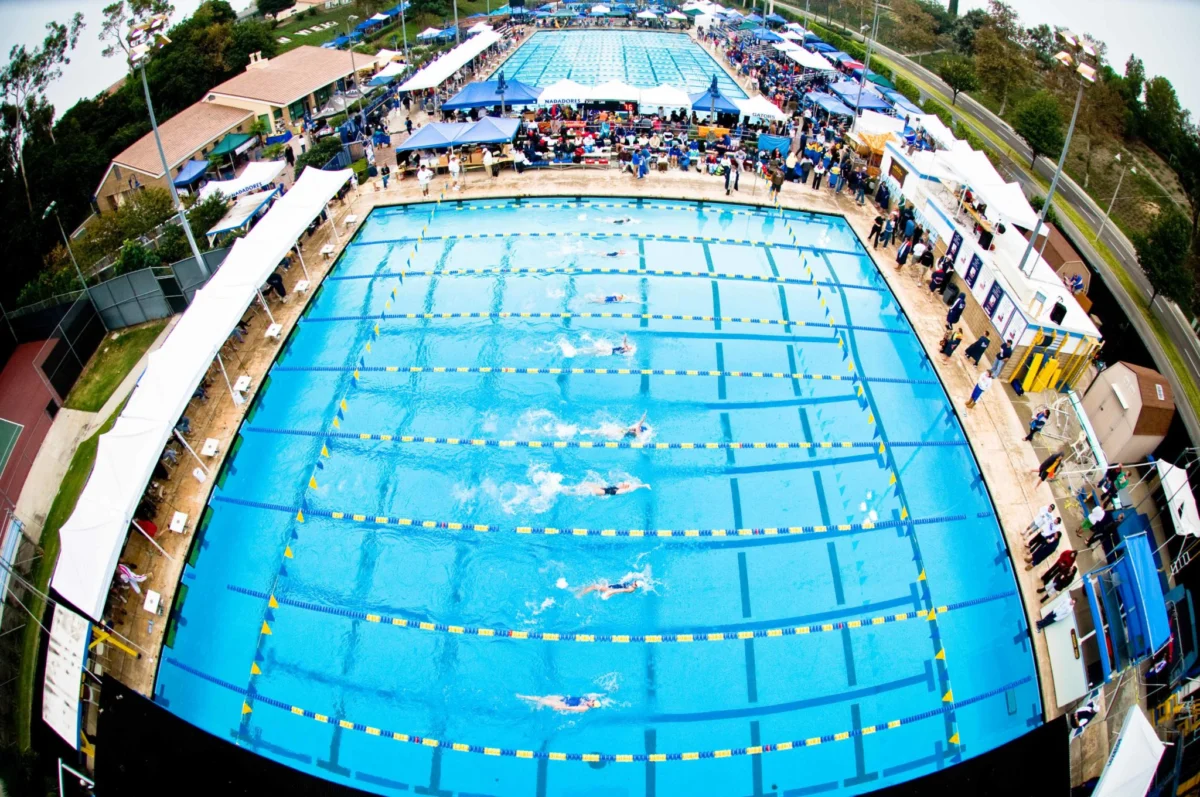
The swimming world was met with significant news this Thursday as the Mission Viejo Nadadores announced the closure of their 360 Performance Center. The elite post-graduate and professional training group, which served as a premier destination for high-level swimmers pursuing Olympic and World Championship glory, will cease operations effective immediately. Alongside the shuttering of the program, head coach Jeff Julian has confirmed that his tenure with the storied organization has come to an end.
A Legacy of Excellence: The Genesis of the 360 Performance Center
The establishment of the 360 Performance Center in early 2022 was heralded as a major development in American professional swimming. The initiative was spearheaded by the recruitment of Jeff Julian, who departed his position as the head coach of the Rose Bowl Swim Team to spearhead the new professional arm at Mission Viejo. Operating out of the world-class Marguerite Aquatic Center, the group was designed to provide a centralized hub for elite athletes—both domestic and international—to refine their craft under Julian’s guidance.
From its inception, the center attracted top-tier talent. The initial roster featured heavy hitters such as four-time World Championship medalist Justin Ress, fellow World Championship medalist Trenton Julian, open water standout David Heron, and former Washington State University athlete Taylor McCoy. The group’s philosophy was built on a holistic approach to high-performance training, focusing on the intersection of technical precision, physiological conditioning, and psychological fortitude.
Chronology: Building and Sustaining a Pro Group
The trajectory of the 360 Performance Center was defined by rapid, high-impact success. Following the group’s formation in 2022, Justin Ress quickly validated the program’s methodology by securing gold in the men’s 50-meter backstroke and the 4×100-meter freestyle relay at the 2022 World Championships. He maintained that momentum into 2023, capturing a silver medal in the 50 back and a bronze in the 4×100 free relay, cementing the program’s reputation as a factory for international success.
Throughout 2023 and 2024, the center became a melting pot of international talent. The program’s reach extended far beyond domestic borders, incorporating athletes from across the globe:
- The Global Pipeline: The roster included Bahamian standout Emmanuel Gadson, Antigua and Barbuda’s Stefano Mitchell, Puerto Rican representative Yeziel Morales, and Mexican swimmer Jean Paul Ramis.
- Star Power: The program gained significant global attention when Canadian Olympic gold medalist Penny Oleksiak moved to Mission Viejo in 2023 to train under Julian, aiming for a resurgence in the lead-up to the Paris 2024 Olympic cycle.
- Notable Alumni: The program served as a training ground for several other high-profile athletes, including Sean Grieshop and the Philippines’ Kayla Sanchez, both of whom utilized the facilities and coaching staff to bridge the gap between collegiate swimming and the professional stage.
Professional Transitions and Program Evolution
Despite the successes, the landscape of professional swimming is notoriously volatile. In recent months, the program saw varied levels of representation at major meets. At the U.S. National Championships in Irvine, Isabelle Odgers and Nathalia Almeida served as the primary faces of the program, with Odgers securing a 28th-place finish in the 200-meter breaststroke.
The closure comes as a sudden pivot for the Nadadores. While the club maintains a robust age-group program, the elimination of the professional group signifies a strategic shift in how the organization allocates its resources at the Marguerite Aquatic Center. For Jeff Julian, the closure is deeply personal. In a statement released via social media, Julian expressed his gratitude for the athletes who entrusted him with their careers during his tenure.
"I cannot express enough what an honor it was to work with the incredible athletes who trusted us with their goals and their careers," Julian wrote. "The opportunity to be part of their journeys, to share in the breakthroughs, challenges, big moments, and everyday work, will forever mean a great deal to me. I am incredibly proud of what we built together and grateful for everyone who was part of it."
Analyzing the Impact: Why the Closure Matters
The dissolution of the 360 Performance Center raises broader questions about the sustainability of boutique professional training groups in the United States. While programs like Mission Viejo, the LA-based pro groups, and various university-affiliated centers have fostered a "professionalization" of the sport, they remain subject to the financial and logistical demands of elite coaching.
Financial and Administrative Implications
Professional swimming groups often operate on a thin margin. They require substantial funding for facility usage, travel, athlete stipends, and coaching salaries. When a club decides to close such a unit, it usually signals either a redirection of institutional focus or a fundamental change in the fiscal model of the organization. As of now, the Nadadores have not released a detailed financial breakdown regarding the decision, but the move leaves several high-level athletes in search of new training environments.
The Coaching Landscape
The departure of Jeff Julian from the Mission Viejo organization leaves a notable vacancy in the U.S. coaching ranks. Julian’s ability to recruit international talent and manage a diverse group of athletes—ranging from Olympic medalists to collegiate hopefuls—has established him as a significant figure in the sport. His next move will undoubtedly be a subject of interest for the swimming community, as he holds a proven track record of elevating athletes to the podium at the World Championship level.
Looking Forward: The Future of the Nadadores and the Athletes
For the athletes formerly associated with the 360 Performance Center, the immediate future involves a transition period. Many of the swimmers, particularly those with international affiliations, will need to determine if they intend to remain in the Southern California training environment or seek new opportunities elsewhere.
The Mission Viejo Nadadores, meanwhile, will continue to operate their prestigious age-group and collegiate-prep programs. The club remains one of the most historically significant swimming organizations in the United States, known for its deep history of producing world-record holders and Olympic champions. While the 360 Performance Center was a newer venture, its closure represents the end of a chapter that prioritized the integration of elite post-graduate athletes into the club’s daily culture.
Official Responses and Industry Sentiment
SwimSwam has reached out to the Mission Viejo Nadadores management for further clarification on the reasoning behind the dissolution of the professional group. At the time of this publication, the organization has not provided a formal press release beyond the announcement of the closure.
Industry experts note that the closure of such groups is often a cyclical occurrence in swimming. As training philosophies evolve and the cost of maintaining elite-level support staff increases, clubs often re-evaluate the return on investment for hosting professional tiers. However, the loss of a hub that hosted athletes like Penny Oleksiak and Justin Ress leaves a void in the training landscape of the Pacific Coast, forcing the remaining professional athletes to look toward other training centers in California, such as those in Los Angeles or Berkeley, to continue their preparations for upcoming international competitions.
As the dust settles on this announcement, the focus remains on the athletes. The "everyday work" mentioned by Julian in his farewell post is the hallmark of the professional swimmer’s life—a life that will now continue in new pools, under new regimes, and with new goals on the horizon. The 360 Performance Center may be closing its doors, but the impact of the training, camaraderie, and results achieved within its walls will remain part of the competitive narrative for the current generation of swimmers.

 Muslim
 rifanmuazin
 Ammar Sabilarrohman
 Pevita Pearce
 Siti Muinah
 Basiran