
 Suro Senen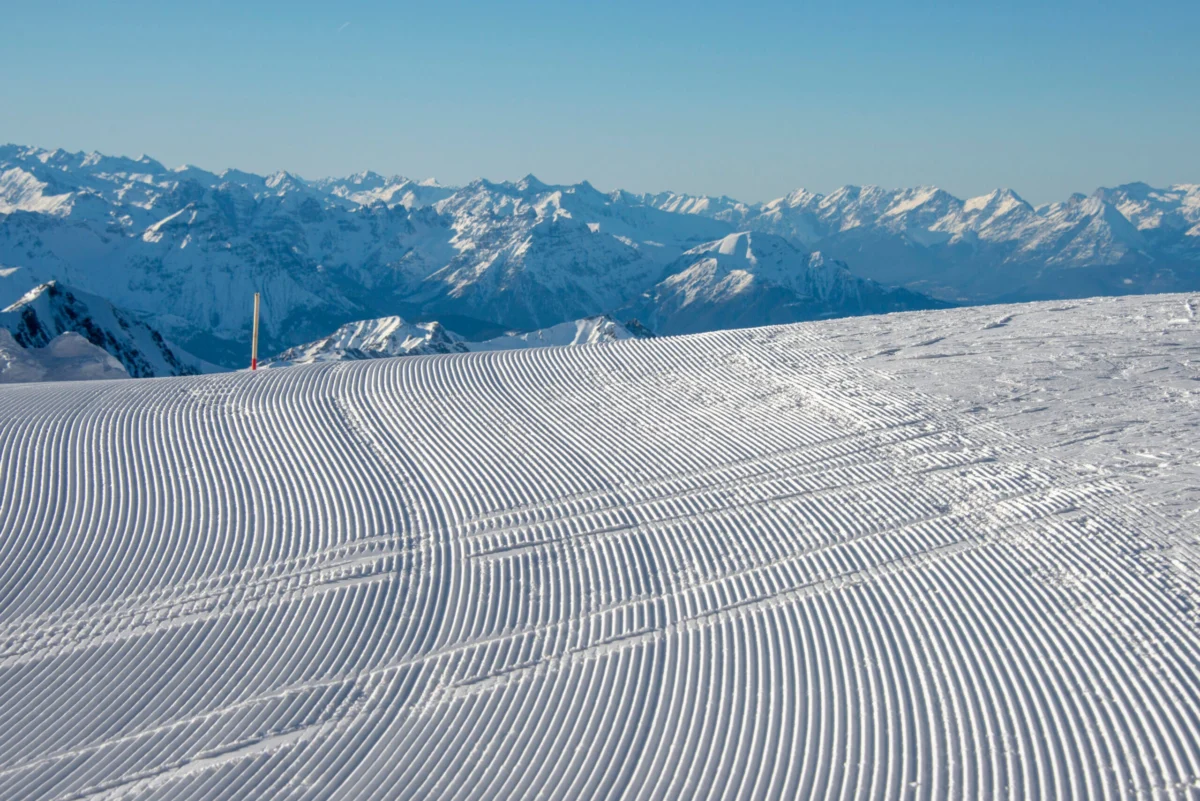
By Ski Journalism Desk
Published September 17, 2026
Main Facts
For millions of skiers and snowboarders, the morning routine is as predictable as the morning coffee: you wake up, pull out your smartphone, check the local mountain’s snow report, and make a split-second decision. If the report boasts six inches of fresh powder, you scramble to load your gear into the car and rush to the slopes. But what happens when you arrive, take a single run, and immediately wonder who in their right mind classified the frozen crust beneath your skis as "powder"?
The person behind that screen—the one translating meteorological chaos into a few hundred optimistic words—is the resort’s snow reporter. Far from being a detached meteorological forecast, the daily Mountain Report is a high-pressure, pre-dawn snapshot. Written under extreme time constraints before the first chair loads, it is an attempt to capture a mountain environment that is constantly shifting.
Writing these reports requires balancing fragmented data from ski patrol, snowmakers, and groomers while managing the expectations of an intensely passionate—and often hyper-critical—audience. In the volatile climate of New England, where a pristine snowstorm can transform into rain, howling winds, and a deep freeze within hours, the snow reporter walks a tightrope between absolute accuracy and diplomatic storytelling.
Chronology of a Morning Shift: From Darkness to First Chair
The anatomy of a snow report is a masterclass in controlled chaos, driven by a rigid timeline that leaves zero room for error. The ultimate objective is clear: publish the morning update at least one hour before the lifts start spinning. For the reporter, however, the day begins long before the sun breaks over the horizon.
The Pre-Dawn Scramble
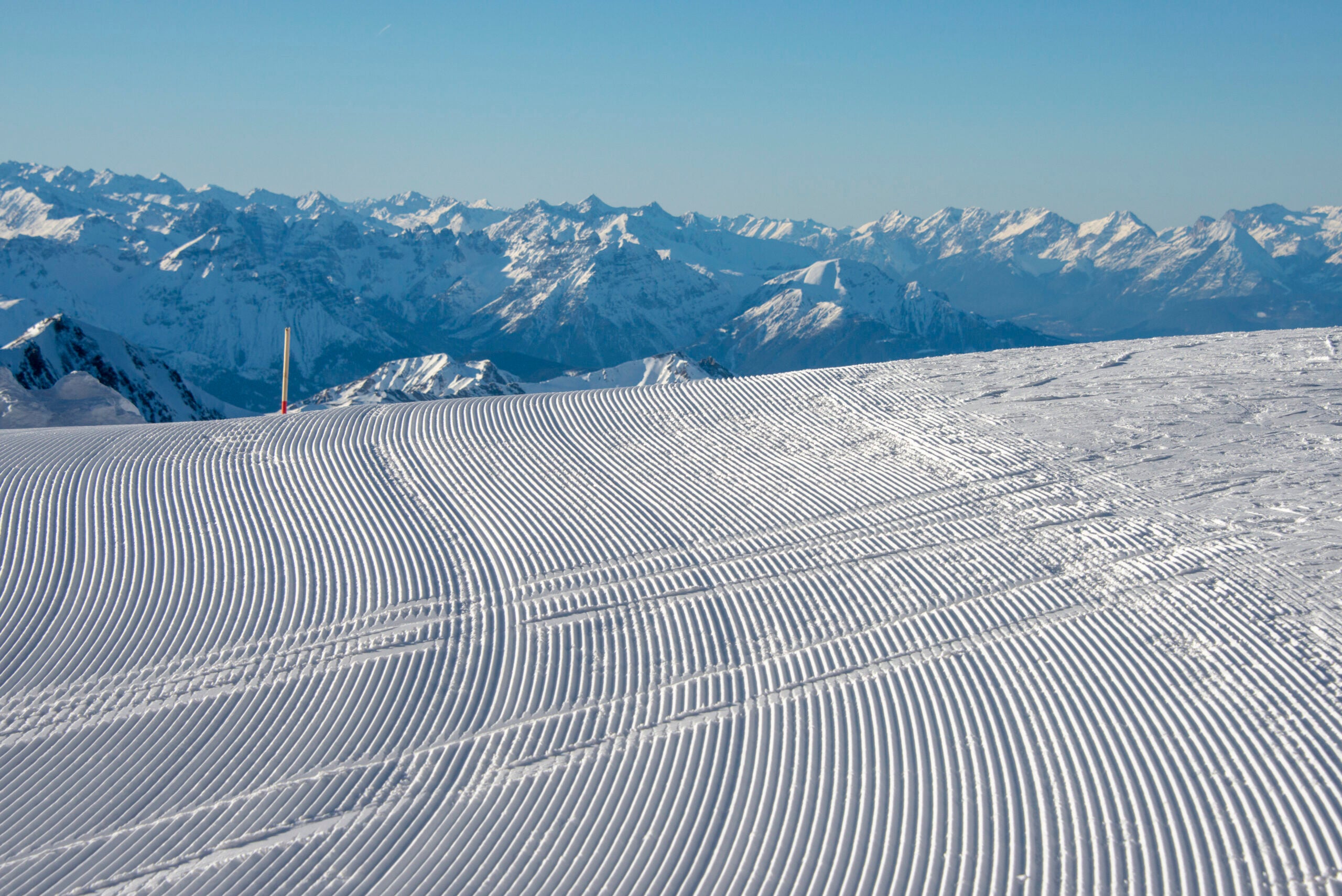
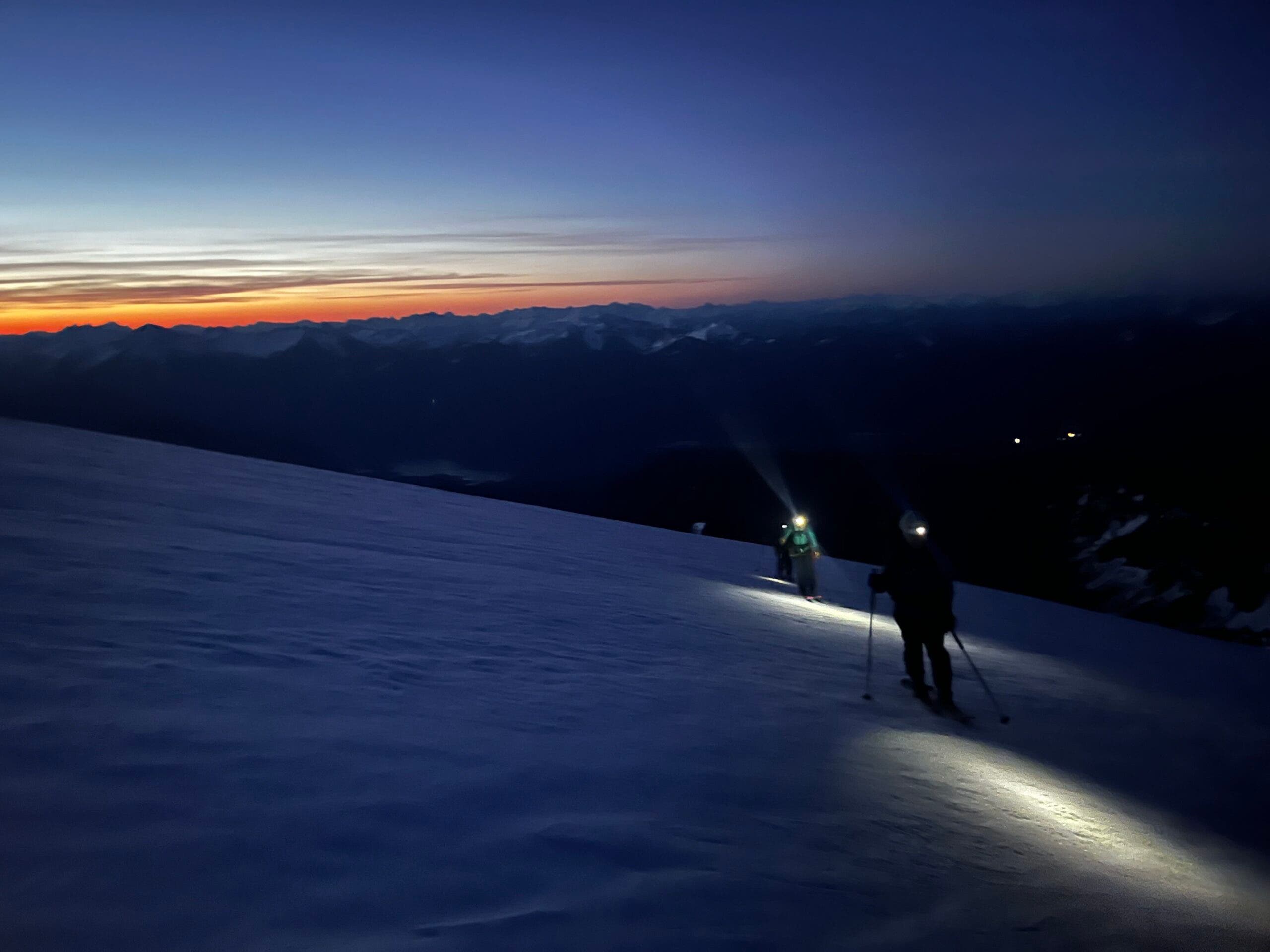
Hours before the first skier pulls into the resort parking lot, the mountain is a hive of behind-the-scenes industrial activity. Ski patrol is already navigating the dark, windswept trails to assess safety and control avalanche risks. Heavy machinery groomers crawl across steep pitches to flatten corduroy, while snowmakers frantically toggle valves on and off to maximize cover.
Meanwhile, trapped inside an office lit only by the glow of a monitor, the snow reporter sits waiting for telemetry data and verbal updates. "Hey… any chance someone can tell me what’s actually happening out there?" is a refrain familiar to anyone who has held the post. The challenge is that the people with the ground-truth answers are busy physically opening a ski resort. They are out fighting the elements, not sitting by radios.
The Information Pipeline
As the clock ticks closer to deadline, the office transforms into an operational switchboard. Microsoft Teams notifications chime continuously, office landlines ring every few minutes, and muffled radio chatter leaks through closed doors.
Updates arrive in fragments. One minute, patrol reports packed powder up top; the next, a groomer calls in to mention wind-scoured ice on the ridge. The reporter frantically transcribes these competing narratives into notes that often resemble, in the author’s words, "a three-year-old’s attempt at a family portrait."
Publishing and the Rapid Decay of Truth
By 6:00 AM, the paragraphs are polished, formatted, and published to the website and mobile app. But the moment the report goes live, its expiration clock starts ticking.
Mother Nature rarely waits for a publication schedule. A six-inch powder reading recorded at 7:00 AM can be entirely rewritten by 9:00 AM, when 30-mile-per-hour ridge gusts blow the loose snow straight into the timber. A trail that was pristine at first light might close for ice maintenance an hour later. The report is a historical snapshot of a fleeting second, not a binding contract.
Supporting Data: Decoding the Lexicon of Ski Reports
Because conditions change faster than digital updates can be posted, snow reporters rely on a specialized, highly diplomatic lexicon. For the uninitiated, reading between the lines of a resort snow report requires a working knowledge of industry euphemisms.
| Reported Term | Actual Mountain Reality | What You Should Do |
|---|---|---|
| "Hard-packed" | Pure, unadulterated ice. | Sharpen your edge tunes immediately. |
| "Warm precipitation" | It is actively raining on the lower third of the mountain. | Waterproof everything; head for the lodge waffle cabin. |
| "Variable" | You will encounter powder, ice, slush, crud, and wind-slab all on a single run. | Bring an all-mountain ski with a versatile waist width. |
| "Wind-buffed" | Gale-force gusts have stripped the snow off the trail and packed it into deep drifts—or concrete. | Stay below the treeline. |
| "Spring conditions" | Knee-deep slush by noon, frozen ruts by 3:00 PM. | Dress in layers, wear sunscreen, and start drinking early. |
This linguistic diplomacy is not designed to deceive; rather, it is a survival mechanism for managing the vast gulf between regional weather forecasts and hyper-local microclimates.
Official Responses and Perspectives
To understand the weight of the snow report, one must look at the unique ecosystem of resort operations. Skier psychology often mirrors that of passionate sports fans. When conditions are waist-deep and blower-cold, the snow reporter and resort operations team are hailed as heroes. When rain washes out the base or an unexpected freeze turns corduroy into glass, the reaction from the public can be ferocious.
The Sports Coach Analogy
"If there’s anything I know about New England sports fans," notes one veteran snow reporter, "it’s that they’re passionate. Wicked passionate."
Writing a snow report effectively makes you the head coach of the local skiing community. You carry the responsibility of setting expectations for thousands of people investing their hard-earned money and weekend leisure time into a day on the hill.
The Realities of Ski Patrol Collaboration
Ski patrollers form the backbone of the morning report. As the first individuals on the snow every morning, their assessments dictate terrain openings and safety closures. However, their primary mandate is risk mitigation—mitigating avalanche hazards, marking hazards, and ensuring structural trail safety—not feeding real-time marketing copy to the digital communications team. Bridging the gap between the operational priorities of ski patrol and the consumer demands of the skiing public remains one of the most delicate challenges in resort management.
Implications: The Human Element Behind the Screen
The evolution of snow reporting reflects broader changes in outdoor recreation culture. In an era of hyper-connected, real-time digital apps, automated weather stations, and instantaneous social media geotagging, the traditional snow report occupies a unique space. It is a bridge between raw data and human storytelling.
Combatting Social Media Backlash
With local Facebook groups and Instagram comment sections serving as digital town squares for disgruntled skiers, snow reporters frequently bear the brunt of public frustration over Mother Nature’s mood swings. Industry veterans emphasize a vital coping mechanism for those holding the keyboard: Do not take the commentary to heart. The reporter is merely the messenger interpreting a dynamic ecosystem, not the deity dictating barometric pressure or storm tracks.
The Enduring Magic of the First Chair
Despite the relentless alarm clocks, the chaotic morning communications, and the inevitable public backlash, the profession retains a powerful allure.
The magic lies in the psychology of the parking lot on a true powder morning. Watching cars spill over the pavement, filled with skiers and snowboarders rushing toward the lifts with contagious, anticipatory energy, transforms the grind. Knowing that the hurried words tapped out in the pre-dawn dark helped set the tone for someone’s best day of the winter makes the administrative chaos worth it.
As ski country looks toward future seasons, the humble Mountain Report remains a testament to human effort in the face of natural unpredictability. Next time you open your phone to check the morning numbers, take a moment to appreciate the human being behind the screen—fueled by a strong cup of coffee, staring down a blizzard of data, and trying desperately to make sense of a mountain that refuses to sit still.

 Pevita Pearce
 Iffa Jayyana




 Reynand Wu
 Lina Hope