
 Reynand Wu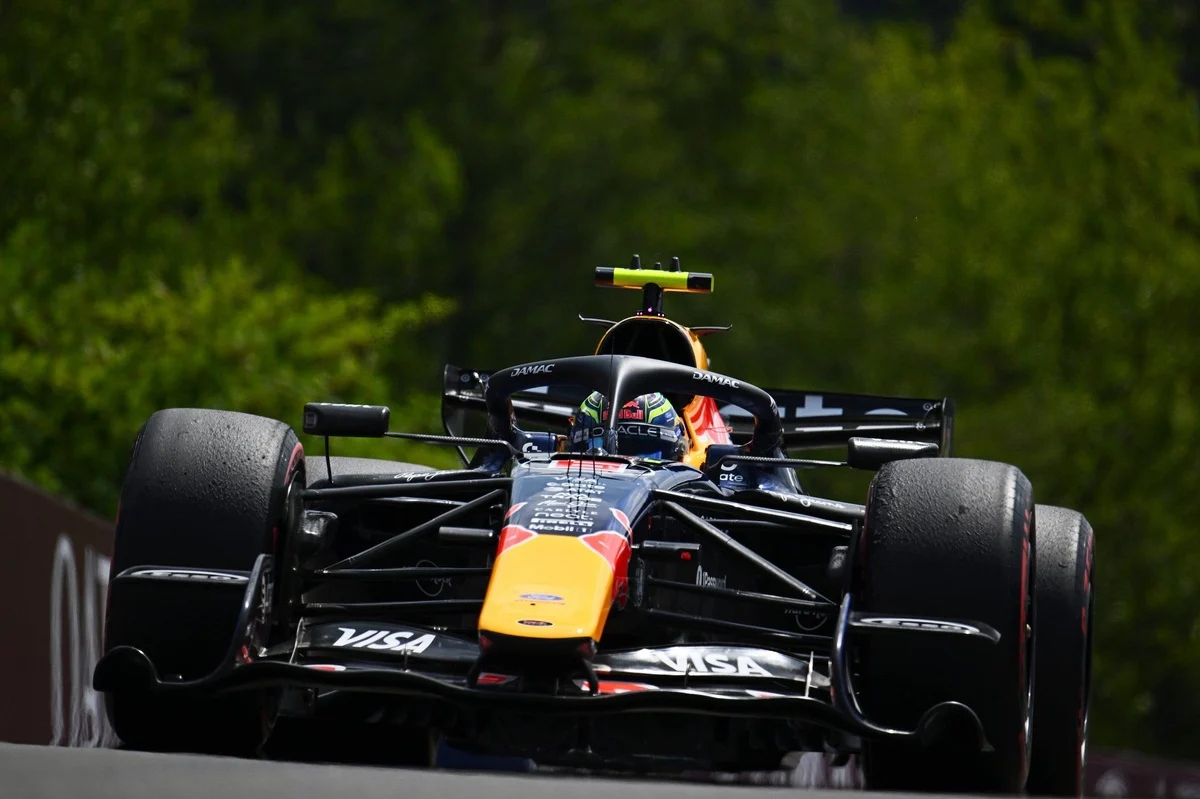
In the high-stakes theater of Formula 1, race strategies are often meticulously mapped out weeks in advance. However, the Belgian Grand Prix at Spa-Francorchamps provided a masterclass in improvisation, as Red Bull’s Isack Hadjar transformed a grid-penalty disadvantage into one of the most compelling drives of the season. By executing a counterintuitive double-pitstop maneuver early in the race, the Frenchman clawed his way from the back of the pack to secure a remarkable sixth-place finish.
The Context: Starting from the Shadows
Hadjar’s weekend began under a cloud of technical adversity. Owing to the installation of his fifth power unit of the season, the youngster was relegated to the back of the grid. Spa-Francorchamps, known for its unforgiving elevation changes and demanding high-speed sections, is rarely a place where a back-of-the-grid starter can realistically aim for points, let alone a top-six finish.
Red Bull opted for a bold, long-game approach, fitting Hadjar with hard compound tyres to maximize his opening stint. The objective was clear: gain track position through attrition and tire longevity. However, the race dynamics shifted violently on the opening lap when a high-speed collision involving George Russell triggered an immediate Safety Car intervention.
A Chronology of Chaos and Brilliance
The Safety Car period presented a pivotal fork in the road for the Red Bull pit wall. With the field bunched up and the race neutralized, the team made a decision that initially bewildered even their own driver.
The Double-Stop Gamble
Under the Safety Car, Red Bull called Hadjar into the pits to switch to medium tyres. This move fulfilled the race’s mandatory two-compound requirement, theoretically freeing him to run the remainder of the race on his preferred rubber. However, in a move that caught the paddock off guard, the team brought him back in at the end of lap two, immediately swapping him back onto hard tyres.
"The goal was to have options later," Hadjar explained to Canal+ shortly after the race. "We did lose a few positions, but we knew I was going to get them back quite quickly. It gave me flexibility to be able to choose later on. I picked hards, which I preferred, and it worked."
Reflecting on the decision, Hadjar admitted to the press that his initial reaction was one of confusion. "Even I was a bit lost with the pitstops. After a few laps, I actually understood why we did that. I was a bit slow in the head, I have to say," he laughed. "I was thinking, ‘Why did I take so many risks?’ You should have told me; I would have stayed at the back, but obviously, we didn’t know there was going to be a safety car. It was a bit frustrating, but it paid off."

Rising Through the Ranks
Once the race resumed, the true brilliance of the strategy became evident. Freed from the tactical constraints of tyre compounds, Hadjar drove with a clinical edge. By lap 15, he had already surged into the top 10, carving through the midfield with surgical precision.
His pace was nothing short of elite. During his peak performance window, his fastest 10-lap average sat at 1m49.727s—statistically outperforming even his teammate, Max Verstappen, whose average over the same period was 1m49.809s. This blistering pace allowed him to extend his second stint and effectively neutralize the threat from the cars ahead.
The final act of his charge saw him locked in a tactical battle with Lando Norris. While Norris, who started 13th, attempted a more traditional strategy with a single pitstop on lap 30, he found himself unable to fend off the charging Hadjar. The Frenchman held firm, crossing the line in sixth, a result that felt more like a victory than a mid-field finish.
The Data: Quantifying the Leap
The significance of Hadjar’s performance is best understood through the numbers. With this result, the sophomore driver has now accumulated 60 points this season. To put this in perspective, that figure is double the total points output of Red Bull’s previous driver lineup—Liam Lawson and Yuki Tsunoda—for the entirety of the previous season.
This growth trajectory is not merely a statistical anomaly; it represents a fundamental shift in the team’s performance floor. The combination of Hadjar’s raw speed and the team’s willingness to experiment with "unusual" strategies has created a potent synergy. The data confirms that Hadjar is not just surviving in the mid-field; he is actively out-performing established veterans, consistently delivering "top-three pace" according to team principal analysis.
Official Responses: A Vote of Confidence
Red Bull team principal Laurent Mekies was effusive in his praise, labeling the performance as a career-defining moment for the young driver.
"Look, it is his best race with us, no question," Mekies stated during the post-race debrief. "Honestly, it’s not only a spike. It’s been just a little bit better every single race for speed. So, he’s bringing some speed every time he’s driving. Today is another step, this weekend is another step, because he was very, very fast from FP1."

Mekies further credited the strategic risk-taking, acknowledging that the timing of the Virtual Safety Car (VSC) was the final piece of the puzzle that allowed Hadjar to overtake Norris. "We’ve put him on a slightly unusual strategy, which in the end, with the timing of the VSC, also offered him the possibility to beat Lando fundamentally. So it was good. He was very, very strong. His pace was top-three pace. So, very, very happy with his progress."
Implications: The Future of the Red Bull Hierarchy
The implications of this performance extend far beyond the points tally of a single weekend. In a sport where the smallest margins dictate the difference between podiums and points, Hadjar has proven he has the maturity to handle unconventional tactical calls and the speed to execute them under pressure.
A New Standard for Consistency
For a team like Red Bull, having a driver who can deliver "top-three pace" while starting from the back of the grid is an invaluable asset. It allows for a more flexible approach to team strategy, where the car is no longer shackled to a standard one- or two-stop plan. If Hadjar can maintain this level of improvement, the conversation surrounding the Red Bull driver lineup for the coming seasons will undoubtedly shift in his favor.
The "Sophomore" Surge
Hadjar’s performance highlights the transition from a rookie finding his feet to a sophisticated driver who understands the nuances of tyre degradation, track position, and the psychological warfare of wheel-to-wheel racing. By outshining his predecessors and consistently raising his own bar, he has placed himself firmly in the spotlight of the F1 paddock.
As the season progresses, the focus will now shift to whether this performance was a flash of brilliance at a track that suits his driving style, or a new baseline for his career. If the former, he has established his ceiling; if the latter, he has just announced his arrival as a serious contender for future accolades.
In the immediate aftermath of Spa, one thing is certain: the paddock is no longer looking at Isack Hadjar as a developing talent. They are looking at a driver who, when the pressure is at its peak and the strategy is at its most chaotic, possesses the calm, the speed, and the intelligence to turn a penalty into a parade.


 Neng Nana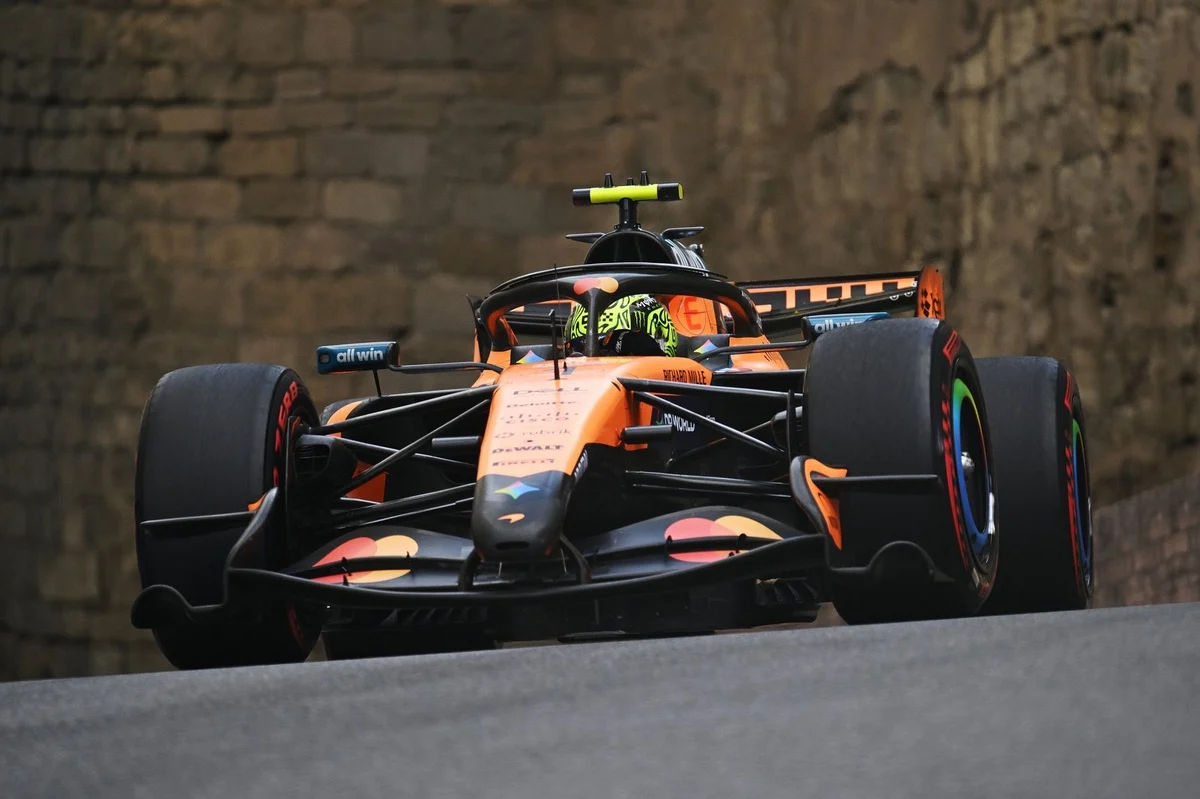
 Nana Wu

 Lina Hope
 Sagoh
Sagoh
 Iffa Jayyana