
 Ammar Sabilarrohman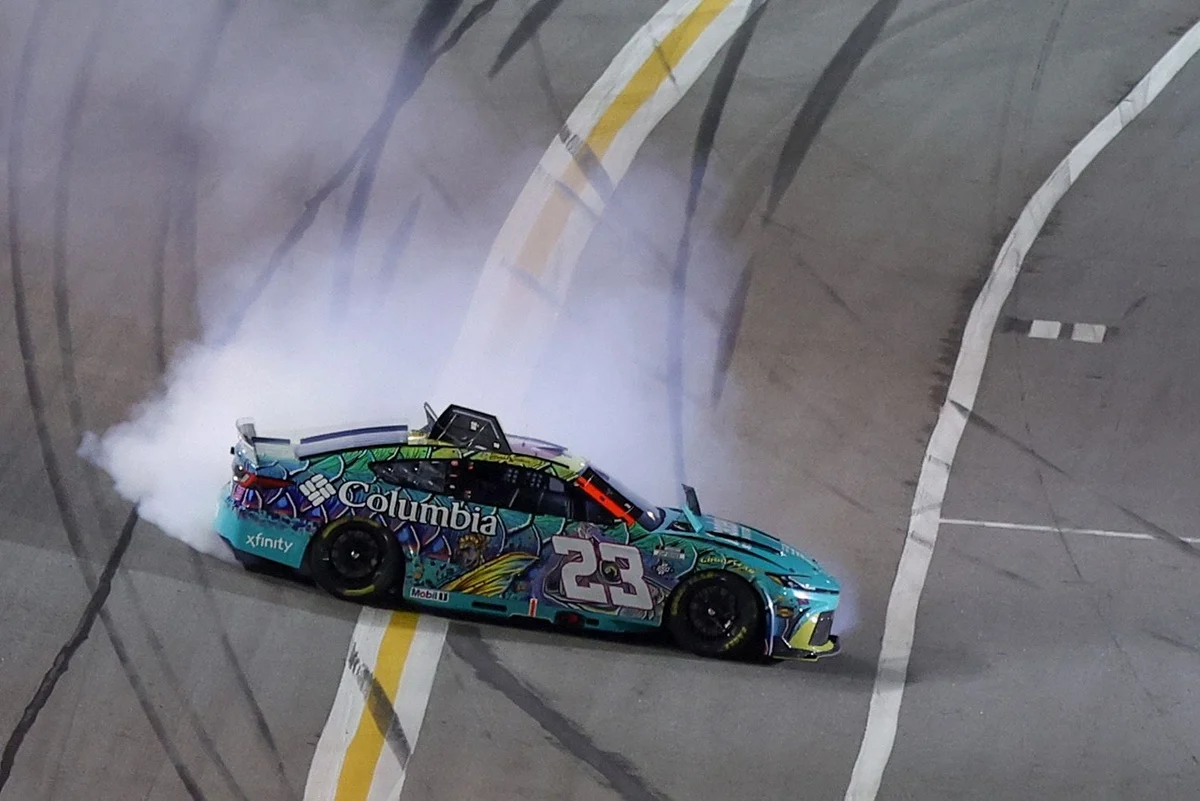
The high-stakes environment of the NASCAR Cup Series is defined by split-second decisions and the fine line between aggressive racing and avoidable contact. During a recent event, that line was blurred as 23XI Racing’s Bubba Wallace and Joe Gibbs Racing’s Ty Gibbs found themselves at the center of a heated on-track incident and a subsequent post-race confrontation. The fallout from their collision, compounded by a controversial officiating decision late in the race, has reignited debates regarding driver etiquette, the nuances of the "Toyota camp," and the consistency of NASCAR’s race control.
The Anatomy of the Incident: Stage 2 Collision
The trouble began during the closing laps of Stage 2. Wallace, piloting his Toyota Camry, was in a prime position to secure a top-five finish and vital stage points. As the pack navigated Turn 3, the rhythm of the race shifted. Wallace, struggling to maintain momentum, experienced a momentary loss of grip that forced his vehicle to drift up the track.
In a maneuver that would later become the subject of intense scrutiny, Wallace attempted to recover by pulling his car back down the track directly in the path of Ty Gibbs. The proximity left little room for reaction, resulting in significant contact that sent Wallace spinning. The spin not only eliminated Wallace from contention for the Stage 2 points but also served as a catalyst for a tense, face-to-face disagreement between the two Toyota teammates once the checkered flag fell.
A Post-Race War of Words
The tension did not dissipate once the drivers climbed out of their cockpits. The confrontation in the garage area underscored the friction that often exists between drivers who share the same manufacturer but operate under different team banners.
"We’ll be fine," Wallace remarked, though his tone suggested otherwise. "He had the opportunity to give there a lot and he didn’t do that. And so, when I told him that, he quickly went on the defense and said don’t block. When you hit me square in the bumper, it means you just ran right into me, so yeah, that’s Toyota teammates. We don’t race very well together."
The exchange highlighted a fundamental disagreement in racing philosophy. While Wallace perceived the contact as an unnecessary aggressive act from a peer, Gibbs remained steadfast in his defense, characterizing the incident as a reaction to a "late block" by Wallace. This incident has cast a spotlight on the inherent challenges of teammates racing each other—a dynamic that is often praised in marketing materials but frequently fraught with volatility on the asphalt.
Expert Analysis: The Verdict from the Booth
The incident triggered an immediate post-mortem from some of the most respected voices in the sport. Inside the Race hosts and former industry leaders provided a breakdown that challenged Wallace’s narrative.
Steve Letarte, a former Daytona 500-winning crew chief, offered a critical perspective on the sequence of events. "I just think that’s a super late block," Letarte stated. "And I think Ty Gibbs—he can maybe stomp on the brake, but I just don’t think Ty has a lot of time to react to Bubba right here."
Supporting this assessment was veteran driver Jamie McMurray, who pointed toward the telemetric indicators of Wallace’s own car. "Watch the fire come out of the pipes of Bubba," McMurray observed, referring to the visual cue that Wallace had lifted off the throttle. "You don’t have to go to SMT. If you just watch right below his number, you’re gonna see that Bubba drives into the corner. You can tell he starts to lose grip, he’s in a bad position because of the car in front of him. So he’s losing his momentum all the way to the start/finish line. I don’t know that Ty did a lot wrong."
The expert consensus leaned heavily toward the idea that Wallace’s car control issues, combined with a late defensive maneuver, left Gibbs with no viable options to avoid the collision.
The Final Blow: The Penalty Controversy
The drama involving Wallace was far from over when he cleared the Stage 2 spin. Showing resilience, Wallace fought his way back through the field, eventually crossing the finish line in second place. However, the celebration was short-lived. NASCAR officials reviewed the final lap and determined that Wallace had breached the double-yellow line at the bottom of the track during his final charge—an infraction that carries an automatic penalty in specific racing conditions.
The decision stripped Wallace of his runner-up finish, adding another layer of frustration to an already difficult day. Analysts, including Letarte, were quick to categorize the ruling as an "easy call" for NASCAR officials. While Wallace argued against the severity of the penalty, the enforcement of the double-yellow line rule is traditionally rigid, designed to prevent drivers from gaining an unfair advantage by encroaching on the apron.
Implications for Toyota and NASCAR
The collision between Wallace and Gibbs, followed by the officiating controversy, raises broader questions for both the Toyota racing program and NASCAR leadership.
The Toyota Dynamic
Toyota has long prided itself on a collaborative approach, often emphasizing the "One Toyota" philosophy. However, the reality of the Cup Series is that 23XI Racing and Joe Gibbs Racing are two distinct organizations with different objectives. When teammates are racing for the same limited stage points or a playoff spot, the alliance often crumbles. The Wallace-Gibbs feud is a microcosm of the internal pressure drivers feel to secure results for their respective organizations, sometimes at the expense of their manufacturer’s harmony.
Officiating Consistency
NASCAR continues to navigate the difficult waters of officiating. The "easy call" regarding the double-yellow line is a reminder that while some rules are black and white, the subjective nature of on-track contact—like the earlier incident with Gibbs—remains a point of contention. Fans and drivers alike often find themselves caught between the desire for "letting them race" and the need for clear, enforceable safety and competition standards.
The Psychological Toll
For Bubba Wallace, the race represented a missed opportunity that could have significant implications for his standing in the points race. Losing stage points due to a collision and subsequently losing a podium finish to a penalty creates a cumulative deficit that is difficult to overcome. Managing the emotional fallout of such a day will be a test of his team’s resolve as they move forward in the season.
Looking Ahead: Lessons Learned
As the dust settles, the focus shifts to how these two drivers will interact in future races. The rivalry—or at the very least, the lack of on-track chemistry—between Wallace and Gibbs is now a known quantity for both their teams and their spotters.
For the sport, this serves as another chapter in the long-standing narrative of young talent versus veteran savvy. Ty Gibbs, still establishing his reputation in the Cup Series, is showing a willingness to hold his ground, while Wallace is clearly frustrated by what he perceives as a lack of respect from his peers.
Whether this incident leads to a cooling-off period or further escalations on the track remains to be seen. What is certain, however, is that in the high-speed, high-pressure world of NASCAR, the smallest decisions—a lift of the throttle, a movement of the wheel, or a line crossed—have the power to alter the trajectory of a driver’s entire season. The saga of Wallace and Gibbs is not merely a tale of a spin and a penalty; it is a reflection of the uncompromising intensity that defines the pinnacle of stock car racing.


 Pevita Pearce
 Evan Lee Salim
 Neng Nana
 Nana Wu
 Lina Hope
 Sagoh
Sagoh
 Iffa Jayyana