Nana
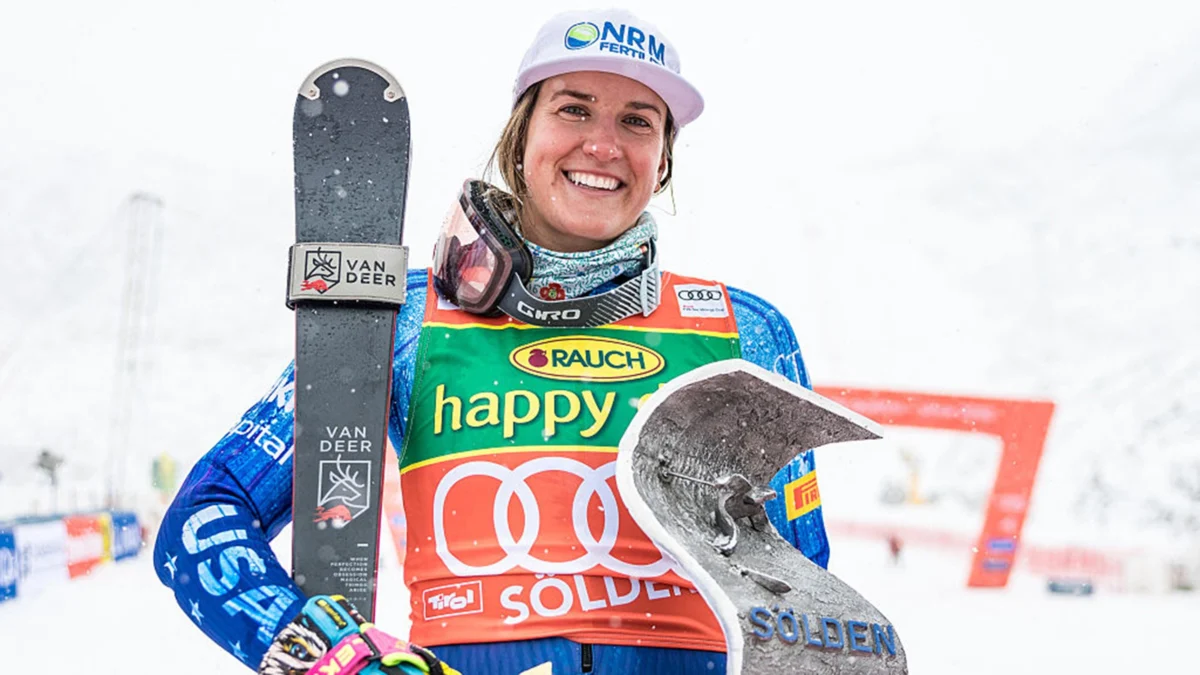
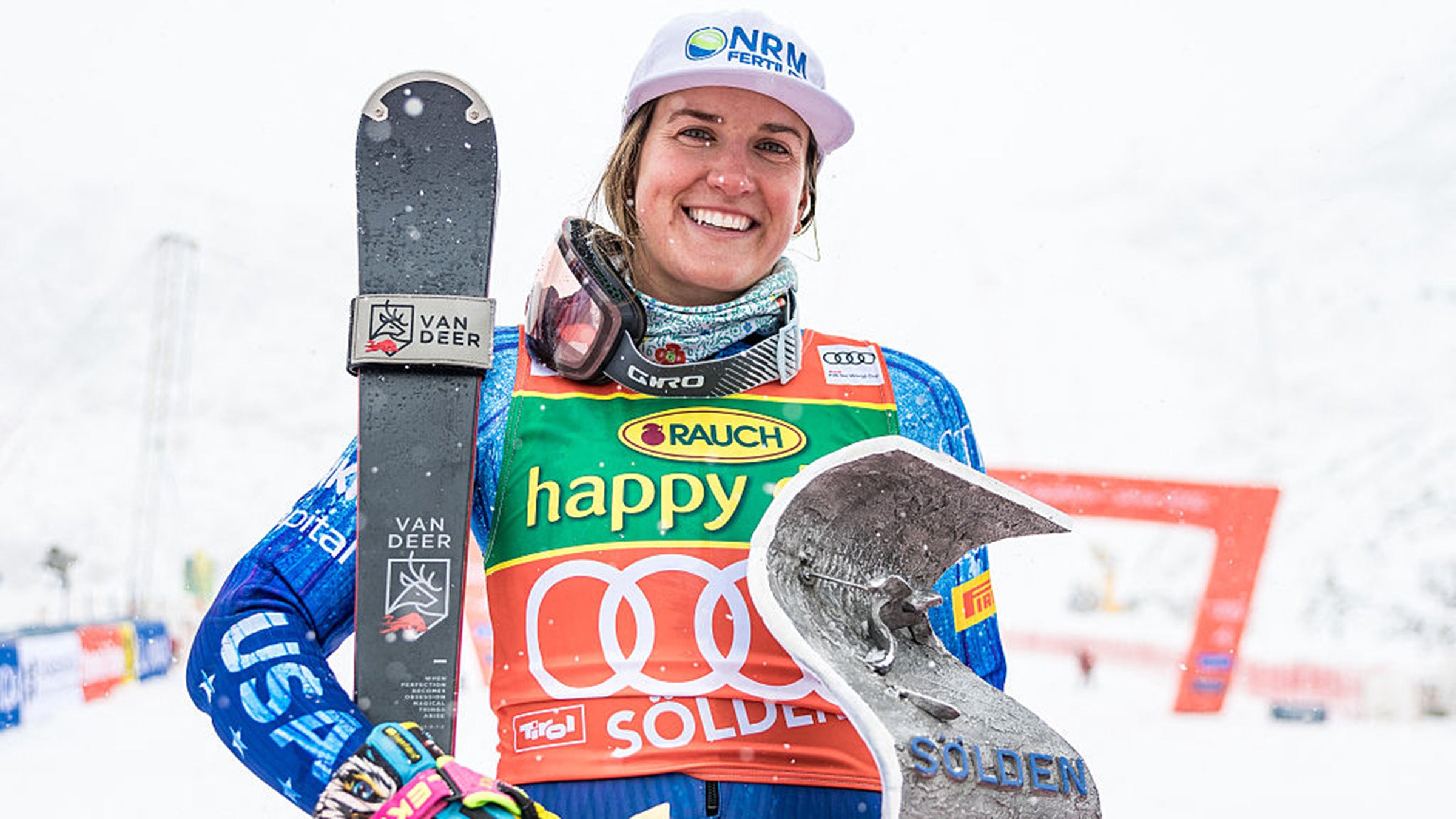
November 10, 2026 — If you tuned into the opening women’s World Cup Giant Slalom in Sölden, Austria, you likely found yourself doing a double-take at the equipment beneath American racer Paula Moltzan’s feet. In a nail-biting finish, Moltzan captured the first World Cup victory of her career by a razor-thin 0.01-second margin. More remarkably, she did it on a pair of Van Deer-Red Bull Sports skis—a relative newcomer to the circuit that she switched to just this season.
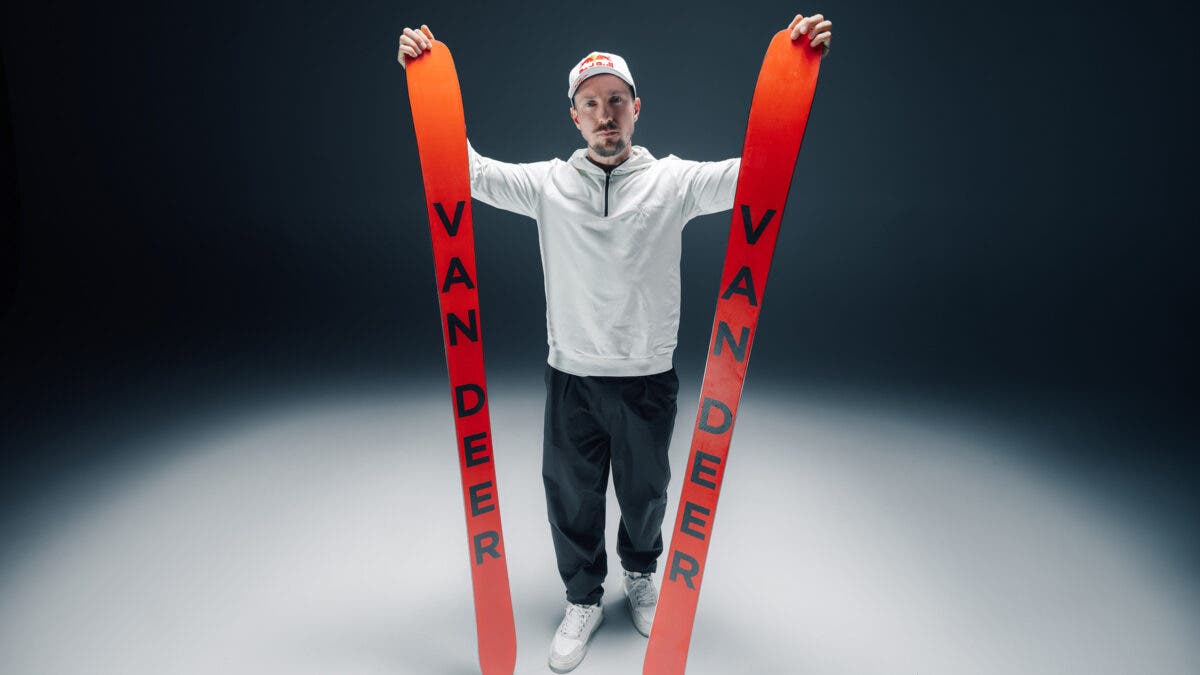
Founded in 2021, Van Deer is the brainchild of alpine skiing royalty: Marcel Hirscher, widely regarded as the greatest ski racer of all time. Moltzan’s historic victory has thrust the boutique-turned-powerhouse brand into the global spotlight, signaling that a disruptive new force has arrived in the high-end ski market. Combining old-world European craftsmanship with the immense financial and technological backing of Red Bull, Van Deer is no longer just an ambitious passion project. It is rapidly becoming a serious competitor to legacy luxury brands like Stöckli.
Main Facts: What is Van Deer-Red Bull Sports?
At its core, Van Deer-Red Bull Sports is a premium ski manufacturer producing everything from World Cup-grade race skis to high-performance groomer, freeride, and touring models. Carrying retail price tags generally ranging from $1,000 to $1,700, these boards are engineered for discerning skiers willing to pay a premium for uncompromising performance.
- **The Founder
:* The brand was conceived by Austrian racing legend Marcel Hirscher, whose heritage inspired the name. Hirscher is half-Dutch ("Van") and half-Austrian (the German word for deer is hirsch*).
- The Ownership: Energy drink titan Red Bull holds a 51 percent majority stake in the company, injecting unprecedented resources into a startup brand.
- The Product Line: Spanning multiple series—including the H-Power groomer line, GS and SL race models, freeride boards (98 and 108), and a touring collection—the lineup utilizes a World Cup-inspired construction featuring dual layers of Titanal and wood cores made from poplar, ash, or beech.
Chronology: From Concept to World Cup Glory
The trajectory of Van Deer reads like a masterclass in modern sports marketing and precision manufacturing.
- 2019–2021 (The Conception): Following his initial retirement in 2019 with a record-shattering 67 World Cup wins, Marcel Hirscher channeled his obsessive pursuit of perfection into designing his own ski. He established Van Deer with a vision to build skis that replicated the exact feel of a winning race room.
- 2021–2022 (The Breakthrough): The brand officially launched in 2021 and immediately turned heads globally when Norwegian star Henrik Kristoffersen dominated the World Cup circuit on Van Deer skis during the 2022 season, capturing an Olympic medal, a slalom crystal globe, and a World Championship gold.
- 2024–2025 (Expansion and Retail Footprint): Buoyed by racing success, the brand began filtering into high-end North American specialty shops like Gorsuch in Vail, Aspen, and Park City, alongside major national retailers like Evo.
- November 2026 (The Sölden Milestone): Paula Moltzan’s thrilling victory in Sölden validated the brand’s expansion onto the women’s World Cup circuit, proving that Van Deer skis could win at the absolute highest level in diverse racing disciplines.
Supporting Data and Market Reception
Entering the saturated alpine hardgoods market is notoriously difficult for startups. Legacy brands have decades of brand loyalty, deeply entrenched supply chains, and massive marketing budgets. Yet, Van Deer has bypassed traditional startup struggles thanks to Red Bull’s multi-billion-dollar backing.
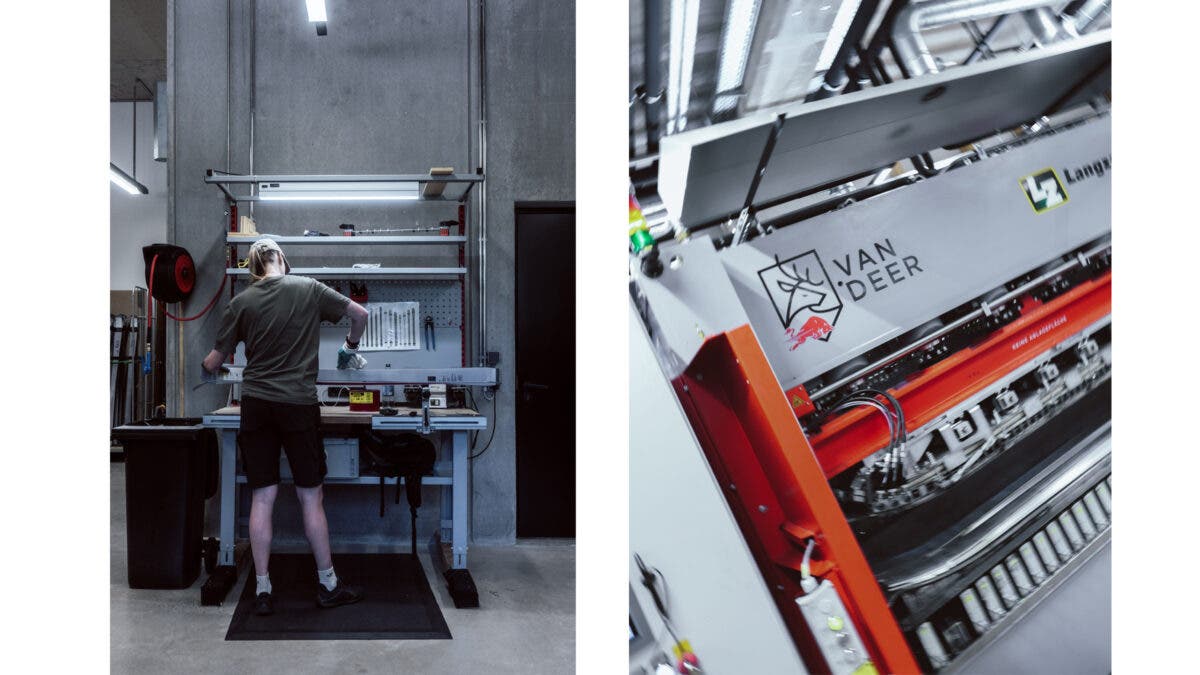
This financial muscle has allowed the company to construct a state-of-the-art factory in Austria equipped with elite machinery—such as the Wintersteiger Jupiter tuning machine—and recruit top-tier talent poached from legacy competitors like Atomic and Stöckli.
Despite limited distribution across North America thus far, consumer demand has surged organically through word-of-mouth. Billy Schoff, an equipment buyer at the high-end luxury retailer Gorsuch, notes the rapid acceleration of the brand’s popularity:
"Last year we had a phenomenal year with Van Deer skis. We get people out on them once; they love them and then the word spreads like wildfire."
Industry veterans have taken notice of the meticulous build quality. Eric Lipton, a National Alpine Team alumnus and director of Destination Ski Camps, tested the HP-78 and described it as “predictable and stable at speed,” summarizing the design ethos as “a race ski heart and soul in a consumer package.”
Official Responses and Perspectives
The bold pivot made by Paula Moltzan ahead of the 2026 season was viewed by many industry insiders as a massive gamble. After skiing for Rossignol for 18 years—coming off a campaign featuring four World Cup second-place finishes and an Olympic medal—switching equipment was daunting.
However, Moltzan was driven by a desire for reinvention.
"I know the change might look risky from the outside, but I was ready for it," Moltzan explained. "I was looking for new motivation and inspiration, and the chance to work with a team that has the ability and resources to build equipment specifically for me was a huge draw."
Her husband and longtime serviceman, Ryan Mooney, was completely convinced after touring the Austrian factory.
"Ryan was really impressed when we toured the factory," Moltzan said. "The level of precision during the build process is certainly something that sets the brand apart from others. He thought the powerful nature of the ski could be a great match for my style of skiing."
Max Wingard, Van Deer-Red Bull Sports race and promotions manager, emphasizes that the brand’s commercial offerings are carefully tailored to meet the distinct demands of both East Coast and West Coast skiing in North America.
"There are shorter sizes like 147 in H-Power 68 and 159 in H-Power 78. The SL model is the ski we’d sell as an easier-to-ski slalom ski. The GS Pro could be a masters ski, but comes in longer lengths," Wingard notes. Out West, the company is heavily promoting the Freeride 98 and 108 models, backed by feedback from former World Cup racer and brand ambassador Travis Ganong.
Implications for the Premium Ski Industry
Van Deer’s aggressive push into the North American market carries significant implications for the existing ecosystem of high-end ski brands. For years, companies like Stöckli have comfortably commanded the luxury tier, serving as the definitive choice for expert instructors, advanced carvers, and affluent enthusiasts who prioritize edge grip, rebound energy, and stability.
By mirroring Stöckli’s price point, exclusive distribution model, and meticulous hand-tuned finishing processes, Van Deer has directly challenged the status quo.
The brand’s ultimate advantage lies in its hybrid identity: it marries the soul of old-world European artisanal craftsmanship with cutting-edge manufacturing technology funded by a corporate giant. For strong intermediate to expert skiers who possess the technical proficiency to drive a ski through a turn transition, Van Deer offers an enticing blend of elite race performance wrapped in a consumer-accessible package.
As Van Deer expands its North American warehouse operations, bolsters its dealer network with industry veterans like former Stöckli executive George Couperthwait, and continues to populate storefronts in premier mountain towns, the message to legacy competitors is clear. The luxury hardgoods market is no longer a closed circle.
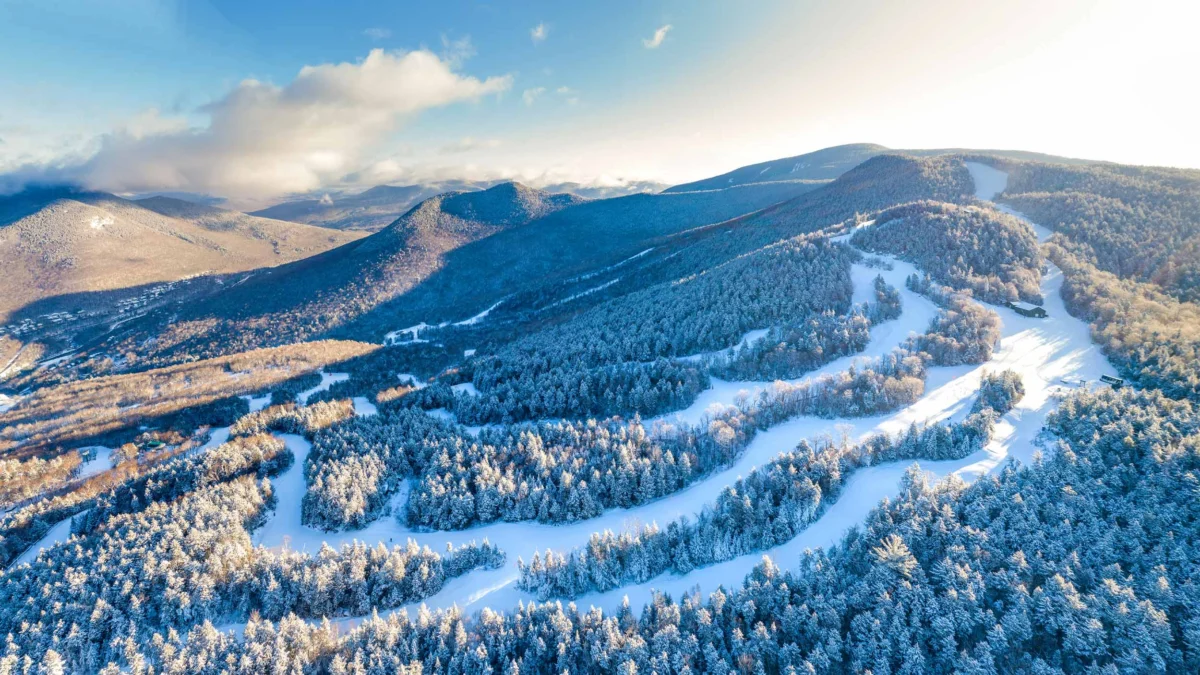
For Paula Moltzan, the journey is only beginning as she travels the global circuit toward upcoming stops in Levi, Finland, and Killington, Vermont. But for the ski industry at large, the race for high-end market dominance has officially entered a fast lane.

 Pevita Pearce
 Laily UPN
 Iffa Jayyana

 Reynand Wu