
 Basiran
Published October 26, 2026
For skiers and winter sports enthusiasts, autumn marks the arrival of the most agonizingly anticipated time of the year. The long, sun-drenched dog days of summer are finally in the rearview mirror, and the collective gaze of the mountain community turns upward toward the peaks, eagerly awaiting the moment the first chairlifts begin to spin.
However, anticipation does not have to be a passive exercise spent idly refreshing weather forecasts and staring longingly at cold-weather gear. Instead, this shoulder season offers a critical window of opportunity to channel that restless energy into something productive: a comprehensive, meticulous inspection and preparation of your skiing equipment.
Right now, specialty ski and snowboard shops have successfully transitioned their floorplans from summer retail to winter operations. Technicians are firing up precision stone-grinding and tuning machines and dusting off bootfitting benches, enjoying a brief window of manageable workloads before the frantic rush of the regular holiday season sets in. Whether you need to update aging inventory, address structural wear and tear, or perform routine maintenance, following a structured pre-season checklist ensures that when opening day finally arrives, your only remaining task is loading your gear into the vehicle and driving to the resort.
Main Facts: The Pre-Season Imperative
The transition from off-season storage to active mountain use requires more than simply unearthing your equipment from the back of a closet. Industry experts across hardgoods, softgoods, and safety equipment emphasize that preventative maintenance protects both your financial investment and your physical safety on the mountain.
The core operational reality of the pre-season is simple: act early. Waiting until the first snowstorm blankets local mountains to address core shots, blown-out edges, or improperly fitting boots guarantees long shop queues and potential delays that could cost you precious powder days.
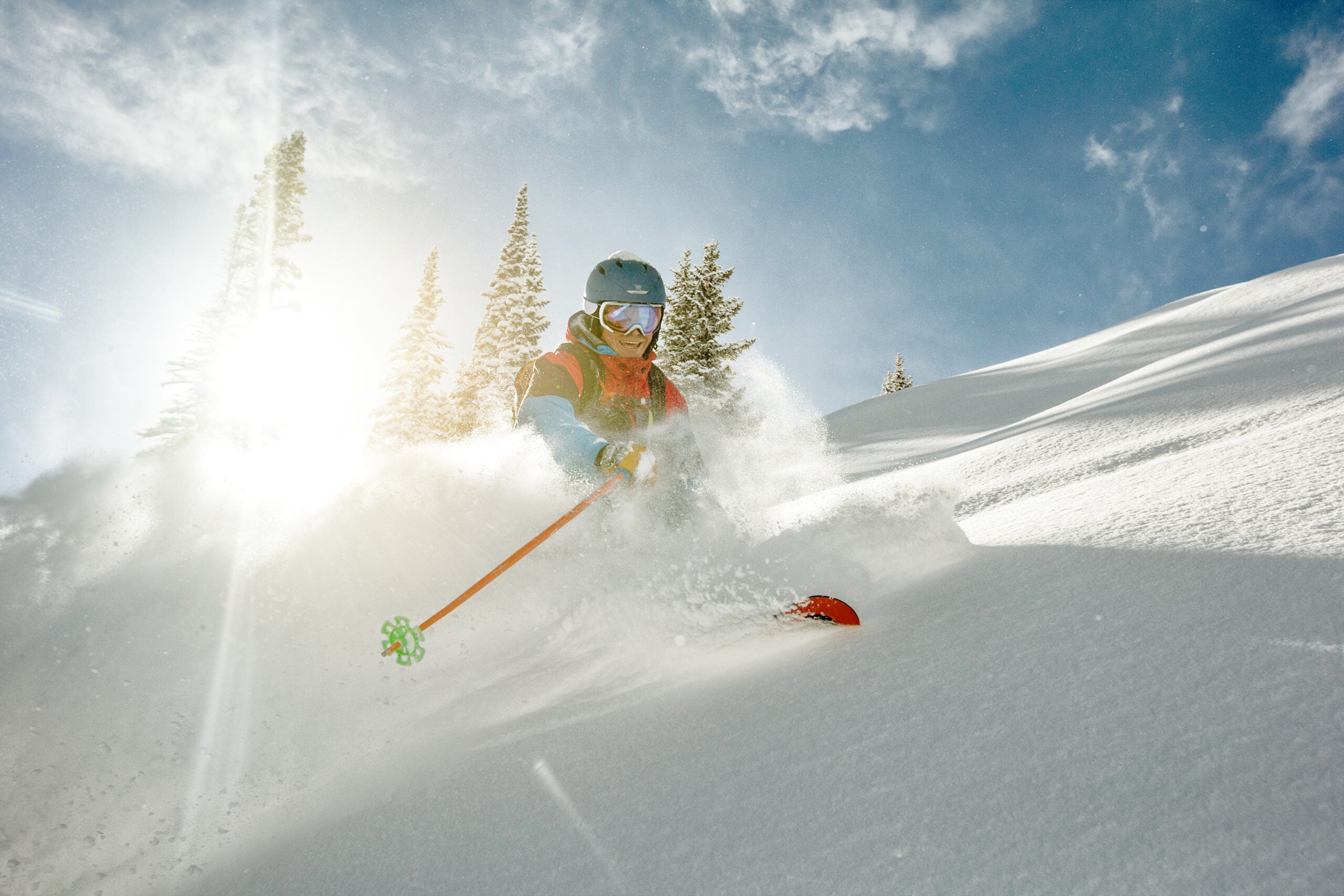
Essential gear requires a methodical, head-to-toe inventory approach. From structural integrity checks on skis and snowboards to waterproofing treatments for technical outerwear and safety evaluations for helmets and bindings, a systematic pre-season audit eliminates day-one disasters. By addressing these items during the autumn shoulder season, skiers can guarantee optimal equipment performance, extend the lifespan of expensive gear, and navigate the upcoming winter season with absolute confidence.
Chronology: A Step-by-Step Maintenance Timeline
To ensure nothing is overlooked, winter sports athletes should follow a chronological, structured approach to gear preparation. This timeline moves from organizational logistics to specialized shop visits and personal safety checks.
1. Locate and Inventory Your Equipment (The Shred List)
Nothing dampens the excitement of opening day quite like tearing through a garage or storage unit in search of a missing glove or a misplaced pair of poles. The journey begins with the creation of a literal "shred list," organized logically from head to toe:
- Helmet and goggles
- Neck gaiters or buffs
- Outerwear jacket and pants
- Gloves and base layers
- Ski boots, skis, and poles
Knowing where every component resides is only half the battle; critically assessing their condition is the other. Establishing an early inventory prevents last-minute panics and gives you ample time to replace lost or broken items.
2. Early-Season Shop Visits for Skis and Snowboards
Once your hardgoods are accounted for, any necessary professional maintenance should be scheduled immediately.
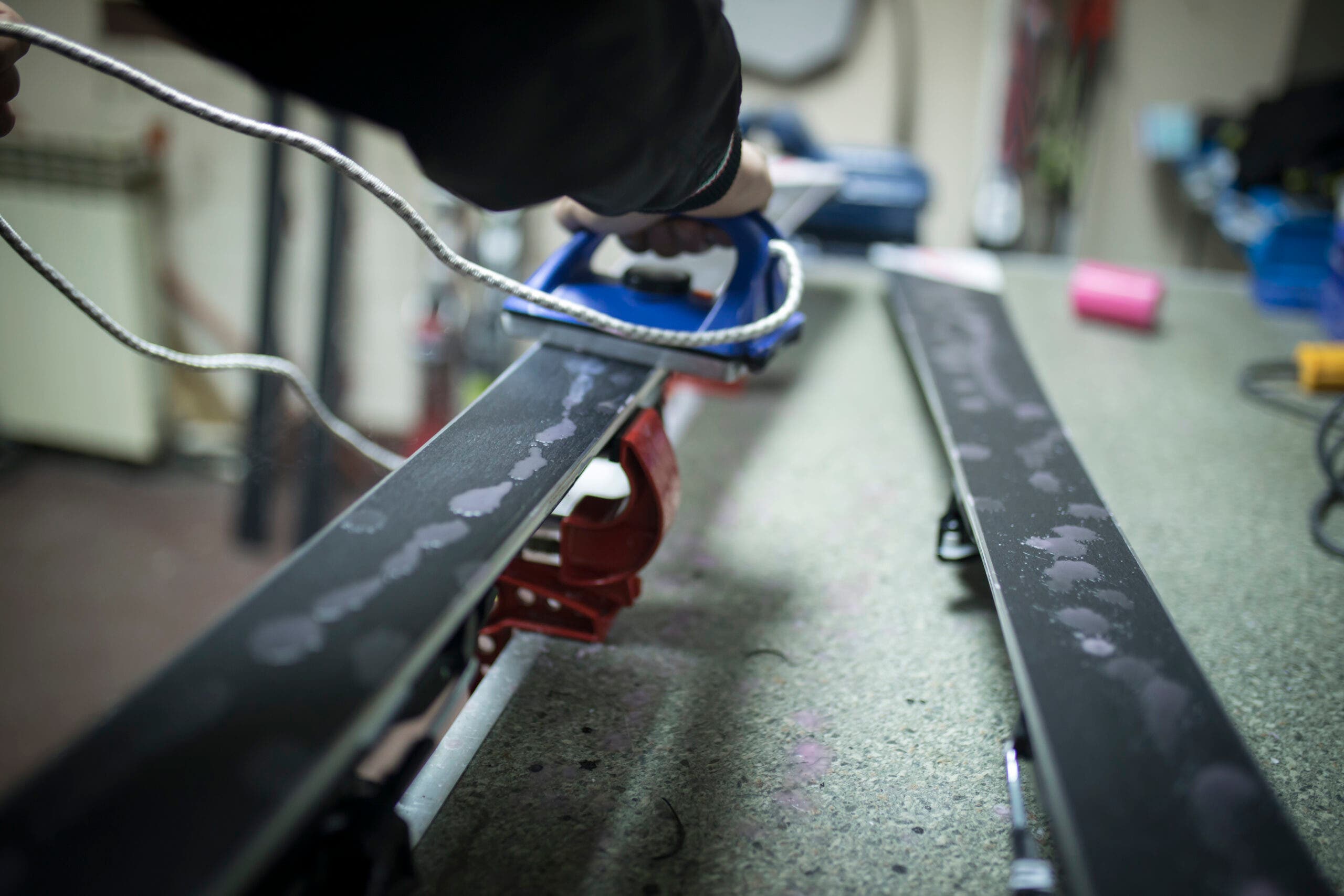
- Base Damage: Inspect bases for deep gouges or core shots—instances where the base material has been stripped away down to the fiberglass or wood core. If multiple colors of base material are exposed within a gouge, water can seep into the ski, leading to structural rot. Furthermore, large gouges create drag and impede edge engagement at low edge angles.
- Edges and Sidewalls: Scan the sidewalls for edge blowouts, where the metal edge has separated from the ski body. Early professional intervention can often salvage these components before catastrophic failure occurs. Additionally, remove any surface rust—a telltale sign of equipment stored while wet—via a professional edge tune.
- Tuning and Waxing: Skis require regular waxing to keep the polyethylene bases hydrated and fast. Furthermore, industry standards suggest that skis have a finite lifespan of roughly 300 to 400 days of aggressive skiing before losing their dynamic pop and structural response.
3. The Cinderella Approach to Ski Boots
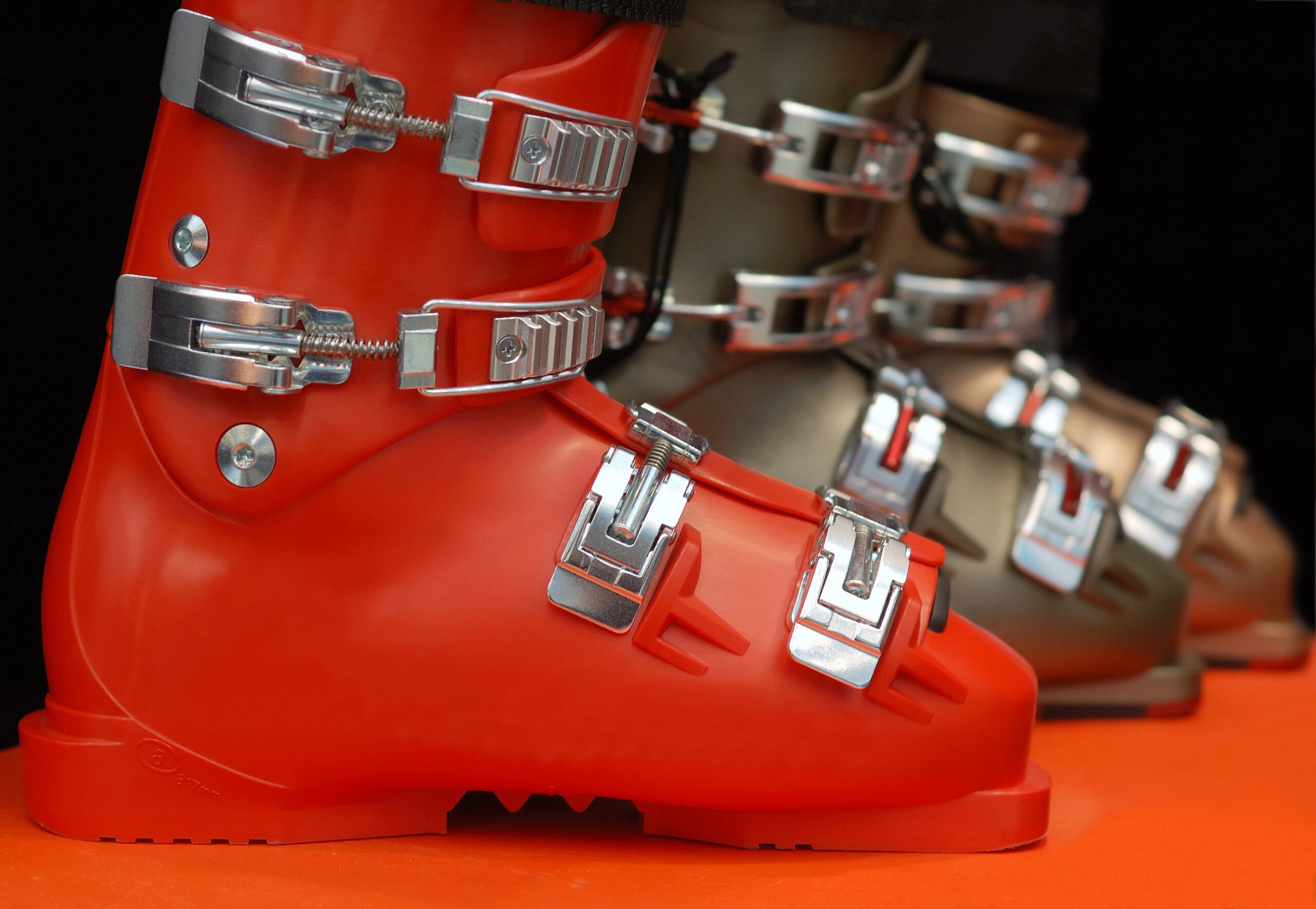
Boots require rigorous scrutiny before hitting the snow. Inspect exterior plastic shells for missing hardware, cracked buckles, and worn-out soles.
- Sole Wear: Walking across abrasive parking lots and concrete base areas grinds down boot lugs. If your soles are worn past critical safety thresholds, your bindings may fail to release or retain the boot properly. Replaceable ISO soles should be swapped out immediately if worn down near the shell’s lug line.
- The Fit Test: Put your boots on to evaluate fit. A proper fit should feel secure, comparable to a firm handshake. Shifts in weight, age, or physical trauma can alter foot dimensions over the summer. Furthermore, because feet have not been confined to rigid footwear for months, a temporary sensation of tightness is entirely normal. Always inspect boot liners for foreign debris or unwelcome critters before stepping inside.
- Liners: Stock liners generally degrade after 60 to 120 days of hard skiing, resulting in a packed-out, unresponsive feel. Upgrading to aftermarket liners can revitalize an otherwise comfortable shell.
4. Dialing in New Equipment
Purchasing new gear during end-of-season or Labor Day sales requires deliberate pre-season setup. New skis must be brought to a shop for binding mounts well in advance of holiday rushes. Moreover, hardware compatibility is paramount: pairing modern GripWalk boot soles with non-compatible bindings creates a dangerous functional mismatch.
New boots should be worn around the house to identify pressure points and hot spots, which can then be professionally punched or adjusted by a certified bootfitter. Similarly, factory-fresh skis may require minor de-tuning at the tips and tails to prevent hooky behavior, depending on regional snow conditions.
5. Outerwear and Technical Fabric Care
Outerwear absorbs considerable abuse over a winter season, accumulating oil, dirt, and mechanical tears. Inspect jackets and pants for exterior abrasions, broken zippers, and deteriorating internal seam tape.
- DWR Restoration: Technical shells treated with Durable Water Repellent (DWR) chemistries—particularly modern PFAS-free alternatives—rely on regular washing and low-heat tumble drying to maintain water-beading performance.
- Patches: Small tears can be mended using adhesive gear patches applied to both exterior and interior surfaces, followed by a brief cycle in the dryer to activate the adhesive.
6. Safety Audit: Helmets and Goggles
Helmets are single-impact safety devices. Any fall during the previous season that resulted in a bell-ringing impact—even without a diagnosed concussion—demands immediate helmet replacement, much like a child’s car seat involved in an auto accident.
- Visual Inspection: Check outer shells for warping, deep abrasions, or structural cracking. Ensure retention systems, straps, and buckles function flawlessly.
- Lifespan: Even without major impacts, helmets should be retired every four to five seasons as engineered plastics lose structural strength and rigidity over time.
- Goggles: Inspect foam integrity for proper facial sealing, and examine lenses for scratching, cloudiness, or cracking that impairs visibility. Swap out damaged lenses using modular, interchangeable systems before opening day.
Supporting Data and Expert Insights
Industry professionals provide critical guidance on why pre-season maintenance is non-negotiable for safety and performance:
- Shop Timelines: Otto Gibbons, hardgoods supervisor for Sturtevants Ski Shop in Bellevue, Washington, stresses the importance of early-season action. "First thing’s first, if you need to stop by your local ski shop, go now before the season starts, and definitely before the holidays," Gibbons notes. He warns that neglected base gouges and rusted edges degrade rapidly, impacting mountain performance and equipment longevity.
- Bootfitting Realities: Ian Lochhead, head alpine ski coach at the University of Colorado, emphasizes the biomechanical importance of proper boot setup. "Ski racers often have boots that are too tight in the toe box, but you need that part of your foot to be able to move so you can be more athletic and control your edges better," Lochhead explains, advising recreational skiers to prioritize comfort, appropriate flex, and professional canting assessments.
- Outerwear Maintenance: Will Dobrowski, materials coordinator for Stio, highlights the technical demands of modern fabric care. "It’s a good idea to wash your jacket in tech wash regularly, particularly with PFAS-Free DWRs," Dobrowski states, noting that body oils compromise water repellency and that controlled dryer heat is essential for reactivating technical membranes.
- Helmet Integrity: Jon Jay, North American brand manager for Sweet Protection, underscores the critical nature of head protection. "As a rule of thumb, any fall that ‘rings your bell,’ even if you don’t get a concussion, would warrant getting a new helmet," Jay asserts, adding that standard wear and tear mandates replacing uncompromised helmets every four to five seasons.
- Optics: Grady Skelton, global snow marketing manager for Smith, points out that visual clarity is a fundamental safety component. "If your goggle lens has scratches, cracks, or cloudiness that interferes with your vision, it’s time to replace it," Skelton advises.
Official Responses and Industry Standards
Major outdoor brands, retail cooperatives, and snow sports organizations maintain standardized safety protocols regarding equipment maintenance. Ski bindings, in particular, are subject to strict manufacturer liability guidelines. Certified technicians utilize specialized torque-testing equipment to evaluate release mechanisms (DIN settings), ensuring bindings release precisely when subjected to torsional stress to prevent catastrophic lower-extremity injuries.
Furthermore, trade associations representing ski and snowboard technicians advocate for standardized annual tune-ups. These protocols ensure that ISO-standard boot-binding interfaces remain uncompromised, protecting skiers from equipment malfunctions caused by improper toe-height adjustments or worn-down walking soles.
Implications for Skiers and the Winter Industry
The consequences of proactive versus reactive gear maintenance extend across financial, safety, and logistical dimensions.
From a financial perspective, preventative maintenance drastically reduces long-term costs. Regularly waxing ski bases prevents oxidation and delamination, extending a ski’s functional lifespan toward its maximum 400-day limit. Similarly, washing and re-waterproofing technical outerwear preserves expensive Gore-Tex and proprietary membrane investments, delaying the need for costly replacements.
Logistically, completing pre-season maintenance shields consumers from the immense bottleneck that occurs at regional ski shops between November and January. By addressing repairs during the autumn lull, skiers avoid multi-week turnaround times that frequently sideline athletes during peak powder cycles.
Most importantly, safety implications cannot be overstated. Verifying helmet integrity, ensuring correct binding release values through professional calibration, and confirming boot sole compatibility eliminate preventable mechanical failures on steep, high-consequence terrain. By taking care of these six essential preparation steps today, skiers ensure that their return to the snow is defined entirely by performance, safety, and unadulterated enjoyment.

 Siti Muinah

 Muslim

 Asep Darmawan

 Asro

 Azzam Bilal Chamdy

 Suro Senen