
 Asep Darmawan
By Motorsport.com Reporting Staff
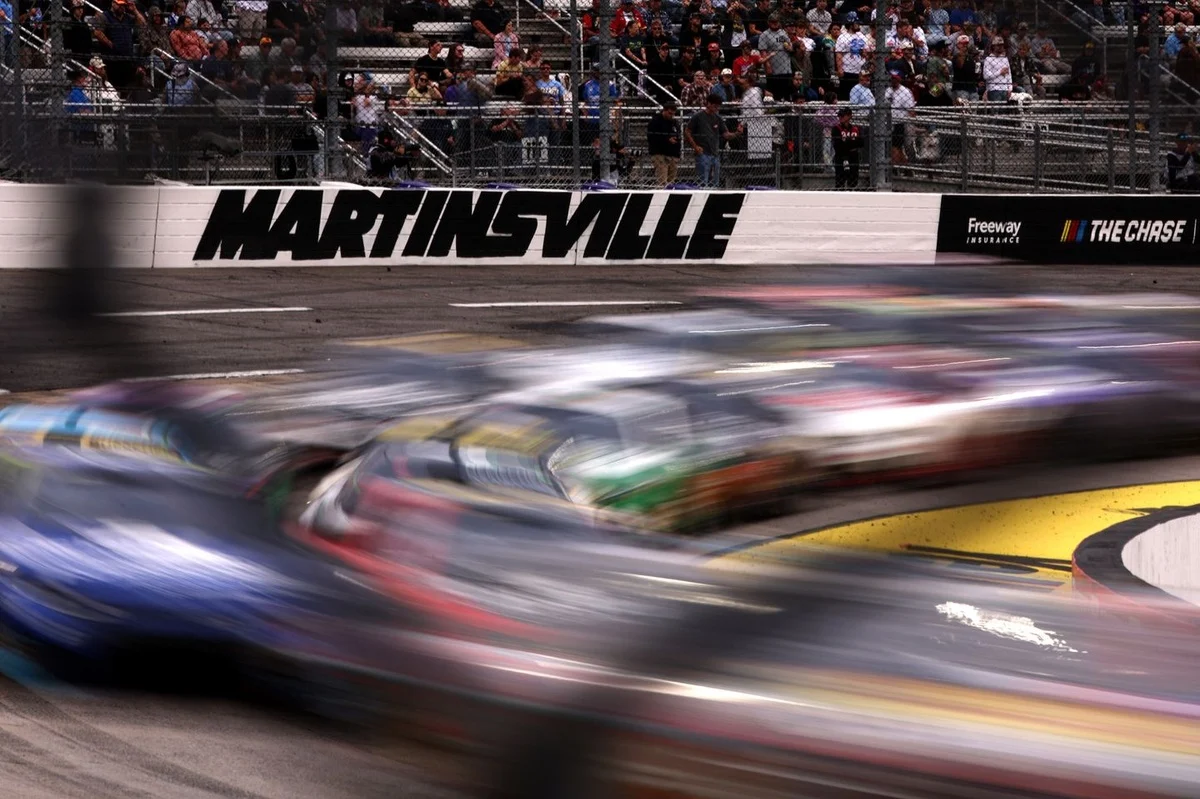
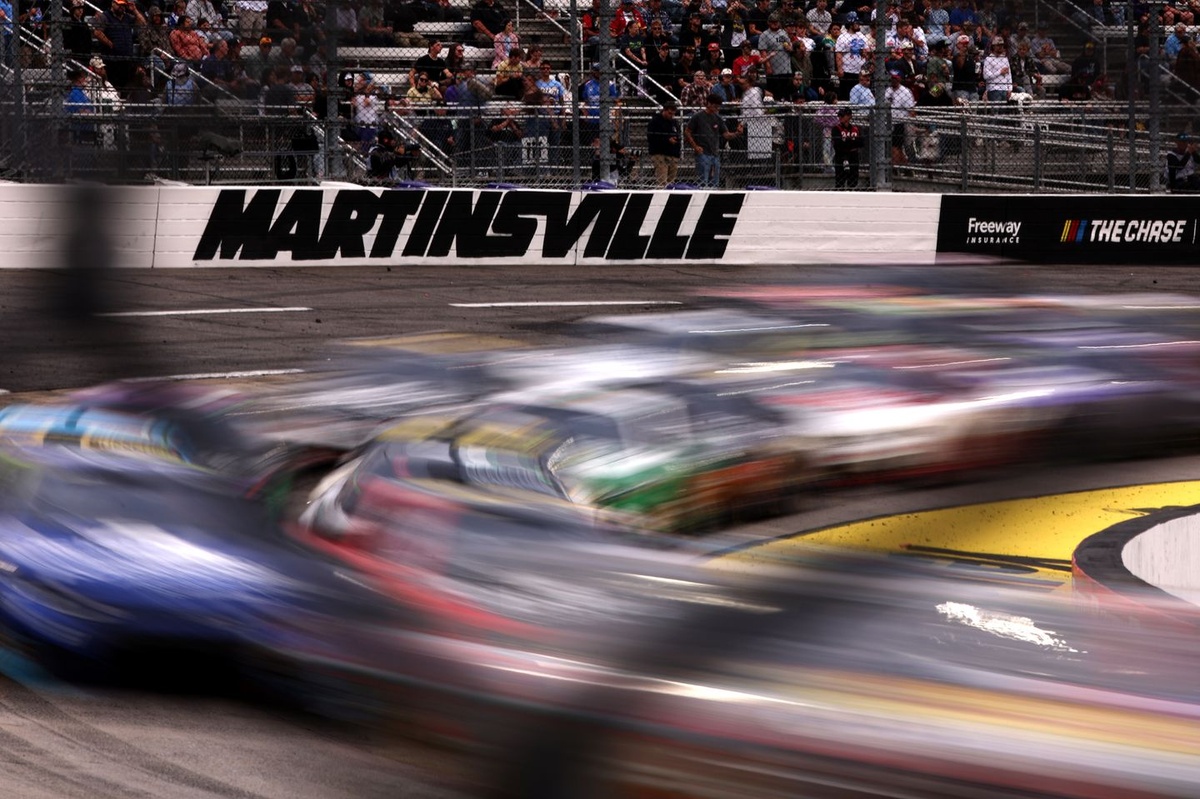
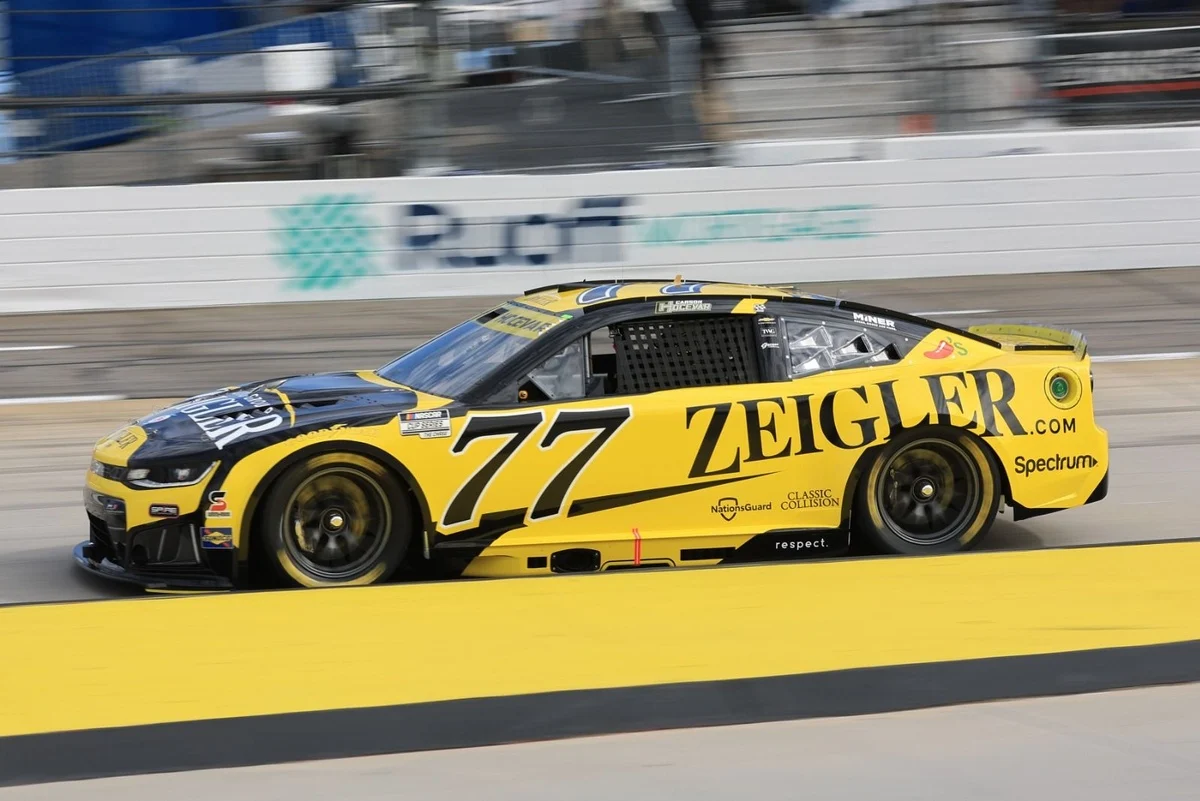
MARTINSVILLE, Va. — Four years into its lifecycle, NASCAR’s NextGen Cup Series car remains a captivating engineering marvel, yet it is simultaneously a source of persistent frustration for traditionalists, drivers, and sanctioning body executives alike. Nowhere is this paradox more evident than at the historic Martinsville Speedway—a legendary paperclip-shaped half-mile short track where the sport’s most iconic moments of rough-and-tumble racing were forged.
Despite iterative adjustments, aerodynamic tweaks, horsepower recalibrations, and aggressive tire-softening efforts by Goodyear, NASCAR is still searching for a magic formula. The goal? To replicate the thrilling, chaotic mechanics of the former Gen6 car or the vintage racing packages of yesteryear. Instead, the current machine behaves less like a traditional stock car and more like a closed-wheel IndyCar, creating an entirely different discipline of short-track racing that continues to divide the garage.
Main Facts: The Structural Shift of the NextGen Car
The root of the Martinsville spectacle—or lack thereof, depending on who you ask—lies in the architecture of the NextGen car itself. Introduced in 2022, the vehicle was designed with cost containment, safety, and parity in mind. However, its mechanical layout fundamentally altered how drivers approach tight bullrings.
Unlike its predecessors, the NextGen car features:
- A sealed underbody that creates significant downflow management.
- A wider tire profile mounted on larger aluminum wheels.
- A rear diffuser that alters wake turbulence.
These design elements bring the car closer to open-wheel aerodynamics than traditional American stock car racing. Consequently, drivers are forced to shift gears at both ends of the track on practically every single lap—a stark departure from the momentum-based, single-gear rhythm that historically defined short-track racing at Martinsville.
Furthermore, the vehicle’s inherent parity has compressed the competitive window. In an era where every team builds from an identical blueprint supplied by standard vendors, the performance gap between the front-runners and the back-markers has narrowed to razor-thin margins.
Chronology: The Evolution of Martinsville’s NextGen Struggles
The journey of the NextGen car at Martinsville has been a multi-year exercise in trial and error, marked by distinct phases of adaptation:
1. The 2022 Debut: A Low-Water Mark
When the NextGen car first debuted at Martinsville in the spring of 2022, the racing was widely panned. The combination of wide tires, high grip, and a rear transaxle that encouraged heavy shifting made passing nearly impossible. Drivers complained that dirty air and an inability to cleanly bump-and-run transformed a historically action-packed venue into a high-speed parade.
2. The 2023–2024 Iterations: Incremental Adjustments
NASCAR and Goodyear spent the next two seasons cycling through various tire compounds and aerodynamic packages. The goal was to introduce thermal degradation—commonly referred to as tire fall-off—forcing teams to manage their rubber over long green-flag runs. While some short-track races saw slight improvements, Martinsville continued to resist easy fixes.
3. The 2025–2026 Campaigns: Glimmers of Progress
By the 2026 season, drivers began acknowledging measurable progress. Goodyear’s aggressive tire compounds finally began producing noticeable drop-offs during long runs. During the spring race, pit strategy re-entered the equation as fresh tires offered a monumental speed advantage over worn alternatives, culminating in a historic green-flag run reminiscent of the late 1980s.
Supporting Data and Race Dynamics: The Fall-Off Factor
Recent events at the historic Virginia speedway highlighted both the limitations and the potential of the current package. During Sunday’s race, the Cup Series experienced its longest green-flag run at the track since the fall of 1987.

The consequences of extended green-flag racing exposed stark performance divisions:
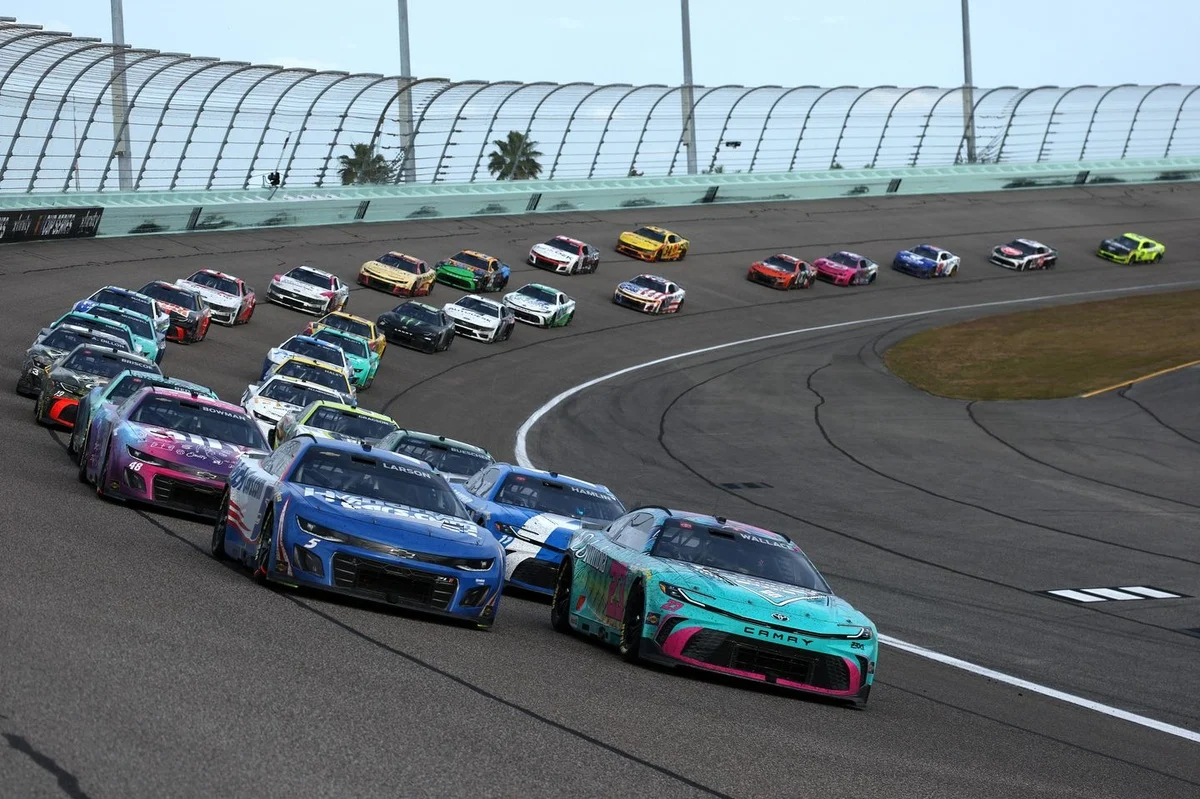
- Strategy vs. Survival: Drivers attempting alternative pit strategies, such as long runs or extended stints, saw their race control unravel. Kyle Larson fell off the lead lap on a run-long strategy, while Denny Hamlin narrowly avoided a similar fate.
- Lead-Lap Scarcity: Ultimately, only seven cars managed to finish on the lead lap, underscoring how difficult it is to recover once caught out by green-flag cycle timing.
- The Tire Cliff: Chase Elliott pointed to the spring race as a turning point, noting that the introduction of a legitimate "tire cliff" allowed skilled pit strategy and tire conservation to dictate who moved forward and who struggled.
Yet, even with improved tire wear, the fundamental mechanics of overtaking at Martinsville have fundamentally changed.
Official Responses: What the Drivers Are Saying
The paddock remains divided on whether the NextGen car can ever truly capture the spirit of old-school short-track racing.
Chase Elliott: The Demise of the Bump-and-Run
Chase Elliott believes the racing has improved directionally, particularly regarding tire wear, but he remains adamant that the classic Martinsville "bump-and-run" is effectively dead.

"In my experience, the person that wins this race likely is not going to do that [bump-and-run]. They’re probably just going to be good enough to beat everybody else if I had to guess," Elliott explained.
"If I wanted to punt the guy in front of me and pass him, it is hard to get that close and just make up a big distance and hit him and deal with the impact of hitting him in the wash—and me ruining my own corner enough to do something good about it without just totally crashing it."
Elliott also suggested that eliminating stages could further enhance the racing by unlocking multi-stop strategies and unpredictable caution cycles, though he acknowledges that structural change is unlikely.
Denny Hamlin: Parity as an Obstacle to Passing
Denny Hamlin, who has spent years dissecting the mechanical nuances of the NextGen platform, argues that the car is "miles ahead" of its 2022 baseline, largely thanks to Goodyear’s tireless tire development. However, he points to a counterintuitive problem: too much parity.

"It’s still difficult [to pass], and I don’t know, I just don’t think we’re ever going to get back to truly where it was because all the teams have gotten so much closer and the cars are all the same," Hamlin said.
"You need to be about two-tenths faster per lap than the car in front of you to overtake them. The field is just not separated by that much. That’s the difference between first and 20th. So, you need to have someone really off the pace and you really got to be good to make a nice clean pass—or they’re going to have to give it to you."
Hamlin also echoed a widespread garage sentiment regarding aerodynamic balance: altering the stance of the car—specifically lowering the nose and raising the tail—could yield minor improvements, though it won’t single-handedly revolutionize short-track dynamics.
Daniel Suarez and Chase Briscoe: Nostalgia for the Past
Other drivers share Hamlin’s frustrations regarding the constant gear-shifting, with Daniel Suarez advocating for a redesigned gearing structure to eliminate shifting altogether.

Meanwhile, Hendrick Motorsports driver Chase Briscoe, who experienced the final years of the Gen6 car, looks back on past eras with undeniable nostalgia.
"It’s vastly different and it was a lot of fun back then," Briscoe said. "We would be sliding the tires so much and spinning the tires. That is what I remember most about watching races here as a kid. So, I don’t know. We’re not really doing that now, and we still have a long way to go for sure."
Implications for the Future of NASCAR Short-Track Racing
The ongoing evolution of the NextGen car at Martinsville carries significant implications for the broader identity of the NASCAR Cup Series:
- Preserving Short-Track Culture: As modern engineering homogenizes car performance, NASCAR faces the challenge of preserving the rugged, driver-dependent culture that built its fanbase. If technological parity prevents traditional passing maneuvers, sanctioning bodies must rely on creative aero packages and tire degradation to manufacture excitement.
- The Engineering Balance: Teams and manufacturers have invested heavily in understanding the complex dynamics of the sealed underbody and rear diffuser. Any major structural overhaul—such as altering gear ratios to eliminate shifting or significantly changing aerodynamic rake angles—requires substantial financial and logistical coordination.
- Fan Engagement: The debate over short-track racing directly impacts audience engagement. As seen in recent driver surveys and fan feedback initiatives, maintaining an open dialogue between competitors, leadership, and the fanbase remains critical as NASCAR navigates the second half of the decade.
While the NextGen car may never fully replicate the sliding, spinning, bumper-bashing spectacles of the past, the relentless pursuit of better tire wear and strategic variability proves that the sanctioning body, Goodyear, and the drivers are unwilling to let Martinsville lose its identity without a fight.

 Azzam Bilal Chamdy
 Siti Muinah
 Asro
 Suro Senen
 Raul Delapena Setiawan