
 Raul Delapena Setiawan
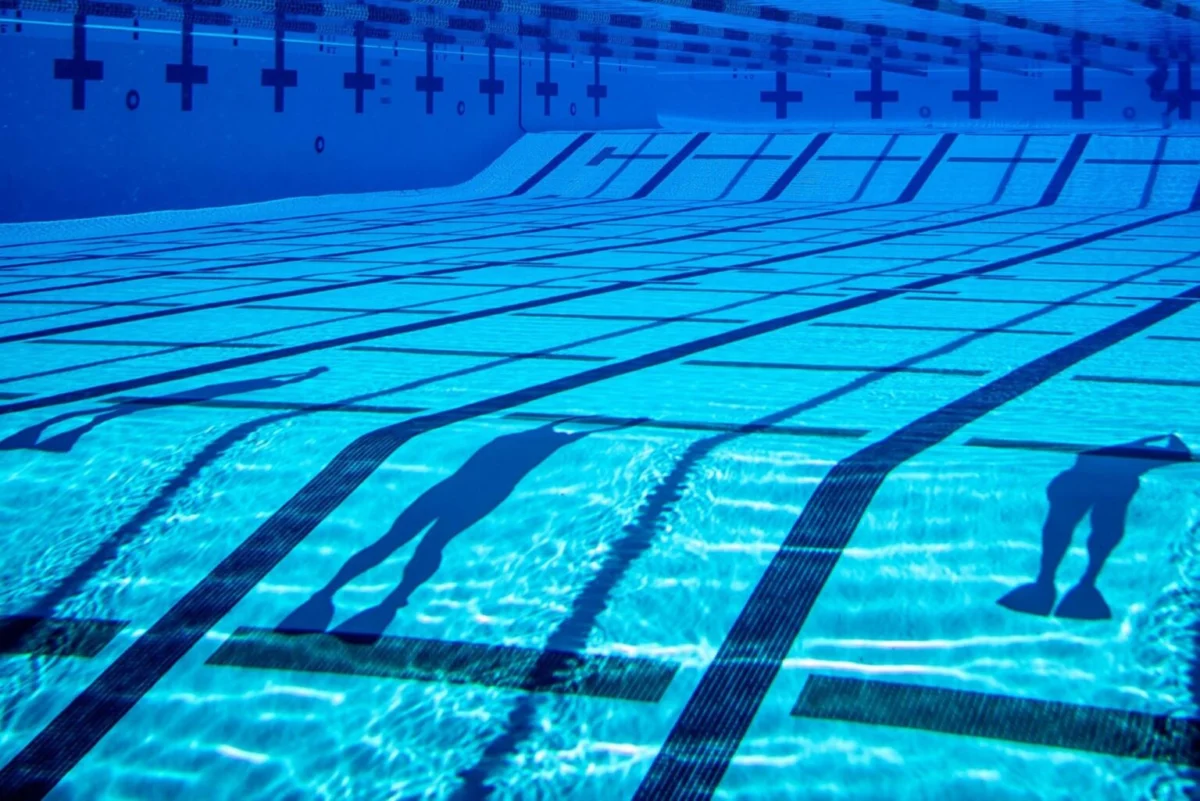
After an eight-year hiatus, the global stage is once again set for the next generation of sporting icons. The fifth edition of the Youth Olympic Games (YOG) officially commences tomorrow, Sunday, November 1, in Dakar, Senegal, with the opening ceremonies signaling the start of a week-long celebration of athletic excellence. However, as the world turns its gaze toward West Africa, organizers have been forced to grapple with the unpredictable realities of climate, prompting significant, last-minute modifications to the swimming program.
The Climate Challenge: Adapting in Real-Time
The Dakar region is currently experiencing an intense period of elevated outdoor temperatures. With forecasts predicting daily highs ranging between 85°F and 87°F (29–31°C) and oppressive overnight lows hovering near 80°F (27°C), the environmental conditions have posed a direct threat to the safety and performance of aquatic athletes.
In a formal statement released to SwimSwam, a representative from World Aquatics addressed the necessity of the sudden changes: "Due to the recently high outdoor temperatures in Dakar, the water temperature in the competition and training pools is elevated. As a result, adjustments have been made to the swimming competition programme to protect the athletes and provide the best possible conditions for the participants."
This proactive, albeit disruptive, measure is a stark reminder of the increasing intersection between elite international sport and the climate crisis. By shifting the preliminary session start times from 11:00 a.m. to 10:00 a.m. local time, officials hope to minimize the exposure of swimmers to the peak intensity of the midday sun. Furthermore, in a significant departure from standard programming, all 400m events have been converted into timed finals—held exclusively in the cooler morning hours—and the 800m freestyle event has been removed from the schedule entirely. To ensure that every athlete meets the required minimum of two events, organizers have announced that, on an "exceptional basis," swimmers previously entered in the 800m may be permitted to pivot to alternative events.
A Global Stage: The 2024 Field
While this year’s YOG is smaller in scale than the 2018 edition—featuring 307 swimmers compared to the previous 390—the geographic diversity of the participants is at an all-time high. Athletes from 154 countries are slated to compete, reflecting the International Olympic Committee’s mission to broaden the appeal of the Games to emerging markets.
The entry list is a tapestry of global talent. While notable swimming powerhouses such as the United States, Australia, Great Britain, Canada, and several European nations have opted not to send delegations, the competition remains fierce. Nations including China, Italy, Hungary, South Korea, New Zealand, Poland, Belgium, Greece, and South Africa have sent strong squads, ensuring that the caliber of competition remains consistent with the high standards expected of an Olympic-level event.
The Legacy of the Youth Olympics
The Youth Olympic Games have long served as a "proving ground" for future superstars. A retrospective look at the 2018 Buenos Aires Games reveals a list of alumni who have since ascended to the pinnacle of the sport. Hungarian butterfly sensation Kristof Milak, Russian standouts Kliment Kolesnikov and Andrei Minakov, Italy’s Thomas Ceccon, and Australian backstroke queen Kaylee McKeown all cut their teeth at the YOG.
For many of these athletes, the Youth Olympics served as the springboard for multi-medal success at the Tokyo and Paris Olympic Games. The event acts as a crucial bridge between junior competition and the senior circuit, allowing athletes to navigate the psychological pressures of an Olympic village environment before they reach the senior international stage.
Even for nations that do not prioritize the YOG, the event holds significant strategic value. The United States, for instance, often directs its development focus toward World Junior and Pan Pacific Championships. Yet, the impact of the YOG on the American pipeline is undeniable. In 2021, Rhyan White and Kate Douglass became the first YOG alumni to secure spots on a U.S. Olympic swimming team, proving that the Dakar experience can provide the necessary exposure to foster long-term national team success.
Chronology and Scope of Competition
Beyond the pool, Dakar 2024 promises a comprehensive display of athletic variety. The Games are structured to showcase both traditional Olympic staples and newer, urban-focused sports. The following table outlines the diverse schedule that will unfold across various venues in and around the Dakar metropolitan area:
| Sport | Location | Dates |
|---|---|---|
| Swimming | Egg Tower Complex | Nov 1–6 |
| Athletics | Iba Mar Diop Complex | Nov 8–10 |
| Rowing (Sea) | Saly West Beach | Oct 31 – Nov 3 |
| Badminton | Dakar Arena | Nov 1–5 |
| 3×3 Basketball | Egg Tower Complex | Nov 6–9 |
| Beach Handball | Saly Beach West | Nov 9–13 |
| Boxing | Dakar Expo Center | Nov 7–12 |
| Breaking | Egg Tower Complex | Nov 12–13 |
| Cycling (Road) | Corniche Ouest | Nov 8, 10 |
| Gymnastics | Dakar Expo Center | Nov 5–11 |
| Judo | Dakar Expo Center | Nov 1–3 |
| Triathlon | Saly Beach West | Nov 5–6 |
| Wushu (Taolu) | Dakar Expo Center | Nov 1–3 |
Official Responses and Organizational Preparedness
The decision to alter the schedule was not made lightly. World Aquatics officials have been working in close coordination with the local organizing committee to ensure that the infrastructure can withstand the thermal strain. Beyond the scheduling changes, additional cooling stations and hydration protocols have been implemented throughout the Egg Tower Complex to safeguard the health of the 307 competing swimmers.
Critics of the event’s timing have noted that scheduling an outdoor swimming meet in the Senegalese autumn requires a delicate balance between logistics and athlete welfare. However, the organizing committee remains optimistic that these adjustments demonstrate the agility and resilience of the Olympic movement. By prioritizing athlete safety over the rigidity of a pre-set schedule, World Aquatics has set a precedent for how international sporting bodies must adapt to the realities of a warming world.
Implications for Future Games
The situation in Dakar serves as a vital case study for the International Olympic Committee. As the climate continues to shift, the window for hosting outdoor endurance events—both in water and on land—is narrowing. The shift from an 11:00 a.m. start to a 10:00 a.m. start may seem minor, but it reflects a broader shift in how major events will need to be planned moving forward.
Furthermore, the cancellation of the 800m freestyle is a significant move that underscores the reality that athlete safety is the primary metric of success. While spectators and television broadcasters may prefer a full schedule, the health of the athletes—many of whom are in their formative years—remains the paramount concern.
As the athletes gather in Dakar for the opening ceremonies, the focus remains on the spirit of international cooperation and the pursuit of athletic greatness. Despite the heat, the obstacles, and the necessary adjustments, the Dakar Youth Olympic Games represent a significant milestone. They are a testament to the fact that, regardless of the challenges, the hunger for competition and the drive for excellence among the youth of the world remain as fervent as ever.
As the starter’s pistol echoes through the Egg Tower Complex on Sunday morning, the world will be watching not just for records, but for the resilience of the next generation of Olympians, who have already demonstrated their ability to adapt to the most demanding of conditions.

 rifanmuazin
 Asep Darmawan
 Muslim

 Suro Senen

 Lina Hope

 Siti Muinah

 Pevita Pearce