
 Azzam Bilal Chamdy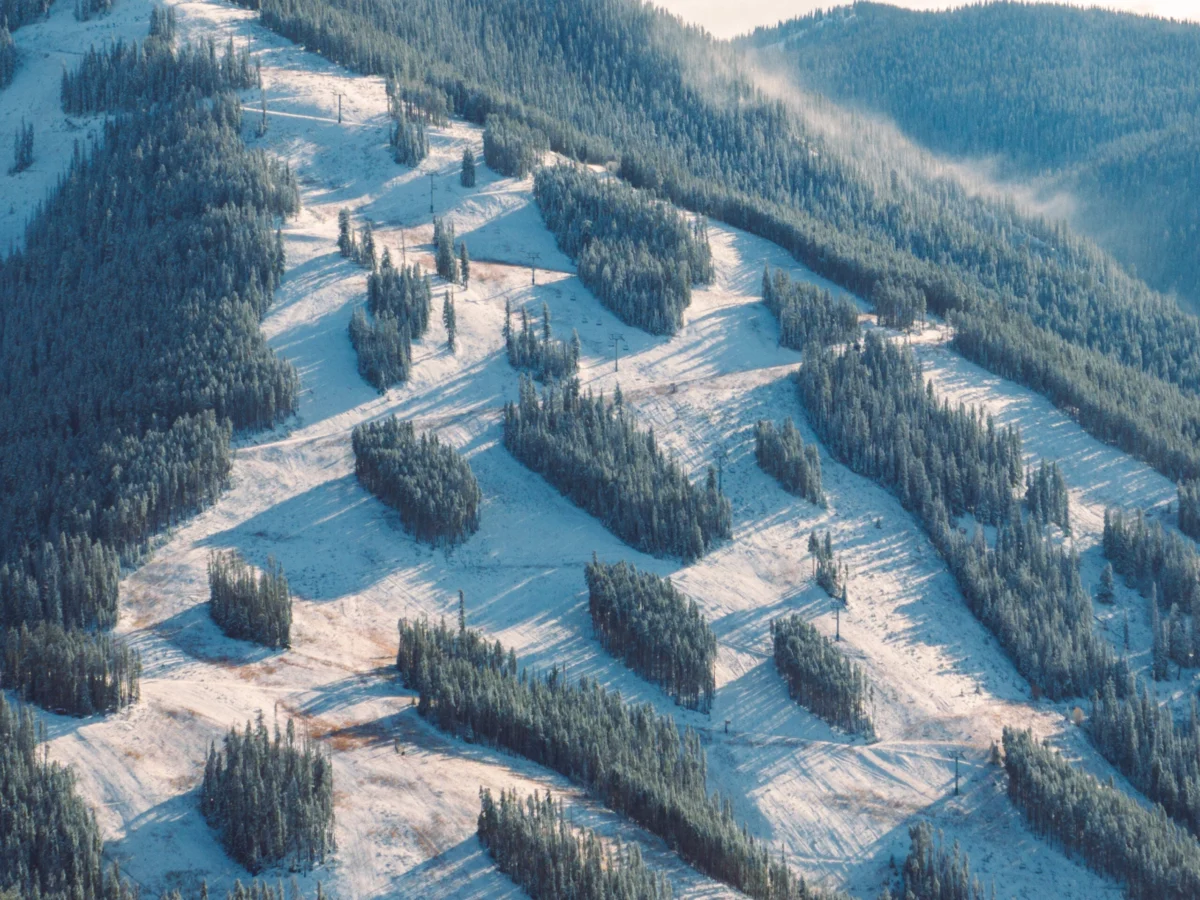
September 29, 2026
By Ski Industry Reporting Desk
Main Facts
The 2025–26 ski season will be remembered across the North American ski industry as one of the most punishing and resource-starved winters in recent memory, particularly across the Rocky Mountains and the broader Western United States. For Vail Resorts—one of the largest mountain resort operators in the world—this historical meteorological anomaly translated directly into a significant contraction in skier traffic.
According to Vail Resorts’ fiscal year earnings report released on September 29, 2026, total skier visits plummeted by 13.4 percent year-over-year. Company leadership explicitly tied this dramatic slump to the exceptionally meager snowpack that plagued western destinations from late autumn through early spring.
Despite the staggering double-digit drop in physical on-mountain visits, the company’s financial bleeding was partially staunched by its subscription-based business model. Total lift revenue—a comprehensive metric encompassing all forms of mountain access—dropped by only 3.5 percent. This resilience was underpinned by a 3.9 percent year-over-year increase in pre-season Epic Pass sales. Because the vast majority of Epic Passes are purchased months before the first snowflake falls, Vail Resorts had already secured its revenue from committed passholders, insulating the company from the full financial blow of empty chairlifts.
However, the broader financial health of the corporation still felt the impact. Net income experienced a steep decline, nearly halving from $280 million down to $147.5 million. Total revenue was down by less than 5 percent, a figure that leadership attributes directly to aggressive internal cost-cutting measures rather than organic weather-driven growth.
Looking ahead to the upcoming 2026–27 season, early indicator metrics are flashing warning signs. Pass sales are currently down 12 percent, "days sold" (an internal tracking metric estimating total days of mountain access purchased) are down roughly 10 percent, and total sales dollars are lagging by 6 percent. Vail Resorts executives have characterized these early-season contractions as "delayed purchase behaviors" among less-committed skiers who remain hesitant following last winter’s dry conditions.
To combat this hesitation, the corporation is doubling down on capital improvements, pumping millions into guest experience upgrades—including a new eight-person chairlift at Park City Mountain—while banking on Mother Nature to deliver a more cooperative snow cycle for the winter ahead.
Chronology: The Anatomy of a Challenging Operating Year
To understand how Vail Resorts weathered the 2025–26 fiscal year, it is necessary to examine the timeline of events, decisions, and financial shifts that shaped the company’s performance.
Pre-Season 2025: Optimism Meets Early-Bird Sales
Heading into the autumn of 2025, Vail Resorts enjoyed a strong wind at its back regarding pre-season pass sales. Benefiting from the loyal consumer base cultivated over decades of multi-resort pass dominance, the company successfully grew its pass sales by 3.9 percent year-over-year. At this stage, leadership had no crystal ball to predict the historic lack of precipitation heading for the American West. The secure influx of pass revenue provided a comfortable financial cushion as resort operations geared up for winter.
Winter 2025–26: The Snow Drought Hits the Rockies
As the calendar turned to December and January—historically the peak revenue-generating months for destination ski resorts—the weather refused to cooperate. A persistent high-pressure ridge parked over the Rocky Mountains, starving major resorts in Colorado, Utah, and beyond of natural snowfall.
While snow-making operations allowed major flagships to open limited terrain, the lack of natural powder severely depressed destination travel. Casual skiers, weekend warriors, and tourists canceled trips or opted out of purchasing high-priced daily lift tickets. By mid-winter, it was clear that physical skier visits were tracking well below historical averages. Day-ticket revenue—traditionally a high-margin revenue stream—took the brunt of the damage.
Spring and Summer 2026: Cost-Cutting and Damage Control
As the lifts stopped spinning in the spring of 2026, corporate accountants tallied the wreckage. Recognizing that the top-line revenue would inevitably shrink due to the 13.4 percent drop in skier visits, Vail Resorts accelerated its internal restructuring initiative known as the "Resource Efficiency Transformation Plan."
Through this targeted corporate overhaul, the company successfully carved out $45 million in operating cost reductions. These efficiencies streamlined back-end operations, optimized staffing models, and trimmed administrative fat just in time to protect the company’s bottom line from total erosion.
September 2026: Earnings Release and Early 2026–27 Indicators
The fiscal year culminated in the late-September earnings report. CEO Rob Katz addressed investors, outlining the reality of the previous winter while pulling back the curtain on early metrics for the 2026–27 season. The report confirmed both the resilience of the Epic Pass model and the acute vulnerability of resort operators to climate variability. Simultaneously, the company rolled out details regarding strategic capital improvements designed to lure gun-shy consumers back to the slopes.
Supporting Data and Financial Metrics
A deep dive into the numbers reveals a nuanced picture of corporate stability masking underlying operational vulnerabilities. While net income took a massive hit, the mechanics of the modern ski industry’s subscription model kept Vail Resorts safely in the black.
- Skier Visits: Down 13.4 percent year-over-year across the portfolio, driven primarily by low snowpack in western regions.
- Total Lift Revenue: Down only 3.5 percent, proving the stabilizing power of advance-purchase pass products.
- Pass Sales (Previous Season): Up 3.9 percent year-over-year prior to the start of the winter.
- Net Income: Slumped from $280 million in the previous fiscal year to $147.5 million for the 2025–26 term—a decline of roughly 47 percent.
- Total Revenue: Declined by less than 5 percent, largely rescued by the internal savings generated by corporate restructuring.
- Cost Savings: The "Resource Efficiency Transformation Plan" successfully shaved $45 million off operational expenditures.
- Early 2026–27 Pass Metrics:
- Pass sales volume: Down 12 percent.
- Days sold (estimated total mountain access days purchased): Down approximately 10 percent.
- Total sales dollars: Down 6 percent.
These figures illustrate a fundamental shift in how consumers buy ski access. The modern ski resort is no longer solely dependent on weather-dependent day-of-skiing purchases; it operates more like a tech software-as-a-service (SaaS) subscription business, locking in revenue ahead of time. However, as the early indicators for the 2026–27 season demonstrate, consecutive years of poor weather can eventually erode even the most loyal subscriber base’s willingness to commit early.

Official Responses and Executive Insights
Addressing shareholders and industry analysts, Vail Resorts CEO Rob Katz did not sugarcoat the realities of the operating environment. He placed the blame squarely on meteorological conditions while praising the agility of his management team.
"This past winter was one of the most challenging winters in history across the western U.S. for the ski industry, which negatively impacted financial performance for the year," Katz stated in the earnings report.
Despite the grim bottom-line numbers—highlighted by the nearly 50 percent drop in net income—Katz emphasized that the company had proactively positioned itself to withstand external shocks.
"Looking back over the past year and a half, we have taken decisive action and accelerated the pace of change across our business," Katz noted. "We have focused on strengthening leadership, advancing growth initiatives, enhancing the guest experience, and improving operational efficiency."
Katz and his executive team pointed to the success of the Resource Efficiency Transformation Plan as a validation of their internal pivot toward lean operations. Furthermore, leadership addressed the soft early-season pass numbers for 2026–27 not as a permanent defection of consumers, but rather as temporary "delayed purchase behaviors."
Management expressed confidence that the company can make up for the early slump in pass sales through standard window-ticket sales as the winter progresses—provided that Mother Nature delivers baseline snowfall conditions that encourage skiers to dust off their gear.
Implications: What This Means for Pass Prices, Lift Access, and Your Season Ahead
For the average skier, snowboarder, and passholder, Vail Resorts’ fiscal report and operational strategy carry several direct takeaways for the upcoming winter and beyond.
1. The Epic Pass Remains King, But Consumer Hesitation is Real
The financial insulation provided by pre-season pass sales proves that the Epic Pass model remains the most effective hedge against bad weather for resort operators. However, the 12 percent drop in early-season pass sales for 2026–27 suggests that consumers are growing weary of paying high upfront costs for multi-resort access following a season of rock-skipping and limited terrain.
While Vail believes these skiers will eventually buy in or purchase day tickets later in the year, this hesitation could prompt the company to reevaluate how it markets early-season products, potentially introducing more flexible payment terms or promotional incentives to recapture skittish buyers.
2. Continued Investment in Guest Experience and Infrastructure
To justify high pass prices and combat weather-related disappointment, Vail Resorts is continuing its aggressive capital expenditure strategy. Skiers heading to Utah this winter will experience the debut of Park City Mountain’s new state-of-the-art eight-person chairlift, designed to mitigate historic bottleneck choke points and dramatically improve uphill capacity.
Beyond lifts, the company’s recent investments span enhanced rental gear infrastructure, modernized food and beverage operations, and upgrades to on-mountain guest services and ski school programming. These improvements are designed to ensure that even if snow conditions are less than ideal, the customer experience remains premium.
3. The Growing Threat of Climate Volatility
The 2025–26 season serves as a stark reminder of the financial vulnerabilities introduced by climate change and erratic weather patterns in the American West. As low-snow years become more frequent, resort operators are forced to rely heavier on advanced snow-making technology, energy-efficient infrastructure, and aggressive internal cost controls to protect their bottom lines.
For skiers, this means that resort operations will increasingly prioritize high-traffic, heavily snow-made corridors over expansive natural terrain during dry winters. It also underscores the importance of corporate efficiency plans—ensuring that cost-cutting measures do not compromise safety, staffing levels, or mountain maintenance.
4. What to Expect for the 2026–27 Season
As the ski community looks ahead, the trajectory of the season will hinge almost entirely on autumn and early-winter storms. If the Pacific jet stream delivers a robust snowpack to the Rockies and the West Coast, Vail Resorts will likely see a late-season surge in day-ticket sales that erases the current deficit in pass metrics. Conversely, another dry winter could test the limits of consumer patience and force a recalibration of pricing strategies across the industry.
For now, the message from corporate headquarters is clear: Vail Resorts has battened down the hatches, trimmed the operational fat, and invested heavily in the on-mountain experience. All that remains is for the skies to open up.

 Iffa Jayyana
 Basiran
 Neng Nana
 Nana Wu
 Lina Hope

 Sagoh
Sagoh