
 Evan Lee Salim
Updated September 24, 2026
For decades, the modern ski season has been defined by a dual monopoly. When winter approaches, millions of skiers across North America automatically default to renewing their Epic or Ikon passes, resigning themselves to the ecosystem of industry behemoths. Yet, beneath the shadow of these multi-thousand-acre mega-resorts, a quieter revolution has been taking shape.
For skiers willing to look past the marketing dominance of the industry giants, alternative options offer a vastly different value proposition. Among them, the Power Pass has steadily carved out a loyal following. Centered primarily around regional hubs in the American Southwest, the pass offers a distinct alternative to the corporate ski model—one that prioritizes local character, shorter lift lines, and regional road trips over sprawling base villages and high-speed gondolas.
Main Facts: What is the Power Pass and Where Does It Take You?
The Power Pass is a multi-mountain season pass engineered with a distinct geographic footprint. Rather than attempting to cover every major mountain range in North America, its network concentrates heavily on the Southwest, while stretching into the Pacific Northwest and internationally into the Southern Hemisphere.
The full Power Pass provides unlimited, unrestricted access—meaning zero blackout dates—across a diverse roster of participating mountains. The core lineup includes:
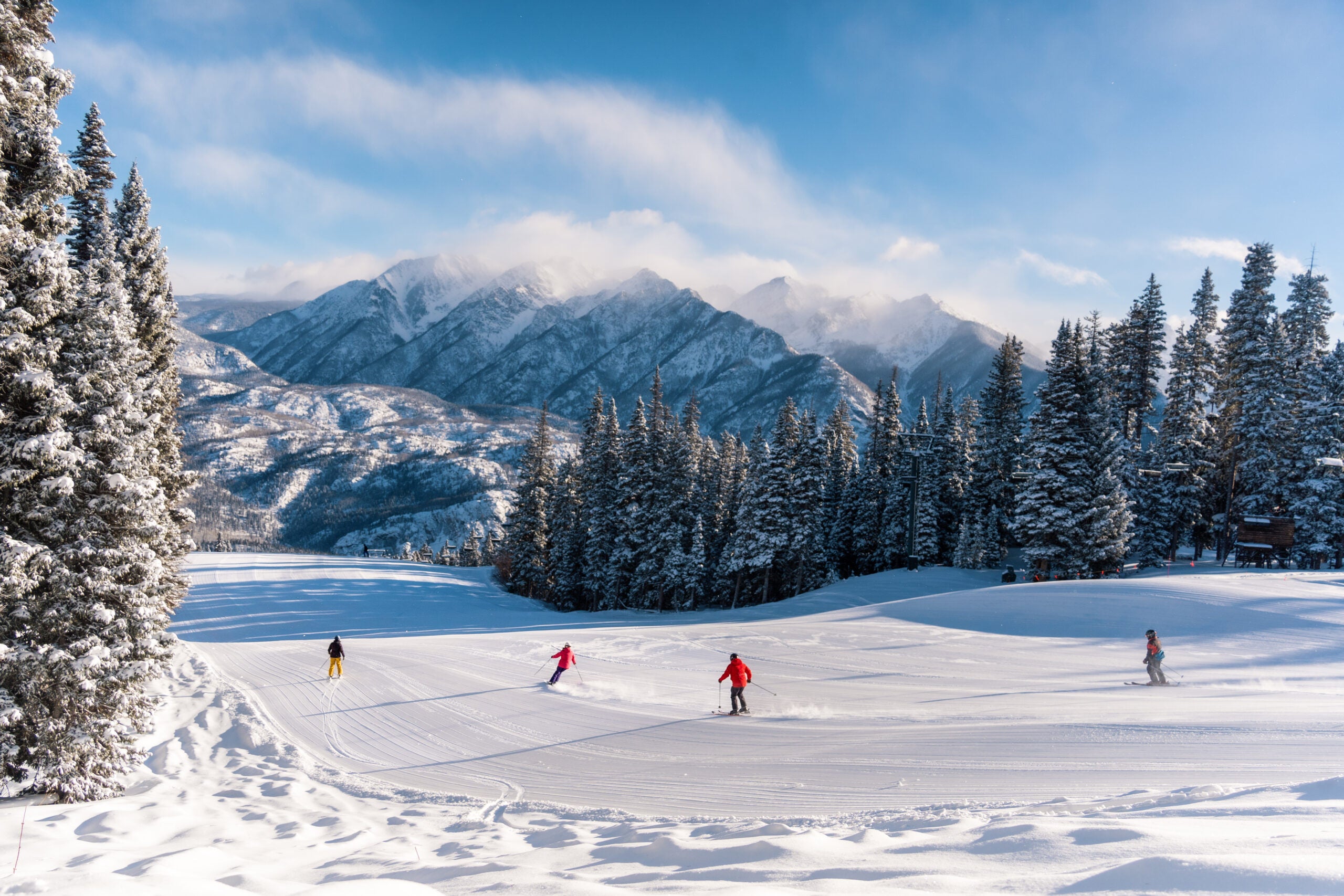
- Colorado: Purgatory Resort
- Arizona: Arizona Snowbowl
- Utah: Brian Head Resort, Nordic Valley
- New Mexico: Sipapu, Pajarito Mountain
- Nevada: Lee Canyon
- Oregon: Willamette Pass Resort
- New Mexico / Local Hubs: Sandia Peak
The pass also crosses international borders. Full passholders receive access to Valle Nevado and La Parva in the Chilean Andes, giving skiers the rare opportunity to chase fresh powder during the North American summer. Furthermore, the pass bridges the seasons by offering warm-weather perks, such as mountain biking access at Spider Mountain Bike Park in Texas.
Chronology: The Evolution of Regional Passes in a Mega-Resort Era
To understand the current standing of the Power Pass, it helps to examine how the ski pass industry has transformed over the last fifteen years.
- Early 2010s: The advent of the Epic Pass permanently alters consumer habits in the ski industry, proving that skiers will happily purchase multi-resort access months before the snow flies. The Ikon Pass follows suit years later, effectively splitting the ski world into two corporate camps.
- Mid-to-Late 2010s: As mega-pass prices climb and destination resorts experience unprecedented overcrowding—manifesting as infamous weekend traffic jams on mountain access roads and lengthy lift lines—regional pass networks begin consolidating to capture localized markets.
- Early 2020s: Operators of independent and mid-sized ski areas expand cooperative agreements. The Power Pass systematically integrates regional Southwest and West Coast gems, positioning itself as a localized antidote to mega-resort fatigue.
- 2026/2027 Season Outlook: Heading into the current season, industry analysts note a resurgence in consumer interest for localized, less congested ski experiences, driven largely by shifting travel economics and a renewed appetite for authentic, smaller-scale mountain towns.
Supporting Data: Weather Outlooks, Demographics, and Financial Breakdown
When evaluating a ski pass, data matters just as much as resort marketing. For the 2026–2027 winter season, several key metrics and forecasts are drawing attention to the Power Pass’s geographic footprint.
The El Niño Factor and Southwest Snowfall
Weather patterns play an outsized role in the viability of regional ski passes. According to meteorological data heading into the season, weather phenomena are projected to heavily influence the Western United States.
“The effects of El Niño appear to show a mixed bag for much of the Western United States, with the strongest signal being average to above-average snowfall for the Southwest,” noted OpenSnow meteorologist Sam Collentine.

If this pattern holds, southern Colorado, New Mexico, and Arizona could experience a more active southern storm track. This shift stands to directly benefit primary Power Pass anchor resorts like Arizona Snowbowl and Purgatory. However, meteorologists urge caution: historical weather templates do not offer a 100-percent guarantee, and localized microclimates can cause conditions to vary dramatically from one peak to the next.
Cost, Tiers, and Family Value
Financially, the Power Pass approaches consumer pricing through targeted demographics. Most notably, the full Power Pass features a prominent family-friendly perk: children ages 12 and under ski free.
Additional age-based pricing tiers cater to young adults and seniors, lowering the barrier to entry compared to blanket adult pricing models seen elsewhere. For skiers planning trips outside the core network, the pass includes partner resort allocations:
- Monarch Mountain (Colorado): 3 days
- Sundance Mountain Resort (Utah): 3 days
- Loveland Ski Area (Colorado): 3 days
- Valle Nevado & La Parva (Chile): Up to 10 combined days
Additional perks include discounted friend-and-family lift tickets, alongside savings on on-mountain dining, equipment rentals, retail gear, and ski school lessons.
Official Responses and Industry Perspectives
Ski industry veterans and resort executives emphasize that the rise of regional passes like the Power Pass is a direct response to consumer saturation at mega-resorts.
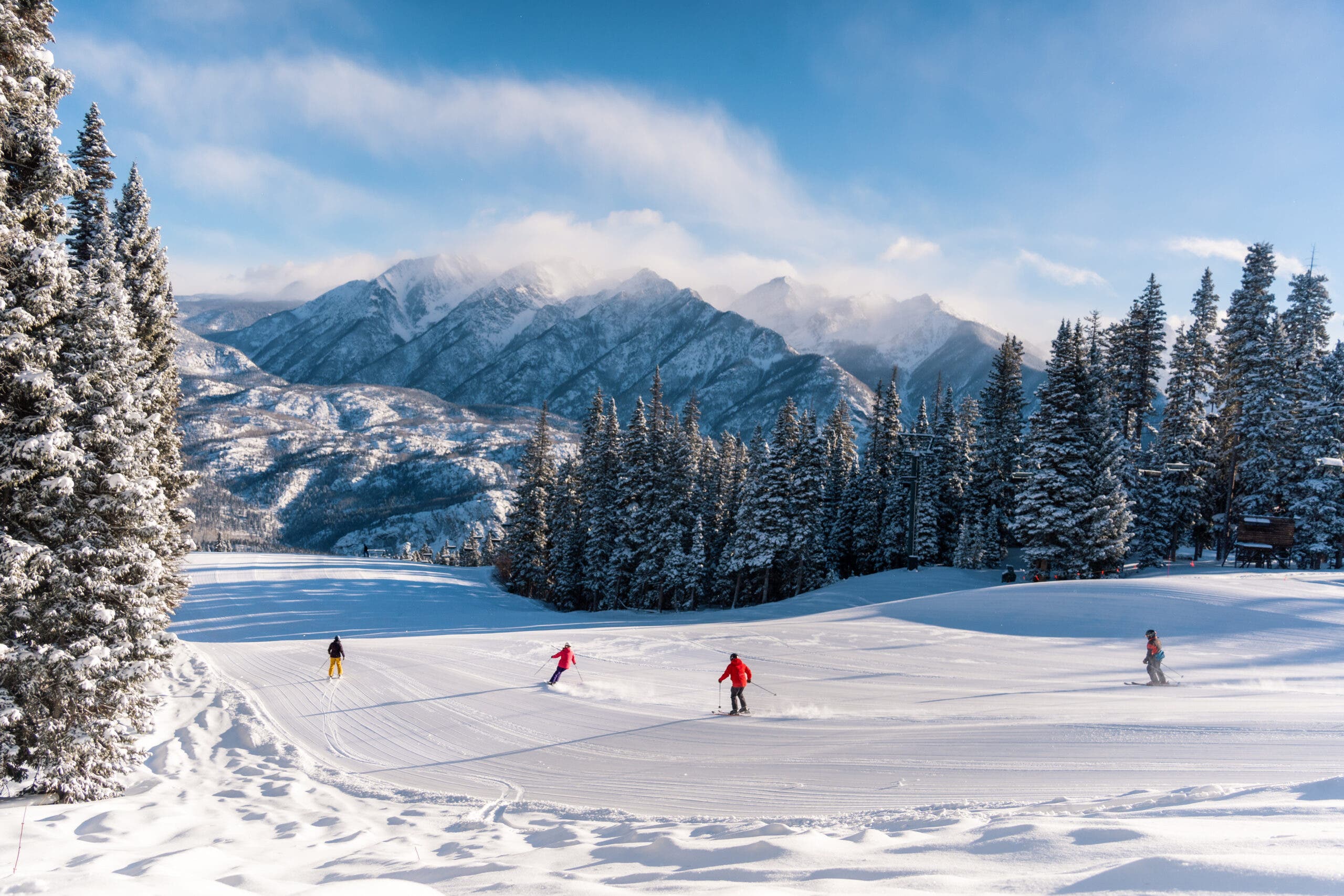
Resort operators within the Power Pass network frequently highlight the psychological shift in today’s skiers. While destination resorts tout high-speed, six-person heated chairs and luxury village shopping, regional operators lean heavily into the simplicity of the experience.
“It’s about lowering the friction of skiing,” says one regional mountain operations manager. “At a mega-resort, you might spend forty minutes just getting from the remote parking lot to the primary lift base. At many of our properties, you park, step out of your vehicle, click into your bindings, and you’re on the snow within minutes. For families and working locals, that time savings is invaluable.”
Industry observers also point out that while megapasses are unmatched for jet-setting destination travelers who fly across continents for a single annual trip, they often alienate hyper-local skiers who simply want to log quick afternoon turns or weekend day-trips without paying for amenities they never use.
Implications: Who Wins, Who Loses, and Is It Right for You?
Choosing a season pass ultimately comes down to a realistic assessment of geography, lifestyle, and skiing preferences. The existence of the Power Pass forces consumers to answer a fundamental question: What do you actually want out of a ski day?
The Advantages of Going Small-Scale
Skiing smaller, regional mountains involves distinct trade-offs, but many skiers view these compromises as hidden blessings:

- Fewer Crowds: While destination resorts grapple with shoulder-to-shoulder lift lines on holiday weekends, smaller mountains often feature remarkably short waits.
- Extended Powder Preservation: Because fewer skiers churn up the mountain, fresh powder can linger for hours—or even days—after a storm, rather than getting tracked out in the first fifteen minutes.
- Family-Friendly Navigation: Compact resort footprints make it nearly impossible for families to lose track of children, eliminating the stress of coordinating meetups across sprawling thousands-of-acres domains.
- Authentic Local Culture: Mega-resorts can occasionally feel corporate and homogeneous. Regional hills often retain a quirky, community-centric charm that highlights local ski culture.
The Clear Limitations
Conversely, the Power Pass is not a magic bullet for every skier.
- Terrain Limitations: Advanced and expert skiers who demand endless miles of steep chutes, expansive bowls, and high-alpine glades may exhaust the terrain offerings of smaller regional hills relatively quickly.
- Travel Logistics: If you live on the East Coast or Pacific Northwest and plan to fly out for one massive annual ski vacation, the logistical hurdles and flight costs to reach dispersed Southwest regional airports rarely make financial sense compared to flying directly into major hubs served by Epic or Ikon.
The Verdict
The Power Pass is not an overlooked replacement for the industry’s dominant giants. Rather, it is an entirely different product tailored to a specific type of skier.
For residents of the Southwest, flexible road-trippers, and families seeking affordable, stress-free weekends on the snow, it represents exceptional value. For everyone else, it serves as a healthy reminder that the soul of skiing doesn’t necessarily require a luxury base village—sometimes, all you need is a pair of skis, an uncrowded lift, and snow falling quietly over the mountains.

 Raul Delapena Setiawan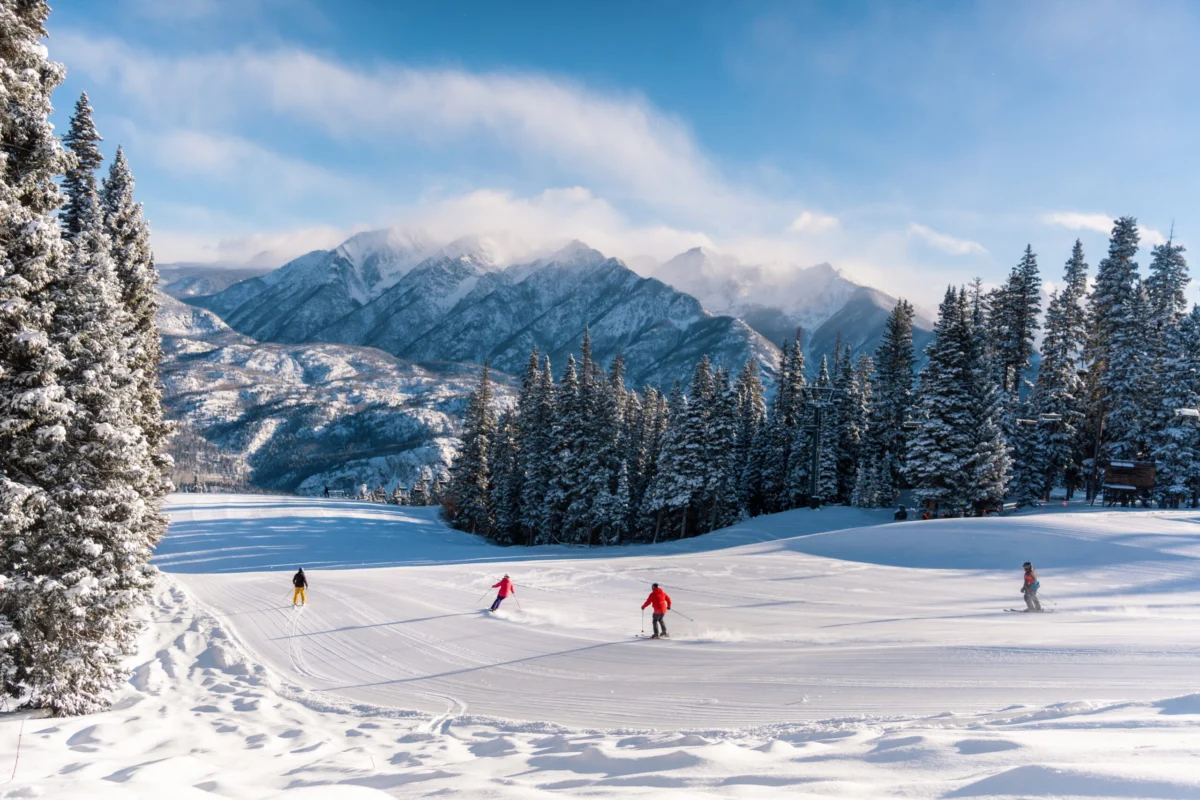
 Muslim
 Sagoh
Sagoh

 Jia Lissa

 Asro
Asro
 Basiran