
 Reynand Wu
Updated September 24, 2026
For decades, the multi-mountain ski pass landscape has been dominated by a heavy duopoly. For the avid skier looking to maximize value and minimize friction across winter getaways, names like Epic and Ikon have become synonymous with the modern ski experience. Yet, quietly operating outside the massive marketing machinery of these industry behemoths is an alternative that merits a closer look: the Power Pass.
While its resort lineup centers heavily on smaller, regional mountains scattered across the American Southwest, the Power Pass offers a compelling, community-focused counter-narrative to the sprawling, mega-resort ethos. Whether this pass represents a brilliant bargain or an ill-fitting investment depends entirely on geography, lifestyle, and a skier’s personal philosophy on what makes a great winter day on the snow.
Main Facts: What Is the Power Pass?
The Power Pass is a multi-mountain ski pass designed with a distinct Southwestern heartbeat. It grants access to a diverse portfolio of ski areas spanning Colorado, Arizona, Utah, New Mexico, Nevada, and Oregon.
The core roster of participating destinations includes:
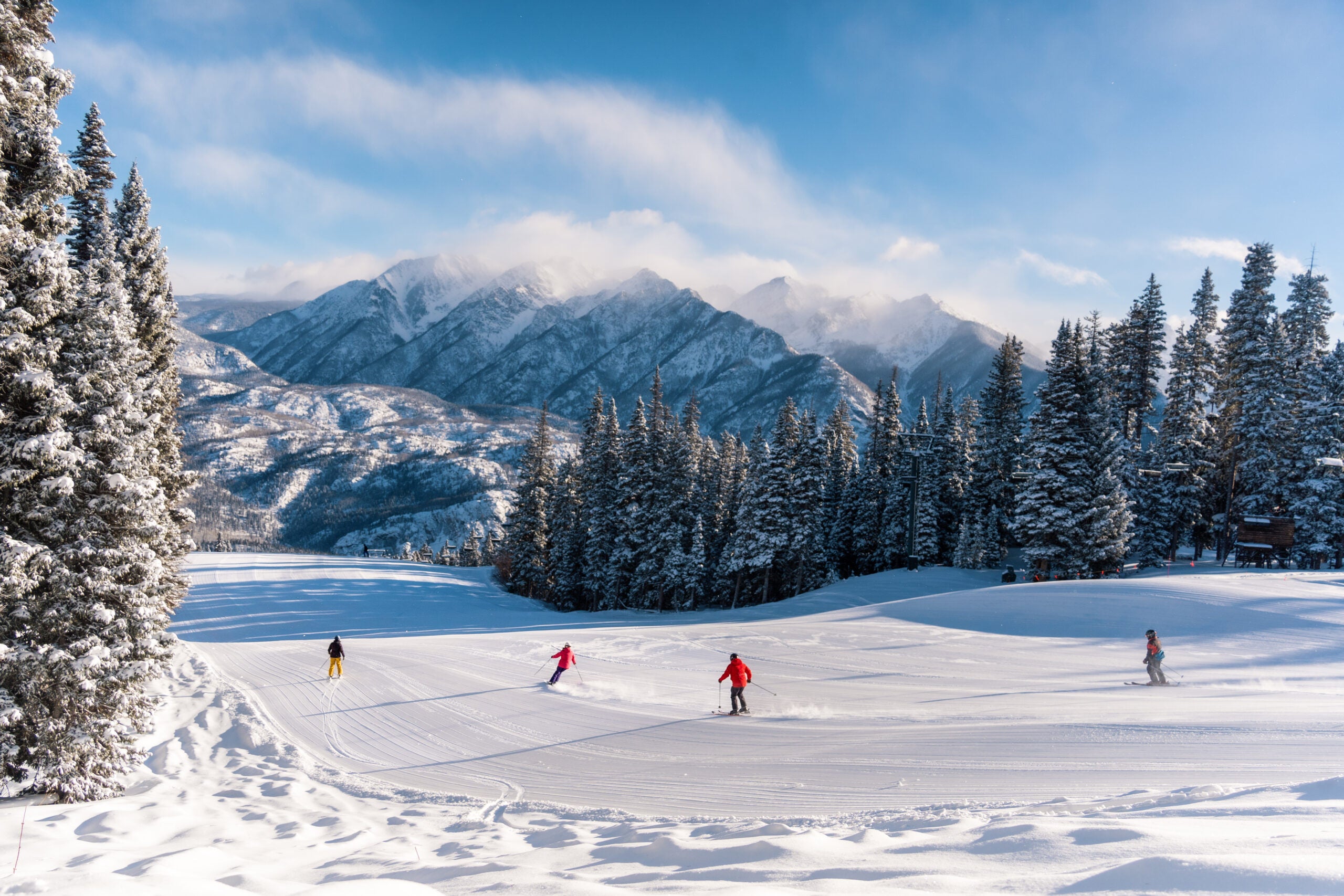
- Colorado: Purgatory
- Arizona: Arizona Snowbowl
- Utah: Brian Head, Nordic Valley
- New Mexico: Sipapu, Pajarito
- Nevada: Lee Canyon
- Oregon: Willamette Pass
- New Mexico / Albuquerque region: Sandia Peak
For purchasers of the full Power Pass, access is remarkably straightforward: unlimited skiing and snowboarding with zero blackout dates across all participating mountains.
However, the pass’s geographical footprint stretches far beyond the continental United States. International perks include partner access to Valle Nevado and La Parva in the high Chilean Andes. This trans-hemispheric partnership allows passholders to chase winter powder during the Northern Hemisphere’s summer months. Furthermore, when the snow melts and the alpine flowers bloom, the pass offers warm-weather utility with mountain biking access at Spider Mountain Bike Park in Texas.
Chronology: The Evolution of Regional Passes
To understand the current positioning of the Power Pass, it is helpful to look at how the ski industry pass market has evolved over the past fifteen years:
- Pre-2010s: The ski industry was defined primarily by individual resort season passes or costly multi-resort card bundles (such as the Mountain Collective), keeping destination loyalty localized.
- The 2010s (The Mega-Pass Boom): The introduction and aggressive expansion of passes like Epic and Ikon revolutionized destination skiing. They consolidated hundreds of thousands of skiers into massive, corporate-backed resort ecosystems, driving up destination traffic while offering deep discounts for frequent visitors.
- The Mid-2010s to 2020s (Consolidation of Independents): In response to the dominance of the giants, regional operators began acquiring and grouping smaller, independent ski areas under unified regional passes to retain local market share.
- Recent Seasons (2025–2026): Independent and regional multi-pass products began leaning heavily into value-added perks—such as free skiing for young children, reciprocal days at non-owned independent resorts, and year-round multi-sport utility (like summer mountain biking)—to directly challenge the value proposition of the mega-passes.
- The 2026/2027 Winter Outlook: As the industry looks toward the upcoming season, shifting weather patterns and rising destination-resort parking fees and lift ticket prices have put a renewed spotlight on the cost-efficiency and relaxed culture of smaller, regional ski areas.
Supporting Data & Weather Forecasts: The Southwest Factor
This season’s weather outlook adds an intriguing layer of analysis for prospective Power Pass buyers, particularly regarding regional storm tracks.
According to OpenSnow meteorologist Sam Collentine, the upcoming winter forecast presents unique opportunities for the region. "The effects of El Niño appear to show a mixed bag for much of the Western United States, with the strongest signal being average to above-average snowfall for the Southwest," Collentine explained in an interview with SKI.

If this projected weather pattern materializes, southern Colorado, New Mexico, and Arizona could experience a more active southern storm track. This would directly benefit several key Power Pass mountains, including Arizona Snowbowl, Purgatory, Sipapu, and Pajarito, which historically thrive when southern-tracking storms push moisture across the Four Corners region.
However, industry experts urge caution when tying pass purchases strictly to long-range meteorological models. Seasonal forecasts outline broad macro-weather patterns rather than guaranteeing localized snowfall at specific elevations. Furthermore, local microclimates mean conditions can vary wildly from one mountain to the next just a few hours apart. As Collentine cautions, historical El Niño patterns "don’t hold 100 percent of the time."
Beyond meteorology, data surrounding demographics reveals who benefits most from the pass structure. The Power Pass includes a notable family-focused incentive: children ages 12 and under ski free with the purchase of a full adult Power Pass. Additional age-based pricing tiers cater to young adults and seniors, lowering the financial barrier for households trying to keep winter sports affordable.
Official Responses and Industry Perspectives
Ski industry analysts and resort operators emphasize that the Power Pass is not designed to be a direct competitor to the Epic or Ikon passes, but rather a specialized alternative tailored to a different type of skier.
Resort representatives frequently highlight the "frictionless" nature of smaller ski areas. Unlike mega-resorts—where visitors often contend with multi-hour traffic bottlenecks, heavily congested base villages, reservations, and paid parking structures—regional areas on the Power Pass tend to prioritize accessibility.
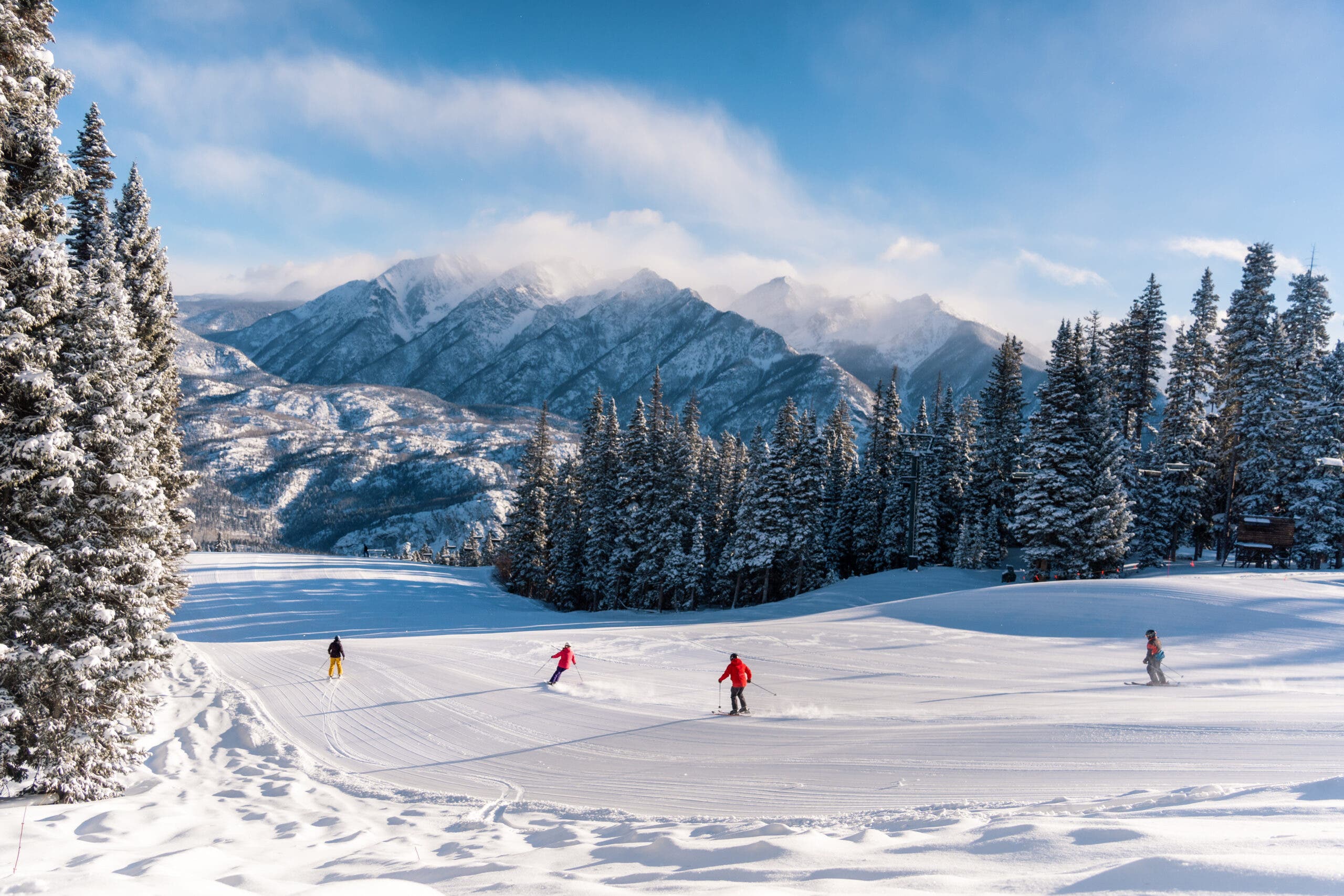
Furthermore, feedback from skiers who have transitioned between mega-passes and regional networks underscores a cultural shift. While destination resorts boast high-speed detachable lifts spanning thousands of acres, they also introduce corporate uniformity. Conversely, regional mountains often retain a distinct, hyper-local character.
Pass administrators point out that the inclusion of reciprocal days—such as three days each at independent favorites like Monarch Mountain, Sundance, and Loveland—acts as an intentional bridge. It rewards loyal regional skiers with occasional access to larger independent mountains without forcing them to pay full freight for a national mega-pass.
Implications: Who Benefits Most from the Power Pass?
Choosing a season pass ultimately comes down to a fundamental economic and lifestyle question: How much do you actually value the mega-resort experience, and how frequently will you realistically use the pass?
1. The Regional Road-Tripper and Local Resident
For skiers based in Arizona, New Mexico, Utah, or Southern Colorado, the Power Pass is exceptionally practical. It allows families and weekend warriors to skip the congested interstate corridors leading to major destination resorts and instead build flexible weekend road trips across multiple smaller mountains.
2. Families and Budget-Conscious Households
The economics of skiing with children have grown increasingly punishing. The policy allowing kids 12 and under to ski free on a full Power Pass drastically alters the financial math for families. When combined with affordable on-mountain lessons—such as those found at Utah’s Brian Head—the pass becomes a remarkably cost-effective option for households raising the next generation of skiers.

3. The Anti-Mass Appeal for Advanced and Relaxed Skiers Alike
Skiing smaller mountains involves clear compromises. You will find less total acreage, fewer gourmet dining options, limited slope-side lodging, and fewer high-speed amenities. Yet, for many, these limitations are features, not bugs.
- For Beginners and Families: Compact resort layouts make it nearly impossible to get lost, vastly simplifying logistics when managing groups or young children.
- For Advanced Skiers: While vertical drop and run lengths may be shorter, crowds are exponentially thinner. This means fresh powder stashes can linger for hours—or even days—after a storm, rather than getting tracked out in a matter of minutes by thousands of skiers descending on a single bowl.
- For the Minimalist: Skiers who detest the ritual of boarding parking-lot shuttle buses, navigating sprawling base villages, and walking half a mile in ski boots just to reach the lifts will find immense satisfaction in the walk-up proximity of regional mountains.
When the Pass Doesn’t Make Sense
The calculation shifts drastically for destination travelers. An East Coast skier planning a single, week-long annual ski pilgrimage to a world-class resort like Vail, Jackson Hole, or Park City will likely extract far more value from an Epic or Ikon pass. Once airfare, rental cars, and lodging are factored into a long-haul trip, forcing a regional pass into a non-local itinerary rarely makes financial or logistical sense.
Conclusion
The Power Pass is an intentional reminder that skiing does not have to conform to a single corporate mold. It is not an overlooked replacement for the industry giants, but rather a distinct product built for a specific community of skiers. For those whose geography, family structure, and skiing style align with its footprint, the Power Pass proves that bigger is not always better—and that some of the best winter memories are found at the end of a quiet, winding mountain road.

 Raul Delapena Setiawan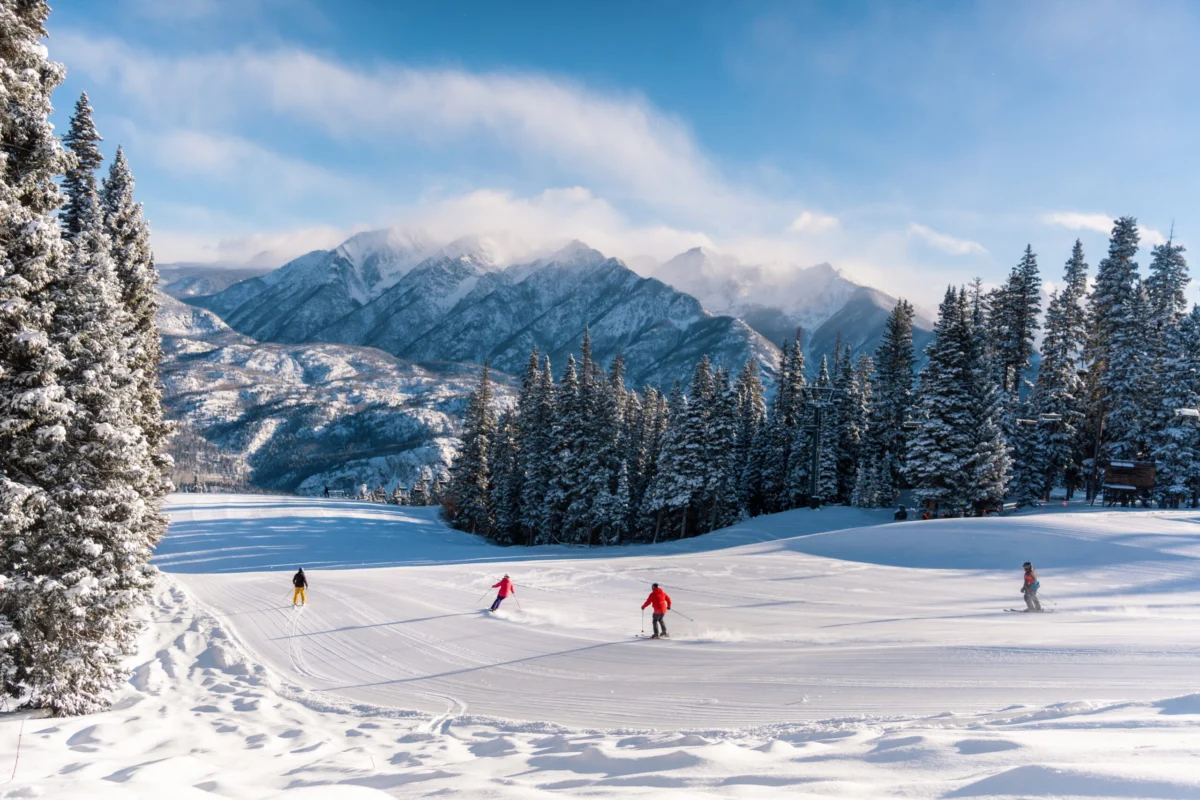
 Muslim
 Sagoh
Sagoh

 Jia Lissa

 Asro
Asro
 Basiran