
 Evan Lee Salim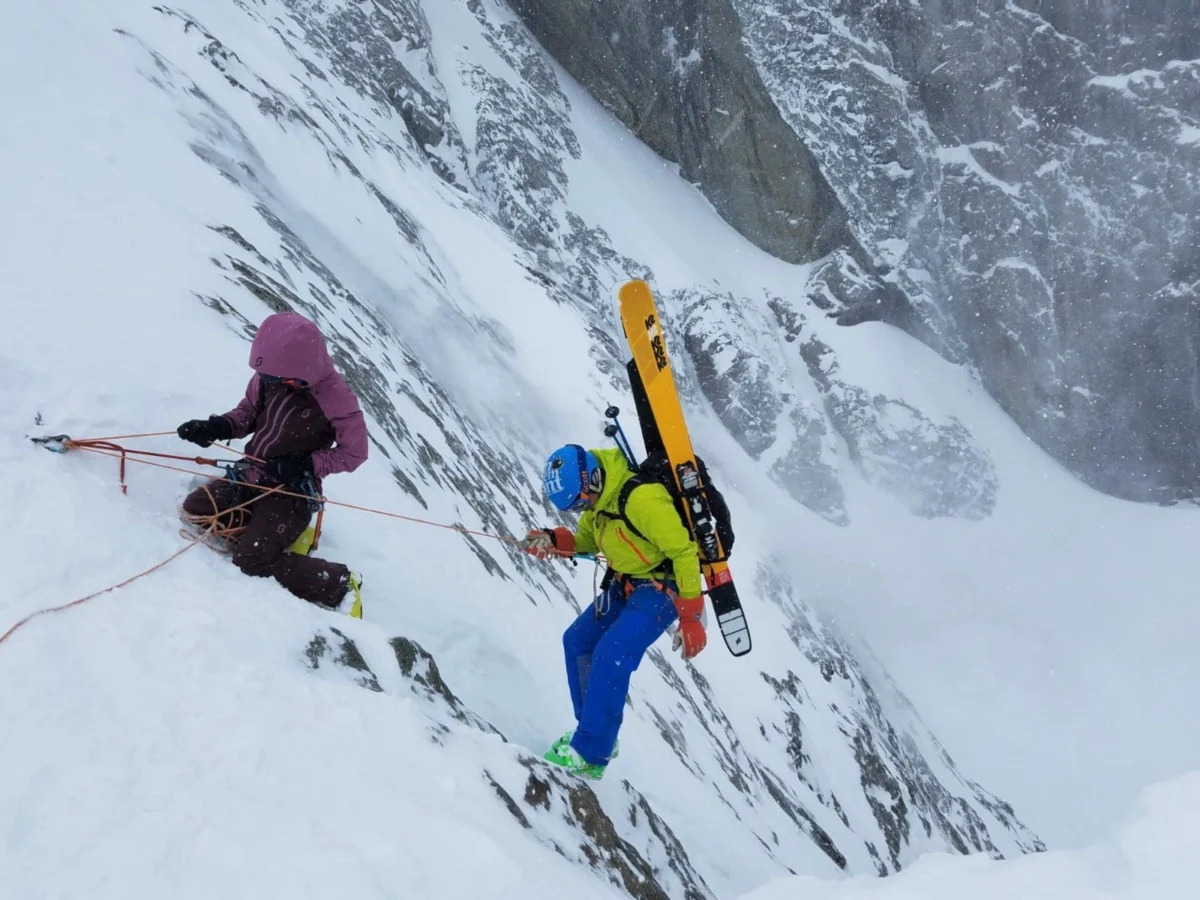
By [Author Name]
Updated September 21, 2026
Main Facts: The Reality Behind the Glossy Reel
“Almost a quarter of my graduating class is dead.”
Those were the chilling words that shattered any lingering romanticism I held about the profession, delivered to me during a three-day avalanche course led by Pete Mason. Mason is a towering figure in the discipline, standing as one of the first Americans to pass both the rigorous UIAGM (International Federation of Mountain Guides Associations) standards and the notoriously punishing French ENSA (École Nationale de Ski et d’Alpinisme) certification.
Growing up immersed in ski culture, I had thoroughly glorified the archetypal "steezy" mountain guide. To my teenage eyes, they were invincible icons: tanned, sharp-jawed figures rolling into trailhead parking lots in battered Toyota RAV4s, a precariously rolled cigarette dangling from their lips. They possessed that nonchalant, untouchable gaze of professionals who could effortlessly rappel into steep chutes with their pinky fingers. I fantasized about living out the high-octane video-game footage produced by Teton Gravity Research—hucking off massive cliffs, barely outrunning my own sluff on 50-degree spines, and high-fiving clients with a breathless, “Way to go, buddy!”
To some extent, those youthful dreams did not seem entirely detached from reality. In the United States, historical land regulations managed by the National Park Service have featured relatively loose certification requirements for backcountry operators compared to their European counterparts. After jumping through a few insurance hoops and obtaining local permits, the bridge separating an ambitious ski bum from a credentialed mountain professional could easily appear to be nothing more than a change of apparel.
Mason’s stark appraisal completely dismantled that illusion. I quickly realized that my vision of professional guiding was about as delusional as believing I could perform open-heart surgery simply from binge-watching Grey’s Anatomy. More importantly, it left me with a haunting question: What is it really like to live a life tethered to the vertical world?
To find out, I sat down with Mason, Seattle-born UIAGM guide Erin Smart, and Filip Rentschler, an aspiring young professional cutting his teeth in the European Alps. What emerged was a narrative far removed from the highlight reels of social media—a story defined by profound human connection, the heavy burden of constant decision-making, and the inescapable, mathematical reality of risk.
Chronology: The Long and Arduous Path to the Pin
While the perks of becoming a fully certified mountain guide are undeniable—access to remote alpine landscapes, endless days spent immersed in nature, and the deep gratification of sharing a passion for the mountains with others—the path to achieving certification is grueling, circuitous, and relentlessly demanding.
Filip Rentschler, a 27-year-old freelance carpenter, represents a new generation of aspirants. Born in the south of Sweden—a region famous for canoeing and quiet lakes rather than high-alpine couloirs—Rentschler found his calling during his very first winter season in Verbier, Switzerland.
“When you talk to guides, many of them share a past of being jack-of-all-trades,” Rentschler reflects. “They worked hard at odd jobs to make the money necessary to support their absolute passion for the mountains.”
Rentschler’s journey follows a chronological crucible familiar to almost every professional in the field. It begins with years of personal skill acquisition: mastering ice climbing, traditional rock protection, high-altitude navigation, and advanced crevasse rescue. Next comes the application phase for formal mountain guilds, where candidates must pass rigorous entry exams that weed out up to 80% of applicants.
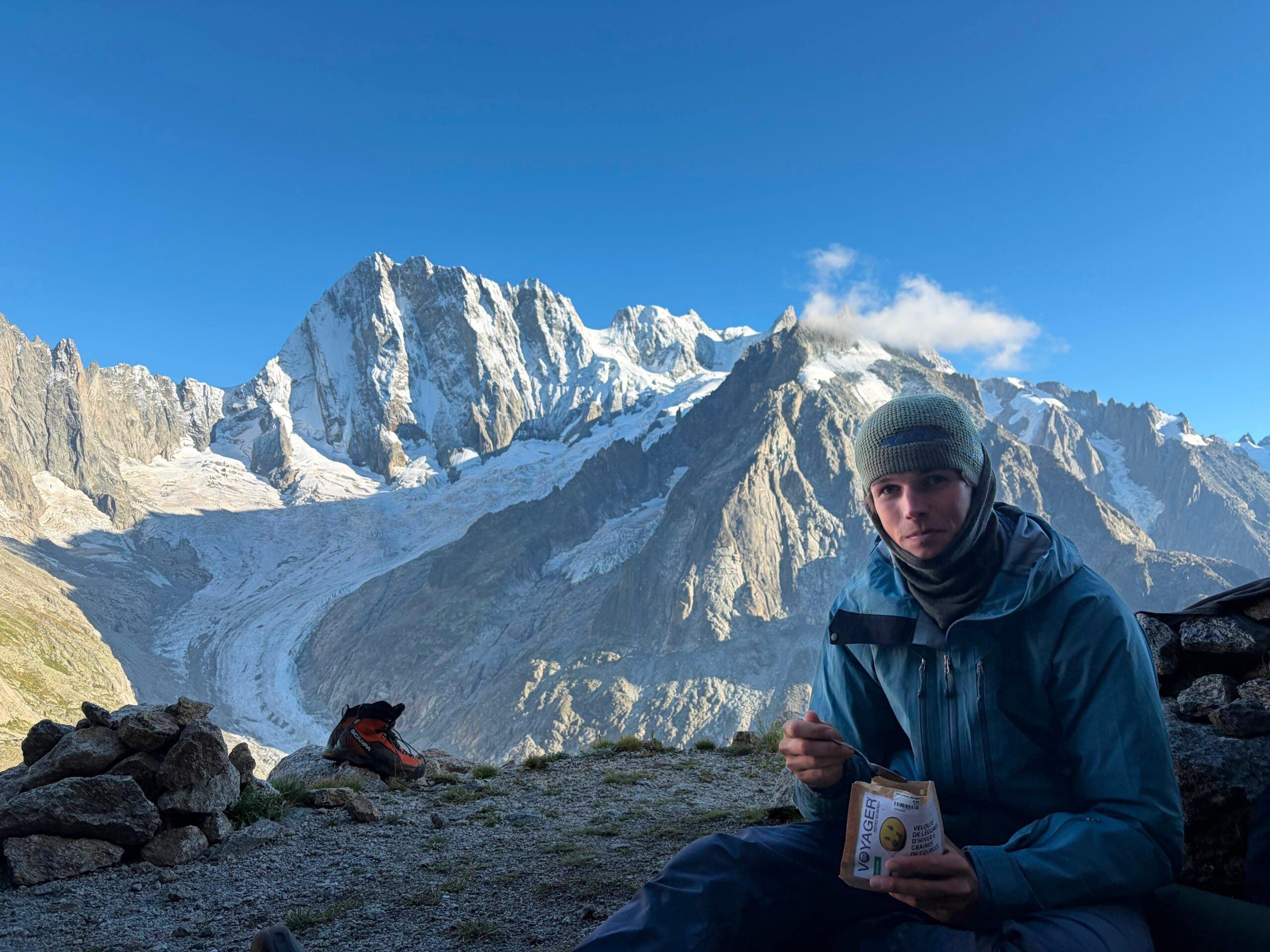
For those who make the cut, years of apprenticeships follow. This phase is characterized by living out of vans, eating solitary meals on the road, enduring long separations from family and friends, and waking up before dawn in freezing sleet to guide technical 6B-rated rock climbs or committing ski descents. All of this is compounded by the constant financial anxiety of fluctuating work and the intense pressure surrounding high-stakes certification exams.
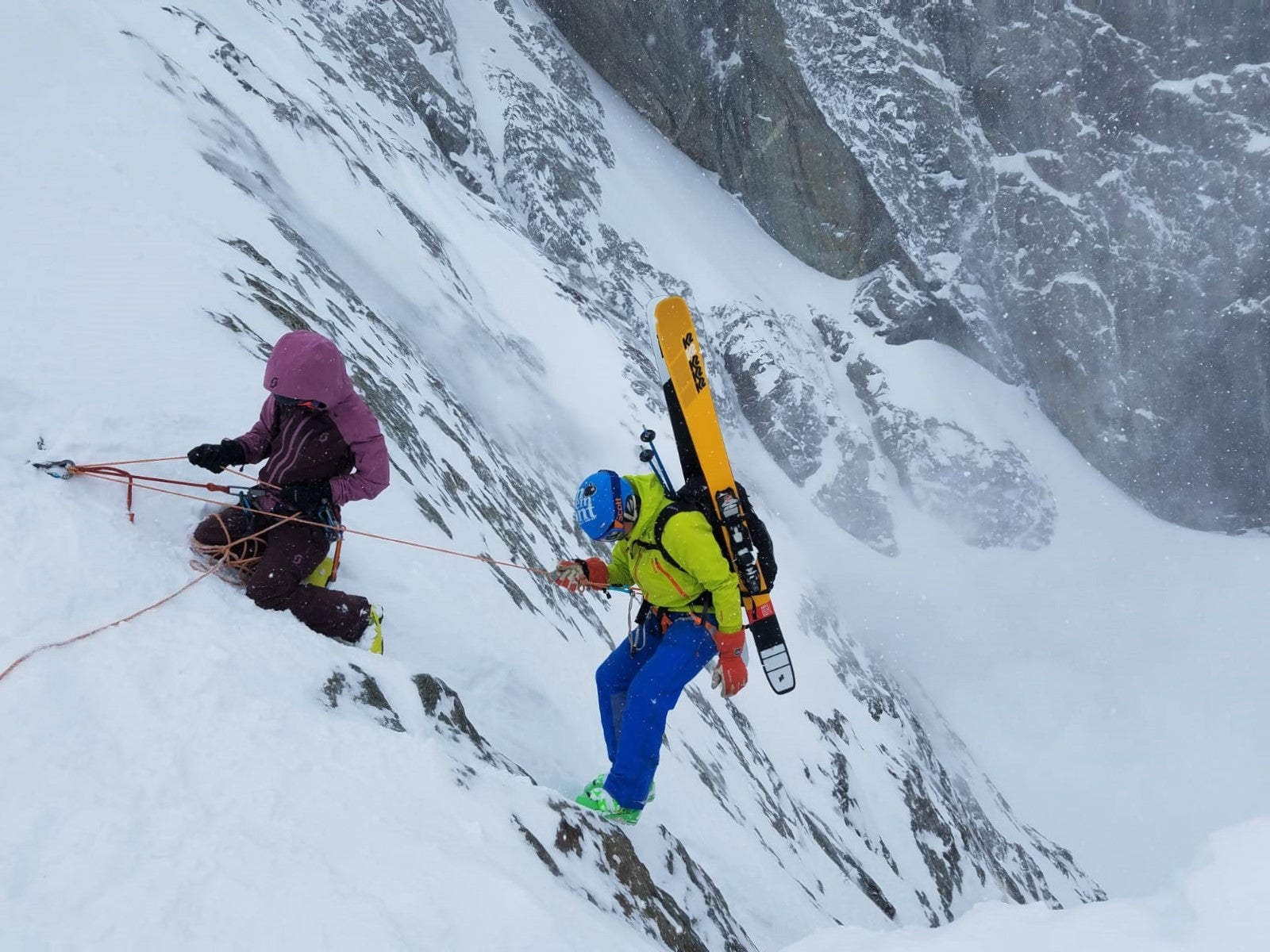
Yet, as Rentschler explains, those grueling sacrifices are rarely driven by a selfish desire to ski or climb for oneself.
“I want to become a guide to bring people along safely in the mountains and give them a transformative experience,” he explains. “I find vastly more joy in that shared human connection compared to solely pursuing personal tick-lists.”
Supporting Data: The Mathematics of Alpine Risk
Despite the deep fulfillment guides find in mentoring clients, the industry frequently suffers from public misconception. Unconsciously, recreational skiers often treat guides as mere "powder concierges"—paid professionals hired for a few hundred dollars to secure access to novel terrain and untracked snow.
In an era defined by advanced gear—Mammut airbag packs, high-end avalanche transceivers, and instant satellite communication—guides are often viewed as safety add-ons. To the average freerider eyeing unapproachable terrain, a guide is simply someone to judge snow stability and ensure knots are tied correctly.
However, experienced guides operate under a completely different philosophy. A seasoned professional has zero hesitation about canceling a trip when conditions dictate restraint.
“We are not kamikaze,” a Chamonix touring service employee told me explicitly during a historically high-hazard powder day. Ultimately, the core of the profession comes down to a single, powerful word: No.
Erin Smart, who grew up exploring the rugged Cascades of Washington and now guides out of the legendary French freeride mecca of La Grave, is well-versed in halting client overexcitement in its tracks.
“If someone is pretty aggressive and comes with a checklist—‘Oh, I want to ski this line and do that line’—I tell them I’m busy,” Smart says bluntly.
Behind this caution lies a sobering reality that rarely makes it onto Instagram reels. It is a reality quantified by cold, hard data. Industry veterans like Mason understand that even with the utmost scrutiny, mitigation, and professional training, a mountain guide ultimately plays a game of probabilistic numbers. Unlike a traditional corporate job where mistakes yield immediate feedback, the mountains operate on delayed, and often catastrophic, timelines.
“When people tell me they accept the risk of the backcountry, I genuinely don’t know if they have any idea what they are talking about,” Mason states.
To understand the scale of that risk, consider the data shared by Swiss avalanche safety expert Manuel Genswein. According to Genswein’s models, ski touring exclusively within the “green range” of conservative risk-management strategies carries a baseline case fatality rate of roughly 1 in 100,000 per outing.
However, when aggregated across a professional career—such as a guide who is active for 20 seasons, logging 50 high-hazard days a year—that cumulative risk compounds dramatically, rising to approximately 1 in 100 over a lifetime.
“From a pure mathematical perspective, there is inevitably going to be a dark side,” Mason concludes. “And that dark side could happen tomorrow.”
Official Responses and Personal Toll: The Unspoken Truth
The mathematical reality of the mountains transformed from an abstract statistic into a visceral heartbreak for Erin Smart last winter.
Smart was confronted with the brutal cruelty of the trade firsthand when a deadly avalanche struck near her location, requiring her to immediately shift from guide to active rescue responder. Months later, in March, her life partner—a fellow mountain guide—was killed in a tragic accident caused by a sudden, inexplicable failure of a ski anchor.
“Sometimes life can be incredibly unfair,” Smart says, her voice quiet. “No one really knows why the anchor failed. The rescue teams who investigated later commented that the setup looked completely textbook.”
She pauses, weighing her words carefully. “You know, there are just these events that happen that make you question everything that you do in life. But a life stripped of all risk is not really a life worth living. And that is the paradox I am grappling with currently.”
Smart’s harrowing experience forces an inward look at our own relationship with wild spaces. How many stories of profound loss remain unspoken within the tight-knit global guiding community? How many quiet memorials are held away from the public eye?
Implications: Changing How We View the Mountain Professional
Reflecting on Smart’s story, my own youthful ambitions felt entirely recontextualized. Ultimately, I decided to remain a recreational, famously derided "weekend skier"—someone who respects the boundaries of my own experience rather than pretending to step into the boots of a master. Yet, a part of me still occasionally pines for the sweeping vistas and deep camaraderie of the professional life.
“One of the things I enjoy most about guiding is the lifelong relationships you build with recurring clients,” Smart affirms, highlighting the emotional core that sustains professionals through the darkness.
The implications of understanding the guiding profession extend far beyond the ski industry. It requires a cultural shift in how outdoor recreationists view the people leading them into the high alpine. Guides are not disposable instruments designed to secure fresh tracks at all costs; they are human beings carrying an immense mental load, balancing client expectations against unpredictable natural forces, and absorbing a cumulative weight of risk that few outsiders can truly fathom.
One thing is certain: after peering behind the curtain of modern mountain guiding, I will never look at a guide standing in a trailhead parking lot with the same eyes again.

 Iffa Jayyana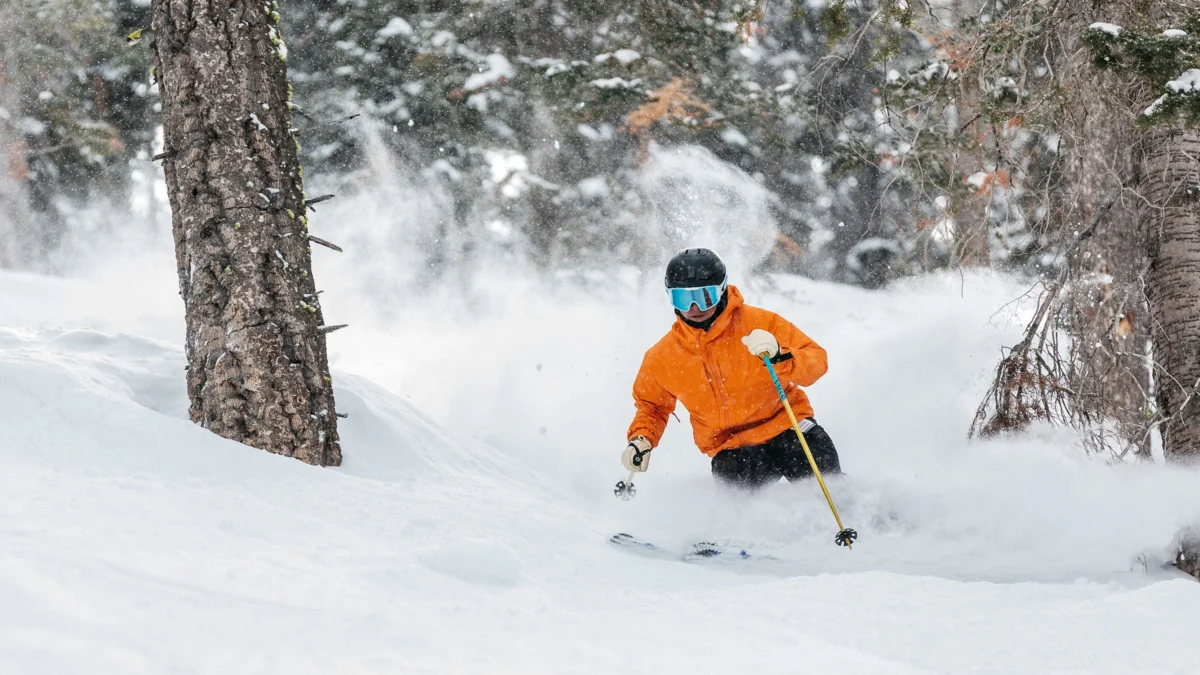
 Sagoh
Sagoh
 Ali Ikhwan
 Jia Lissa
 Neng Nana
 Dwi Wanna