
 Nana
Nana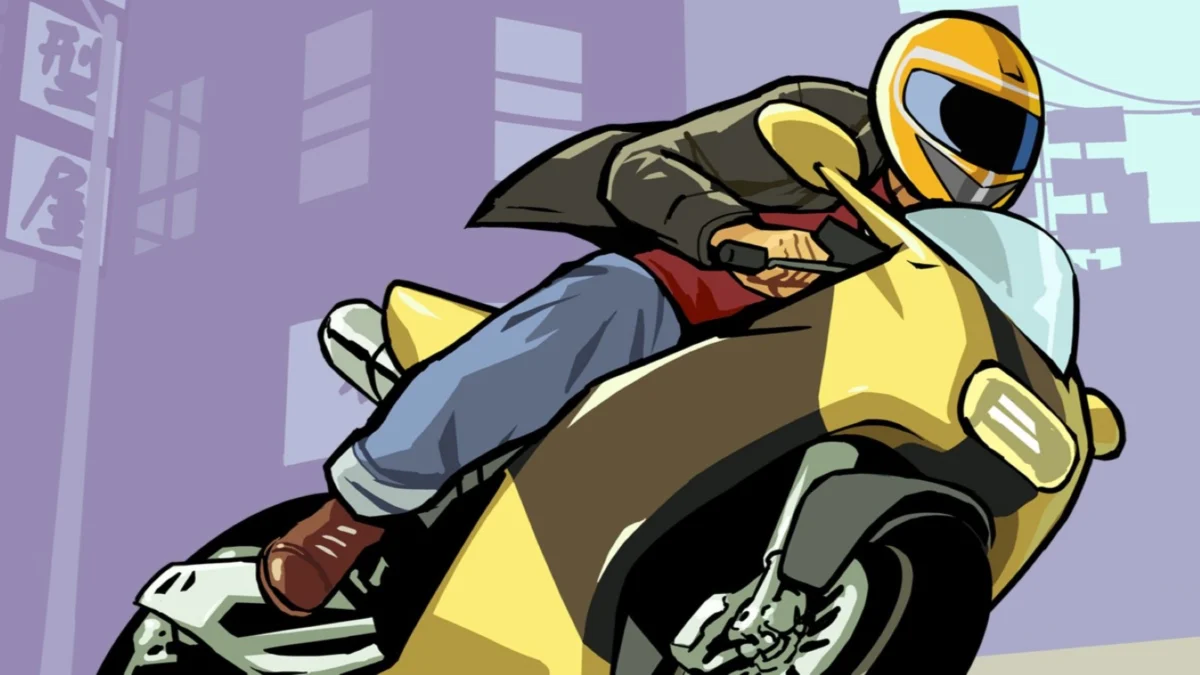
For decades, the Grand Theft Auto franchise has been synonymous with the hyper-real, satirical depiction of the American Dream. From the sun-drenched, neon-soaked boulevards of Vice City to the grime and ambition of Liberty City, Rockstar Games has built an empire on the back of its unmistakable take on the United States. Yet, beneath the asphalt of these iconic maps lies a graveyard of “what-ifs.” Among these, the most tantalizing ghost is GTA: Tokyo.
Fresh revelations from former Rockstar North technical director Obbe Vermeij have finally peeled back the curtain on this ambitious, ultimately doomed project. Through a candid interview with Thunderpick, Vermeij has provided the most granular look yet at how the studio once planned to transport its signature brand of open-world chaos to the heart of Japan.
The Vision: A Samurai-Fueled Expansion
The concept of GTA: Tokyo was not merely a rumor whispered in the halls of Rockstar North; it was a project in active, if early, development. According to Vermeij, the ambition was to leverage the core mechanics that made GTA III a cultural phenomenon while injecting the distinct flavor of Japanese urban life.
The gameplay loop would have remained largely faithful to the established Grand Theft Auto formula—a blend of high-speed vehicular theft, narrative-driven missions, and open-world exploration. However, the setting necessitated a departure in combat dynamics. One of the most significant proposed additions was the integration of katana-style melee combat, with Vermeij confirming that “samurai swords were going to play a big part” in the experience. This would have marked a significant shift for the series, which, at the time, was primarily focused on gunplay and vehicular combat.
Chronology of an Abandoned Ambition
To understand why GTA: Tokyo fell by the wayside, one must look at the structural philosophy of Rockstar Games during the mid-2000s. The studio was in an era of rapid experimentation. Following the success of the 3D-era GTA titles, the company’s New York office, led by Sam Houser, began scouting international locations to broaden the franchise’s horizons.
The shortlist was as diverse as it was ambitious: Tokyo, Rio de Janeiro, Moscow, and Istanbul. Of these, Tokyo was the furthest along in conceptualization. The proposed development model was strikingly similar to the one employed for the cult classic Bully.
In that instance, Rockstar North provided the internal technology and codebase to Rockstar Vancouver (formerly Barking Dog Studios), allowing them to build the game with a degree of autonomy. The plan for GTA: Tokyo was to identify and commission a Japanese studio to build the game using Rockstar’s proprietary tools. This was intended to ensure an authentic representation of the city—a nuance the Rockstar North team feared they might miss if they attempted the project themselves from Scotland.

However, the logistics of the industry proved to be an insurmountable barrier. “The contracts were never signed,” Vermeij revealed. Despite interest from high-level executives like producer Leslie Benzies and co-founder Sam Houser, the project stalled in the pre-production phase. By the time the legal and logistical framework for such a complex, international collaboration was meant to be solidified, the momentum had dissipated.
Supporting Data: Why Japan?
It is a common misconception among fans that the Yakuza faction’s prominence in GTA III was a deliberate breadcrumb leading toward a Tokyo-based game. Vermeij clarifies that this is historical revisionism; the Yakuza in GTA III were simply a legacy element carried over from the series’ 2D roots.
The actual motivation for GTA: Tokyo was rooted in market strategy. At the time, the Grand Theft Auto series struggled to gain significant traction within the Japanese market. Rockstar believed that a localized development effort—a game built by Japanese developers, for the Japanese audience—would act as a cultural bridge, potentially opening up the territory before the title was exported to the West.
The project also represented a creative challenge. The developers at Rockstar North were, in their own words, “getting drunk together and brainstorming” about the potential for these international cities. The appeal of Tokyo specifically lay in its unique street-racing subcultures and its dense, vertical urban sprawl, which promised a verticality that the horizontal expanse of Liberty City had yet to fully master.
Official Responses and Internal Reflections
The failure to bring GTA: Tokyo to fruition is a point of reflection for those who were inside the room at the time. Vermeij admits that the modern landscape of game development has made such experimental spin-offs significantly less viable.
“The problem really is that it’s so hard to commit to something when you’re creating a game, especially at the scale of a GTA game,” Vermeij noted.
The financial stakes have escalated exponentially. In the early 2000s, a project could be pivoted or canceled with relatively contained losses. Today, with the sheer scale of assets required for a modern Grand Theft Auto title—which Vermeij estimates could cost upwards of $2 billion to produce—the appetite for risk has vanished. The company is, as Vermeij has previously suggested, effectively “stuck” in America.

The exaggerated, satirical nature of American culture provides a comfort zone that is both easily parodied and globally recognized. As the industry moves toward hyper-realism and massive, multi-year production cycles, the ability to pivot to a foreign market is a luxury that the current corporate structure of AAA gaming can no longer afford.
The Implications: A Future Locked in the US
The legacy of GTA: Tokyo serves as a sobering reminder of the constraints of modern blockbuster development. While the community continues to dream of a GTA title that leaves the borders of the United States, the reality is that the series has become a prisoner of its own success.
With GTA 6 set to return to the familiar, humid streets of Vice City and the surrounding state of Leonida, it is clear that Rockstar is leaning into its strongest intellectual property assets. Recent leaks suggesting that content like Liberty City was considered for GTA Online further underscore a strategy of expansion rather than reinvention.
If there is a lesson to be learned from the discarded folders of the GTA: Tokyo project, it is that the "Golden Age" of Rockstar’s experimental phase—where a team could dream up a project based on a night of drinking and a desire to explore a new culture—has passed. The studio’s focus is now entirely on the refinement of the American satirical experience.
For now, the samurai swords of Tokyo remain a relic of a time when the biggest challenge wasn’t the cost of the game, but the logistics of the contract. As players count down to the November 19, 2026, release of GTA 6, they are witnessing the result of a studio that has decided to perfect its own backyard rather than risk building a new house in a foreign land. The lost dream of GTA: Tokyo stands as a testament to an era of unbridled ambition—a ghost that continues to haunt the high-octane streets of the franchise’s American heartland.


 Pevita Pearce
 Reynand Wu
 rifanmuazin
 Laily UPN
 Asro
Asro
 Muslim