
 Lina Irawan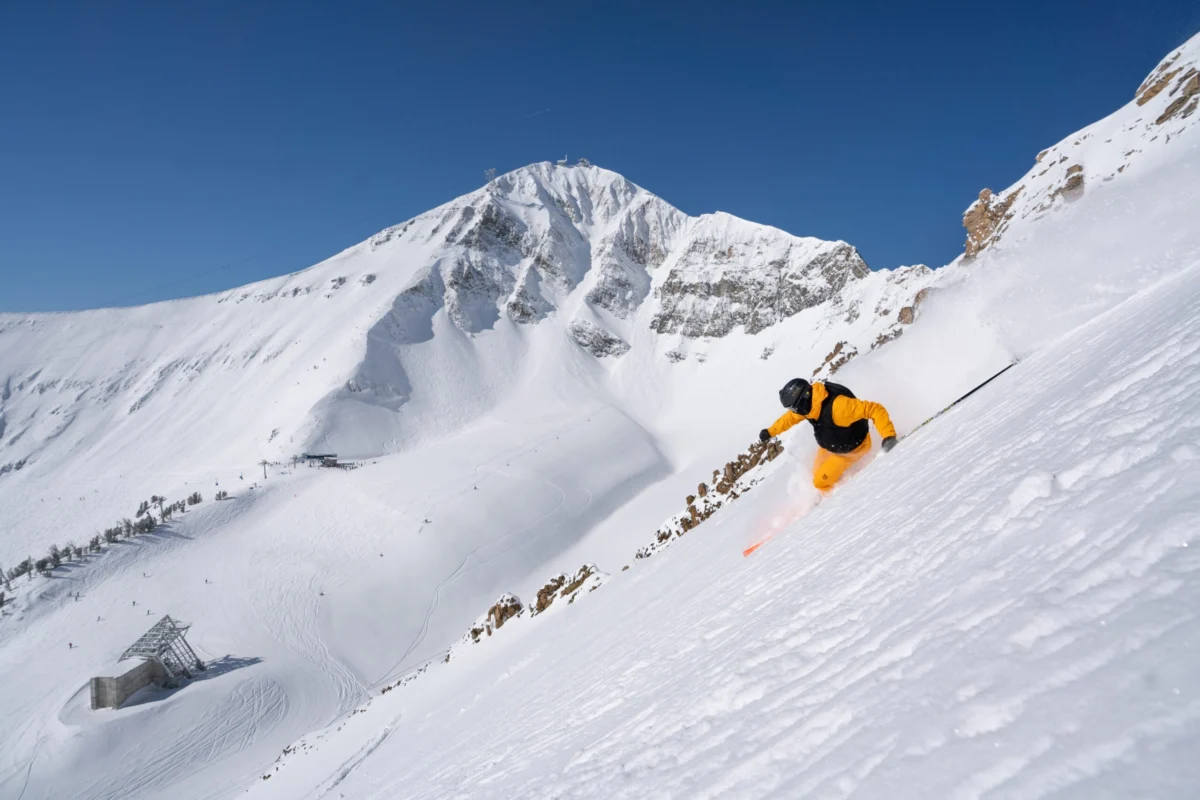
Updated September 2, 2026
For anyone who has spent time on the slopes, the moment is intimately familiar: you find yourself perched precariously at the precipice of a descent. Your ski tips hang out over the drop, your eyes scan nervously for hidden hazards, and a silent mental debate begins. Do you drop in, trusting your technique and nerve, or do you take the ego-saving detour back to the familiar comfort of a groomed cruiser?
Historically, that critical decision has boiled down to three variables: the prevailing snow conditions, your instantaneous confidence level, and the trail’s official difficulty rating. But what happens when you look at the trail map and encounter a rating that defies the traditional rubric—a symbol you have never seen before?
For generations, North American skiers have relied on a universally understood color-coded and geometric difficulty progression: the gentle green circle for beginners, the moderate blue square for intermediates, and the formidable single black diamond for experts. Yet, in recent years, a handful of pioneering ski areas across the United States and Canada have shattered this paradigm, introducing an elite, highly intimidating category reserved exclusively for their most severe, high-consequence terrain: the triple black diamond.
Main Facts: Decoding the Triple Black Diamond
The introduction of the triple black diamond represents a seismic shift in how ski resorts communicate risk, typography, and mountain safety. While a single black diamond has long signaled advanced or expert terrain, and double black diamonds denote extreme exposure, cliffs, and mandatory-air sections, the triple black diamond goes a step further. It warns skiers that a mistake is not just a fall—it could be a catastrophic, unarrested tumble into rocky terrain, dense timber, or impassable cliff bands where rescue operations are exceptionally dangerous or even impossible.
However, unlike highway speed limits or standardized testing scores, the ski industry operates on a strictly localized grading curve.
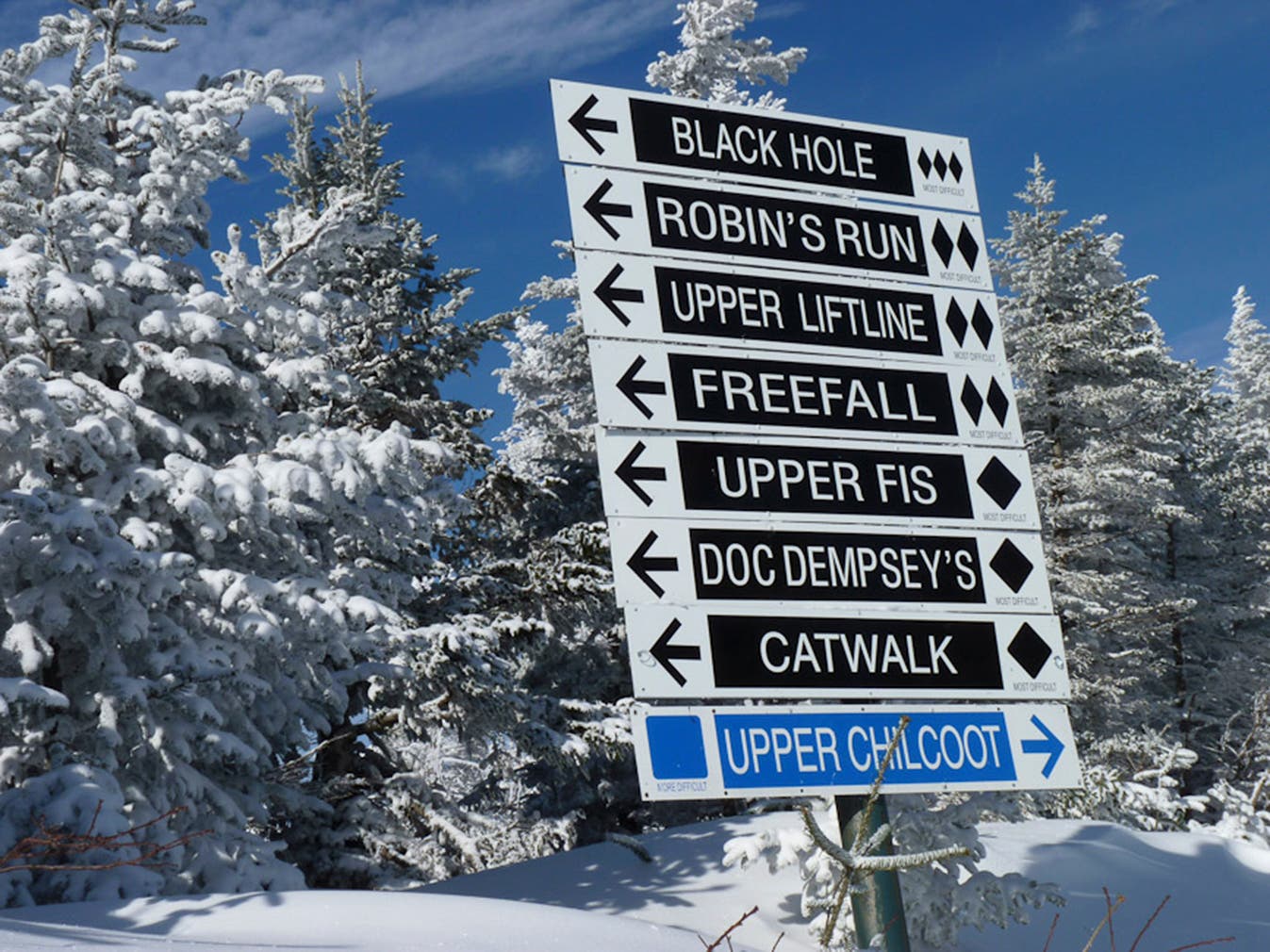
"Terrain ratings are always relative to the mountain you’re skiing," explains Matt McCawley, content media specialist at Smugglers’ Notch Resort in Vermont.
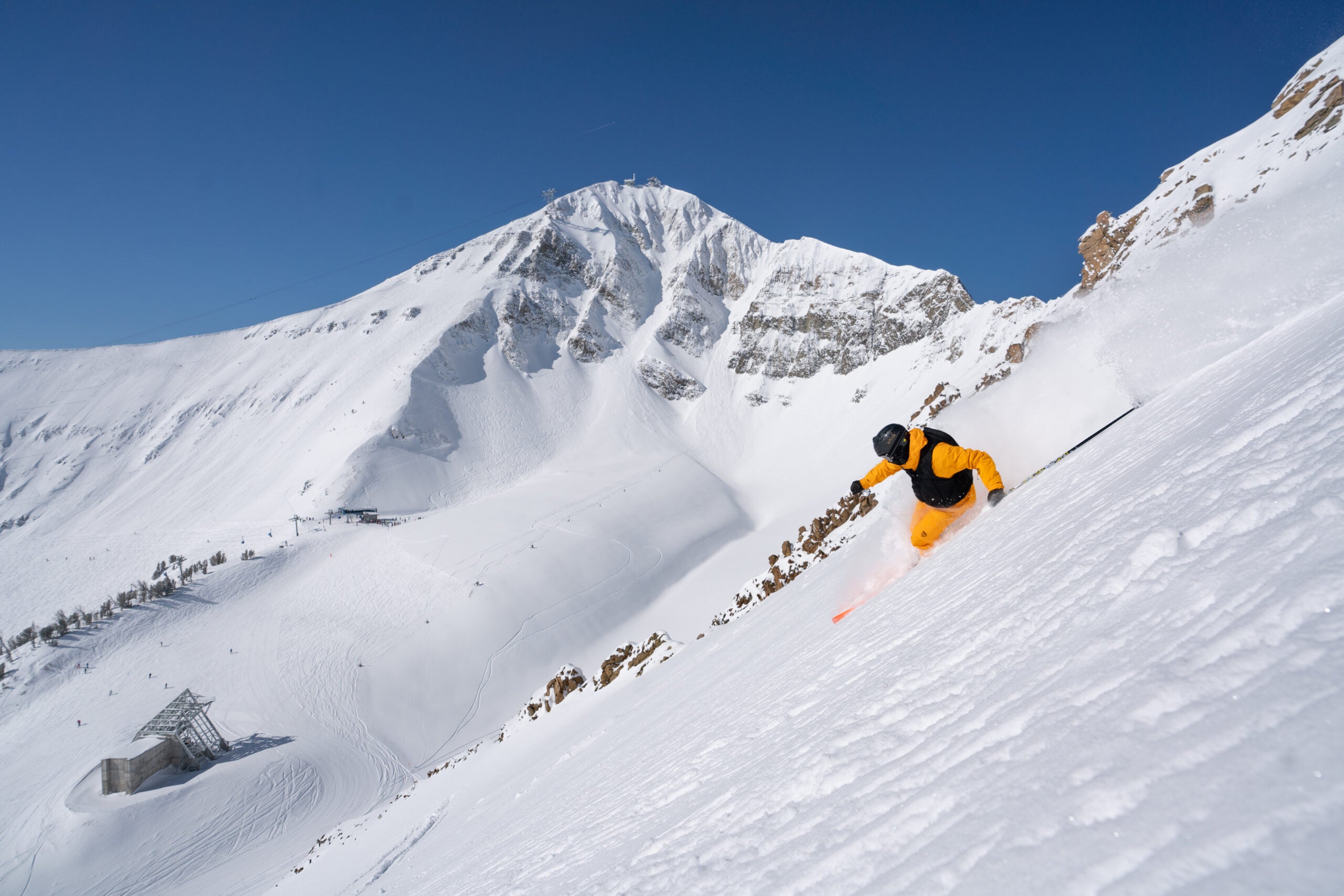
A triple black diamond at an Eastern resort like Smugglers’ Notch does not inherently feature the massive alpine bowls, extreme high-altitude exposure, or sprawling cliff bands found at Western giants like Jackson Hole or Big Sky. Instead, an Eastern triple black diamond translates to a different kind of psychological and physical torment: impossibly tight tree spacing, sheets of unforgiving blue ice, natural terrain traps, and a complete absence of bailout options.
Regardless of whether the mountain is located in the rugged Rocky Mountains, the icy peaks of New England, the dense woods of the Midwest, or the rolling hills of Quebec, the triple black diamond serves a singular purpose: to accurately and unambiguously mark the absolute limit of what that specific resort has to offer.
Chronology: A Brief History of the Ultra-Expert Rating
The evolution of the ski trail rating system has been remarkably slow, reflecting a traditionally conservative industry. For decades, the standard progression stopped at the single black diamond. It wasn’t until the late 1980s and 1990s—fueled by the rise of aggressive freeride skiing, extreme snowboarding, and technological advancements in equipment—that resorts began adopting double black diamonds and descriptive warnings like "Extreme Limits" to manage liability and inform guests.
The timeline of the triple black diamond specifically highlights a growing necessity for granular risk communication:
- 2004 (Smugglers’ Notch, Vermont): Smugglers’ Notch officially places a beloved, previously unmarked and underground local stash onto its official trail map. Recognizing its extreme technical difficulty, the resort baptizes it "The Black Hole" and assigns it a revolutionary three-black-diamond rating. It stands for fifteen years as a rare anomaly in North American cartography.
- 2019 (Big Sky Resort, Montana): Recognizing the massive surge in extreme alpine skiing off the iconic Lone Peak Tram, Big Sky formally adopts the triple black diamond rating system. Rather than just one isolated run, Big Sky applies the three-diamond classification to nearly every single descent accessible from the summit of Lone Peak, fundamentally changing how high-consequence terrain is marketed and managed.
- Present Day (Multi-Regional Adoption): Independent and specialized resorts such as Mount Bohemia in Michigan and Mont Sutton in Quebec have embraced similar ultra-expert classifications to contextualize their unique topography, proving that the triple black diamond is slowly carving out a permanent, if selective, place in modern snowsports culture.
Supporting Data: Examining the Extreme Terrain Landscape
To understand why certain resorts require a triple black diamond designation, one must examine the statistical makeup of their overall trail portfolios. At a typical commercial ski resort in North America, expert terrain (single black diamonds) might account for 20 to 30 percent of the total acreage. Double blacks and extreme terrain occupy an even smaller percentage.
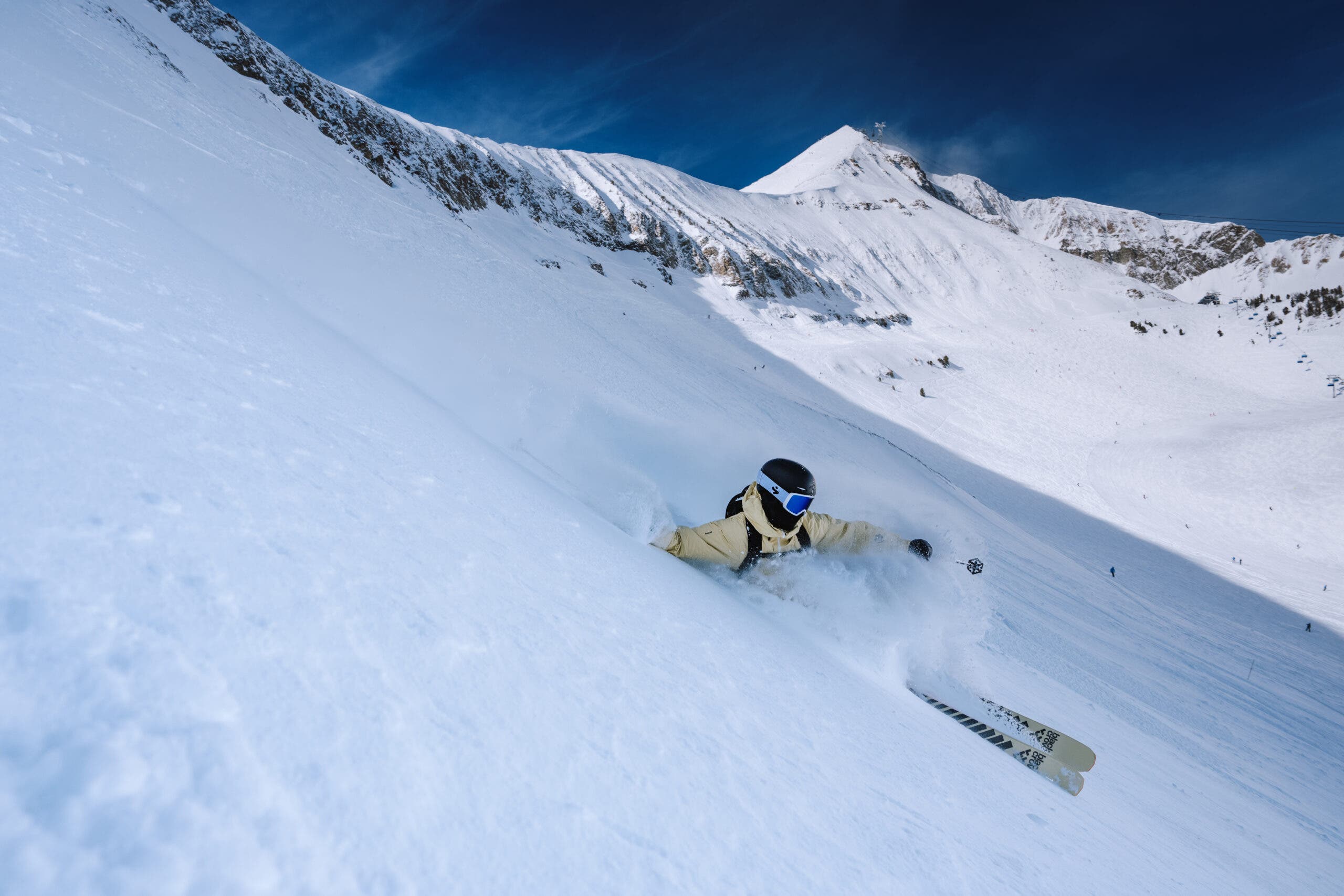
However, the resorts that have embraced the triple black diamond shatter these conventional ratios:
| Resort | Location | Expert Terrain Percentage | Notable Triple Black Runs | Defining Hazards |
|---|---|---|---|---|
| Big Sky Resort | Montana | ~50% (Upper Mountain) | Big Couloir, Upper A-Z Chutes | High-consequence alpine, extreme exposure, mandatory air. |
| Smugglers’ Notch | Vermont | ~15% (Expert specific) | The Black Hole | Tight glades, sheet ice, natural bobsled/luge troughs. |
| Mount Bohemia | Michigan | 90%+ (Entire Resort) | Rabbit Hole, Extreme Backcountry | Unmarked cliffs, tree stumps, lake-effect snow pockets. |
| Mont Sutton | Quebec | ~45% (Advanced/Expert) | Upper Bou-Bou, Etonnoir, Crocodile | Hidden tree wells, dense glading, raw drop-ins. |
Official Responses and Resort Perspectives
Resort operators and marketing teams walk a fine line when introducing ultra-expert trail ratings. On one hand, they must deter unqualified skiers from entering terrain where they could easily sustain life-altering injuries. On the other hand, they must avoid turning the trail map into a marketing gimmick that attracts reckless adrenaline-seekers looking for a thrill-seeking badge of honor.
When Big Sky rolled out its triple black designation in 2019, resort leadership was explicit about their motivations. According to official communications from Big Sky Resort, the methodology behind awarding three diamonds was established to clearly communicate "the risks of skiing high alpine, high-consequence terrain."
The resort’s safety and trail-mapping committees formulated a strict rubric based on objective criteria, including "exposure to uncontrollable falls along a steep, continuous pitch, route complexity, and high-consequence terrain." Furthermore, Big Sky designated several of these zones—such as the intimidating Big Couloir and the Upper A-Z Chutes—as "managed access" areas. Skiers must carry specific safety gear (such as beacons, shovels, and probes) and, in some cases, check in with ski patrol before dropping in, ensuring that patrol teams are aware of who is in the zone should an emergency occur.
At Smugglers’ Notch, the motivation was similarly rooted in practical risk mitigation. Matt McCawley emphasizes that the terrain dictating The Black Hole’s rating is fundamentally psychological as much as it is physical.
"We felt its rating needed to reflect the additional difficulty that comes with skiing terrain that steep and technical through tight Vermont woods," McCawley explains.
"It’s really a maze of different lines through the woods. Every turn requires control because there aren’t many bailout options. Once you’re committed to a line, you’re often committed for a while. As the season progresses, some of those lines can develop almost a bobsled or luge character, where the terrain starts dictating where you’re going next."
Implications: The Future of Mountain Safety and Trail Signage
The proliferation—and potential future standardization—of the triple black diamond raises important questions for the broader snowsports industry. As ski resort visitation numbers reach record highs and the average skill level of resort guests diversifies, clear communication is paramount.
The Psychology of Risk
Trail ratings are psychological contracts between the resort and the skier. When a skier sees a green circle, they feel safe. When they see a black diamond, they feel challenged. When they see a triple black diamond, the psychological message is unmistakable: Enter at your own absolute risk. This messaging helps curb the "over-terrain-ed" ego of intermediate skiers who might blindly follow friends into hazardous zones simply because a trail was labeled with a single black diamond.
Search and Rescue Realities
From an operational standpoint, triple black diamonds carry heavy implications for ski patrol and mountain rescue teams. Many triple black runs—particularly at Big Sky and Smugglers’ Notch—are located in areas where mechanical extraction is impossible. If a skier suffers a compound fracture or a severe head injury in the depths of The Black Hole or the upper reaches of Lone Peak, ski patrollers must execute grueling, high-risk rope rescues in steep, technical terrain. By explicitly branding these zones with three diamonds, resorts hope to drastically reduce the frequency of preventable rescue operations.
Will There Ever Be a Universal Standard?
Despite the growing adoption of the triple black diamond, the ski industry remains staunchly resistant to a universal, governing body for trail ratings. Because snow conditions, weather patterns, and mountain geomorphology vary so wildly from coast to coast and country to country, a universal standard is likely impossible. A triple black diamond in Michigan’s Upper Peninsula looks vastly different from a triple black diamond in the Montana Rockies or the Swiss Alps.
Ultimately, the burden of judgment still rests where it always has: with the skier standing at the edge of the drop. The triple black diamond does not make the mountain any safer, nor does it replace common sense. Instead, it serves as a stark, welcome reminder that the mountains operate on their own terms—and that some doors, once opened, demand absolute mastery to survive.


 rifanmuazin
 Suro Senen
 Laily UPN
 Nana
Nana
 Lina Hope
 Evan Lee Salim
 Asro
Asro
 Ali Ikhwan