
 Suro Senen
By Global Ski Wire
Updated September 3, 2026
Main Facts: A Banner Winter Down Under
While the southern hemisphere’s ski season typically winds down as September arrives, a historic winter storm cycle has upended the traditional alpine calendar. Driven by relentless Pacific storm systems pounding the high peaks, the Andes are experiencing a monumental snow year. The result is an extended life for South America’s premier ski resorts, with several major destinations pushing their closing dates well into October.
For skiers in North America—some of whom are already catching glimpses of early-season flakes in regions like Mt. Bachelor—the message is clear: winter is far from over if you are willing to look south. Consecutive storm cycles have blanketed the high-alpine terrain of Chile and Argentina, building deep, stable snowpacks that guarantee exceptional powder skiing weeks beyond the normal closing window.
Rather than shutting down lifts as the calendar flips to spring, key resorts in the Tres Valles region of Chile, along with powder havens further south and across the border in Argentina, have announced dramatic season extensions. This rare convergence of heavy late-winter snowstorms and deep bases has transformed September into a prime-time month for international ski travel.
Chronology of the Storm Cycles: How the Record Winter Unfolded
The making of this historic 2026 ski season was forged through a series of meteorological events that began mid-winter and intensified just as the season was supposed to be concluding.
Mid-July: The Mega-Storms Hit
The turning point for the season occurred in mid-July. While conditions were already favorable, a ferocious five-day storm cycle slammed the central Andes, dumping staggering amounts of snow in rapid succession. Ski Portillo, renowned for its steep runs and iconic yellow hotel, recorded an unbelievable 128 inches (over 10 feet) of snow during this single block of storms. This heavy accumulation laid a foundational base that would prove nearly impossible to melt out, setting the stage for what was to come.
Late August: The Final Push
Just as resorts were preparing for a standard late-September wind-down, a secondary series of robust storm cycles swept across the Andes in late August. This late-stage barrage brought fresh powder and pushed seasonal totals to unprecedented heights.
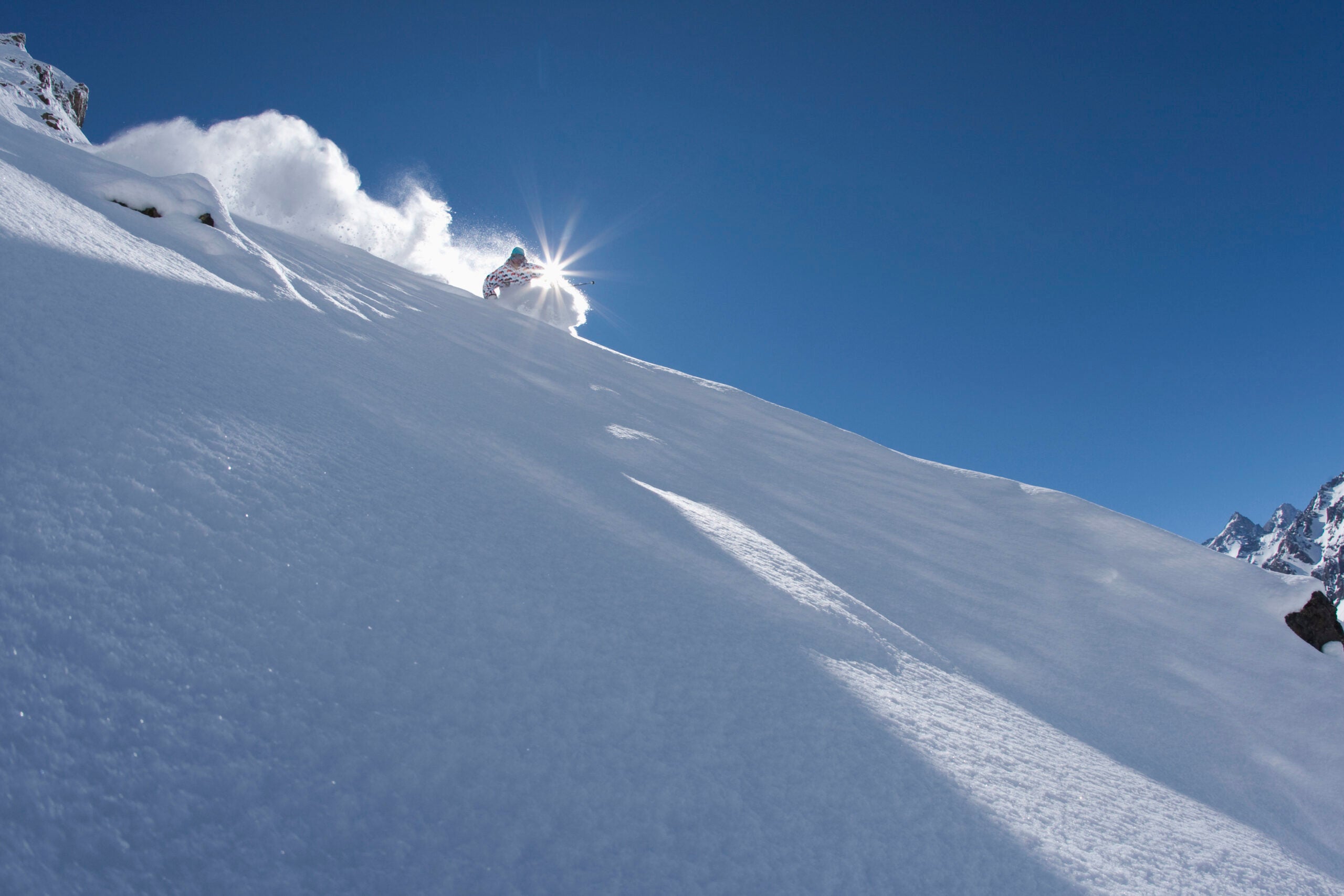
- Cerro Catedral, situated near Bariloche, Argentina, caught the brunt of a late-August system that dumped a rapid 24 inches of fresh snow. The intensity of the storm was such that local avalanche control teams temporarily raised the avalanche danger rating to "High," forcing temporary terrain closures to ensure skier safety before opening up vast fields of untracked powder.
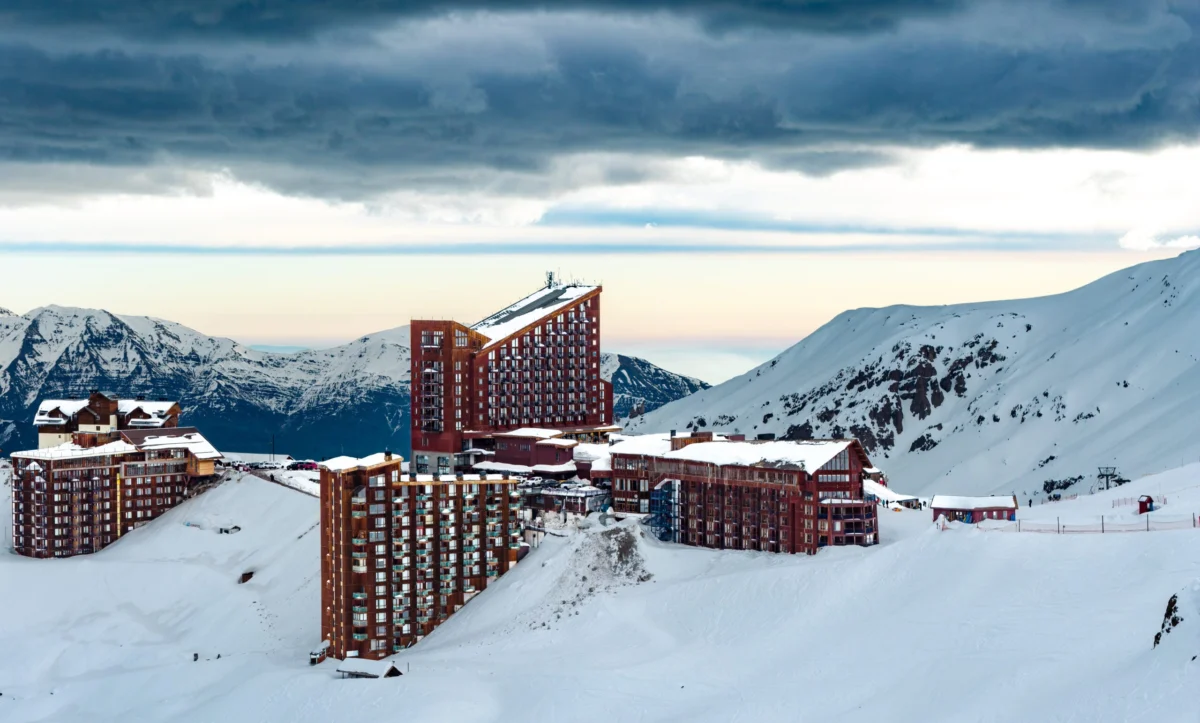
- Valle Nevado, just outside Santiago, received another massive injection of moisture during this same window, pushing its cumulative seasonal snowfall past the 17-foot mark and forcing resort executives to rethink their operational calendars entirely.
Supporting Data: By the Numbers
The metrics coming out of the Andes this season read like a powder hound’s wishlist. A closer look at the data highlights the sheer volume of snow that has fallen across the key destinations keeping their lifts spinning:
- Valle Nevado, Chile: Surpassed 204 inches (518 cm / 17 feet) of cumulative seasonal snowfall by late August, with more flakes in the forecast. New closing date: October 18.
- Ski Portillo, Chile: Amassed more than 25 feet (300+ inches) of total snowfall since mid-July, highlighted by a single 128-inch five-day storm cycle. New closing date: October 11.
- El Colorado, Chile: Shattered expectations with over 290 inches of total snowfall for the season, making it one of the absolute snowiest major resorts in the Andes. New closing date extended from September 27 to October 12.
- Corralco, Chile: Located on the slopes of the Lonquimay Volcano, this southern resort boasts over 160 inches of seasonal snowfall with a base depth approaching a massive 10 feet. It routinely stays open into late October or early November.
- Cerro Catedral, Argentina: Benefited from steady storm tracks, including a late-August 24-inch dump, keeping its terrain viable through early October—a hallmark of its reliable, long-season operations.
Official Responses and Resort Reactions
The unprecedented weather has prompted immediate reactions from resort management, tourism boards, and local hospitality operators across the Andes.
Resort executives, typically busy planning for off-season maintenance and summer operations by early September, have had to pivot quickly to accommodate the unexpected influx of late-season bookings. Operations teams have been redeployed to manage avalanche mitigation, lift maintenance, and extended snow removal on access roads.
"We haven’t seen conditions like this persist so late into the spring in years," noted a resort operations spokesperson in the Santiago region. "When you sit on a cumulative base approaching 20 to 25 feet, closing the lifts on a calendar date simply doesn’t make sense. We owe it to our guests—and the mountain—to keep operations running safely as long as the snow holds."
Tourism boards in Santiago and Bariloche have also responded enthusiastically. Recognizing the unique marketing opportunity, regional travel agencies have launched aggressive late-season campaigns targeted squarely at North American and European skiers suffering from pre-winter withdrawal. With accessible flight routes and empty midweek slopes, resorts are actively positioning October as the secret "fifth month" of the South American ski calendar.
Implications for International Travelers and the Ski Industry
The historic 2026 Andean snowpack carries significant implications for both traveling skiers and the broader international ski ecosystem.
1. A Blueprint for "Endless Winter" Travel
For destination skiers, the extension of the South American season blurs the traditional boundaries between winter and summer travel. Historically, skiers looking to bridge the gap between North American spring closures and the autumn wait for the next season had to rely on limited glacial skiing in Europe or expensive heli-skiing operations.
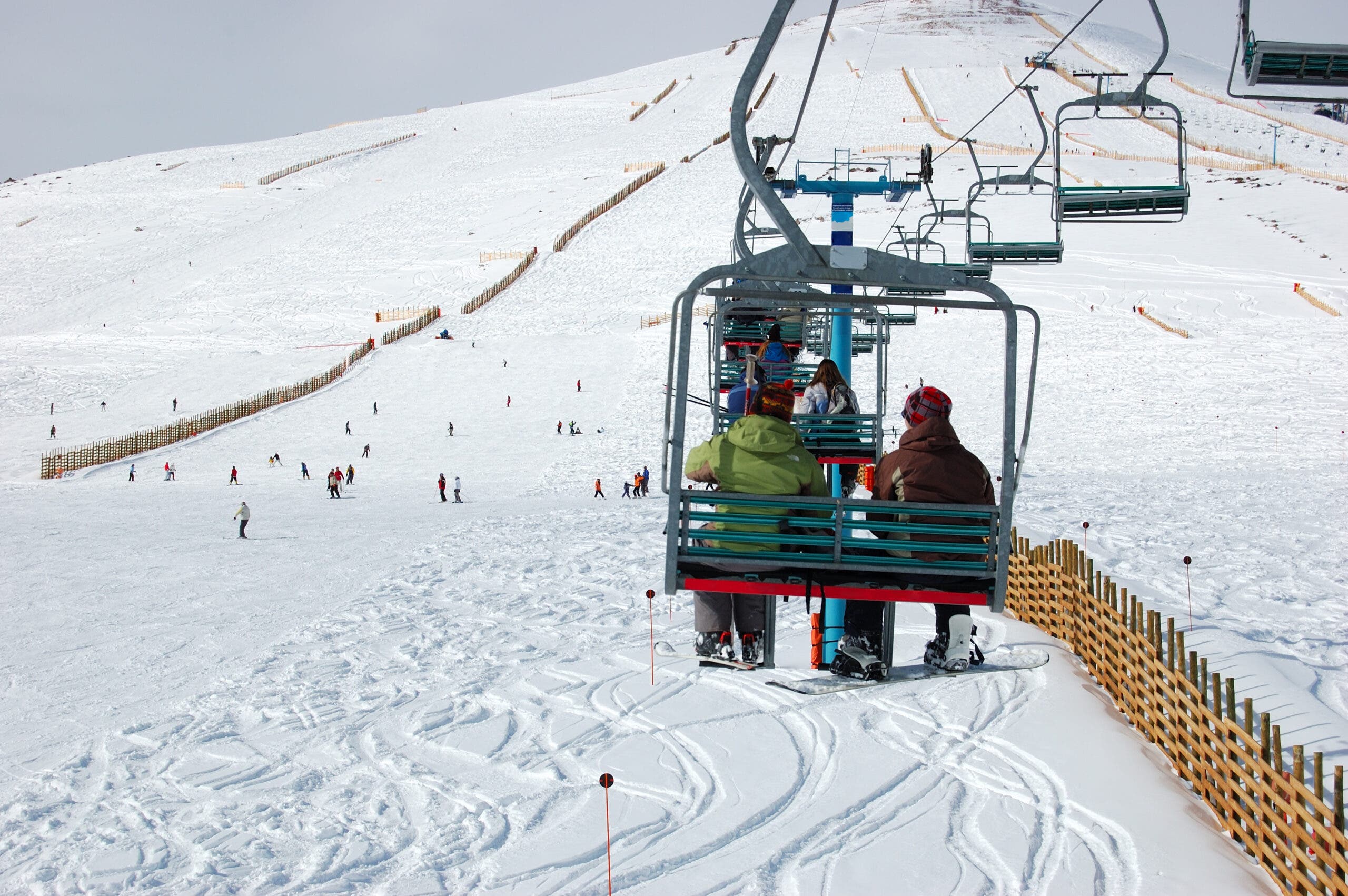
The fact that major, fully amenitized resorts like Valle Nevado, El Colorado, and Portillo are offering full-scale operations well into mid-October changes the game. Travelers can now book a trip to Chile with a high degree of confidence that they will find deep-winter conditions, fully operational high-speed lifts, and open resort amenities months after their home mountains have closed.
2. Logistical Advantages for North American Visitors
Proximity remains one of the greatest selling points for these late-season trips. Valle Nevado and El Colorado are located less than two hours from Santiago’s international airport. This means a traveler can board a red-eye flight from Miami, Dallas, or Atlanta, land in Chile in the morning, and be carving fresh powder turns in the high Andes by the afternoon.
Portillo offers a different, highly coveted alpine experience. Known for its legendary yellow hotel, single-base architecture, and strict capacity limits that prevent overcrowded slopes, a late-season pilgrimage to Portillo offers a communal, lodge-centric ski culture that is increasingly rare in North America.
3. Economic and Environmental Shifts
From an economic standpoint, the extended season delivers a much-needed financial windfall to local hotels, restaurants, ski schools, and transport providers in Chile and Argentina. Following years of unpredictable weather patterns influenced by global climate fluctuations, a high-snow, long-season year provides economic stability to mountain communities that depend heavily on snow tourism.
Environmentally, the deep snowpack serves as a crucial reservoir for the region. While the primary driver for skiers is the thrill of October powder, the heavy accumulation of snow in the high Andes helps sustain water supplies for the valleys below as the spring and summer melt progresses.
Looking Ahead: How to Plan Your Late-Season Trip
If you are inspired by the historic snow reports coming out of the southern hemisphere, acting quickly is essential. While resorts have pushed their closing dates into October, operations remain dependent on weather stability, snowpack conditions, and guest volume.
- Valle Nevado welcomes skiers through October 18.
- El Colorado is scheduled to keep lifts turning until October 12.
- Ski Portillo will wrap up its extended season on October 11.
- Corralco and Cerro Catedral offer reliable paths for late September and early October turns, weather permitting.
Pack your widest powder skis, check your passport expiration date, and prepare to experience the rarest of alpine luxuries: deep winter turns when the rest of the world is trading parkas for shorts.

 Siti Muinah
 Iffa Jayyana
 rifanmuazin
 Ali Ikhwan
 Dwi Wanna
 Raul Delapena Setiawan
 Laily UPN
 Ammar Sabilarrohman