
 Ammar Sabilarrohman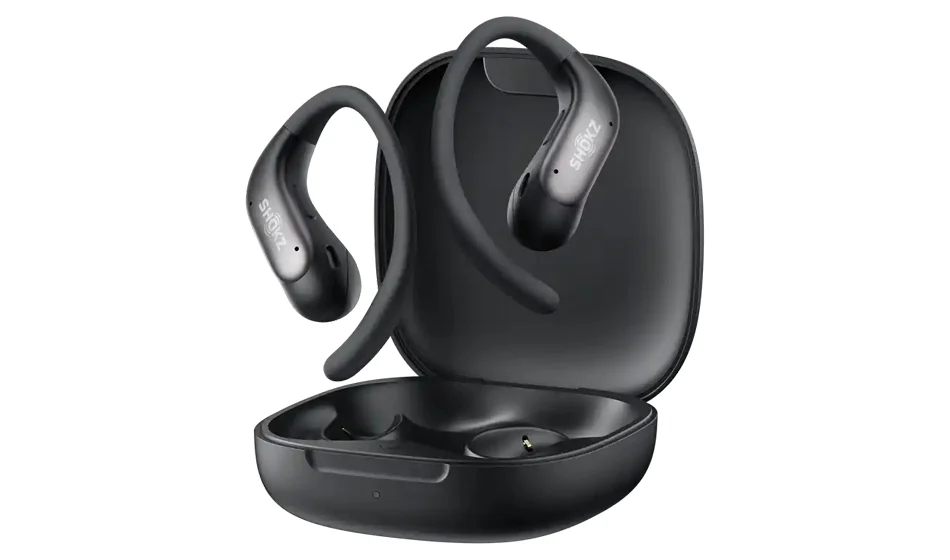
Main Facts
As running continues to evolve from a fundamental, low-barrier sport into a technologically integrated discipline, the market for supplementary gear has expanded dramatically. Today’s runners rely on far more than just a sturdy pair of trainers; they require sophisticated tools for data tracking, physical recovery, content creation, and indoor endurance building.
A comprehensive look at six distinct products highlights the diverse landscape of modern running technology. Spanning a massive price range—from a £19.99 magnetic power bank to a £3,299 professional-grade home treadmill—this curated selection addresses the multifaceted needs of contemporary athletes. Whether navigating urban marathons, recording trail adventures, or surviving brutal winter training blocks indoors, these products represent the cutting edge of running innovation across audio, power, recovery, navigation, and hardware.
Chronology and Evolution of Running Tech
To understand where running technology stands today, it is helpful to look at how runners have historically equipped themselves.
- The Pre-Digital Era (Pre-1980s): Training was largely intuitive. Runners relied on mechanical stopwatches, paper training logs, and basic analog wristwatches. Pacing was calculated manually using measured routes or track distances.
- The GPS Revolution (Late 1990s – 2010s): The introduction of consumer-grade Global Positioning System (GPS) technology transformed training metrics. Watches evolved from bulky wrist computers into sleek, satellite-connected devices that tracked pace, distance, and basic heart rate.
- The Connected and Integrated Era (2020s – Present): Today, running gear is defined by ecosystem integration. Open-ear audio devices allow athletes to stream music while maintaining situational awareness; dual-band GPS watches provide pinpoint accuracy in dense urban environments; and compact recovery tools make sports science accessible outside the physical therapy clinic. The six products evaluated here reflect this modern era of hyper-connectivity, miniaturization, and specialized performance.
Supporting Data: Product Breakdown and Specifications
To help athletes navigate their options, the six featured products cover varying price points, technical specifications, and specific training use cases.
1. SHOKZ OpenFit Air 2
- Price: £129.00
- Release Date: September 16, 2026 (UK)
- Key Specifications: 7.2g per earbud; nickel-titanium alloy frame; Bassphere driver with 4 preset EQs and 2 custom modes via Shokz App; 8 hours continuous battery life (36 hours total with charging case); 10-minute Quick Charge for 3 hours of playback; IP55 dust and water resistance (IP54 case).
- Analysis: Marking a significant step forward in open-ear audio, these earbuds combine a featherlight, secure ear-hook design with robust durability. By utilizing Shokz’s signature open-ear framework, runners retain complete awareness of ambient traffic and surroundings while enjoying a rich, expansive soundstage.
2. Medisana Mini Massage Gun
- Price: £34.00
- Key Specifications: Compact, travel-friendly design; 6 interchangeable massage heads; 5 adjustable vibration levels; rechargeable USB-C battery offering 2–3 hours of typical operation.
- Analysis: Recovery has shifted from a luxury to an essential pillar of endurance training. This mini massage gun removes the barrier of bulkiness, allowing runners to target tired muscles immediately post-run, whether at home, in a hotel room, or at a race weekend.
3. HAYLOU Watch Hyper Smart Watch
- Price: $85.00
- Key Specifications: Dual-band GPS; offline maps and route backtracking; 1.97-inch AMOLED display; 170+ sports modes; health metrics including heart rate, SpO2, HRV, and VO2 max estimates; 5ATM water resistance; Bluetooth calling and Strava integration; up to 24 days battery life (approx. 1 week of heavy daily training).
- Analysis: Challenging traditional market dominance by legacy brands, the Watch Hyper provides advanced navigation features—such as dual-band GPS and offline maps—at a fraction of the cost, making high-end tracking accessible to budget-conscious runners.
4. XTU S7 Pro 4K Action Camera
- Price: £110.00
- Key Specifications: 1/2-inch 48MP Sony IMX586 sensor; 4K video at up to 50fps; Super EIS 5.0 electronic image stabilization; 360-degree horizon correction; 152-degree ultra-wide lens; front and rear displays; voice control; dual microphones with external wireless mic support.
- Analysis: Tailored for trail runners, race vloggers, and adventure seekers, this camera offers stabilization and high-resolution capture that rivals flagship devices without the exorbitant price tag.
5. Groov-e 5000mAh Magnetic Power Bank
- Price: £19.99
- Key Specifications: MagSafe-style magnetic wireless charging; USB-C input/output; 149g weight.
- Analysis: While unassuming, this portable charger solves a critical modern dilemma: preventing dead phone batteries during long excursions or commutes. Its direct-attachment magnetic design eliminates messy cables.
6. NoblePro Elite E10i Treadmill
- Price: £3,299.00
- Key Specifications: 4.2HP DC motor; maximum speed 22km/h; 16% incline adjustment; large running deck; 15.6-inch HD touchscreen; platform integration (Zwift, Rouvy, Peloton, Kinomap, BitGym, Kinni); entertainment app access (Netflix, YouTube, Prime Video, Spotify).
- Analysis: Built for serious indoor training, this machine provides the speed and gradient headroom required for elite-level interval and hill workouts, while its deep virtual software integration combats psychological treadmill fatigue.
Official Insights and Expert Commentary
Industry analysts and product testers emphasize that the running gadget market is moving toward democratization and multi-functionality.
"Runners today no longer have to choose between financial prudence and advanced performance metrics," notes fitness tech analyst Marcus Vance. "We are seeing features that were once exclusive to high-end, premium tiers—such as dual-band GPS in the HAYLOU Watch Hyper or sophisticated stabilization in the XTU action camera—trickle down into accessible price brackets. Conversely, specialized high-end gear like the NoblePro Elite E10i proves that indoor training is no longer viewed as a compromise, but as an immersive, highly digitized extension of outdoor training."
Furthermore, audio safety experts have praised the ongoing refinement of open-ear technology. The proliferation of devices like the Shokz OpenFit Air 2 highlights a growing industry consensus that runners should never have to sacrifice situational awareness to enjoy high-fidelity audio during training sessions.
Implications for the Modern Runner
The implications of this diverse technological wave are profound for both recreational and competitive runners.
- Lowering the Barrier to Entry: Affordable innovations—such as the HAYLOU smartwatch and Medisana massage gun—democratize access to sports science. Runners operating on tight budgets can now monitor physiological strain, execute precise navigation, and accelerate muscle recovery without prohibitive investments.
- Redefining Indoor Training: Premium hardware like the NoblePro Elite E10i transforms winter training from a monotonous chore into an interactive, gamified experience. By blending physical resistance with virtual worlds (Zwift, Rouvy) and entertainment streams, the psychological friction of treadmill running is significantly reduced.
- The Rise of the Content-Creating Athlete: With affordable action cameras and lightweight power banks readily available, documenting running journeys has become seamless. Trail runners and marathoners can effortlessly share their experiences, fostering broader digital communities and altering how running culture is consumed globally.
Ultimately, whether an athlete is seeking to protect their hearing outdoors, navigate unfamiliar city streets, recover efficiently after a hard session, or log serious miles through the darkest winter months, today’s running technology ecosystem offers tailored, effective solutions for every runner’s unique journey.


 Iffa Jayyana
 Nana Wu
 Suro Senen
 Nana Muazin
 Asro
Asro


 Dwi Wanna