
 Basiran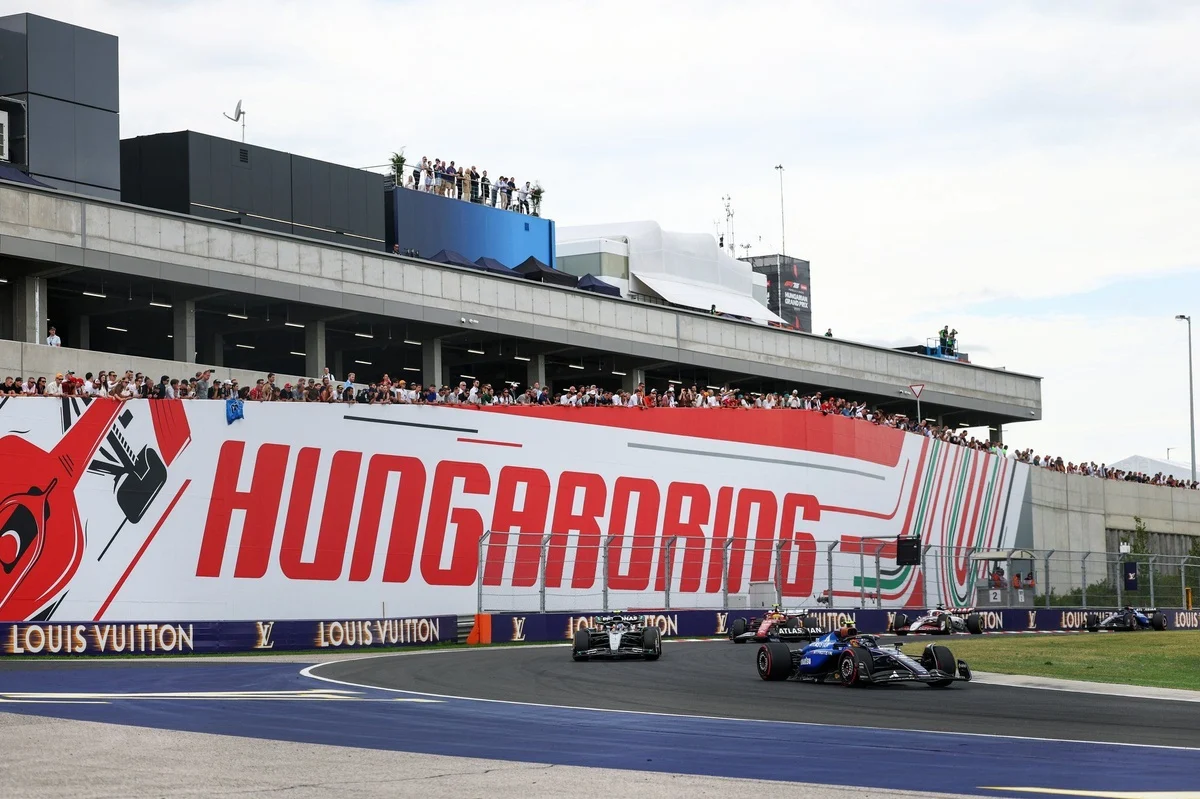
As the Formula 1 circus descends upon the sun-drenched, winding asphalt of the Hungaroring, the paddock finds itself at a critical junction. This weekend’s Hungarian Grand Prix serves as the eleventh round of the 2026 championship, acting as the final act before the mandatory summer shutdown. Following a condensed calendar necessitated by the unfortunate mid-season cancellations of the Bahrain and Saudi Arabian Grands Prix, this race represents the true halfway point of a campaign that has been as unpredictable as it has been demanding.
With the championship narrative beginning to crystallize, the pressure in Budapest is palpable. For some, it is a final opportunity to salvage a crumbling title bid; for others, it is a chance to validate recent engineering breakthroughs. As the sport prepares to head to Zandvoort at the end of August, here are the core storylines defining this pivotal weekend.

The Championship Struggle: Can George Russell Mount a Recovery?
The 2026 season has been a story of stark contrasts for George Russell. Having entered the year as the pre-season favorite, Russell’s campaign began in dreamlike fashion with a dominant victory in Melbourne and a strong performance in the Shanghai sprint. However, the momentum has shifted violently toward his Mercedes teammate, the prodigious Kimi Antonelli.
A Tale of Two Teammates
Antonelli’s rise has been nothing short of meteoric. Following a mid-season surge that saw him secure five consecutive Grand Prix victories, the young Italian established a commanding 68-point lead. Russell’s resilience was on full display in the subsequent triple-header, where he clawed back 43 points with podium finishes in Barcelona and Silverstone, complemented by a brilliant win in Austria. Just as the championship battle appeared to be reaching a fever pitch, the Spa-Francorchamps weekend proved disastrous for the Briton. While Antonelli produced a masterclass to secure pole and victory, a first-lap collision between Russell and his former teammate, Lewis Hamilton, left Russell with a DNF and perhaps the most significant blow to his title aspirations to date.
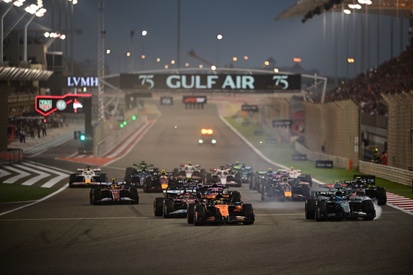
With a 50-point gap now separating the Mercedes duo—and Lewis Hamilton lurking 45 points behind the leader—the title race is shifting from a contest to a coronation. Historians of the sport have drawn parallels to Fernando Alonso’s 2012 campaign, where he held a significant lead into the summer break only to be overhauled by Red Bull’s Sebastian Vettel. However, the crucial difference lies in the machinery; while the 2012 Ferrari was a plucky underdog, the current Mercedes W17 is the clear class of the field. Without an extraordinary change in fortune for Antonelli, the Italian appears to be on an unstoppable trajectory toward his maiden world title.
Technical Analysis: Ferrari’s Opportunity in the Twisties
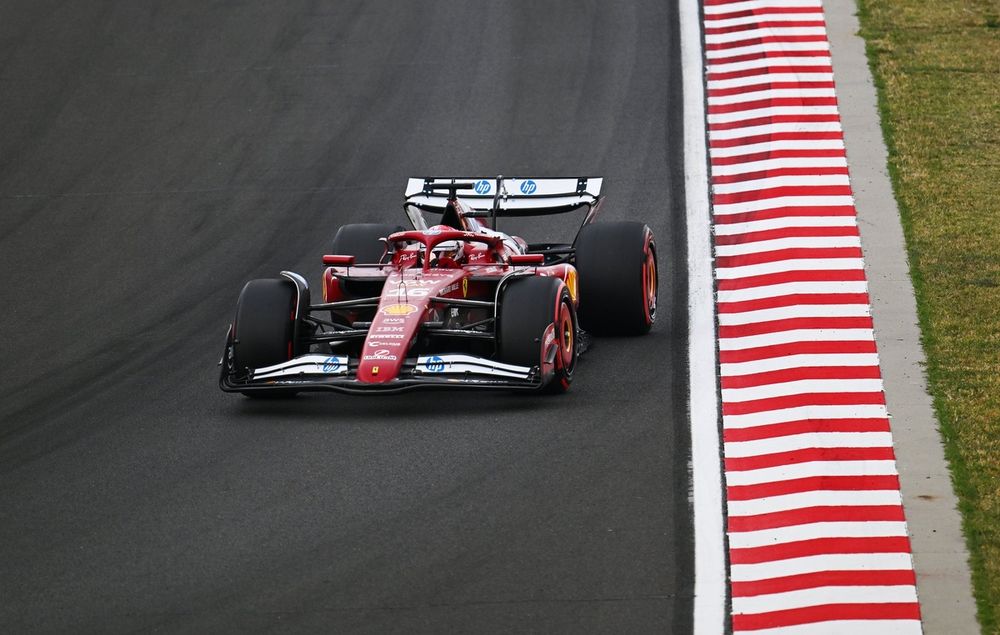
While Mercedes has monopolized the top step of the podium, converting eight of ten pole positions into victories, Ferrari has remained the only consistent thorn in their side. The Maranello-based team, buoyed by successful upgrades to the SF-26, has shown flashes of brilliance, particularly with wins for Hamilton and Charles Leclerc at Barcelona and Silverstone.

The Hungaroring Advantage
Ferrari’s primary struggle throughout 2026 has been a deficit in straight-line speed compared to the formidable Mercedes power unit. However, the Hungaroring’s layout—frequently described as "Monaco without the walls"—minimizes this weakness. With its intricate series of slow-to-medium speed corners, the track rewards chassis balance and aerodynamic downforce over raw power.
The omens for the Scuderia are positive. Both Hamilton and Leclerc have recent history at this circuit, having secured pole positions here in 2023 and 2025, respectively. While beating the raw pace of the Mercedes, and Antonelli in particular, remains a daunting prospect, the Hungarian track offers the most hospitable environment for Ferrari to challenge for a pole position and potentially break the Silver Arrows’ recent stranglehold.

A Return to Normalcy: Moving Past the Energy Crisis
The previous two races at Spa and Silverstone left the paddock in a somber, frustrated mood. While F1’s official fan engagement data suggested an increase in viewership, the internal consensus among drivers and engineers was far more critical.
The Performance Deficit
Drivers were vocal about the limitations imposed by the 2026 power units, specifically regarding energy management. The high-speed nature of the Kemmel Straight at Spa saw top speeds drop by as much as 50 km/h in certain sectors, and the "self-learning" AI elements within the power units created an unpredictable driving experience that often frustrated the athletes.
Fortunately, the Hungaroring is an "energy-rich" circuit. The stop-start nature of the track allows for better battery recovery, meaning the technical discussions regarding energy deployment will likely take a backseat to pure chassis performance. For the sport’s purists, this marks a return to a more "conventional" Grand Prix weekend, allowing the cars to be pushed to their limits in a way that the previous two rounds simply did not allow.
Aston Martin’s "B-Spec" Gamble
If any team is desperate for the summer break, it is Aston Martin. The 2026 season has been an unmitigated struggle for the Silverstone-based outfit, which has spent the better part of the year languishing at the back of the grid. Their performance at Spa—where they qualified two seconds behind the newcomer Cadillac team—was arguably the nadir of their year.

The Pursuit of Progress
This weekend sees the introduction of a massive aerodynamic overhaul, effectively a "B-spec" chassis. Chief trackside officer Mike Krack has been vocal about the team "counting down the days" to this upgrade. While expectations must remain grounded—a leap from the back of the grid to the front is unlikely—the team is focused on fundamental survival. "The most important thing is that we go back to racing," Krack noted. For an organization of 1,000 employees, demonstrating that they have found a developmental direction is vital to salvage morale for the remainder of the season.
Silly Season: The Rumor Mill Awakens
The summer break is synonymous with the start of the "Silly Season," the period where driver contracts and team lineups become the central focus of the sport. While we are unlikely to see a repeat of the dramatic Oscar Piastri saga of 2022, the 2026/27 transition is beginning to heat up.

Key Seats to Watch
The biggest question mark remains the future of Max Verstappen at Red Bull. While the four-time world champion is expected to stay, his formal confirmation will trigger a cascade of decisions across the paddock. Similarly, the veteran status of Fernando Alonso, whose contract expires at the end of the year, remains a topic of intense speculation as he considers his future beyond his 45th birthday.
Further down the grid, the Haas F1 Team is in the midst of a critical evaluation. The struggle of Esteban Ocon has opened the door for discussions regarding his future, with rising stars like Rafael Camara and Leonardo Fornaroli being linked to the seat alongside Oliver Bearman. As teams like Alpine, Williams, and the Racing Bulls look to solidify their 2027 pairings, the paddock in Budapest will undoubtedly be filled with whispers and negotiations.

Implications for the Second Half
As the lights go out in Budapest, the implications for the remainder of the 2026 season are significant. A victory for Kimi Antonelli would effectively cement his status as the champion-elect, while a strong performance from Ferrari or a breakthrough from the mid-field teams could set the stage for a more competitive post-summer stretch.
Ultimately, this weekend is about more than just points; it is about establishing a narrative for the second half of the year. Whether it is the battle at the front, the technical resolution of the energy management crisis, or the high-stakes chess match of driver recruitment, the Hungarian Grand Prix serves as the perfect palate cleanser before the sport takes a well-deserved, if temporary, pause. Fans and analysts alike will be watching the data closely, knowing that the performance shown this weekend will dictate the trajectory of the sport for the months to come.


 Neng Nana
 Nana Wu
 Lina Hope
 Sagoh
Sagoh
 Iffa Jayyana