 Lina Irawan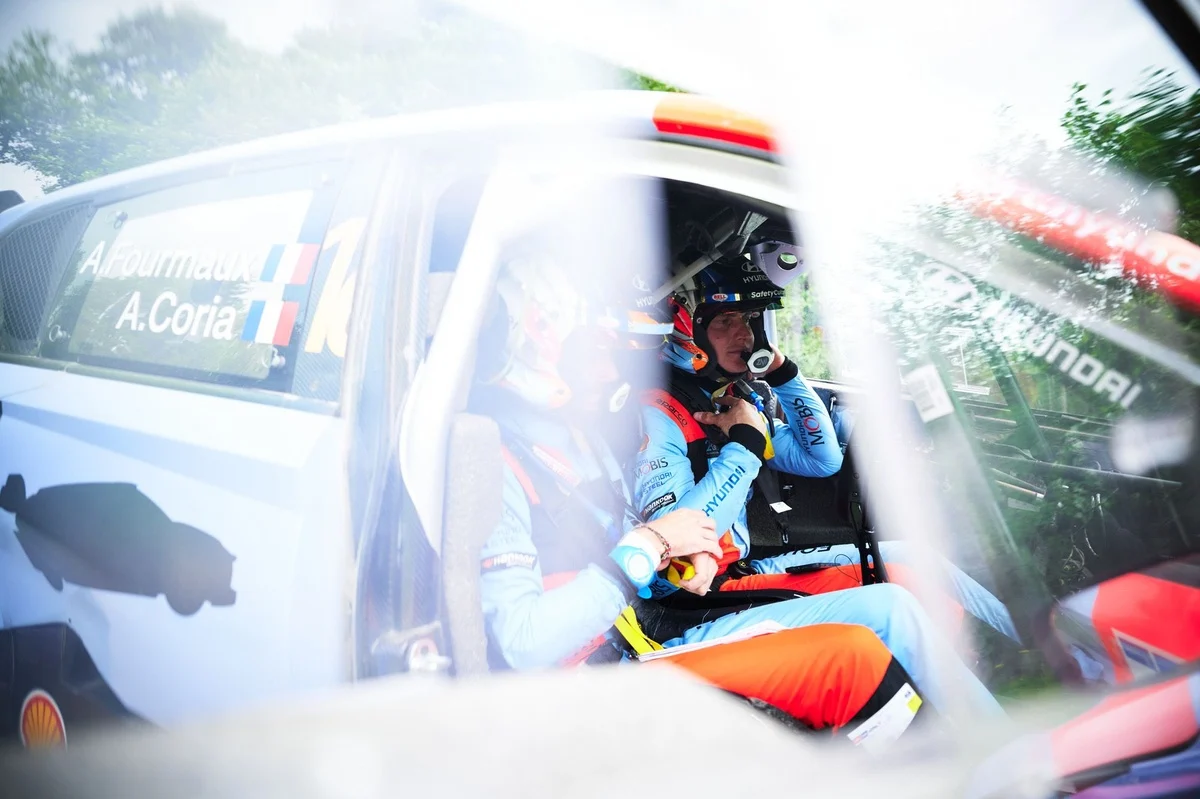
The World Rally Championship (WRC) finds itself in a state of high-stakes anticipation as the sport approaches a pivotal technical transition. At the heart of this uncertainty is Hyundai Motorsport, a powerhouse of the hybrid era, which has yet to formally commit its future to the championship beyond the conclusion of the current season. This silence from the Korean manufacturer has cast a shadow over the immediate prospects of its two primary drivers, Thierry Neuville and Adrien Fourmaux, both of whom find their professional trajectories tethered to a corporate decision that is currently pending.
As the sport prepares for the radical shifts expected in 2027, the internal machinations at Hyundai have become the focal point of the paddock. With the manufacturer having explicitly ruled out the development of a brand-new Rally1 machine to meet the upcoming 2027 technical regulations, the path forward is narrow, complex, and potentially transformative for the entire WRC landscape.
The Technical Dilemma: Why 2027 is a Tipping Point
The FIA’s vision for 2027 centers on a new, more accessible technical landscape designed to encourage participation and reduce costs. However, Hyundai’s refusal to build an all-new Rally1 car has forced the team to evaluate its viability within the top tier of the sport. Under the proposed regulations, Rally2-based machinery will be permitted to compete alongside the next generation of WRC cars. This move is designed to bolster entry lists, but it presents a unique challenge for a factory team accustomed to fighting for world titles at the absolute pinnacle of performance.

The FIA has introduced a specialized "Rally2 update kit" intended to bridge the performance gap between existing Rally2 cars and the new top-tier machinery. This kit includes homologated front fenders, a modified front bumper, and an enhanced rear aerodynamic device, alongside a 10kg reduction in the minimum weight of the vehicles. Despite these technical specifications being laid out, Hyundai has been hesitant to fully endorse or commit to the integration of these kits, citing a lack of comprehensive information from the governing body.
A Chronology of Uncertainty: From Rally Estonia to the Boardroom
The current situation is the culmination of months of behind-the-scenes maneuvering and testing.
- Early 2024: Hyundai began an intensive testing program for its upgraded Rally2 platform. Both Thierry Neuville and Adrien Fourmaux were heavily involved, acting as development drivers to ensure the car’s potential would be maximized should the board grant the green light for a 2027 campaign.
- Mid-2024: As the WRC season hit its stride, the focus shifted from pure performance to political and strategic alignment. The FIA’s announcement of the 2027 Rally2 kit prompted a cooling in the relationship between the manufacturer and the regulators, with Hyundai demanding further clarity on technical parameters.
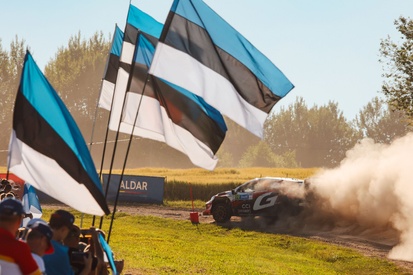
- Recent Weeks: Following a strong showing at Rally Estonia, where both drivers displayed competitive form, the question of their future became unavoidable. Neuville, a veteran of the team, admitted that no official word had come down from the brand. Simultaneously, Fourmaux’s podium finish in Estonia served as a stark reminder of the talent currently sitting in the balance.
- The Present: Hyundai’s sporting director, Andrew Wheatley, has identified the third quarter of this year as an "exceptionally busy" period for the team, with testing programs for the new car being solidified even as the ultimate decision remains unsigned.
The Human Element: Drivers in Limbo
For Thierry Neuville, a stalwart of the Hyundai squad, the situation is one of patience mixed with professional pragmatism. After finishing fourth at Rally Estonia, the Belgian was candid about his status. "There is no statement from the brand so far," he noted. "There will be plenty of opportunities for me, and I’m not done with rallying yet, that is for sure. My targets stay the same; to stay with Hyundai and be there. In what format I will be there, I don’t know."

Neuville’s sentiment highlights the loyalty he feels toward the team he has helped build into a championship contender. However, for Adrien Fourmaux, the situation is more fluid. Having joined the team in 2024, the Frenchman is acutely aware of the fragility of a career in the top flight.
"For now, I’m driving until December, then after that, I don’t know," Fourmaux said. He drew a parallel to the career of Sebastien Ogier, who famously stepped back to a lower category in 2012 before returning to dominate the sport. "If I need to do one year in Rally2 and then go back to Rally1 the next year, I’m okay with that. I know Sebastien Ogier did that in the past. But if it starts to be two years or three, then that’s not good. I think I deserve to stay in a Rally1 car."
Official Perspectives: The View from the Pit Wall
Andrew Wheatley, in his capacity as sporting director, has been tasked with managing the narrative during this delicate transition. His comments to Motorsport.com reflect a company that is keeping its options open while aggressively pursuing development in the background.

"We are expecting more information [from the FIA] to come very soon," Wheatley explained. "But, at the moment, our position hasn’t really changed for us. Our focus is primarily on 2026, and the secondary focus is the testing program for the new Rally2 car that is starting to be firmed up."
When pressed on whether Hyundai is effectively building a new car rather than just patching up the current model, Wheatley’s response was revealing. "It is not just updates on [the Rally2 car], and it is not everything new. There is a lot of parts that will carry over, but there is also a lot of significant parts. It is going to be effectively a new car."
This distinction is vital. It suggests that while Hyundai is not building a bespoke "Rally1" machine for the new regulations, they are pouring significant engineering resources into a platform that will be capable of holding its own in the 2027 field.
Implications for the WRC Landscape
The broader implications of Hyundai’s indecision are profound. The WRC is currently fighting to maintain its relevance in an era where manufacturers are increasingly turning toward electrification and cost-efficiency. If Hyundai—one of the three pillars of the current top-tier hybrid era—were to scale back its involvement or pivot entirely to a Rally2-based effort, it would signal a major shift in the championship’s competitive structure.
- Competitive Parity: The inclusion of upgraded Rally2 cars in the top category is intended to keep the field competitive. If Hyundai, Toyota, and M-Sport all move toward this model, the WRC could enter a new "Golden Era" of accessibility. However, if there is a massive performance gap, it could lead to a fragmented championship.
- Driver Market Volatility: The uncertainty surrounding Neuville and Fourmaux creates a ripple effect. If they are not confirmed for 2027, the "Silly Season" for rally drivers will become arguably the most volatile in a decade, with top-tier talent looking for seats at Toyota or potentially seeking opportunities outside of the WRC entirely.
- The Role of the FIA: The governing body is under immense pressure to provide the technical clarity that Hyundai is requesting. The failure to provide concrete answers could jeopardize the commitment of one of the sport’s most important manufacturers.
Conclusion: The Road Ahead
As the WRC calendar pushes toward the end of the 2024 season, the clock is ticking. For Hyundai, the decision is not merely about whether to race, but how to race. The shift toward a Rally2-centric future is a gamble that could redefine the brand’s legacy in the sport. For drivers like Neuville and Fourmaux, it is a waiting game that tests their resolve and their belief in the longevity of their careers.
The upcoming months will be defined by negotiations between manufacturers and the FIA, and by the internal board decisions at Hyundai’s headquarters. Whether this results in a renewed commitment to the top tier or a strategic retreat, one thing is certain: the face of the World Rally Championship is changing, and the decisions made in this "exceptionally busy Q3" will dictate the direction of the sport for years to come. Rallying is, as ever, a sport of speed, but right now, it is the pace of the boardroom that holds the most significance for the future of the WRC.

 Pevita Pearce
 Evan Lee Salim
 Neng Nana
 Nana Wu
 Lina Hope
 Sagoh
Sagoh
 Iffa Jayyana