
 Lina Hope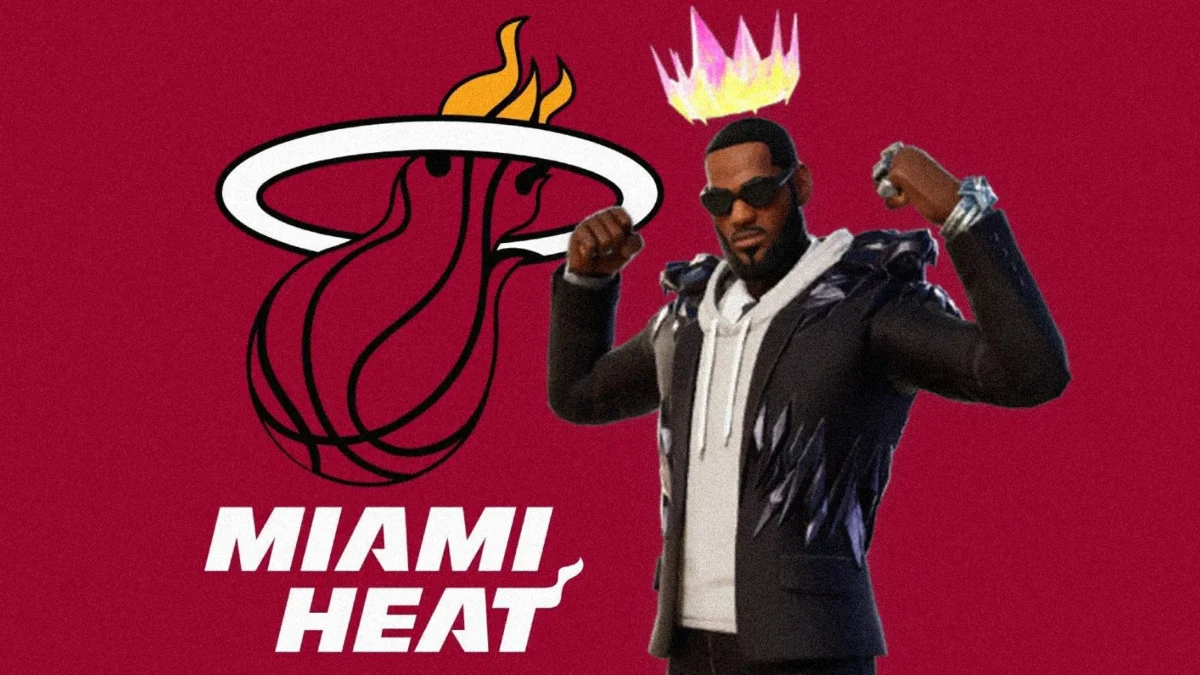
The world of professional sports is no stranger to rumors, back-channel negotiations, and the frenetic pace of free agency. However, on July 22, 2026, the digital landscape of the NBA was turned upside down by what appeared to be the most catastrophic social media error in recent league history. The Miami Heat, a franchise known for its meticulous "Heat Culture" and disciplined operations, found itself at the center of a massive controversy when an allegedly accidental YouTube post suggested that four-time NBA champion LeBron James was poised for a historic return to South Beach.
What followed was a masterclass in internet chaos, as the mistake snowballed into a viral phenomenon, drawing in entities as diverse as the Winnipeg Jets and the Philadelphia Police Department.
The Genesis of the Incident: A Scheduled YouTube Livestream
The storm began when eagle-eyed fans scouring the official Miami Heat YouTube channel discovered a scheduled premiere titled: "LeBron James Introductory Press Conference." The listing was set to go live on July 27, 2026, at 10:00 AM ET. For a fanbase already reeling from the news that James would not be returning to the Los Angeles Lakers, the sighting was akin to an ignition switch for a powder keg.
Screenshots of the video link were captured and shared across X (formerly Twitter), Reddit, and Instagram within minutes. The specificity of the title, combined with the date—which fell squarely in the heart of the NBA’s July free-agency window—led many to believe that the Heat had accidentally tipped their hand. The digital "fingerprint" of the error was clear: the video was hosted on the verified Miami Heat channel, lending it a veneer of authenticity that typically precedes official organizational announcements.
A Chronology of the Digital Blunder
To understand the scale of the reaction, one must look at the timeline of events that unfolded over that fateful 24-hour period:
- July 22, Early Morning: The YouTube link is discovered by users monitoring the Heat’s social media activity. The link begins circulating rapidly on sports aggregator accounts.
- July 22, Mid-Morning: The hashtag #LeBronToMiami begins to trend globally. The video remains listed on YouTube, with the thumbnail placeholder showing the standard Heat branding.
- July 22, Afternoon: Miami Heat management is alerted to the viral nature of the link. The video is promptly deleted, but the internet has already archived the proof.
- July 22, Late Afternoon: A spokesperson for the Heat issues a statement to major media outlets, including reports corroborated by insider Shams Charania, attempting to quell the speculation.
- July 22, Evening: The "trolling" phase begins. Rival organizations, ranging from the NHL’s Winnipeg Jets to local law enforcement agencies, begin posting their own "leaked" press conference links, effectively turning the Heat’s blunder into a pop-culture template.
Official Responses and Internal Damage Control
As the narrative gained momentum, the Miami Heat organization was forced to pivot into aggressive damage control. The team’s official statement was precise but left room for interpretation, which only fueled further debate.
"The link was mistakenly published while the team’s social media department was preparing internal assets in anticipation of various potential free agency scenarios," a team spokesperson stated. The organization emphasized that there was "currently no validity" to the idea that a contract had been signed or that a date had been set for an introduction.
This explanation—that the team was preparing content in advance—is standard practice for professional sports franchises. Marketing departments often create "if-then" content, building templates for press releases, graphic design assets, and video intros for high-profile free agents. The implication is that Miami was, at the very least, actively positioning itself as a destination for James, creating a "media kit" in case they succeeded in their recruitment efforts.
The "Copycat" Phenomenon: When the Internet Turns on a Team
The most fascinating aspect of this saga was not the leak itself, but the reaction from other organizations. In a rare display of inter-industry humor, teams and public offices across North America began to mock the Heat’s lack of digital security.
The Winnipeg Jets, playing into the absurdity of the situation, scheduled their own YouTube premiere with the same title, "LeBron James Introductory Press Conference." Their thumbnail was particularly cutting: it featured a photoshopped image of James in a Jets jersey with the metadata tag, "Don’t upload this yet." This effectively turned the Heat’s error into a cautionary tale about content management systems (CMS).
The Philadelphia Police Department also joined the fray, demonstrating that even government entities were tuned into the NBA’s off-season drama. Their satirical post, which advertised a "LeBron James Philadelphia Police Department Introductory Press Conference," served as a reminder that when a brand as large as the Miami Heat makes a mistake, it becomes public property. By the end of the day, the template had been replicated dozens of times by influencers, local sports teams, and meme accounts, cementing the event as a definitive "main character" moment for the NBA.
The Employment Connection: The "Director of YouTube Strategy"
Adding fuel to the fire was the discovery of a job posting on LinkedIn for a "Director of YouTube Strategy" for the Miami Heat. The job description, which had been posted a few days prior to the leak, outlined a vision for the franchise to "redefine the Heat’s digital presence" and "reach fans beyond traditional sports content."
While the team and independent observers noted that the timing of the job posting was coincidental—having been live before the leak occurred—the irony was not lost on the public. Many fans speculated that the incident was the direct result of a "new hire" or an intern experimenting with the channel’s publishing settings. Whether or not the incident was caused by a lack of oversight in the digital department, it highlighted the risks associated with modern sports marketing, where the line between "internal planning" and "public announcement" is separated by only a single click of a button.
Implications for the NBA Landscape
The "LeBron Leak" of 2026 serves as a case study in the power of digital metadata in modern sports journalism. In an era where information travels instantly, the traditional gatekeepers of sports news—reporters and team press releases—are constantly under pressure from the speed of social media.
1. The Vulnerability of Digital Infrastructure
The incident underscores how susceptible professional franchises are to human error. When a team manages dozens of social accounts, the potential for a "mis-click" is high. This incident will likely lead to stricter internal protocols regarding the scheduling of YouTube content, potentially requiring multi-stage verification for any video that mentions a player by name.
2. The "Recruitment" Reality
While the Heat denied the validity of the video, the fact that they had any assets prepared for a LeBron James signing speaks volumes about their confidence—or perhaps their desperation—to land the superstar. It confirmed that the Heat were, in fact, courting James, despite the official narrative being more reserved.
3. The Future of Free Agency Speculation
This event has set a new precedent for how fans will consume free agency rumors. From this point forward, fans are likely to monitor the "Scheduled" tabs of NBA team YouTube channels with the same fervor they currently reserve for flight tracking or social media "likes."
Conclusion: A Lesson in Digital Etiquette
As of the writing of this article, LeBron James remains a free agent. The Miami Heat’s blunder, while ultimately a source of embarrassment for their social media team, served as a lightning rod for the entire league. It bridged the gap between the serious business of salary caps and free-agency negotiations and the chaotic, meme-heavy culture of the internet.
For the Miami Heat, the lesson is clear: in the digital age, your internal workflows are just as important as your roster construction. For the rest of the league, the "LeBron Leak" will remain a legendary moment—a day when, for a few hours, the entire world believed that the King was heading back to the beach, all because someone forgot to set a video to "Private."
Whether James eventually chooses Miami, retires, or signs elsewhere, this incident will forever be etched in the annals of NBA history as the time a YouTube glitch caused a ripple effect felt by the police, the NHL, and millions of basketball fans across the globe. It was a chaotic, hilarious, and ultimately revealing glimpse into the high-stakes world of modern sports, where one button press can change the conversation of an entire season.


 Siti Muinah
 Nana Wu
 Neng Nana


 Sagoh
Sagoh
 Iffa Jayyana