Pevita Pearce
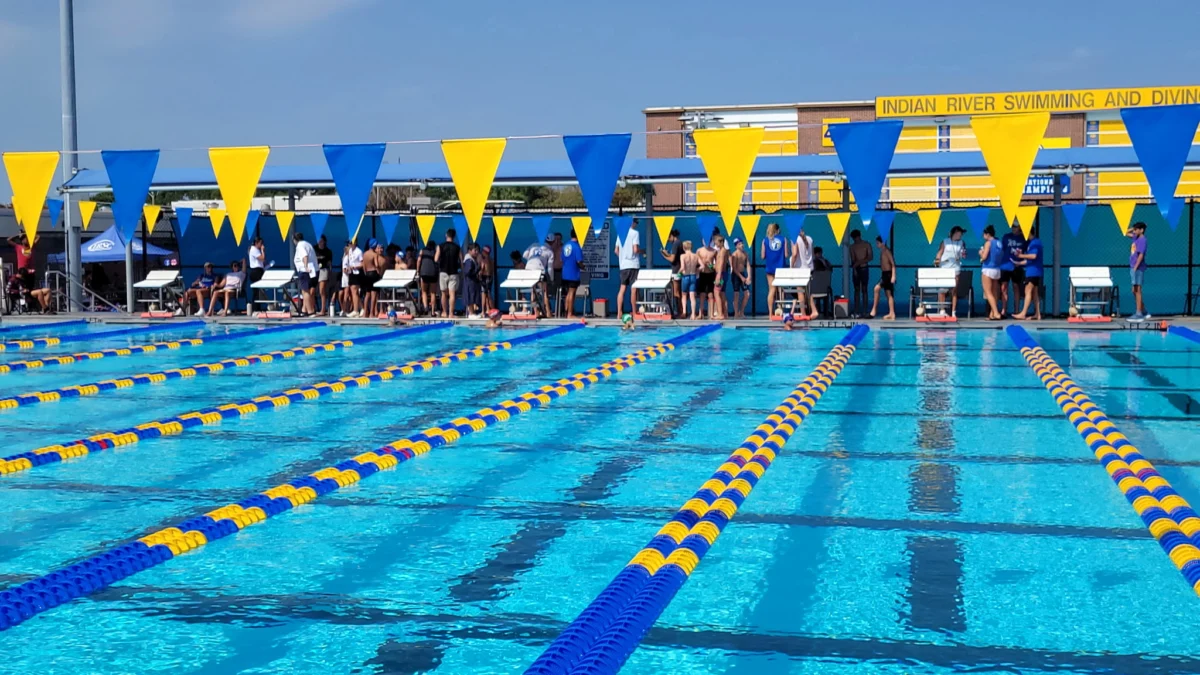
In the world of collegiate athletics, few programs can claim a legacy as dominant or as storied as the swimming and diving teams at Indian River State College (IRSC). For over five decades, the Fort Pierce, Florida-based institution has stood as the gold standard for success, building a dynasty that remains unparalleled in the history of North American sports. However, that legacy is currently facing an existential threat.
Facing significant budgetary pressures, the college recently signaled an intent to potentially dissolve its swim and dive programs. In response, the Indian River State College Foundation has launched an aggressive, high-stakes fundraising campaign, setting a $15 million goal to establish an endowment that would provide the financial bedrock necessary to secure the program’s future.
The Core Conflict: A Program at the Crossroads
The potential elimination of the IRSC swim and dive teams was brought to the forefront on October 20, when reports confirmed that the college’s Board of Trustees Governance & Legislative Affairs Committee had placed the future of the program on its October 27 meeting agenda.
The proposal to cut the sport sent shockwaves through the swimming community, prompting an outpouring of support from alumni, current student-athletes, and stakeholders across the country. Recognizing the potential loss of a historic institution, the IRSC Foundation mobilized quickly, announcing on Wednesday that it is seeking to raise $15 million. This endowment is designed to serve as a long-term financial solution, insulating the team from the volatility of general athletic department budget fluctuations.
While the fundraising effort is robust, the college has offered a stark disclaimer: “Contributions to the campaign do not guarantee the programs will continue.” The final decision rests with the Board of Directors, which is slated to revisit the matter on November 17.
Chronology: A Tense Timeline of Uncertainty
The unfolding situation has been characterized by rapid developments and a high degree of urgency:
- October 20: Public reports emerge that the IRSC Board of Trustees is considering the elimination of the swimming and diving programs, citing long-term sustainability concerns.
- October 27: The Board of Trustees convenes to deliberate on the president’s recommendation to cut the program. In a significant win for supporters, the board votes to table the motion, effectively granting the program a "stay of execution" and providing a narrow window for the community to demonstrate financial viability.
- Early November: The IRSC Foundation formally launches the $15 million endowment drive, calling upon alumni, families, and supporters to contribute—emphasizing that even small, recurring donations of $10 per month are vital to the collective effort.
- November 6: The college schedules an initial volunteer meeting to organize advocacy efforts, signaling a shift from reactive panic to proactive community engagement.
- November 17: The upcoming Board of Directors meeting, where the final fate of the program is expected to be decided.
The Dynasty: Unprecedented Athletic Success
To understand why the potential loss of these programs has caused such a national outcry, one must look at the numbers. Indian River State College is not merely a competitive team; it is a historic powerhouse.
The men’s program, in particular, represents one of the most remarkable streaks in the history of college sports. This past March, the team secured its 52nd consecutive NJCAA title. This achievement is not just a school record; it is the longest active championship streak in any collegiate sport in the United States. The women’s program has mirrored this dominance, boasting 48 consecutive NJCAA championship titles.
These teams are not currently in a state of decline. Under the guidance of head coach Sion Brinn—a former standout swimmer for the Pioneers from 1991–1993 who went on to compete in the 1996 (Jamaica) and 2000 (Great Britain) Olympic Games—the program remains in peak condition.
As of the current 2026–27 season, the men’s team holds a 2-0 record, having notched impressive victories against Division I opponent Florida Atlantic University (FAU) in September and NAIA competitor St. Thomas last weekend. The women’s team holds a 1-1 record, having bounced back from a close loss to FAU to secure a decisive victory over the Bobcats. The program currently supports 43 student-athletes—22 women and 21 men—who rely on the institution for their athletic and academic development.
The Economic and Institutional Reality
The crisis at IRSC reflects a growing trend in higher education where smaller colleges, even those with elite athletic programs, are forced to reconcile their operational budgets with the escalating costs of maintaining Division I-level facilities and travel.
The Foundation’s push for an endowment is a strategic pivot. Rather than relying on annual budget appropriations that are subject to the whim of administrative committees, an endowment creates a self-sustaining pool of capital. The interest generated by the $15 million goal would ostensibly cover operational costs, scholarships, and facility maintenance in perpetuity.
However, the challenge is immense. In the current economic climate, raising $15 million in a short window requires a massive mobilization of alumni who have gone through the program over the last five decades. The college’s messaging—"Alumni, families and supporters can donate or volunteer"—underscores that the institution is looking for broad-based support rather than relying solely on a few high-net-worth donors.
Implications: The Potential Loss of a Pipeline
The dissolution of the IRSC program would have implications that reach far beyond the campus in Fort Pierce. The NJCAA is a critical pipeline for student-athletes. Many swimmers use the junior college route to refine their technique, improve their academic standing, or gain exposure before transferring to major NCAA universities.
If the "Pioneer" dynasty were to be dismantled, it would leave a void in the landscape of junior college athletics. The loss would not just be cultural—marking the end of a legendary streak—but also practical, as dozens of student-athletes would be forced to seek new programs mid-career, and the talent pipeline that has fed senior colleges for 50 years would be severed.
Furthermore, the precedent set by cutting a program with such a deep history of success could signal to other colleges that no athletic program is safe, regardless of its performance or longevity. For coaches and administrators across the country, the IRSC saga serves as a cautionary tale about the necessity of financial independence in modern collegiate athletics.
The Road Ahead
As the November 17 Board of Directors meeting approaches, the atmosphere surrounding the college is one of guarded optimism and intense preparation. The volunteer meeting on November 6 serves as a rallying point for those who believe that the program is not just a budget line item, but a cornerstone of the college’s identity.
Whether the $15 million goal can be met, or whether the board will be swayed by the emotional and historical significance of the team, remains an open question. What is certain, however, is that the Indian River State College swim and dive teams have successfully brought their plight to the national stage. The upcoming weeks will determine if one of the most storied dynasties in sports history will continue to thrive or become a casualty of the evolving financial realities of higher education.
For those looking to engage, the college has directed potential donors to their official giving portal, where they can track the progress of the campaign and find opportunities to volunteer. In the face of uncertain odds, the Pioneers are once again doing what they have done for 50 years: fighting for their place at the top of the podium.


 Evan Lee Salim

 Sagoh

 Nana Muazin

 Asro

 Siti Muinah

 Layla Zulfa