Trending News:Ferrari Left Searching for Answers After a "Very, Very Difficult" Opening Day at the Qatar Grand PrixFrom Pallet Town to the Promised Land: The Dual Career of Hidenori KusakaTwickenham Showdown: Ireland and Australia Battle for Fifth in Nations Championship FinaleThe High-Stakes Hustle: Inside the 2026 Skins Game’s Billion-Dollar BlueprintFreezing Chaos in Ostrava: Mechanical Woes Strike Elite Contenders at Historic UCI Cyclo-cross World Cup OpenerRising Sprint Star Justin Chiang Announces Commitment to Washington University in St. LouisTurn Travel Time Into Fresh Powder: How to Score Free Arrival-Day Skiing for the 2026–27 Winter SeasonFerrari Left Seeking Answers After a "Very, Very Difficult" Opening Day at the Qatar Grand PrixThe Price of Glory: Toto Wolff Acknowledges Mercedes Must Realign Kimi Antonelli’s Contract After Stunning F1 Title RunThe Ultimate Rugby Showdown: Nations Championship Finals Weekend GuideMariners Bolster Depth with Minor League Signing of Infielder Liover PegueroThe Datafication of Pro Cycling: How the UCI Points System is Reshaping Team Strategy, Survival, and the Pursuit of VictoryThe Distance Revolution: Previewing the Men’s Freestyle Battles at the 2026 World Aquatics Swimming Championships (25m)World Cup Alpine Skiing Returns to Colorado: The Stifel Copper Cup Kicks Off the Domestic Men’s Speed SeasonThe Price of Glory: Toto Wolff Hints at a Major Payday as Kimi Antonelli’s Mercedes Contract Reality Lags Behind World Championship StatusBeyond the Grand Prix Circuit: Kimi Antonelli Eyes Nordschleife Dream Team with Max VerstappenThe Global Elite: Unveiling the Rugby World Ultimate XVBeyond the Fairway: Why Taconic’s Rain-Soaked Links Became a Lesson in FriendshipAsk the "Bling": Cyclingnews Announces Exclusive Reader Q&A with Australian Star Michael Matthews Ahead of the 2026 SeasonSam Atkin Claims Triumphant Victory on Debut at the 90th Manchester Road RaceSprint Specialist Sophie Oldham Shifts Commitment to TCU for 2027-28 SeasonReturn to Superstar: U.S. Women’s Ski Team Seeks Glory at the 2026 Stifel Killington CupBeyond the F1 Paddock: Kimi Antonelli Eyes Nordschleife Dream Team with Max VerstappenDoha Marathon by Ooredoo Achieves Elite World Athletics Platinum Label Status, Boosting 2028 Olympic HopesBig Ten Swimming and Diving Excellence: Wanezek, Greenhawt, and Noel Lead Weekly HonorsThe Ultimate Family Ski Guide: Top 10 Western Resorts for 2027Formula 1 2026 Season Finale Overshadowed: Max Verstappen Voices Discomfort Over Middle East Trips Ahead of Qatar Grand PrixThe Leather Dilemma: PETA Challenges Nvidia CEO Jensen Huang to Retire His Iconic WardrobeThe French Renaissance: Dupont and Bielle-Biarrey Define a New Era of Global RugbyThe Cold War Resumes: Brooks Koepka Reignites Rivalry with Sharp Jabs at Bryson DeChambeauPrimoz Roglic and the Final Chapter: Why the Slovenian Champion Stepped Back from Retirement for One Last RideHigh-Stakes Backstroke: A Comprehensive Preview of the 2026 World Aquatics Swimming Championships (25m)The Psychology of the Drop-In: North America’s 10 Most Terrifying Ski Run EntrancesUnbroken: The True Story of Martin Donnelly, the F1 Survivor Who Inspired HollywoodOrioles Secure Rotation Stability: Freddy Peralta Inks Five-Year, $125 Million DealThe Unrivaled Titan: Why Jack Willis is the World’s Best Rugby PlayerBeyond the Fairway: Why the PURE Insurance Championship at Pebble Beach Is Golf’s Ultimate Human Interest StoryNew York Mets Bolster Organizational Depth with Signing of Versatile Infielder Eddys LeonardFrom Pole to Victory LaneThe Southern Hemisphere’s Elite: Unveiling the Bronze and Silver Titans of World RugbyThe Fall from Grace: Inside the PGA Tour’s Brutal Season-Ending Reality CheckLabor Tensions Escalate: MLB Proposes $1 Million Minimum Salary Amid Impasse Over Salary CapThe Ultimate Black Friday Ski Gear and Recovery Guide: Stocking Up for the 2026–2027 Winter SeasonEuropean Football Weekend: Barcelona’s Resurgence, Atalanta’s Great Escape, and Concerns at BayernBlackhawks Claim Veteran Center Luke Glendening Off Waivers Amid Center Crisis and Injury WoesA Nightmare at Anfield: The Pochettino Era Begins in Total Disarray for Manchester UnitedThe Battle for the Shield: Washington Spirit and Kansas City Current Clash in NWSL Championship ShowdownMcLaren Confronts Straight-Line Deficit in Las Vegas as Piastri and Norris Battle Setup CompromisesGeorgia Fall Invite: Kennedi Dobson Shatters Historical Barrier in Sensational 500 FreestyleThe Untapped Value of Early-Season Skiing: Why November and December Turns Offer the Best Kept Secret in WintersportsWSL Shake-up: Chelsea Frustrated by Resilient Liverpool as London City Lionesses SurgeCardiff Calling: Can Wales Sustain Their Historic Momentum Against the Wallabies?Three Carbon-Plated Racers, Three Different Rides: Putting the Latest Super-Shoes to the TestBig Red Dominance: Denison Invitational Hits Fever Pitch with Record-Breaking PerformancesNOAA’s Updated Winter Outlook Boosts Hopes for California and the Southwest Ski CountryBezzecchi Smashes Portimao Lap Record to Claim Portuguese GP Pole as Marquez Eyes 2026 World Championship GloryBayern Munich Crisis: Harry Kane Sidelined for Months Following Ankle InjuryThe Boiling Point of Peloton Safety: How a Five-Minute Protest at Il Lombardia Marked a Turning Point for Professional CyclingThe Spirit of the District: How Washington’s NWSL Powerhouse Became a Cultural BeaconThe New Face of Leonida: Why Vicki the Bartender Has Captured the GTA 6 Community’s ImaginationElite Endurance Stars Collide: World Athletics Cross Country Tour Brings High-Stakes Battles to Atapuerca and Cinque MuliniCycling Royalty to Meet Pope Leo XIV at the Vatican: A Historic Summit for Peace and SportLyon Assert European Dominance with Clinical Victory Over Arsenal at Meadow ParkInside Cadillac F1’s Driver Dilemma: Why Stability Prevailed Over a Shakeup for 2027The Elite Echelon: Rugby World’s Top 50 Countdown Continues (40-31)The Architect of Greatness: How Chris Williams Found His True Calling in the Shadow of a LegendWolfpack Elite GAC Invitational: Opening Night Delivers High-Octane Midseason DramaRaising the Bar for Family Skiing: How Banff Sunshine Village is Redefining Multi-Generational Mountain AdventuresStalemate in London: Chelsea and PSG Play Out Tactical Deadlock in Women’s Champions LeagueRoyals Designate Kyle Isbel for Assignment Following Blockbuster Trade with MarinersSt. Louis Blues Forward Adam Jecho Cleared by NHL/NHLPA Player Assistance Program, Reports to AHL SpringfieldInside the Racing Bulls Decision: How Liam Lawson’s 2026 Resurgence Secured His Future and Balanced Red Bull’s Junior StrategyThe Pochettino-Guardiola Nexus: A New Era for the USMNT and the Legacy of a DepartureHendrick Motorsports Shakes Up Crew Chief Lineup: Rudy Fugle Moves to Alex Bowman’s No. 48 Team While Adam Wall Promoted to William Byron’s No. 24Tactical Masterclass and Nerve-Wracking Finale: England Edge Past Spain in Nations League ThrillerDecoding the Red Bull Dilemma: Why the Second Seat Became F1’s Most Impossible ChallengeLegal Standoff: Dana White’s Power Slap Battles Parody Rival ‘Power Spank’ Over Branding RightsBattle of the Fallen: Scotland and Australia Eye Redemption at MurrayfieldRemembering Bill Watters: A Towering Figure in Canadian Hockey, Media, and Front-Office ManagementRising Star Emma Grace Richardson Commits to NC State: A New Era for Wolfpack SprintingFrom Hardgoods to Hardshells: Why Iconic Ski Brand Atomic is Taking a Gamble on the Crowded Apparel MarketNations League Roundup: A New Era Begins as Denmark Stuns Portugal and Northern Ireland Inches Toward GloryHow Mercedes Won Early and Stumbled Late: Inside the 2026 F1 W17 Development ParadoxRising Stars Define the 2026 NOVA Short Course Senior Classic: A Masterclass in Youth SpeedMcGinn Magic Saves Scotland: A Tense Night at Hampden ParkThe Evolution of a Digital Icon: Daily Dose of Internet Enters the "Semi-Retirement" EraThe Iron Men: A Deep Dive into the Top 10 Most-Capped Men’s Rugby Players of All TimeMcAnally-Hilgemann Racing Overhauls Leadership and Crew Chief Lineup in Pursuit of 2027 NASCAR FedEx Freight Truck Series GloryThe Return of the Theorist: MatPat Ends YouTube Hiatus with a New Vision for Content CreationThe Ultimate Pilgrimage: Why the Men’s Rugby World Cup 2027 in Australia is a Once-in-a-Lifetime OpportunityGiants Overhaul Coaching Staff: James Rowson Named Offensive Coordinator in Major ShakeupA Voice That Defined Generations: Remembering Iconic NBC Sportscaster Dan HicksSteiner Questions Hamilton’s Ferrari Impact, Argues Verstappen Is the Ultimate Fit for MaranelloThe Global Stage: Navigating the 2026 Nations Championship Broadcast LandscapeTexas Rangers Overhaul Coaching Staff: Tommy Joseph Joins Hitting Department in Push for Offensive ConsistencyLife Time Grand Prix Raises the Stakes: Record $800,000 Prize Purse Set for 2027 Off-Road SeriesGermany’s Elite Swimmers Converge: 2026 Short Course Championships Open in WuppertalRethinking Recovery: How Harmless Harvest is Cutting Through the Hydration Noise with Uncomplicated, Plant-Based NutritionSteiner Questions Hamilton’s Ferrari Impact, Argues Verstappen Is the Ultimate Fit for MaranelloKimi Antonelli Honors Pledge with Tricolore Makeover as Mercedes Celebrates Historic Double Title Triumph at Brackley
Trending News:Ferrari Left Searching for Answers After a "Very, Very Difficult" Opening Day at the Qatar Grand PrixFrom Pallet Town to the Promised Land: The Dual Career of Hidenori KusakaTwickenham Showdown: Ireland and Australia Battle for Fifth in Nations Championship FinaleThe High-Stakes Hustle: Inside the 2026 Skins Game’s Billion-Dollar BlueprintFreezing Chaos in Ostrava: Mechanical Woes Strike Elite Contenders at Historic UCI Cyclo-cross World Cup OpenerRising Sprint Star Justin Chiang Announces Commitment to Washington University in St. LouisTurn Travel Time Into Fresh Powder: How to Score Free Arrival-Day Skiing for the 2026–27 Winter SeasonFerrari Left Seeking Answers After a "Very, Very Difficult" Opening Day at the Qatar Grand PrixThe Price of Glory: Toto Wolff Acknowledges Mercedes Must Realign Kimi Antonelli’s Contract After Stunning F1 Title RunThe Ultimate Rugby Showdown: Nations Championship Finals Weekend GuideMariners Bolster Depth with Minor League Signing of Infielder Liover PegueroThe Datafication of Pro Cycling: How the UCI Points System is Reshaping Team Strategy, Survival, and the Pursuit of VictoryThe Distance Revolution: Previewing the Men’s Freestyle Battles at the 2026 World Aquatics Swimming Championships (25m)World Cup Alpine Skiing Returns to Colorado: The Stifel Copper Cup Kicks Off the Domestic Men’s Speed SeasonThe Price of Glory: Toto Wolff Hints at a Major Payday as Kimi Antonelli’s Mercedes Contract Reality Lags Behind World Championship StatusBeyond the Grand Prix Circuit: Kimi Antonelli Eyes Nordschleife Dream Team with Max VerstappenThe Global Elite: Unveiling the Rugby World Ultimate XVBeyond the Fairway: Why Taconic’s Rain-Soaked Links Became a Lesson in FriendshipAsk the "Bling": Cyclingnews Announces Exclusive Reader Q&A with Australian Star Michael Matthews Ahead of the 2026 SeasonSam Atkin Claims Triumphant Victory on Debut at the 90th Manchester Road RaceSprint Specialist Sophie Oldham Shifts Commitment to TCU for 2027-28 SeasonReturn to Superstar: U.S. Women’s Ski Team Seeks Glory at the 2026 Stifel Killington CupBeyond the F1 Paddock: Kimi Antonelli Eyes Nordschleife Dream Team with Max VerstappenDoha Marathon by Ooredoo Achieves Elite World Athletics Platinum Label Status, Boosting 2028 Olympic HopesBig Ten Swimming and Diving Excellence: Wanezek, Greenhawt, and Noel Lead Weekly HonorsThe Ultimate Family Ski Guide: Top 10 Western Resorts for 2027Formula 1 2026 Season Finale Overshadowed: Max Verstappen Voices Discomfort Over Middle East Trips Ahead of Qatar Grand PrixThe Leather Dilemma: PETA Challenges Nvidia CEO Jensen Huang to Retire His Iconic WardrobeThe French Renaissance: Dupont and Bielle-Biarrey Define a New Era of Global RugbyThe Cold War Resumes: Brooks Koepka Reignites Rivalry with Sharp Jabs at Bryson DeChambeauPrimoz Roglic and the Final Chapter: Why the Slovenian Champion Stepped Back from Retirement for One Last RideHigh-Stakes Backstroke: A Comprehensive Preview of the 2026 World Aquatics Swimming Championships (25m)The Psychology of the Drop-In: North America’s 10 Most Terrifying Ski Run EntrancesUnbroken: The True Story of Martin Donnelly, the F1 Survivor Who Inspired HollywoodOrioles Secure Rotation Stability: Freddy Peralta Inks Five-Year, $125 Million DealThe Unrivaled Titan: Why Jack Willis is the World’s Best Rugby PlayerBeyond the Fairway: Why the PURE Insurance Championship at Pebble Beach Is Golf’s Ultimate Human Interest StoryNew York Mets Bolster Organizational Depth with Signing of Versatile Infielder Eddys LeonardFrom Pole to Victory LaneThe Southern Hemisphere’s Elite: Unveiling the Bronze and Silver Titans of World RugbyThe Fall from Grace: Inside the PGA Tour’s Brutal Season-Ending Reality CheckLabor Tensions Escalate: MLB Proposes $1 Million Minimum Salary Amid Impasse Over Salary CapThe Ultimate Black Friday Ski Gear and Recovery Guide: Stocking Up for the 2026–2027 Winter SeasonEuropean Football Weekend: Barcelona’s Resurgence, Atalanta’s Great Escape, and Concerns at BayernBlackhawks Claim Veteran Center Luke Glendening Off Waivers Amid Center Crisis and Injury WoesA Nightmare at Anfield: The Pochettino Era Begins in Total Disarray for Manchester UnitedThe Battle for the Shield: Washington Spirit and Kansas City Current Clash in NWSL Championship ShowdownMcLaren Confronts Straight-Line Deficit in Las Vegas as Piastri and Norris Battle Setup CompromisesGeorgia Fall Invite: Kennedi Dobson Shatters Historical Barrier in Sensational 500 FreestyleThe Untapped Value of Early-Season Skiing: Why November and December Turns Offer the Best Kept Secret in WintersportsWSL Shake-up: Chelsea Frustrated by Resilient Liverpool as London City Lionesses SurgeCardiff Calling: Can Wales Sustain Their Historic Momentum Against the Wallabies?Three Carbon-Plated Racers, Three Different Rides: Putting the Latest Super-Shoes to the TestBig Red Dominance: Denison Invitational Hits Fever Pitch with Record-Breaking PerformancesNOAA’s Updated Winter Outlook Boosts Hopes for California and the Southwest Ski CountryBezzecchi Smashes Portimao Lap Record to Claim Portuguese GP Pole as Marquez Eyes 2026 World Championship GloryBayern Munich Crisis: Harry Kane Sidelined for Months Following Ankle InjuryThe Boiling Point of Peloton Safety: How a Five-Minute Protest at Il Lombardia Marked a Turning Point for Professional CyclingThe Spirit of the District: How Washington’s NWSL Powerhouse Became a Cultural BeaconThe New Face of Leonida: Why Vicki the Bartender Has Captured the GTA 6 Community’s ImaginationElite Endurance Stars Collide: World Athletics Cross Country Tour Brings High-Stakes Battles to Atapuerca and Cinque MuliniCycling Royalty to Meet Pope Leo XIV at the Vatican: A Historic Summit for Peace and SportLyon Assert European Dominance with Clinical Victory Over Arsenal at Meadow ParkInside Cadillac F1’s Driver Dilemma: Why Stability Prevailed Over a Shakeup for 2027The Elite Echelon: Rugby World’s Top 50 Countdown Continues (40-31)The Architect of Greatness: How Chris Williams Found His True Calling in the Shadow of a LegendWolfpack Elite GAC Invitational: Opening Night Delivers High-Octane Midseason DramaRaising the Bar for Family Skiing: How Banff Sunshine Village is Redefining Multi-Generational Mountain AdventuresStalemate in London: Chelsea and PSG Play Out Tactical Deadlock in Women’s Champions LeagueRoyals Designate Kyle Isbel for Assignment Following Blockbuster Trade with MarinersSt. Louis Blues Forward Adam Jecho Cleared by NHL/NHLPA Player Assistance Program, Reports to AHL SpringfieldInside the Racing Bulls Decision: How Liam Lawson’s 2026 Resurgence Secured His Future and Balanced Red Bull’s Junior StrategyThe Pochettino-Guardiola Nexus: A New Era for the USMNT and the Legacy of a DepartureHendrick Motorsports Shakes Up Crew Chief Lineup: Rudy Fugle Moves to Alex Bowman’s No. 48 Team While Adam Wall Promoted to William Byron’s No. 24Tactical Masterclass and Nerve-Wracking Finale: England Edge Past Spain in Nations League ThrillerDecoding the Red Bull Dilemma: Why the Second Seat Became F1’s Most Impossible ChallengeLegal Standoff: Dana White’s Power Slap Battles Parody Rival ‘Power Spank’ Over Branding RightsBattle of the Fallen: Scotland and Australia Eye Redemption at MurrayfieldRemembering Bill Watters: A Towering Figure in Canadian Hockey, Media, and Front-Office ManagementRising Star Emma Grace Richardson Commits to NC State: A New Era for Wolfpack SprintingFrom Hardgoods to Hardshells: Why Iconic Ski Brand Atomic is Taking a Gamble on the Crowded Apparel MarketNations League Roundup: A New Era Begins as Denmark Stuns Portugal and Northern Ireland Inches Toward GloryHow Mercedes Won Early and Stumbled Late: Inside the 2026 F1 W17 Development ParadoxRising Stars Define the 2026 NOVA Short Course Senior Classic: A Masterclass in Youth SpeedMcGinn Magic Saves Scotland: A Tense Night at Hampden ParkThe Evolution of a Digital Icon: Daily Dose of Internet Enters the "Semi-Retirement" EraThe Iron Men: A Deep Dive into the Top 10 Most-Capped Men’s Rugby Players of All TimeMcAnally-Hilgemann Racing Overhauls Leadership and Crew Chief Lineup in Pursuit of 2027 NASCAR FedEx Freight Truck Series GloryThe Return of the Theorist: MatPat Ends YouTube Hiatus with a New Vision for Content CreationThe Ultimate Pilgrimage: Why the Men’s Rugby World Cup 2027 in Australia is a Once-in-a-Lifetime OpportunityGiants Overhaul Coaching Staff: James Rowson Named Offensive Coordinator in Major ShakeupA Voice That Defined Generations: Remembering Iconic NBC Sportscaster Dan HicksSteiner Questions Hamilton’s Ferrari Impact, Argues Verstappen Is the Ultimate Fit for MaranelloThe Global Stage: Navigating the 2026 Nations Championship Broadcast LandscapeTexas Rangers Overhaul Coaching Staff: Tommy Joseph Joins Hitting Department in Push for Offensive ConsistencyLife Time Grand Prix Raises the Stakes: Record $800,000 Prize Purse Set for 2027 Off-Road SeriesGermany’s Elite Swimmers Converge: 2026 Short Course Championships Open in WuppertalRethinking Recovery: How Harmless Harvest is Cutting Through the Hydration Noise with Uncomplicated, Plant-Based NutritionSteiner Questions Hamilton’s Ferrari Impact, Argues Verstappen Is the Ultimate Fit for MaranelloKimi Antonelli Honors Pledge with Tricolore Makeover as Mercedes Celebrates Historic Double Title Triumph at Brackley
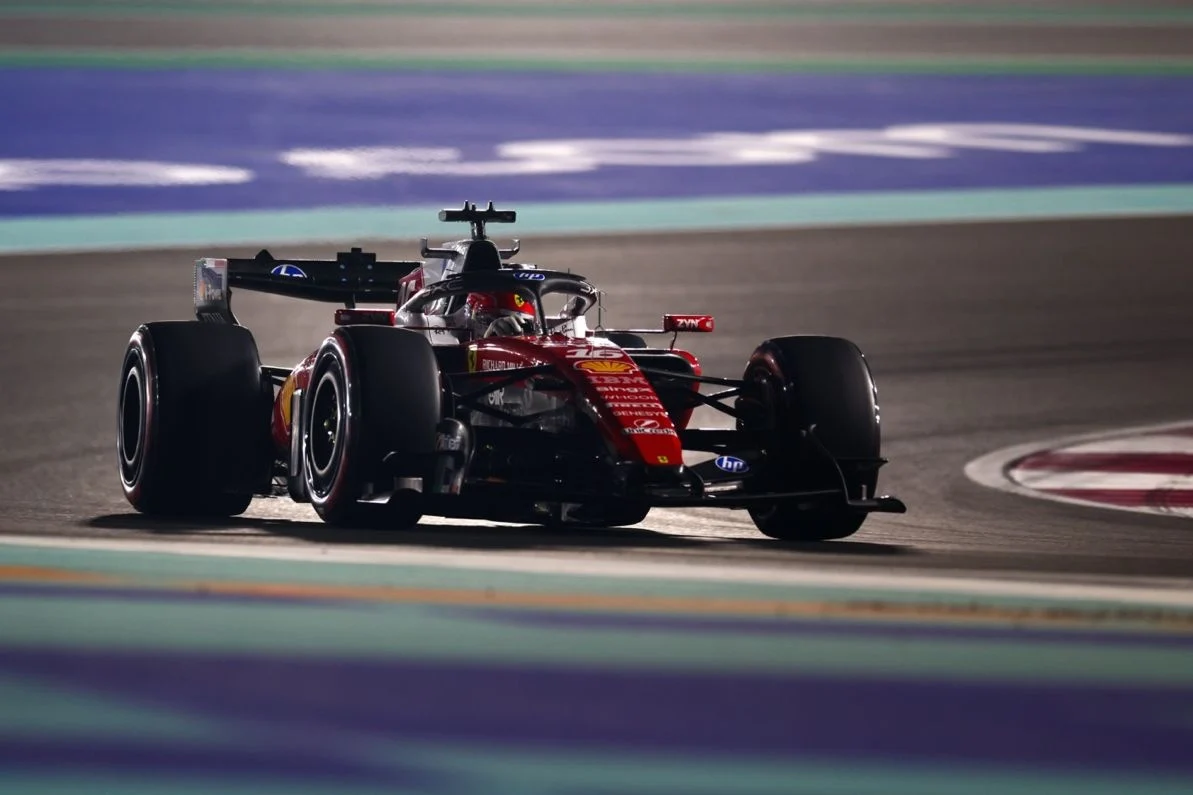
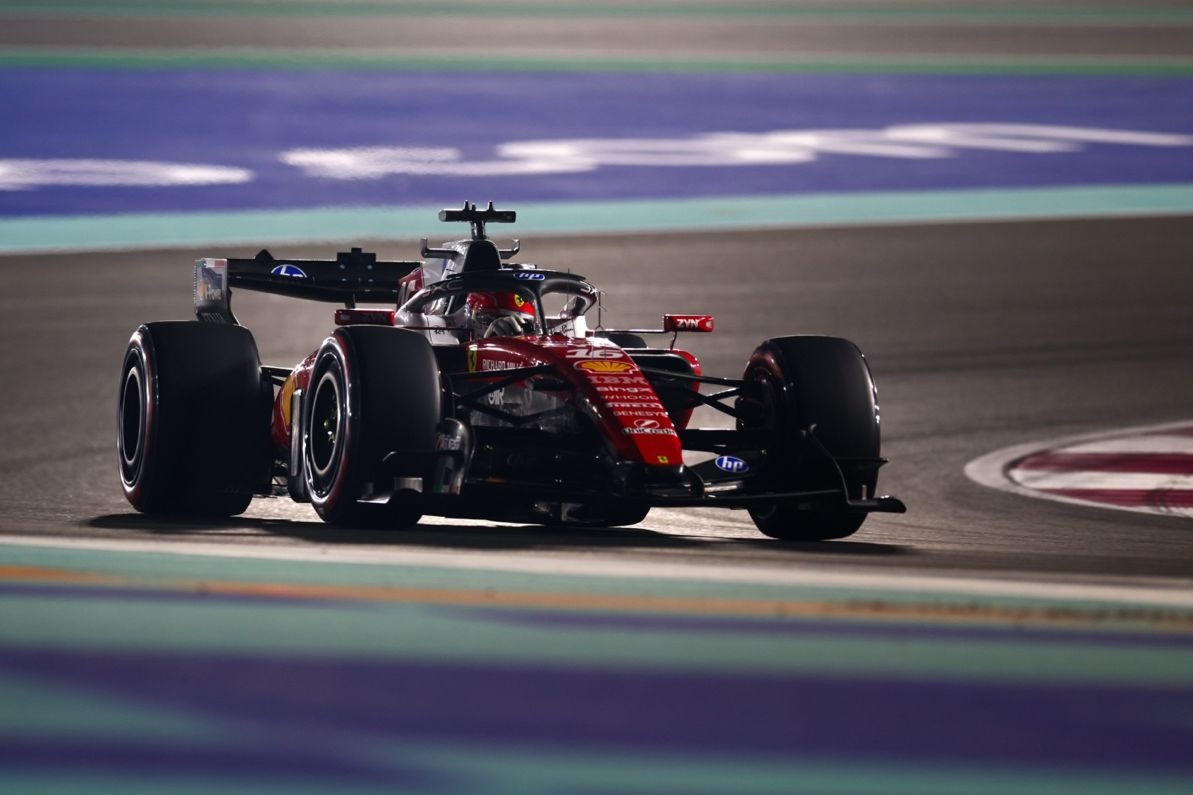
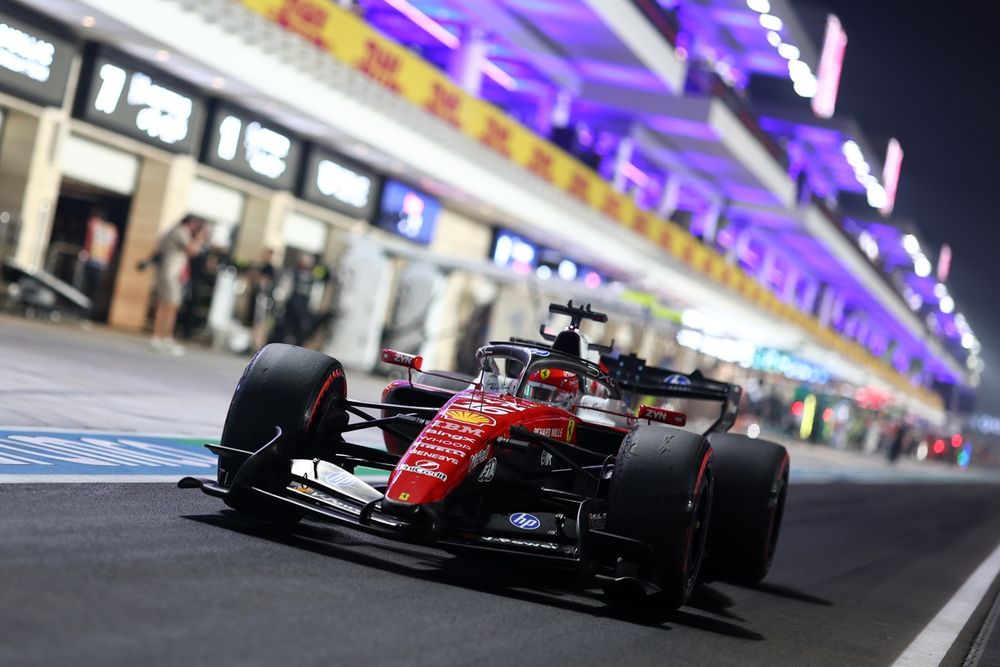
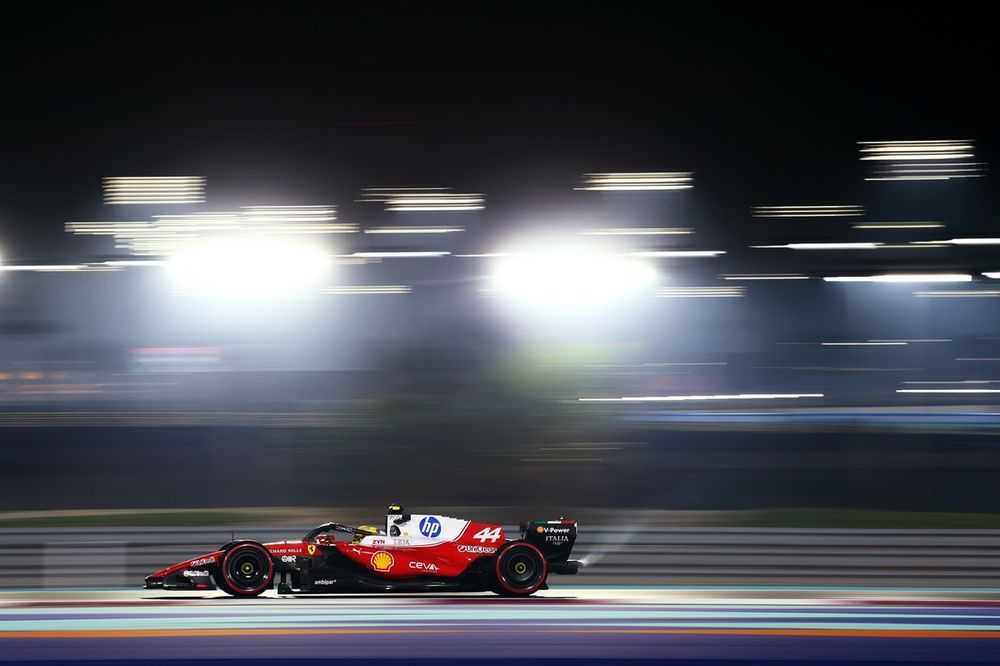
The opening day of practice for the Formula 1 Qatar Grand Prix proved to be a sobering experience for Scuderia Ferrari. Struggling with a severe lack of grip and unexpected pace deficits across both short and long runs, the team found itself scrambling for solutions at the Lusail International Circuit.
Charles Leclerc described his Free Practice 2 (FP2) session as "very, very difficult," an assessment underscored by the timesheets. Leclerc and teammate Lewis Hamilton could manage only seventh and eighth places, respectively, finishing a staggering full second adrift of Mercedes pacesetter Kimi Antonelli.
Compounding Ferrari’s woes, Leclerc suffered a violent spin on the exit of Turn 7 during the early stages of FP2, sustaining heavy floor damage that required a complete mid-session component replacement. Meanwhile, Lewis Hamilton’s day concluded prematurely due to a power unit failure in the dying moments of practice.
While the Scuderia faced a mountain of data to sift through overnight, the team’s leadership and drivers alike emphasized that a mysterious foundational lack of pace—rather than crashes or mechanical failures—remains their primary concern heading into the weekend.
Chronology of Events: Friday at Lusail
The trouble for the red cars began early during Friday’s action. Following a quiet and uneventful FP1 where both drivers probed the limits of the Lusail circuit, expectations were high that Ferrari’s SF-26 would naturally click with the high-downforce, high-speed sweeping corners of the motorcycle-centric venue. Instead, the problems escalated.
FP1: A Quiet Prelude
During the first practice session, neither Leclerc nor Hamilton troubled the top of the timing monitors. The initial runs highlighted an underlying balance issue, but the team initially wrote it off as standard green-track evolution. However, the lack of competitiveness carried directly over into the more representative afternoon and evening conditions of FP2.
FP2: The Spiral into Chaos
The second practice session turned from difficult to disastrous within the first twenty minutes.
Initial Floor Strike: Leclerc clipped the notoriously aggressive and punishing kerbs that line the Lusail International Circuit, causing initial microscopic damage to the SF-26’s underfloor aerodynamics.
The Turn 7 Spin: Seeking to extract performance on medium compound tyres, Leclerc lost the rear end entirely upon exiting the high-speed Turn 7. The car snapped violently, pitching backward through the gravel trap.
The Recovery and Repair: Limping back to the pit lane, telemetry confirmed extensive floor damage. Ferrari mechanics executed a frantic mid-session floor change, heavily restricting Leclerc’s running time just as track evolution peaked.
Hamilton’s Late-Session Stoppage: As the clock wound down on the extended practice session, Hamilton’s SF-26 ground to a halt out on track due to a sudden power unit failure, bringing out late yellow flags and further limiting data gathering.
Supporting Data and Technical Analysis
The timing screens laid bare Ferrari’s struggles at Lusail. Antonelli’s benchmark for Mercedes left the Maranello outfit a massive second behind, highlighting a performance chasm that caught the engineering team off guard.
The Grip Deficit and the "Outlier"
For Leclerc, the primary issue was not the accident damage, but a persistent lack of foundational grip that plagued the car from his very first installation lap.
"To be honest, this is not even the reason why we were slow," Leclerc admitted, referencing his floor damage. "We were just very slow from the first lap this morning to the last lap in FP2, and it’s very difficult to understand what the outlier is."
Ferrari historically prides itself on strong long-run performance and tyre preservation, making the degradation and lack of pace on high-fuel race simulations particularly alarming.
"Overall, the pace has just been very, very poor," Leclerc added. "Low fuel, high fuel—normally high fuel is our strength, but today, there was just no pace at all. I don’t really have an idea of what can be significantly better that will turn the situation upside down."
The Power Unit Situation
Addressing Hamilton’s late-session stoppage, Leclerc downplayed any major reliability fears for the remainder of the Grand Prix weekend. Because the seven-time world champion was utilizing an older-specification power unit for Friday duties before cycling to a fresher component overnight, the failure was viewed as a calculated, albeit frustrating, inevitability.
"I don’t think that this is a worry going forward because we’re running with quite old power units," Leclerc noted. "It’s never nice to obviously have a car stop, but towards the end of the season like this, with our free practice set-up, it was a matter of time."
Official Responses from Maranello
Ferrari Sporting Director Diego Ioverno provided clarity on the extent of the damage sustained during Leclerc’s off-track excursion and weighed in on the staggering pace shown by their German rivals.
Assessing the Damage
Confirming the immediate need for a pit wall intervention, Ioverno detailed the telemetry and visual confirmation that forced the team’s hand:
"After the spin there was clear damage on the floor. We saw it also from numbers, and we told him to stop. It was not repairable, so we replaced the floor. After that, there were still some small damages around the car, but nothing major."
Acknowledging the Mercedes Threat
While the timing of Friday practice often obscures true competitive orders due to varying fuel loads, engine modes, and test plans, Ioverno conceded that Mercedes had put on an ominous display of speed.
"Today, Mercedes seems particularly quick, not only compared to us, but also compared to the others," Ioverno observed. "It can be whatever reason—that their package here is performing even better than in the remainder of the season, or maybe they’ve made different choices in terms of plan, power settings, fuel load, whatsoever. They are apparently a step in front of all the others. We will look deeper into the data that we have, which is not so much, and try to understand what we can do better tomorrow."
Implications for the Rest of the Qatar Grand Prix Weekend
Friday’s sobering reality check leaves Ferrari facing a critical overnight engineering race. With the Lusail International Circuit offering limited opportunities for overtaking during Sunday’s Grand Prix, grid position via Saturday’s qualifying session will be paramount.
The Overnight Engineering Battle
Ferrari’s data analysts and sim drivers back at Maranello will be working in tandem with the trackside engineering crew to decipher the "outlier" Leclerc spoke of. Finding why the SF-26 failed to generate standard grip levels across both low- and high-fuel configurations is the team’s primary puzzle. If the setup window cannot be widened dramatically by Saturday afternoon, both Leclerc and Hamilton risk elimination deep in qualifying, severely compromising their weekend ambitions.
The Competitive Landscape
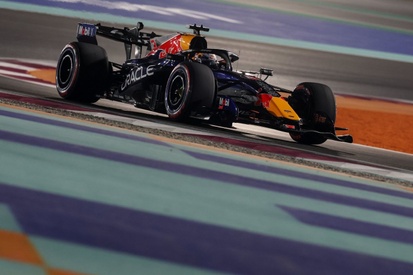
Furthermore, Mercedes’ apparent dominance has put the entire paddock on high alert. Rivals like Red Bull and McLaren are similarly grappling with balance limitations at Lusail, but Mercedes appears to have unlocked a sweet spot in the desert conditions.
For Ferrari, turning the weekend around requires more than minor adjustments—it demands a fundamental rediscovery of the SF-26’s operating window. As the sun sets over Lusail, the Scuderia faces a tense night in the garage, fully aware that time is running out to salvage their Qatar Grand Prix campaign.
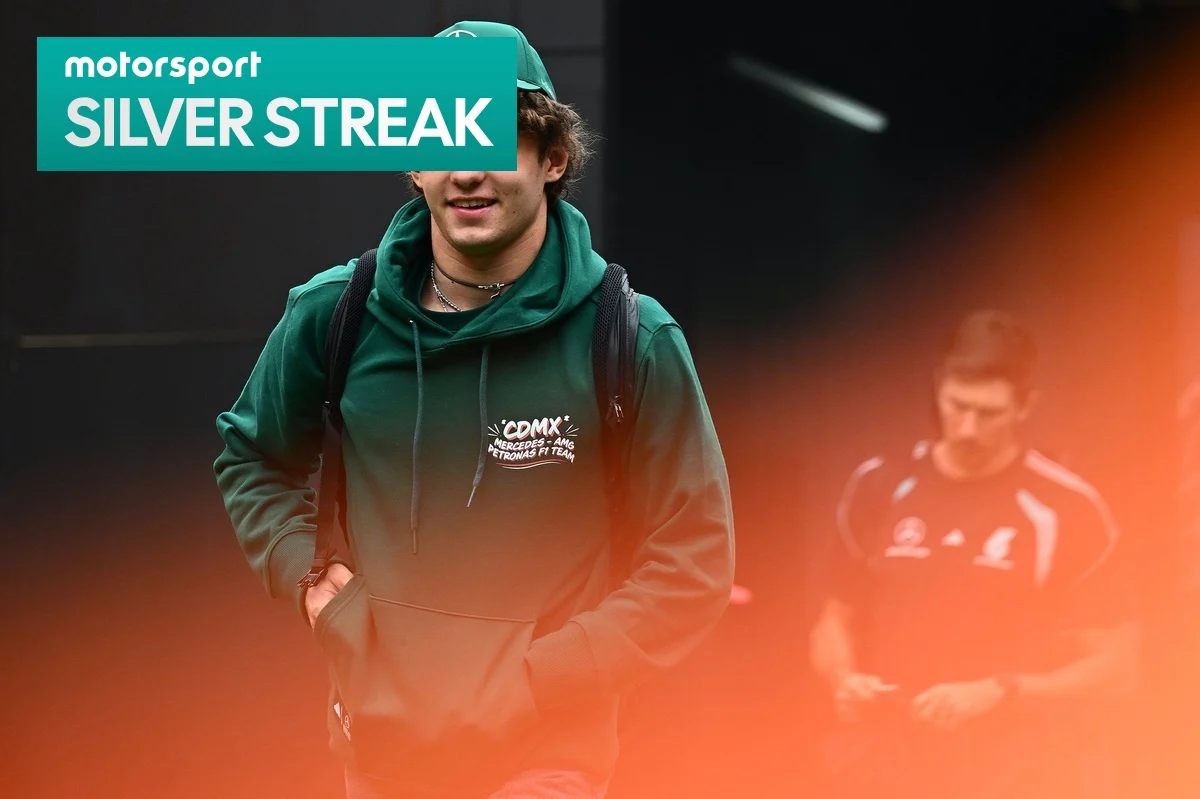
The Price of Glory: Toto Wolff Acknowledges Mercedes Must Realign Kimi Antonelli’s Contract After Stunning F1 Title Run
When a Formula 1 team makes the bold decision to fast-track a teenager straight from the Formula 2 feeder series into a premier factory seat, the initial financial arrangement is…
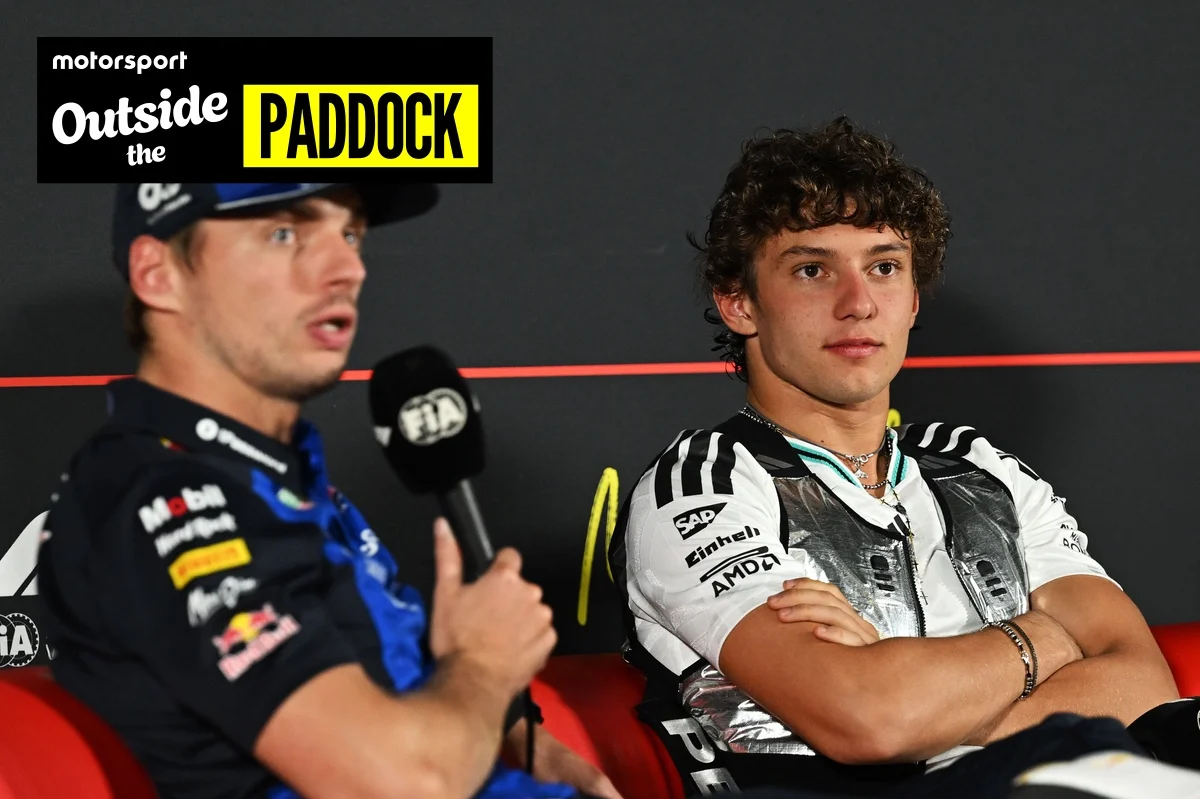
Beyond the Grand Prix Circuit: Kimi Antonelli Eyes Nordschleife Dream Team with Max Verstappen
By Motorsport Feature Writer Published ahead of the Qatar Grand Prix Main Facts: The Intersection of F1 Youth and Endurance Ambitions Fresh off a triumphant title run that culminated in…

 Jia Lissa

 Nana Wu
 Pevita Pearce

 Siti Muinah

 Asro
 Neng Nana
 Raul Delapena Setiawan
 Suro Senen