
 Raul Delapena Setiawan
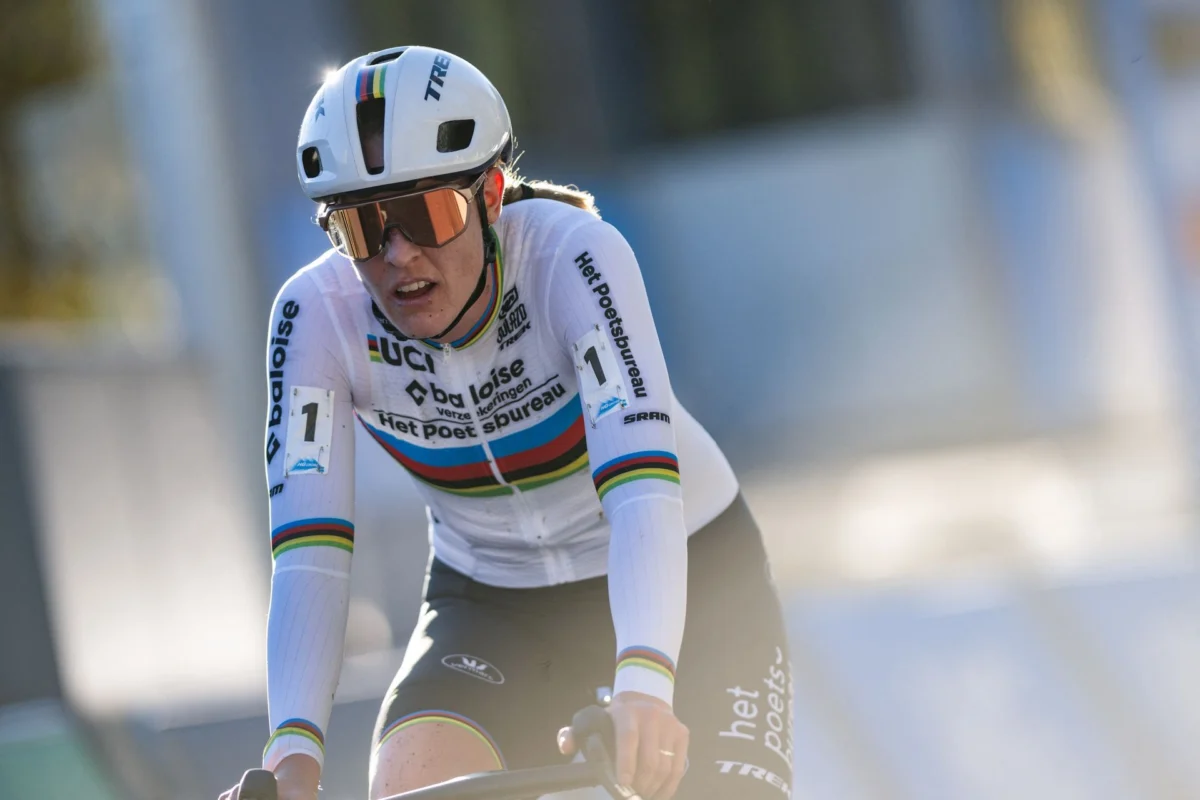
OSTRAVA, Czech Republic — Sub-zero temperatures, treacherous snow-packed courses, and relentless mechanical failures defined a dramatic and historic start to the 2024–2025 UCI Cyclo-cross World Cup. For the first time in the sport’s storied history, the Czech Republic played host to a World Cup round, transforming the picturesque venue in Ostrava into a winter wonderland that tested both the physical limits and technical patience of the world’s best riders.
As night fell and the thermometer plunged well below freezing, the elite women’s race delivered instant drama. Cyclo-cross star Lucinda Brand (Baloise Verzekeringen-Het Poetsbureau Lions) and her primary podium rivals found themselves battling not just each other, but a brutal combination of deep snow, frozen mud, and crippling mechanical issues.
Main Facts: A Historic, Deep-Freeze World Cup Opener
The opening round of the UCI Cyclo-cross World Cup in Ostrava broke new ground for the discipline, bringing elite-level international racing to a snow-blanketed Czech landscape. However, the historic occasion quickly transformed into a war of attrition.
- The Setting: Ostrava, Czech Republic, hosting its inaugural UCI Cyclo-cross World Cup round under floodlights on a Friday evening.
- The Conditions: Severe sub-zero temperatures, leaving a thick, snow-packed, and partially frozen course that wreaked havoc on drivetrains, shifting systems, and brakes.
- The Victims: Top-tier contenders, including former world champion Lucinda Brand and fellow podium hopefuls, lost crucial seconds—and in some cases, podium positions—due to unexpected mechanical failures triggered by ice accumulation and freezing mud.
- The Victor: Amid the chaos, Marie Schreiber mastered the extreme elements, navigating the frozen circuit with remarkable poise to claim a stunning and dominant victory in the elite women’s category.
Chronology of the Race: From Warm-Up Jitters to Deep-Freeze Drama
Afternoon Reconnaissance: A Step into the Unknown
Hours before the start whistle, riders took to the Ostrava circuit for practice loops. Even then, the unique nature of the venue was apparent. Nestled in an industrial-turned-recreational landscape, the course was entirely coated in a thick layer of crisp, untracked snow. Teams scrambled in the paddocks, adjusting tire pressures to staggeringly low levels to maximize traction on the slick surfaces underneath. Mechanics worked overtime, applying anti-ice sprays to deraileurs and chainrings, anticipating the deep freeze that would accompany the setting sun.
Lap 1–2: High Speed, High Risk
When the start gates dropped under the floodlights, the race exploded. Riders surged forward, sending plumes of snow into the freezing night air. The initial pace was blistering, with aggressive jockeying for position ahead of the narrow, twisty off-camber sections. Lucinda Brand, known for her diesel-engine power and technical prowess, immediately forced her way to the front, setting a punishing tempo that began to splinter the peloton.
However, the unforgiving conditions began to exact a toll almost immediately. The wet snow packed tightly into bike frames, pedals, and derailleurs, turning sophisticated carbon racing machines into heavy, unyielding obstacles.
Lap 3–4: The Mechanical Meltdown
As the race crossed the halfway mark, the defining narrative of the evening emerged. The combination of slush and rapid refreezing rendered shifting systems sluggish or entirely unresponsive.
Lucinda Brand was among the first of the major favorites to hit a wall. Entering the pits with a chain jammed tight by frozen sludge, she lost valuable seconds as her pit crew frantically swapped bikes. The delay broke her rhythm, allowing chasing rivals to close the gap.
Moments later, other riders in the lead group suffered identical fates. Derailleurs sheared off under the pressure of frozen blocks of ice, and dropped chains forced athletes to dismount in the biting cold, running up slippery inclines while shouldering dead weights. The race became a chaotic game of survival, where technical reliability mattered just as much as VO2 max.
The Final Lap: Schreiber’s Ice-Cold Mastery
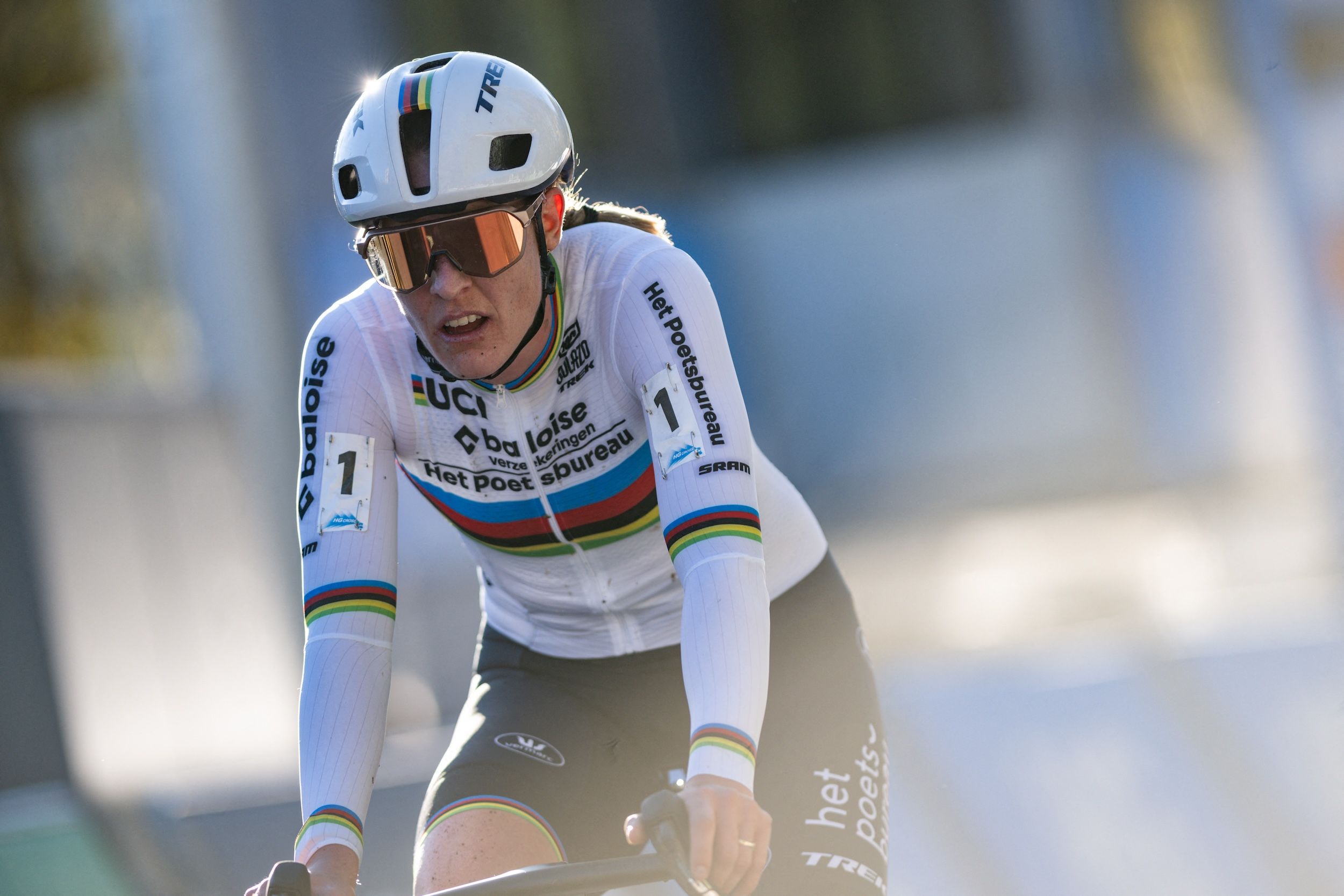
While her rivals wrestled with malfunctioning equipment in the pit lanes, Luxembourg’s Marie Schreiber kept a cool head in the freezing atmosphere. Finding a smooth, calculated line through the treacherous snow-packed corners, Schreiber distanced herself from the misfortune behind her. Riding with flawless technical control, she crossed the finish line solo, securing a historic and memorable victory at the Czech Republic’s maiden World Cup event, while a battered and frustrated chasing pack scrambled across the line seconds later.
Supporting Data & Technical Impact
The Ostrava opener provided a harsh masterclass in the intersection of modern cycling technology and extreme meteorology. Cyclo-cross bikes are marvels of engineering—lightweight carbon frames, electronic shifting, and hydraulic disc brakes designed to withstand mud, sand, and rain. However, prolonged exposure to sub-zero temperatures paired with wet, packed snow exposed vulnerabilities in electronic drivetrains.
- Pit Stops: On average, elite riders required between 3 to 5 bike changes over the course of the shortened race duration, double the frequency seen in standard muddy or dry conditions.
- Temperature Drop: Ambient temperatures dropped by nearly 4°C between the pre-race reconnaissance and the final lap of the elite women’s event, accelerating the freezing of moisture inside mechanical components.
- Attrition Rate: Over 15% of the elite field reported gear slippage, frozen hydraulic levers, or completely jammed chains directly attributable to ice expansion.
Official Responses and Reactions
Speaking after the race, visibly shivering in the mixed zone, riders and team staff reflected on an unforgettable, if chaotic, evening.
"It was an incredible atmosphere out there with the snow and the lights, but honestly, it felt less like a bike race and more like a survival test," said one team director following the race. "When the temperature drops that fast, electronics stop communicating properly, and the snow acts like concrete once it gets packed into the cassette. You can have the best legs in the world, but if your chain won’t turn, you’re a spectator."
Lucinda Brand, addressing the media after salvaging a hard-fought result despite her equipment troubles, emphasized the unpredictable nature of winter cyclo-cross:
"You know when you come to a new venue that anything can happen, but racing in these deep-freeze conditions brings a whole new level of complexity. My mechanics did an amazing job, but out on the far side of the course, when the ice builds up, there’s only so much you can do. It’s frustrating to lose time that way, but Marie rode a brilliant race and kept everything rolling."
UCI officials praised the local organizing committee for delivering a visually stunning and spectator-friendly course, noting that the teething problems associated with hosting a World Cup round in a new region—and under severe weather duress—provide valuable data for future editions.
Implications for the Rest of the World Cup Season
The dramatic events in Ostrava send ripples through the remainder of the 2024–2025 UCI Cyclo-cross World Cup calendar:
- Rethinking Winter Prep: Teams will undoubtedly reevaluate their cold-weather protocols, investing heavily in specialized anti-icing lubricants, mechanical covers, and rapid-response pit strategies for races situated in northern or high-altitude European venues.
- The Rise of Versatile Tacticians: As Marie Schreiber’s victory proved, raw power is secondary to composure and technical adaptability when Mother Nature throws a curveball. Riders who can read changing surfaces and nurse malfunctioning equipment will hold a distinct advantage as the winter calendar deepens.
- The Appeal of Novel Venues: Despite the logistical and mechanical headaches, Ostrava’s debut proved an overwhelming success in terms of spectator engagement and visual spectacle. Racing under floodlights through a snow-packed industrial landscape captured the imagination of fans worldwide, virtually guaranteeing that the Czech venue will secure a permanent fixture on future World Cup schedules.
As the circus packs its frozen bags and heads toward the next stop on the international calendar, the riders leave Ostrava with bruised fingers, tested machinery, and memories of a historic night where surviving the ice was just as important as crossing the finish line first.


 Lina Irawan

 Evan Lee Salim

 Suro Senen
 Neng Nana

 Nana Wu

 Reynand Wu