Trending News:A Narrow Escape: Arsenal’s Champions League Opener Masks Deeper Offensive WoesInside the Golden Prison: The Complex Web Behind Charles Leclerc’s Loyalty to FerrariDiscord’s New Era: Inside the Platform’s Automated Global Age-Verification RolloutA New Dawn in Treviso: Can Wayne Pivac Restore the Benetton Roar?The Pressure Cooker at Medinah: Five Players Carrying the Weight of the 2026 Presidents CupOakland Athletics Shake Up Roster: Kuroda-Grauer Returns as Injury Woes Mount for Muncy and GinnTriumph in Montreal: Maria Okrucińska Dominates Junior Women’s Time Trial at the 2026 UCI Road World ChampionshipsRising to New Heights: Otis Poole’s Rapid Ascent, Historic World Bronze, and the Bold Leap to Texas A&MSam Mayer Makes Shocking Return to JR Motorsports for 2027 NASCAR O’Reilly Auto Parts Series SeasonThe Unstoppable Incumbent: Gianni Infantino’s High-Stakes Gamble for FIFA SupremacyThe Evolution of Distance: How Formula 1 Race Lengths Have Shaped the Sport—and Why They’re Changing AgainThe Breakfast Revolution: KFC Challenges Culinary Norms with the Launch of ‘KFCereal’The Blackheath Awakening: Inside the Oldest Club’s Remarkable Rise to the ChampionshipUpgrade Your Game: PGA TOUR Superstore Launches Major Fall Savings EventEnzo Hincapie Faces the Ultimate Test: Inside the Junior Time Trial at the 2026 UCI Road World Championships in MontrealA Tale of Two Championships: The Triumphs, Trials, and Lessons of Glasgow and Birmingham 2026SEC Unveils Radical Seven-Day Format for 2027 Swimming & Diving ChampionshipsThe Ultimate American Guide to Skiing the Alps: Navigating Snow, Megapasses, and Changing ClimatesRFK Racing Shakes Up No. 6 Pit Box: Jeremy Bullins Departs as Mike Skarbowski Steps in as Brad Keselowski’s Crew ChiefFormula 1 Meets Hot Wheels: Full 2026 Grid Set to Debut in Infinite Rush Video GameFormula 1 Meets Hot Wheels: Full 2026 Grid Headed to Infinite Rush in Landmark CrossoverCarl’s Jr. Launches "Stealing the Crown" Campaign: A Bold Play for Fast-Food SupremacyLeicester Tigers: Can Geoff Parling’s Evolution Propel Welford Road to the Summit?The Presidents Cup Returns: A Deep Dive into the 2026 Showdown at MedinahThe Strategic Landscape of Modern MLB Roster Management: A Deep Dive into Organizational PhilosophyHeartbreak in Montreal: Mechanical Failure Derails Cameron Rogers’ U23 World Championship Time Trial DreamTrack and Field Legends: Tim Hutchings Sits Down with British Icon Kriss AkabusiRising Star Avery Daigle Announces Verbal Commitment to Indiana University for 2028Beyond the Powder Stash: The Heavy, Unspoken Toll of Professional Mountain GuidingNASCAR Opts Against Driver Penalties Following Heated Post-Race Altercation Between Ryan Blaney and Carson Hocevar at BristolThe Great Premier League Comedown: Assessing the State of English Football After the First Five RoundsBreaking the Mold: Jamie Chadwick on the Heavy Burden of Representation and the Evolution of Women in MotorsportThe 2-Billion-Year Speedrun: How Simulation Theory Proved Minecraft Could Beat ItselfUncertainty at the Home of Rugby: The Ospreys’ St Helen’s Return and the Fight for SurvivalThe Unrelenting Edge: Inside Tiger Woods’ Legendary Pro-Am Competitive FireChicago Cubs Stunned: Alex Bregman Faces Recovery Road After Freak InjuryToronto Maple Leafs Face Early Adversity: Winger Dakota Joshua Questionable for Season Opener Amid High-Stakes Culture ShiftBen Wiggins Left Searching for Answers After Tough U23 Time Trial at the UCI Road World Championships in MontrealFormer Paratrooper Ian Winship, 90, Sets Extraordinary ‘World Best’ in Cumbernauld 10kmA Star is Born: 13-Year-Old Yu Zidi Shatters World Junior Record at 2026 Asian GamesThe Evolution of a Modern Classic: A Comprehensive Review and Industry Impact Analysis of the 2026 Atomic Bent 100Formula 1 Set for Dramatic Shake-Up in 2027: Shorter Races, Power Unit Overhauls, and Major Rule AdjustmentsFashioning the Frontier: A Comprehensive Guide to Every Minecraft Dungeons 2 CapeSeismic Shifts at the Red Bull Ring: Winners and Losers from a Dramatic Austrian Grand PrixVan der Linde Seals Historic Win for BMW M Team WRT in Dramatic IMSA Battle on the BricksA Reprieve in the Rain: Carrick’s Manchester United Stave Off Crisis at Craven CottageGuenther Steiner Backs Lando Norris for 2026 F1 Runner-Up Spot: Can the McLaren Star Catch George Russell?The Gravy Titan Returns: Joey Chestnut Dominates 2026 World Poutine Eating ChampionshipA Masterclass in Asheville: Jacob Bridgeman Roars to Victory at the Inaugural Biltmore ChampionshipCubs’ Wild Card Push Marred by Injury to Star Infielder Alex BregmanTeenage Phenomenon Paul Seixas Stuns the Cycling World with Elite Time Trial Bronze at the 2026 UCI Road World ChampionshipsAndreas Almgren Storms to World Half-Marathon Title with Stunning European Record in CopenhagenFuture Cavalier: Allison Kelly Commits to the University of Virginia’s Class of 2028Guenther Steiner Backs Lando Norris to Catch George Russell in 2026 F1 Title FightA Night of Old Ghosts and New Resentments: Simeone’s Atlético Derails Mourinho’s Madrid ReturnCoulthard: Returning to Madring Without Layout Changes in 2027 Would Be "Stupidity"A Legacy Carved in Bronze: Venezuela Honors Tsunami, the Hero of the RubbleThe Global Stage: Your Comprehensive Guide to the 2026 WXV Rugby SeriesBeyond the Data: Can the U.S. Ryder Cup Program Solve Its Identity Crisis?Rays’ Postseason Rotation Outlook Shifts as Shane McClanahan Ruled Out for Remainder of Regular SeasonThe Aerobullet Strikes Again: Remco Evenepoel Makes History with Fourth Consecutive Elite Time Trial World Title in MontrealFrom the Track to the Asphalt: How Andreas Almgren Redefined Swedish EnduranceInternational Talent Joins the Bronx: Brunelle Bouillenne-Duchenne Commits to Fordham UniversityChasing Summer Powder: How Colorado’s Diehard Skiers Keep the Season Alive at St. Mary’s GlacierA Stagnant Sunday at Elland Road: Leeds and Palace Battle to Fruitless StalemateStalemate at the Cottage: Fulham and Manchester United Trade Blows in Goalless ThrillerBlomqvist Sizzles to Secure Indianapolis Pole for Acura Meyer Shank Racing Amid Weather DramaBeyond the Paddock: F1 Rookie Arvid Lindblad Survives Roller-Coaster Ride in World’s Shortest Fiat Panda and a Terrifying Motorized SofaFrom Hoodies to Human Remains: The Growing Controversy Over Influencer MerchandiseA New Dawn at The Stoop: Can Harlequins Reclaim Their Place in the Premiership Elite?A Chip on His Shoulder: J.J. Spaun Finds Solace and Motivation in England After Presidents Cup SnubCardinals Reliever Peter Strzelecki Hits Open Market Following Outright RejectionStage Set for Glory: Montreal Prepares to Host the 99th UCI Road World Championships Time TrialsTactical Masterclasses on the Asphalt: Guillemot and Farken Surge to World Mile Titles in CopenhagenCrimson Tide Recruiting Surge: Alabama Adds International Talent with Commitments from Kullberg and BroadbeltBeyond the Alps: Why the Pyrenees Are Europe’s Ultimate Undiscovered Ski FrontierJosef Newgarden’s NASCAR Ambitions: Why the IndyCar Star’s Dream of Racing at Bristol Remains a Unfulfilled PassionThe Enigma in the Dugout: Can Zinedine Zidane Finally Unmask Himself with Les Bleus?David Coulthard Praises George Russell’s Refreshing Candor Amid Kimi Antonelli’s Mercedes DominationBeyond the Stratosphere: How Pikachu Became an Interstellar Ambassador for ScienceDragons Rising: A New Chapter at Rodney ParadeThe Crucible in Asheville: A Sunday Duel for Survival and Redemption at the Biltmore ChampionshipSt. Louis Blues Place Defenseman Marc-Andre Gaudet on Waivers as Training Camp Cuts LoomPiganzoli Dominates Stage 4 Time Trial to Firm Up Grip on Tour de LuxembourgShock in Copenhagen: Dawit Seare Stuns Jakob Ingebrigtsen to Claim 5km World Road Running CrownRising Star Kiera Menna Commits to University of Arizona: A New Chapter for the Wildcat Sprint ProgramThe Ultimate 2027 Alpine Ski Boot Guide: Inside the Industry’s Most Rigorous Testing ProtocolWSL Clash: Arsenal and Manchester United Battle to Early Stalemate at the EmiratesChaos at Bristol: Top Seeds Implode as NASCAR Truck Series Playoff Opener Rewrites Championship OutlookPremier League news: Carrick brushes aside questions over future, Arteta salutes ‘extraordinary’ DowmanThe Raikkonen Blueprint: How Kimi is Mirroring Jos Verstappen’s Playbook in Grooming Son Robin for F1 StardomThe Lost Horizon: Why Rockstar’s ‘GTA: Tokyo’ Never Made It to the StreetsThe Rebirth of the Chiefs: Can Exeter Go One Better in 2026-27?The Weight of the Shield: Christiaan Bezuidenhout on the Unique Pressure of Team GolfYankees’ World Series Aspirations Clouded as Aaron Judge Heads Back to Injured ListFrom the Stands to the Staff: Kyle Konin’s Historic Journey as the Tampa Bay Lightning’s Full-Time EBUGFormer Hess Cycling Performance Head Ladislav Demko Handed Decadelong Ban by UCI Ethics CommissionHigh Fashion Meets High Performance: Keely Hodgkinson Highlights a Record-Breaking Athlos London DebutRising Star Macy Malinski Commits to University of Utah: A Strategic Leap for the UtesThe 2027 Women’s Ski Boot Guide: Engineering Performance, Physiology, and the New Era of Comfort
Trending News:A Narrow Escape: Arsenal’s Champions League Opener Masks Deeper Offensive WoesInside the Golden Prison: The Complex Web Behind Charles Leclerc’s Loyalty to FerrariDiscord’s New Era: Inside the Platform’s Automated Global Age-Verification RolloutA New Dawn in Treviso: Can Wayne Pivac Restore the Benetton Roar?The Pressure Cooker at Medinah: Five Players Carrying the Weight of the 2026 Presidents CupOakland Athletics Shake Up Roster: Kuroda-Grauer Returns as Injury Woes Mount for Muncy and GinnTriumph in Montreal: Maria Okrucińska Dominates Junior Women’s Time Trial at the 2026 UCI Road World ChampionshipsRising to New Heights: Otis Poole’s Rapid Ascent, Historic World Bronze, and the Bold Leap to Texas A&MSam Mayer Makes Shocking Return to JR Motorsports for 2027 NASCAR O’Reilly Auto Parts Series SeasonThe Unstoppable Incumbent: Gianni Infantino’s High-Stakes Gamble for FIFA SupremacyThe Evolution of Distance: How Formula 1 Race Lengths Have Shaped the Sport—and Why They’re Changing AgainThe Breakfast Revolution: KFC Challenges Culinary Norms with the Launch of ‘KFCereal’The Blackheath Awakening: Inside the Oldest Club’s Remarkable Rise to the ChampionshipUpgrade Your Game: PGA TOUR Superstore Launches Major Fall Savings EventEnzo Hincapie Faces the Ultimate Test: Inside the Junior Time Trial at the 2026 UCI Road World Championships in MontrealA Tale of Two Championships: The Triumphs, Trials, and Lessons of Glasgow and Birmingham 2026SEC Unveils Radical Seven-Day Format for 2027 Swimming & Diving ChampionshipsThe Ultimate American Guide to Skiing the Alps: Navigating Snow, Megapasses, and Changing ClimatesRFK Racing Shakes Up No. 6 Pit Box: Jeremy Bullins Departs as Mike Skarbowski Steps in as Brad Keselowski’s Crew ChiefFormula 1 Meets Hot Wheels: Full 2026 Grid Set to Debut in Infinite Rush Video GameFormula 1 Meets Hot Wheels: Full 2026 Grid Headed to Infinite Rush in Landmark CrossoverCarl’s Jr. Launches "Stealing the Crown" Campaign: A Bold Play for Fast-Food SupremacyLeicester Tigers: Can Geoff Parling’s Evolution Propel Welford Road to the Summit?The Presidents Cup Returns: A Deep Dive into the 2026 Showdown at MedinahThe Strategic Landscape of Modern MLB Roster Management: A Deep Dive into Organizational PhilosophyHeartbreak in Montreal: Mechanical Failure Derails Cameron Rogers’ U23 World Championship Time Trial DreamTrack and Field Legends: Tim Hutchings Sits Down with British Icon Kriss AkabusiRising Star Avery Daigle Announces Verbal Commitment to Indiana University for 2028Beyond the Powder Stash: The Heavy, Unspoken Toll of Professional Mountain GuidingNASCAR Opts Against Driver Penalties Following Heated Post-Race Altercation Between Ryan Blaney and Carson Hocevar at BristolThe Great Premier League Comedown: Assessing the State of English Football After the First Five RoundsBreaking the Mold: Jamie Chadwick on the Heavy Burden of Representation and the Evolution of Women in MotorsportThe 2-Billion-Year Speedrun: How Simulation Theory Proved Minecraft Could Beat ItselfUncertainty at the Home of Rugby: The Ospreys’ St Helen’s Return and the Fight for SurvivalThe Unrelenting Edge: Inside Tiger Woods’ Legendary Pro-Am Competitive FireChicago Cubs Stunned: Alex Bregman Faces Recovery Road After Freak InjuryToronto Maple Leafs Face Early Adversity: Winger Dakota Joshua Questionable for Season Opener Amid High-Stakes Culture ShiftBen Wiggins Left Searching for Answers After Tough U23 Time Trial at the UCI Road World Championships in MontrealFormer Paratrooper Ian Winship, 90, Sets Extraordinary ‘World Best’ in Cumbernauld 10kmA Star is Born: 13-Year-Old Yu Zidi Shatters World Junior Record at 2026 Asian GamesThe Evolution of a Modern Classic: A Comprehensive Review and Industry Impact Analysis of the 2026 Atomic Bent 100Formula 1 Set for Dramatic Shake-Up in 2027: Shorter Races, Power Unit Overhauls, and Major Rule AdjustmentsFashioning the Frontier: A Comprehensive Guide to Every Minecraft Dungeons 2 CapeSeismic Shifts at the Red Bull Ring: Winners and Losers from a Dramatic Austrian Grand PrixVan der Linde Seals Historic Win for BMW M Team WRT in Dramatic IMSA Battle on the BricksA Reprieve in the Rain: Carrick’s Manchester United Stave Off Crisis at Craven CottageGuenther Steiner Backs Lando Norris for 2026 F1 Runner-Up Spot: Can the McLaren Star Catch George Russell?The Gravy Titan Returns: Joey Chestnut Dominates 2026 World Poutine Eating ChampionshipA Masterclass in Asheville: Jacob Bridgeman Roars to Victory at the Inaugural Biltmore ChampionshipCubs’ Wild Card Push Marred by Injury to Star Infielder Alex BregmanTeenage Phenomenon Paul Seixas Stuns the Cycling World with Elite Time Trial Bronze at the 2026 UCI Road World ChampionshipsAndreas Almgren Storms to World Half-Marathon Title with Stunning European Record in CopenhagenFuture Cavalier: Allison Kelly Commits to the University of Virginia’s Class of 2028Guenther Steiner Backs Lando Norris to Catch George Russell in 2026 F1 Title FightA Night of Old Ghosts and New Resentments: Simeone’s Atlético Derails Mourinho’s Madrid ReturnCoulthard: Returning to Madring Without Layout Changes in 2027 Would Be "Stupidity"A Legacy Carved in Bronze: Venezuela Honors Tsunami, the Hero of the RubbleThe Global Stage: Your Comprehensive Guide to the 2026 WXV Rugby SeriesBeyond the Data: Can the U.S. Ryder Cup Program Solve Its Identity Crisis?Rays’ Postseason Rotation Outlook Shifts as Shane McClanahan Ruled Out for Remainder of Regular SeasonThe Aerobullet Strikes Again: Remco Evenepoel Makes History with Fourth Consecutive Elite Time Trial World Title in MontrealFrom the Track to the Asphalt: How Andreas Almgren Redefined Swedish EnduranceInternational Talent Joins the Bronx: Brunelle Bouillenne-Duchenne Commits to Fordham UniversityChasing Summer Powder: How Colorado’s Diehard Skiers Keep the Season Alive at St. Mary’s GlacierA Stagnant Sunday at Elland Road: Leeds and Palace Battle to Fruitless StalemateStalemate at the Cottage: Fulham and Manchester United Trade Blows in Goalless ThrillerBlomqvist Sizzles to Secure Indianapolis Pole for Acura Meyer Shank Racing Amid Weather DramaBeyond the Paddock: F1 Rookie Arvid Lindblad Survives Roller-Coaster Ride in World’s Shortest Fiat Panda and a Terrifying Motorized SofaFrom Hoodies to Human Remains: The Growing Controversy Over Influencer MerchandiseA New Dawn at The Stoop: Can Harlequins Reclaim Their Place in the Premiership Elite?A Chip on His Shoulder: J.J. Spaun Finds Solace and Motivation in England After Presidents Cup SnubCardinals Reliever Peter Strzelecki Hits Open Market Following Outright RejectionStage Set for Glory: Montreal Prepares to Host the 99th UCI Road World Championships Time TrialsTactical Masterclasses on the Asphalt: Guillemot and Farken Surge to World Mile Titles in CopenhagenCrimson Tide Recruiting Surge: Alabama Adds International Talent with Commitments from Kullberg and BroadbeltBeyond the Alps: Why the Pyrenees Are Europe’s Ultimate Undiscovered Ski FrontierJosef Newgarden’s NASCAR Ambitions: Why the IndyCar Star’s Dream of Racing at Bristol Remains a Unfulfilled PassionThe Enigma in the Dugout: Can Zinedine Zidane Finally Unmask Himself with Les Bleus?David Coulthard Praises George Russell’s Refreshing Candor Amid Kimi Antonelli’s Mercedes DominationBeyond the Stratosphere: How Pikachu Became an Interstellar Ambassador for ScienceDragons Rising: A New Chapter at Rodney ParadeThe Crucible in Asheville: A Sunday Duel for Survival and Redemption at the Biltmore ChampionshipSt. Louis Blues Place Defenseman Marc-Andre Gaudet on Waivers as Training Camp Cuts LoomPiganzoli Dominates Stage 4 Time Trial to Firm Up Grip on Tour de LuxembourgShock in Copenhagen: Dawit Seare Stuns Jakob Ingebrigtsen to Claim 5km World Road Running CrownRising Star Kiera Menna Commits to University of Arizona: A New Chapter for the Wildcat Sprint ProgramThe Ultimate 2027 Alpine Ski Boot Guide: Inside the Industry’s Most Rigorous Testing ProtocolWSL Clash: Arsenal and Manchester United Battle to Early Stalemate at the EmiratesChaos at Bristol: Top Seeds Implode as NASCAR Truck Series Playoff Opener Rewrites Championship OutlookPremier League news: Carrick brushes aside questions over future, Arteta salutes ‘extraordinary’ DowmanThe Raikkonen Blueprint: How Kimi is Mirroring Jos Verstappen’s Playbook in Grooming Son Robin for F1 StardomThe Lost Horizon: Why Rockstar’s ‘GTA: Tokyo’ Never Made It to the StreetsThe Rebirth of the Chiefs: Can Exeter Go One Better in 2026-27?The Weight of the Shield: Christiaan Bezuidenhout on the Unique Pressure of Team GolfYankees’ World Series Aspirations Clouded as Aaron Judge Heads Back to Injured ListFrom the Stands to the Staff: Kyle Konin’s Historic Journey as the Tampa Bay Lightning’s Full-Time EBUGFormer Hess Cycling Performance Head Ladislav Demko Handed Decadelong Ban by UCI Ethics CommissionHigh Fashion Meets High Performance: Keely Hodgkinson Highlights a Record-Breaking Athlos London DebutRising Star Macy Malinski Commits to University of Utah: A Strategic Leap for the UtesThe 2027 Women’s Ski Boot Guide: Engineering Performance, Physiology, and the New Era of Comfort
LONDON — Former Formula 1 Grand Prix winner David Coulthard has delivered a scathing assessment of the newly introduced Madring circuit, warning series organizers that bringing the world championship back to the semi-permanent venue in 2027 without significant layout modifications would be the height of "stupidity."
Following a heavily criticized inaugural race plagued by processional driving and a stark absence of overtaking opportunities, pressure is mounting on the Fédération Internationale de l’Automobile (FIA) and commercial rights holders Liberty Media to address fan and driver dissatisfaction. Coulthard, speaking candidly on the Up To Speed podcast, insisted that ignoring the negative consensus from the paddock and the grandstands is no longer an option for a sport scaling unprecedented global heights.
Main Facts
The core controversy surrounds the newly built Madring circuit, which hosted its debut Formula 1 grand prix to high anticipation, only to deliver a largely uneventful race defined by aerodynamic stagnation and defensive masterclasses rather than wheel-to-wheel combat.
The Race Result: Mercedes driver and current World Championship leader Kimi Antonelli secured his eighth victory of the season, capitalizing on a stroke of strategic fortune. Lando Norris, who had expertly converted pole position into an early race lead, fell victim to an ill-timed Virtual Safety Car (VSC) phase that was deployed just after he had passed the pit entry.
The Strategic Shift: Antonelli, benefiting from the VSC timing, ducked into the pit lane for a cheaper stop, leapfrogging the McLaren driver and cruising to victory.
The Core Problem: Beyond the strategic shuffle, the layout of the semi-permanent circuit proved overly narrow and aerodynamically punishing for following cars. Drivers reported that dirty air severely hampered overtaking, transforming the track into a high-speed procession reminiscent of Monaco, where track position supersedes racecraft.
The Verdict: Coulthard and several active drivers have labeled the circuit layout fundamentally flawed for modern F1 machinery, urging immediate infrastructure adjustments before the 2027 calendar locks in.
Chronology of Events
The weekend in Madrid began with high fanfare, presenting the sport’s latest venture into a European metropolitan hub. However, the cracks in the venue’s racing identity manifested early and culminated on race day.
Friday Practice: The Warning Signs
During initial free practice sessions, drivers immediately noted the tight tolerances of the semi-permanent layout. While the high-speed, flowing nature of the middle sector drew praise for its sheer adrenaline and driver challenge, engineers warned that the circuit geometry left very few braking zones heavy enough to trigger overtaking maneuvers under heavy deceleration.
Saturday Qualifying: The Pole Position Triumph
Lando Norris delivered a sensational lap in qualifying to secure pole position, showcasing the raw pace of his McLaren package. Paddock consensus suggested that if anyone could break away and control the race, it would be the Briton. Max Verstappen, starting close behind, kept his cards close to his chest, noting the inherent difficulties of the track layout.
Sunday Grand Prix: The Procession and the VSC Turning Point
When the lights went out, Norris maintained his advantage into Turn 1, leading the early stages of the race. However, the limitations of the Madring layout quickly became apparent: following cars could close the gap through the flowing medium-speed sections, but once within one second, dirty air severely destabilized their front wings, shutting down passing windows.
The race defining moment arrived midway through the Grand Prix. A localized incident triggered a Virtual Safety Car. Unfortunately for Norris, the VSC boards illuminated mere moments after he had crossed the pit-lane entry line, locking him into his track position at racing speed. Behind him, Kimi Antonelli—yet to pit—slammed on the anchors for a discounted pit stop under VSC conditions. The Mercedes driver emerged ahead, effectively sealing the victory.
As the laps wound down, Verstappen caught up to the rear of Norris’s McLaren. Yet, rather than mounting a dramatic challenge, the reigning world champion admitted he felt entirely relaxed. He knew the layout offered zero incentive to risk a move.
Supporting Data and Driver Testimony
The frustration directed at the Madring circuit is not merely an emotional reaction from disgruntled fans; it is backed by aerodynamic data and telemetry from the world’s best drivers.
Max Verstappen offered a telling post-race assessment that highlighted the fundamental design flaws of the venue. The Red Bull driver revealed that when he was catching Norris in the closing stages, he felt no pressure to force an overtake.
"All I need to do is drive in the middle of the track as you would in Monaco," Verstappen remarked, drawing an unfavorable comparison to the streets of Monte Carlo—a venue historically excused from modern overtaking standards due to its ancient, unchangeable geography, but heavily criticized when replicated in purpose-built or semi-permanent modern facilities.
David Coulthard expanded on this data-driven reality during his podcast appearance, emphasizing that ignoring the evidence would be an administrative failure.
"I think the fans, we’ve got to listen to them," Coulthard stated. "We can’t say, ‘Oh, you’re wrong.’ If they’re saying they think the race was boring, then hey, that’s what they think."
Drawing on his extensive Formula 1 career, the 13-time grand prix winner delivered his stark culinary analogy:
"If we take all that information and come back next year with exactly the same, then put the same cake mix into the oven and expect a different outcome, that’s stupidity."
Official Responses and Proposed Solutions
Formula 1 management, the FIA, and circuit promoters have yet to issue a formal, binding statement regarding layout alterations for 2027, but backstage whispers suggest that constructive talks are already underway. The commercial pressures of staging an event in a major European capital mean the financial backing is secure, but the sporting integrity of the grand prix remains under intense scrutiny.
Rather than dismissing the criticism, Coulthard offered concrete, engineering-based solutions to salvage the circuit’s racing pedigree:
Redesigning the Chicanes:
Coulthard pointed out that the current setup of the circuit’s chicanes fails to generate the necessary deceleration phases required for modern F1 braking duels.
"A good old-fashioned, slower chicane like you have at Monza creates overtaking because you have braking distance," he explained. "The first and second chicanes currently are too fast. So you enter on a shallow line with too much speed."
Introducing a Hairpin Loop:
To artificially create a heavy braking zone where none currently exists naturally, Coulthard suggested carving out space for a tight, technical element.
"Or somewhere around that area, you chuck in a loop, a hairpin loop that encourages people to have a go. That’s the only thing you can do."
Accepting Sector Limitations:
While open to radical surgery in specific sectors, Coulthard realistically acknowledged the limitations of the site’s geography.
"In the middle part of the circuit where it’s all fast and flowing, you can’t do anything because you need the circuit to join up with the end, and you need to get there somehow."
Implications for the Future of F1 Calendars
The controversy surrounding the Madring circuit highlights a broader philosophical debate within modern Formula 1: the tension between commercial expansion into lucrative metropolitan markets and the preservation of pure sporting entertainment.
With a record-breaking calendar stretching team logistics and engineering resources to their absolute limits, every venue must justify its presence not just through ticket sales, hospitality metrics, and television viewership, but through the quality of the on-track spectacle it produces.
If the Madring promoters and the FIA choose to stand pat, relying solely on the glamour of the host city rather than the mechanics of the asphalt, they risk alienating a rapidly growing fanbase that has grown accustomed to close, unpredictable racing. Conversely, investing in layout changes ahead of the 2027 event would demonstrate a proactive commitment to the sport’s core product.
As Formula 1 looks toward the horizon, David Coulthard’s warning serves as both a wake-up call and a challenge. The ingredients for a thrilling Spanish metropolitan race exist, but unless the recipe is altered, the sport risks serving up another stale dish that neither the drivers nor the fans are willing to swallow twice.
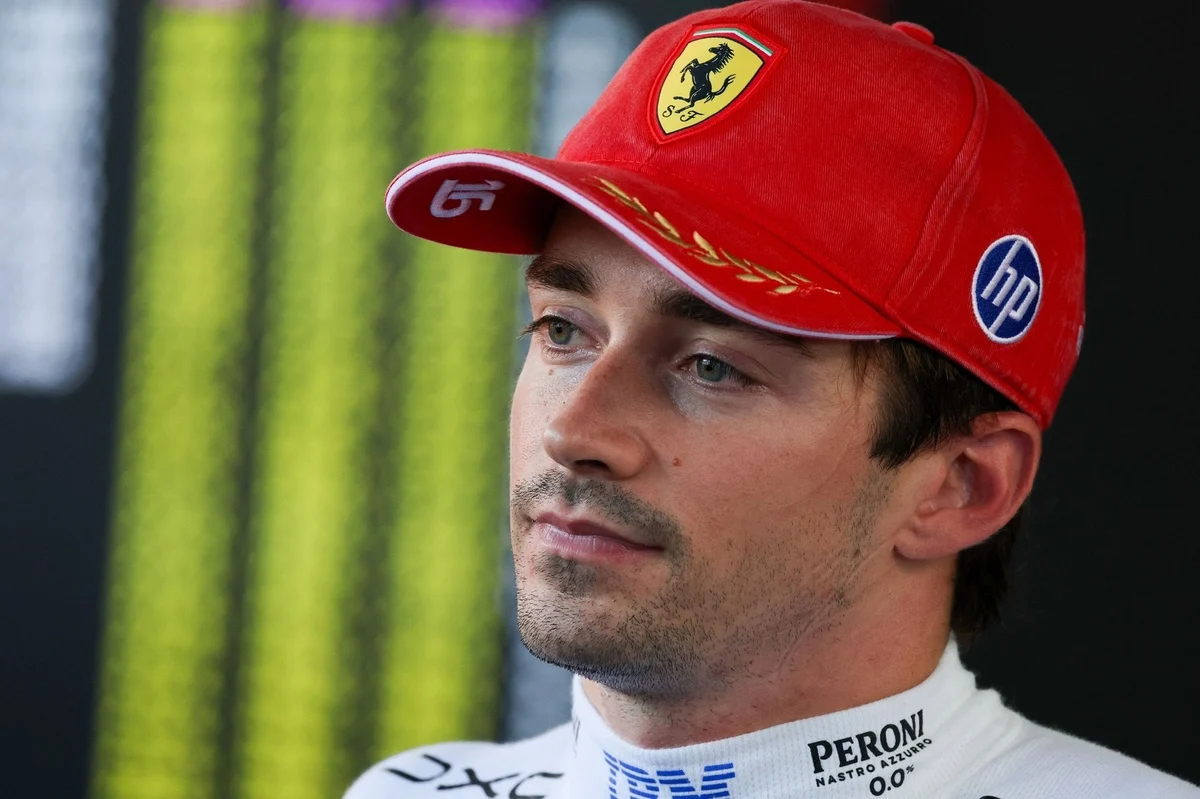
Inside the Golden Prison: The Complex Web Behind Charles Leclerc’s Loyalty to Ferrari
By Motorsport Analysis Desk Every time Charles Leclerc puts pen to paper on a new contract extension with Scuderia Ferrari, the announcement arrives accompanied by a familiar narrative. It is…
The Evolution of Distance: How Formula 1 Race Lengths Have Shaped the Sport—and Why They’re Changing Again
To the casual observer, a Formula 1 Grand Prix is a straightforward exercise in speed: drivers line up on the grid, accelerate off the line, and circulate a circuit until…

 Layla Zulfa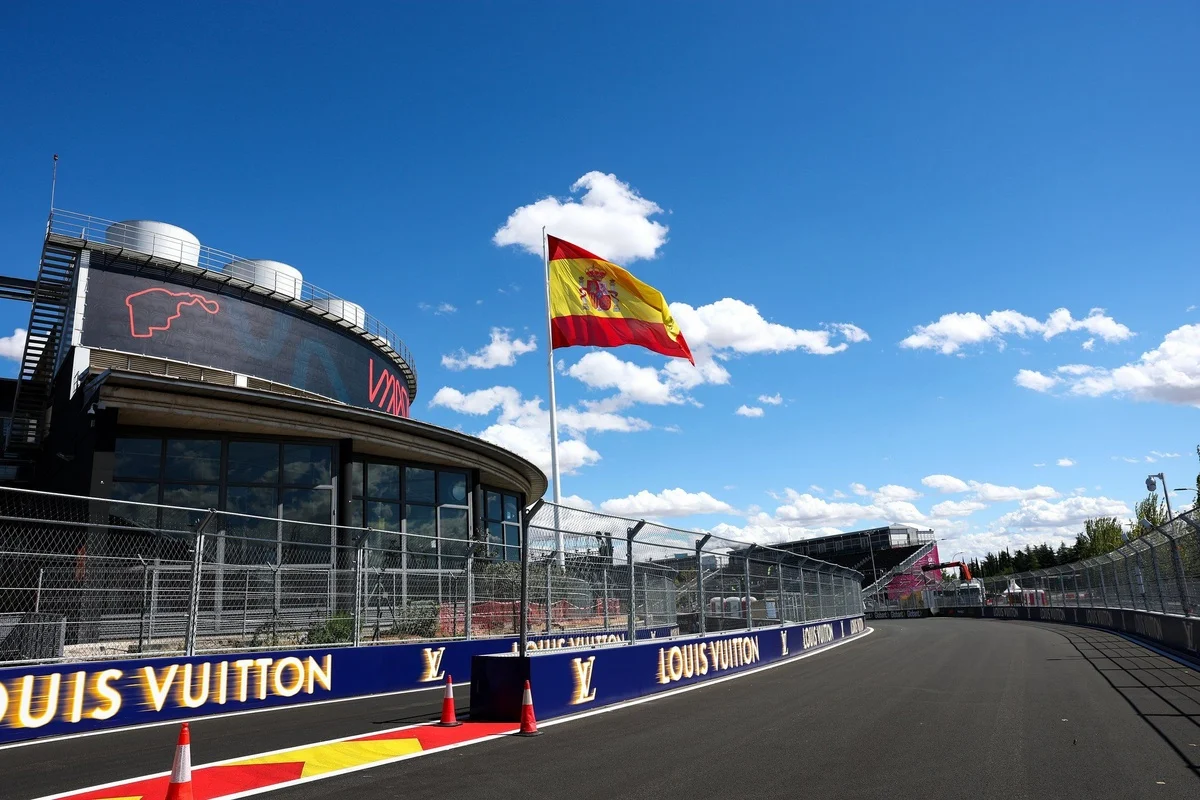


 Jia Lissa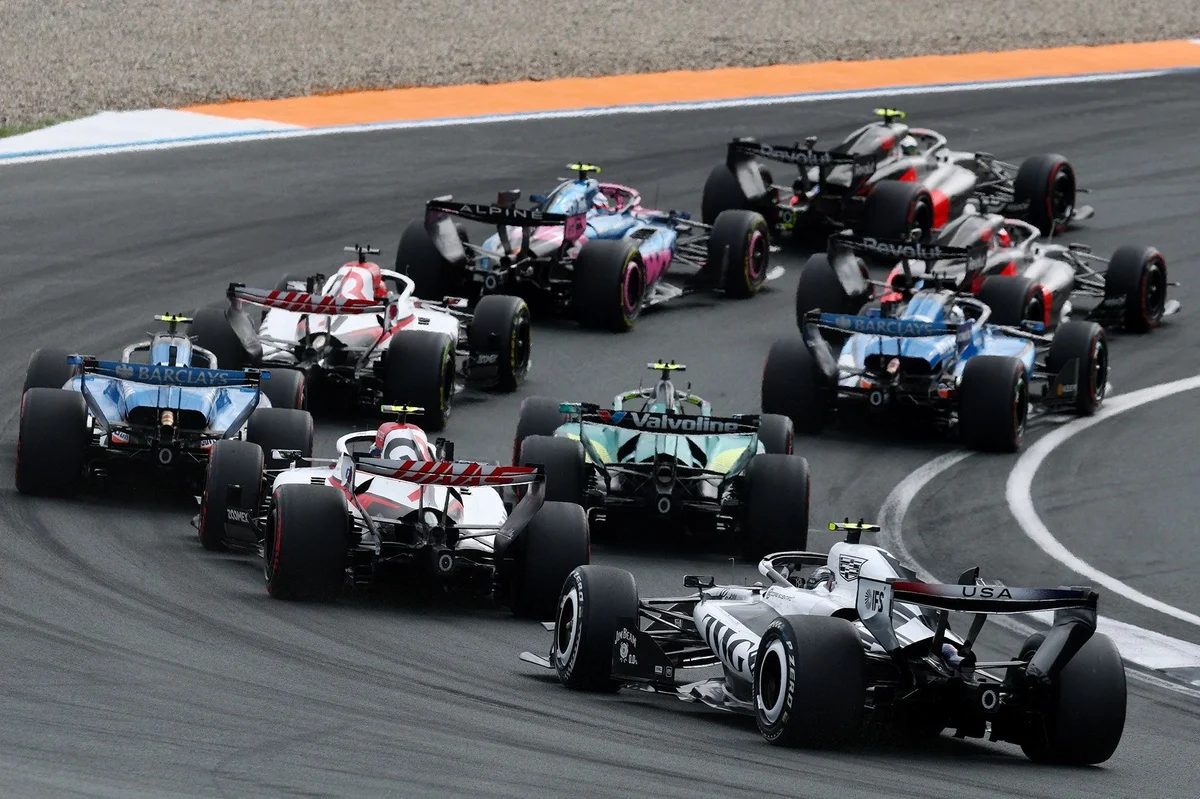
 Lina Irawan
 Ali Ikhwan
 Neng Nana
 Iffa Jayyana
 Dwi Wanna
 Evan Lee Salim