
 Lina Hope
By F1 Insider Analysis Desk
Ever since Red Bull unceremoniously dropped long-standing Team Principal Christian Horner on July 9, 2025, the Formula 1 paddock has been consumed by an insatiable wave of speculation. For months, insiders, journalists, and fans alike have debated the exact catalysts that triggered the guillotine at Milton Keynes. Was it the lingering fallout from the high-profile allegations that first surfaced in early 2024? Was it the team’s alarming on-track slump—yielding a meager two Grand Prix victories in the opening half of the 2025 season—that terrified the corporate board? Or was it the growing friction with Max Verstappen’s camp, culminating in a hard ultimatum that forced Red Bull’s Austrian parent company to choose between its star driver and its master team builder?
Now, more than a year later, Christian Horner’s side of the story has finally come to light. In a candid and revealing interview with 60 Minutes Australia, the ousted architect of the Red Bull dynasty dropped his usual PR-trained guard, offering a scathing look at the corporate executives who orchestrated his exit. Far from fading quietly into the background, Horner has opened up about the bitter power struggles, the unprecedented success he delivered, and what it truly feels like to be locked out of the house he spent two decades building.
Main Facts: The End of an Era at Milton Keynes
The central fact remains seismic: Christian Horner, one of the longest-serving and most successful team principals in Formula 1 history, was stripped of his authority at Red Bull Racing on July 9, 2025. For 15 months following his dismissal, Horner has enjoyed the quiet luxury of his sprawling English country estate, cushioned by a substantial severance package. Yet, time has clearly failed to heal the raw wounds of how his 20-year career at the helm of the Milton Keynes operation was terminated.
When asked by 60 Minutes Australia about the exact moment his tenure was brought to an abrupt halt, Horner’s composure slipped, revealing a deep sense of betrayal.
"I never imagined to be in this position," Horner said, looking visibly tense. "It was a very difficult time because it was so… brutally executed. I mean, I put my heart and soul into that business, and suddenly to have it taken away was very tough."
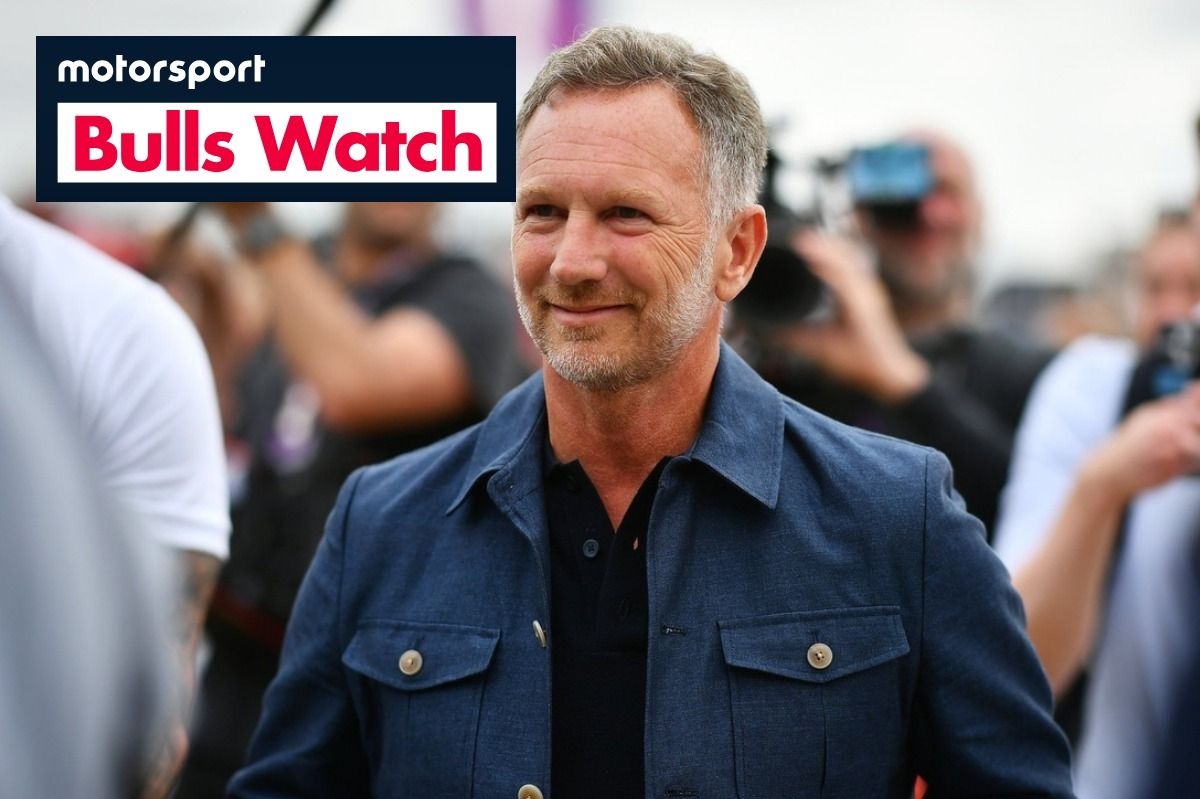
The dismissal marked a sudden and brutal end to an era defined by unrivaled dominance. Horner was not merely an employee; he was a founding pillar of Red Bull Racing, having taken over a struggling Jaguar outfit in 2005 and transforming it into a multi-championship-winning powerhouse. His removal sent shockwaves through the global motorsport community, signaling that even the most decorated leaders are expendable when corporate boardrooms decide to shift the balance of power.
Chronology: The Road to the Guillotine
To understand how a partnership spanning two decades dissolved overnight, one must trace the timeline of events that preceded Horner’s July 2025 firing.
The Post-Mateschitz Power Void
The foundational tectonic plates within Red Bull began shifting in late 2022 with the passing of co-founder Dietrich Mateschitz. Mateschitz had been Horner’s primary shield, a visionary billionaire who understood motorsport and granted the British team principal immense autonomy. Following his death, control of the empire shifted toward the corporate hierarchy in Austria—specifically Oliver Mintzlaff and the new executive board. This created an inevitable corporate power struggle between the conservative Austrian parent company and Horner’s fiercely independent, race-winning machine in the UK.
The Early-2024 Controversy
The pressure on Horner intensified dramatically at the start of the 2024 season when internal allegations regarding alleged misconduct were leveled against him. Although an independent internal investigation cleared Horner of wrongdoing, the saga triggered a vicious civil war within Red Bull’s leadership. Public friction between Horner, Helmut Marko, and the Verstappen family (particularly Max’s father, Jos Verstappen) spilled out into the open, creating a fractured environment behind the scenes.
The 2025 Performance Slump and the Ultimatum
Despite the off-track turbulence, Red Bull initially maintained its competitive edge through the brilliance of Max Verstappen. However, as development stagnated heading into the 2025 season regulations, the RB21 began to falter. Red Bull managed a meager two Grand Prix victories in the first half of the year, falling behind surging rivals in the Constructors’ Championship.
Concurrently, whispers grew louder that Max Verstappen’s camp had issued strict internal ultimatums regarding the team’s long-term technical and leadership stability. Whether driven by declining track performance, corporate paranoia, or internal politics, the board finally pulled the trigger on July 9, 2025.

Supporting Data: The $3 Billion Reality Check
When the 60 Minutes Australia interviewer pressed Horner on whether he could understand the board’s decision—especially given the team’s undeniable mid-2025 slump—the former team boss grew fiercely defensive. Rather than wallow in self-pity, Horner pulled out the statistical receipts, delivering a verbal stat-sheet that served as a massive reality check to the executives who claimed he had become a liability to the brand.
"I think that Formula 1 is a results-based business," Horner fired back, his voice carrying the weight of his historic achievements. "If you look at the bare facts, I delivered 124 victories, 14 world championships, 287 podiums, and a win ratio of one in four. I drove sponsorship revenues of probably over $3 billion into the business and created an engine from scratch."
It is exceptionally difficult to argue with those mathematical realities. Horner’s tenure oversaw two distinct dynasties: the Sebastian Vettel-led domination era from 2010 to 2013, and the Max Verstappen-led record-shattering dominance from 2021 onward. Furthermore, his masterstroke in negotiating the creation of Red Bull Powertrains—ensuring the team’s self-sufficiency ahead of the 2026 engine regulations—secured the long-term viability of the Milton Keynes campus.
Official Responses and Internal Politics: "Christian Racing"
Horner’s interview also shed new light on the ideological battles that defined his final months in charge. For years, insiders whispered about the friction between the corporate identity of Red Bull GmbH and the racing-first mentality cultivated by Horner.
When asked about the root cause of his ouster, Horner offered a telling insight into the corporate narrative used against him.
"Perhaps I was deemed to have too much control," Horner revealed. "I mean, I was told it was more like Christian Racing than Red Bull Racing."

This phrase encapsulates the core tension that led to his downfall. To the Austrian executives, Horner had built an empire where his personal brand and operational autonomy occasionally overshadowed the corporate energy drink logo stamped on the side of the car. By centralizing authority and shaping the team in his own image, Horner created an internal structure that the post-Mateschitz board ultimately viewed as a threat to corporate governance.
Implications: Looking Through the Window
The bitterest irony of Christian Horner’s departure is what happened immediately after he left the building. In a bizarre twist of fate, the Red Bull squad suddenly rediscovered its championship footing almost overnight. Liberated from the suffocating internal politics, Max Verstappen went on an absolute tear on track, winning six of the next nine Grands Prix to stabilize the team’s season and secure his competitive standing.
For Horner, watching his former team succeed without him has been an excruciating experience. While he insists he takes professional satisfaction in leaving the team’s infrastructure in robust shape, the emotional toll of being cast aside right before the triumph is palpable.
"What hurt was seeing all the people not being able to share that moment with them," Horner confessed, capturing the melancholy of his current exile. "It’s kind of looking through the window of a party that you’re not invited to."
What Lies Ahead?
As Formula 1 moves past the Horner era, the implications for Red Bull Racing remain profound. The team is currently navigating its transition into an independent engine manufacturer for 2026, while working tirelessly to retain Max Verstappen’s long-term loyalty amid shifting team dynamics.
As for Christian Horner, his legacy in the sport is already immortalized in the record books. Whether the paddock has seen the last of his fierce competitive spirit, or whether a rival manufacturer will eventually hand him the keys to a new racing kingdom, remains one of Formula 1’s most anticipated future chapters. For now, the man who built an empire sits on his English estate, left to wonder how a twenty-year masterpiece could be dismantled in a single afternoon.

 Sagoh
 Reynand Wu
 Suro Senen
 Neng Nana

 Evan Lee Salim
 Nila Kartika Wati

 Iffa Jayyana